
INTRODUCTION
Recently, edible insects have gained considerable global attention as alternative protein sources for both food and animal feed [1]. The global population is expected to increase 9.8 billion people by 2050, and demand for animal-based protein will increase by 70% compared with that for 2020 [2]. International food and sustainability policies, such as the EU farm-to-fork strategy and UN sustainable development goals, highlighted edible insect-based protein as a promising sustainable protein source [1,3]. Many edible insects have substantial nutritional value, including high proteins, unsaturated fatty acids, fibers, vitamins, and minerals [4]. Moreover, edible insect farming is eco-friendly, because edible insects emit low greenhouse gas levels and use organic waste as feed to reduce the CO2 foodprint [3].
Despite these advantages, the edible insect industry should overcome critical limitations, such as consumer acceptance and food safety concerns to meet a broad consumer demand [5]. Similar to other animal-derived foods, edible insects can harbor various biological hazards that pose risks to consumers [6]. They tend to carry high microbial loads owing to the presence of gut microbiota, unsanitary rearing environments, and insufficient processing methods, such as inadequate washing or heat treatment [7]. Insects may carry pathogenic bacteria, such as Salmonella, Staphylococcus, and Bacillus spp., as well as fungi, viruses, and parasites acquired from their environment or feed substrates [6,8]. Microbial contamination can lead to acute foodborne illnesses if not properly controlled. Therefore, regulators and food scientists have emphasized that edible insect-derived foods must meet microbiological safety standards similar to those of conventional foods [9]. Furthermore, the European Food Safety Authority (EFSA) has examined the risks of insects as food and feed and concluded that potential microbiological hazards depend on the insect species, rearing substrate, and processing technologies used [10]. Although the novel food regulations of the EU now include insects, with several approved species on the market, existing regulatory frameworks still lack provisions that fully address the complexities of insect production [11]. Recent EFSA scientific opinions on insect-based novel foods, including frozen, dried and powdered forms of house crickets and mealworm (2024–2025), further confirm that such products can be considered safe under specified conditions of use, while consistently emphasizing strict hygiene control and the potential for allergenic reactions in susceptible consumers [12,13]. Public confidence in edible insects depends on rigorous microbiological safety assessments and clear guidelines to ensure that insect-based products are safe for consumption. Notably, the edible insect sector is expected to grow rapidly, with studies predicting a 43% increase in European and North American markets by 2024, making it even more important to actively address microbiological safety and quality issues [8].
Appropriate thermal or non-thermal processing technologies are needed to improve the microbial safety of edible insect-based foods. Conventional thermal processing methods, such as blanching, boiling, roasting, and frying, are widely used to reduce microbial loads, dry products, extend shelf life, and enhance flavor attributes in edible insects [14]. Heat processing is applied not only for the improvement of microbial safety, but also for purposes such as drying, extending shelf life, and enhancing flavor; however, excessive heating can also degrade nutrients and negatively impact the sensory qualities of insect products [15]. Meanwhile, non-thermal processing technology is a processing method that does not involve the use of heat, thereby minimizing quality deterioration associated with thermal treatment. Non-thermal processing technologies, such as high-pressure processing (HPP), microfiltration, cold atmospheric pressure plasma (CAPP), ultrasound, and irradiation, inactivate pathogens in insect foods while preserving their nutritional properties [16]. By applying a combination of these technologies, along with strict hygiene controls, the industry aims to produce insect-based foods that are both safe and of high quality.
The purpose of this paper is to examine the microbiological hazards associated with edible insects and investigate the microbicidal efficacy of insects using various processing technologies, including thermal and non-thermal processing technologies. Additionally, the Hazard Analysis and Critical Control Points (HACCP) model for microbiological hazards in edible insect processing was reviewed to outline the microbiological safety of edible insects.
BIOLOGICAL HAZARDS OF EDIBLE INSECTS
Various biological hazards, such as viruses, bacteria, fungi, and parasites, must be considered when processing or using edible insects or insect-based food products [6]. Biological hazards are defined by the inherent presence of pathogens and potential for additional contamination risks that may arise during insect rearing or processing [10]. According to the EFSA Scientific Committee [10], the biological hazards of edible insects are primarily influenced by the rearing environment and hygiene status of the substrates they consume, such as grain by-products, fruit, and vegetable waste. Additionally, pathogenic bacteria and parasites can be transmitted through insects, and their gut microbiota pose the risk of cross-contamination during rearing and processing [17]. In summary, edible insects may serve as reservoirs or carriers of these hazards depending on their diet and environmental conditions.
The potential biological hazards associated with edible insects are summarized in Fig. 1. Viruses that infect insects as their hosts generally do not infect humans or vertebrates, and some are considered safe enough for use as agricultural biocontrol agents [18]. However, insect-specific viruses present substantial problems for insect food and feed producers. Additionally, Eilenberg et al. [18] explained that some viruses may enter insect farms through the rearing substrate and have the potential to spread beyond primary production; therefore, preventive processing strategies are necessary. Similarly, parasites have not been observed in farmed insects but have been reported in wild insects and regions where entomophagy is traditionally practiced [10]. Chai et al. [19] suggested that certain trematodes (Lecithodendridae and Plagiorchidae) might be transmitted through infected insects, potentially causing gastrointestinal infections and inflammation. However, no cases of parasitic infections have been reported in farmed insects, as controlled rearing and processing technologies effectively reduce potential risks and ensure safe consumption.
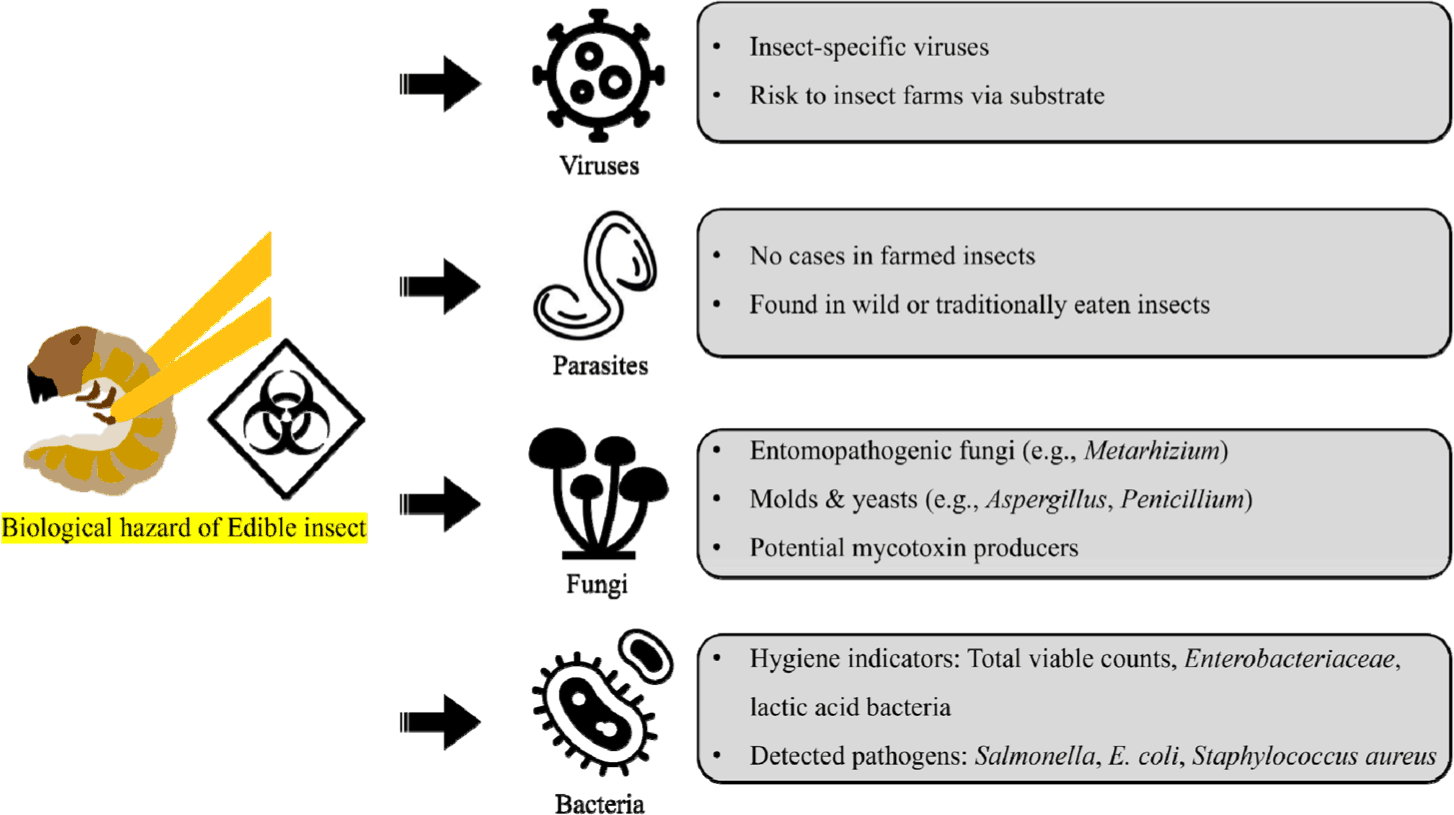
Fungi are another biological hazard associated with edible insects as they can infect insects or be present as contaminants. Entomopathogenic fungi, such as Metarhizium species, produce insect-specific toxins that can cause high mortality in farmed insects [20]. Due to insufficient data on their safety for humans and animals, they have not been granted the Qualified Presumption of Safety status [21]. Additionally, edible insects may carry fungi, including molds and yeasts, such as Aspergillus and Penicillium species, some of which have the potential to produce mycotoxins [7]. Table 1 presents the microbial counts of different raw edible insect species, indicating the presence of yeasts and molds in crickets, mealworms, grasshoppers, and locusts. The detected fungal contamination levels vary depending on species, with mealworms and grasshoppers exhibiting higher yeast and mold counts, reaching 5.7 and 8.2 Log CFU/g, respectively. In contrast, locust and house crickets showed relatively lower levels, with counts at approximately 5.2 and 4.8 Log CFU/g, respectively. These variations indicate that the fungal contamination levels differ among insect species, suggesting that intrinsic biological traits may contribute to these differences. Furthermore, fungal contamination in edible insects varies depending on rearing, processing, and storage conditions [10].
| Edible insect | Species | Microbial counts (Log CFU/g) | Referencess |
|---|---|---|---|
| Cricket | Acheta domesticus |
• Total viable counts: 7.2 • Enterobacteriaceae: 4.2 • Bacterial spores: 3.6 |
[22] |
|
• Total aerobic counts: 7.97 • Yeasts and molds: 4.80 |
[23] | ||
| Brachytrupus sp. |
• Total viable counts: 6.7 • Enterobacteriaceae: 4.4 • Bacterial spores: 4.4 |
[22] | |
| Mealworms | Tenebrio molitor |
• Total aerobic counts: 8.58 • Yeasts and molds: 4.70 |
[23] |
|
• Total viable aerobic counts: 8.3 • Enterobacteriaceae: 7.6 • Lactic acid bacteria: 7.6 • Bacterial endospores: 3.5 • Yeasts and molds: 5.7 |
[24] | ||
| Grasshopper | Ruspolia differens |
• Total viable counts: 9.1 • Yeasts and molds: 8.2 |
[25] |
|
• Total viable counts: 8.9 • Enterobacteriaceae: 7.3 • Lactic acid bacteria: 8.6 • Aerobic bacterial endospores: 4.3 • Yeasts and molds: 6.4 |
[26] | ||
| Locust | Locusta migratoria manilensis |
• Total viable counts: 5.9 • Enterobacteriaceae: 5.7 • Aerobic bacterial endospores: 6.3 • Yeasts and molds: 5.2 |
[25] |
| Locusta migratoria manilensis larvae |
• Total viable counts: 8.2 • Enterobacteriaceae: 7.4 • Lactic acid bacteria: 8.1 • Aerobic bacterial endospores: 3.6 • Yeasts and molds: 5.2 |
[24] |
Although viruses and parasites are generally insect-specific and rarely associated with human infections, bacteria can be direct indicators of food hygiene and contamination levels. The microbial composition of various raw edible insect species, including total viable counts and Enterobacteriaceae, is summarized in Table 1. These microbial groups are hygiene indicator bacteria that represent the overall microbial quality and potential risk of contamination of edible insects [7]. Monitoring these levels is important for evaluating the effectiveness of processing and storage conditions to ensure food safety. Klunder et al. [22] and Caparros Megido et al. [23] have reported high microbial counts in cricket that was 7.2–7.97 Log CFU/g. In contrast, Stoops et al. [24] reported that mealworms had a total microbial count of 8.3 Log CFU/g, with a large amount of lactic acid bacteria. Ruspolia differens (grasshopper) exhibited the highest microbial counts, particularly Enterobacteriaceae and lactic acid bacteria, indicating the need for hygiene measures [25,26]. For Locusta migratoria manilensis, Ng’ang’a et al. [27] reported a relatively low microbial count, whereas Stoops et al. [24] found significantly higher contamination in mealworm larvae, possibly due to physiological differences and higher moisture content, which may promote microbial growth. Moreover, pathogenic microorganisms have been detected in edible insects that can directly cause foodborne illnesses. Stoops et al. [24] reported significant microbial contamination in mealworm larvae and grasshoppers by detecting Staphylococcus spp. and Clostridium spp. Similarly, Ssepuuya et al. [26] and Ogbalu and Williams [28] identified foodborne pathogens, such as Salmonella spp., Shiga toxin-producing Escherichia coli, Bacillus spp., and Staphylococcus aureus in edible insects.
Ensuring the microbiological safety of edible insects is necessary at every stage of production, processing, storage, and consumption. In particular, the processing step plays a key role in reducing microbial contamination, improving food safety, and extending shelf life [29]. Therefore, evaluating and validating various processing technologies is essential to ensure their effectiveness in microbial reduction and long-term safety of edible insect products.
THERMAL PROCESSING TECHNOLOGIES
Conventional thermal processing is commonly used in food preparation and distribution to reduce microbial loads, and ensure food safety and quality for edible insects [30]. These methods include thermal processing, such as blanching, boiling, steaming, roasting, and drying, which effectively reduce microbial loads by destroying cells and inactivating enzyme activities [14]. Although these thermal processes are highly effective for microbial inactivation, they often use high temperatures that may induce negative effects, such as lipid oxidation, protein denaturation, and undesirable changes in color and flavor [30]. Nevertheless, blanching and drying are the two most important conventional processing steps for edible insects because of their effectiveness in microbial reduction and widespread use [14,15].
Blanching is a thermal process widely used to reduce microbial loads and inactivate enzymes in food products, including edible insects [14]. It generally involves briefly immersing food in hot water at temperatures between 50°C and 100°C, and quickly immersing it in cold water to stop the thermal reaction [31]. In some cases, blanching is increasingly used as a practical and effective method during the slaughter phase of edible insect processing [32]. Rodriguez-Rodriguez et al. [31] suggested that blanching and liquid nitrogen immersion are the most effective slaughter methods in terms of protein digestibility and microbial safety, with blanching favoring cost-effectiveness and accessibility. Furthermore, Larouche et al. [30] and Zhen et al. [33] reported that blanching black soldier fly larvae before drying led to reduced microbial load and improved lipid stability. The results of blanching treatments for the reduction of microorganisms in various edible insect species are summarized in Table 2.
| Insect species | Life stage | Blanching condition | Main findings | Reference |
|---|---|---|---|---|
| Mealworm (Tenebrio molitor) | Larvae | Submerged in water at 50°C–90°C for 2.5–5 min |
• Microbial reduction and browning prevention are most effective at 60°C for 5 min. • Higher temperatures (70°C–90°C) further reduced microbes but caused darker color changes. |
[34] |
| House cricket (Acheta domesticus) | Adult | Submerged in hot water (99°C) for 4 min |
• Effectively reduced microbial, yeast, and mold counts. • Total aerobic counts: 7.97 → 4.39 Log CFU/g (3.58 Log reduction) |
[23] |
| Mealworm (Tenebrio molitor) | Larvae | Submerged in boiling water for 10 min | • Total viable counts: 7.7 → < 1.7 Log CFU/g (≥ 6.0 Log reduction) | |
| House cricket (Acheta domesticus) | Adult | Submerged in boiling water for 5 min | • Total viable counts: 7.2 → 2.5 Log CFU/g (4.7 Log reduction) | [22] |
| Large cricket (Brachytrupus sp.) | Adult | Submerged in boiling water for 10 min | • Total viable counts: 6.7 → 2.8 Log CFU/g (3.9 Log reduction) |
Mancini et al. [34] applied various blanching conditions on mealworm, focusing on the temperature range of 50°C to 90°C and duration of 2.5 to 5 min. The study showed that blanching at 60°C for 5 min is the most effective method, reducing microbial loads, including Enterobacteriaceae, Staphylococcus, lactic acid bacteria, yeasts, molds, and bacterial spores. Blanching at higher temperatures did not significantly enhance microbiological reduction efficacy compared with what was processed at 60°C. Additionally, Mancini et al. [34] reported that blanching mealworm at 60°C for 5 min inhibited enzymatic browning and improved the appearance and acceptability of mealworm-based products.
Caparros Megido et al. [23] investigated the microbiological impact of blanching on edible insects in Belgium, such as mealworms and house crickets. Untreated insects exhibited total aerobic counts that significantly exceeded the safety thresholds established for freshly minced meat. Blanching effectively reduced these counts to below the regulatory limits in the two insect species. Klunder et al. [22] found that blanching or boiling mealworm larvae and house crickets substantially decreased Enterobacteriaceae counts. However, bacterial spores in edible insects survived blanching. They observed that a short boiling step was effective in eliminating Enterobacteriaceae, confirming that blanching significantly reduces total microbial counts in edible insects. However, their research suggests the need for complementary methods, such as drying or acidification, to manage bacterial spores that survive blanching.
These studies confirmed the effectiveness of blanching as a crucial conventional method for reducing microbiological hazards in edible insects. However, blanching conditions, such as time and temperature, must be carefully selected based on insect species, size, and intended product characteristics to optimize microbial safety without negatively affecting sensory qualities [34].
Drying is an essential post-harvest operation in edible insect processing that can reduce water activity (aw), suppress microbial growth, and stabilize products for extended storage and further use [35]. Owing to their high moisture content and nutrient-rich composition, including proteins, lipids, and amino acids, insects are highly susceptible to microbial growth [22]. Without proper moisture removal, edible insects can become a source of pathogenic and spoilage microorganisms [36]. Multiple drying technologies have been applied to edible insects, including conventional thermal methods, such as oven and solar drying, and advanced electromagnetic methods, such as microwave and radio frequency drying [37]. The efficiency of these technologies depends on process parameters, insect species, and life stages. A comparative overview of these drying processes, including their experimental conditions and the resulting microbial reductions in different insect species, is provided in Table 3. Solar drying, a traditional drying method that uses sunlight and heat, has significant limitations in industrial-scale edible insect production [38]. Edible insects are exposed to soil and air, therefore, they are vulnerable to external factors, such as cross-contamination [15]. Nyangena et al. [25] reported limited microbial reduction and slight increases in the total viable counts of edible insects after solar drying. In contrast, Nyangena et al. [25] reported that oven drying at 60°C for 2–3 days significantly reduced total viable counts in all tested edible insect species, including Hermetia illucens (black soldier fly), house cricket, Spodoptera littoralis (African cotton leafworm), and grasshopper. The total viable counts in edible insects reduced from 0.6 to 2.3 Log CFU/g after oven drying. This suggests that oven drying is more effective than solar drying at reducing microbial counts. Furthermore, Bawa et al. [39] demonstrated the efficacy of oven drying at 80°C based on microbial reduction in house crickets. Specifically, the total aerobic count of house crickets significantly decreased from an initial 7.60 to 4.73 Log CFU/g after drying. Additionally, reductions in yeast and molds of house crickets were observed from an initial level of 4.80 to 2.70 Log CFU/g, indicating the effective control of spoilage organisms through this drying method. Therefore, oven drying is widely used in the industrial processing of edible insects [36].
| Drying processing | Insect species | Life stage | Drying condition | Main findings | Reference | |
|---|---|---|---|---|---|---|
| Solar drying | Black Soldier Fly(Hermetia illucens) | Pre-pupae | 50°C–60°C, 15%–25% relative humidity for 2–3 days, solar dryer with polyethylene sheet | Total viable counts | 7.7 → 7.8 Log CFU/g | [25] |
| House cricket (Acheta domesticus) | Adult | 8.3 → 8.8 Log CFU/g | ||||
| African cotton leafworm(Spodoptera littoralis) | Larvae | 7.0 → 7.4 Log CFU/g | ||||
| Grasshoper (Ruspolia differens) | Adult | 9.1 → 9.2 Log CFU/g | ||||
| Oven drying | Black Soldier Fly (Hermetia illucens) | Pre-pupae | Oven drying at 60°C for 2–3 days | Total viable counts | 7.7 → 6.2 Log CFU/g | |
| House cricket (Acheta domesticus) | Adult | 8.3 → 6.8 Log CFU/g | ||||
| African cotton leafworm (Spodoptera littoralis) | Larvae | 7.0 → 6.4 Log CFU/g | ||||
| Grasshoper (Ruspolia differens) | Adult | 9.1 → 6.8 Log CFU/g | ||||
| House cricket (Acheta domesticus) | Adult | Oven drying at 80°C until ≤ 5% moisture content |
• Total aerobic counts: 7.60 → 4.73 Log CFU/g • Bacillus cereus: 4.17 → 3.27 Log CFU/g • Yeasts and molds: 4.80 → 2.70 Log CFU/g |
[39] | ||
| Microwave drying | House cricket (Acheta domesticus) | Adult | Microwave drying at 840 W until ≤ 5% moisture content, core temperature 161–165°C |
• Total aerobic counts: 7.60 → 4.00 Log CFU/g • Bacillus cereus: 4.17 → 1.40 Log CFU/g •Yeasts and molds: 4.80 → 1.57 Log CFU/g |
[39] | |
| Radio frequency drying | Black Soldier Fly (Hermetia illucens) | Larvae | RF drying at 27.12 MHz for 90 min, core temperature 130°C |
• The total viable counts decreased significantly. • Effective for pathogen elimination (Bacillus cereus not detected after radio frequency drying.) |
[42] | |
Compared to conventional thermal processing, such as solar and oven drying, microwave and radio frequency drying use electromagnetic energy [40]. However, they require specific equipment, operating costs, and a complex system design compared with those required for solar and oven drying [40,41]. Nevertheless, these drying methods have advantages, such as reduced processing time and improved microbial reduction [41]. For example, Bawa et al. [39] applied microwave drying at 840 W until the core temperature of house crickets reached 161°C to 165°C. This method led to a reduction in total aerobic counts in house crickets, decreasing from 7.60 to 4.00 Log CFU/g. Furthermore, the counts of Bacillus cereus in house crickets were reduced from 4.17 to 1.40 Log CFU/g. These results suggest that microwave drying provides superior microbial reduction compared to that with conventional oven and solar drying, while also reducing the processing time. Vandeweyer et al. [42] showed that radio-frequency drying significantly reduced the total viable counts of black soldier fly larvae and eliminated detectable levels of B. cereus. Compared to microwave drying, radio-frequency drying provides more uniform heating and better penetration, making it suitable for larger volumes of edible insect material [40].
NON-THERMAL PROCESSING TECHNOLOGY
Non-thermal food processing technologies comprise a range of physical and physicochemical methods that inactivate pathogens and spoilage microorganisms without relying on the high temperatures used in conventional thermal processing [43]. Emerging non-thermal processing technologies include HPP, microfiltration, CAPP, ultrasound, and irradiation. Recently, non-thermal processing technologies have received increasing attention owing to their antimicrobial effects, which enhance microbiological safety while not substantially changing food quality, particularly by avoiding the heat-induced degradation of sensitive compounds [16]. Unlike thermal processing, non-thermal processing technologies operate at or near ambient temperatures, which helps minimize oxidation and nutrient loss, especially in lipid-rich foods, such as edible insects [43]. Lipid oxidation plays a critical role in reducing the shelf life and sensory quality of insect-based foods. By reducing thermal exposure, non-thermal processing technologies can effectively reduce oxidative degradation, thereby helping to extend shelf life while preserving the nutritional and sensory characteristics of food [37,44].
However, there are some limitations to the application of non-thermal processing to edible insects. For example, the regulatory framework for both edible insects and emerging nonthermal processing technologies is still developing. There are limited regulations for applying treatments, such as irradiation or CAPP to insect-based foods, and food safety agencies, such as the FDA have mpnot yet issued formal standards for insect products [11]. This limited regulatory guidance and the need for further validation of the efficacy of these technologies mean that non-thermal processing of edible insects is not currently widely established commercially [11]. Ongoing research and policy development will be crucial to address these hurdles, such as reducing costs, simplifying equipment, and establishing safety standards, to establish the benefits of microbial reduction in edible insects using non-thermal processing technologies on an industrial scale.
Freshly harvested insects, such as potential pathogens, often carry high microbial loads. Therefore, edible insect producers require an effective processing step before distribution and consumption [10]. Emerging non-thermal processing technologies have shown the potential to replace conventional thermal steps in insect processing and have been tested for microbial decontamination, enzyme inactivation, and extraction of insect products [37]. The effects of various nonthermal processing technologies on the microbiological safety of different edible insect species are summarized in Table 4. The table summarizes the treatment conditions, sample types, and extent of microbial reduction achieved by each technology, demonstrating their potential to improve food safety without the use of heat.
| Technolgies | Insect species | Sample type | Treatment condition | Main findings | Reference |
|---|---|---|---|---|---|
| High pressure | Black Soldier Fly (Hermetia illucens) | Larvae | 600 MPa for 1.5 min |
• Total viable counts: 7.97 → 7.28 Log CFU/g • Enterobacteriaceae: 7.65 → 2.09 Log CFU/g • Lactic acid bacteria: 6.50 → < 2 Log CFU/g • Yeasts and molds: 5.07 → < 2 Log CFU/g |
[49] |
| 600 MPa for 10 min |
• Total viable counts: 7.97 → 6.67 Log CFU/g • Enterobacteriaceae: 7.65 → < 2 Log CFU/g • Lactic acid bacteria: 6.50 → < 2 Log CFU/g • Yeasts and molds: 5.07 → < 2 Log CFU/g |
||||
| 400 MPa for 2.5 to 7 min |
• Yeasts and molds: > 5 Log reduction for all time • Total aerobic counts: ~ 0.35 Log reduction • Inoculated E. coli O157:H7: > 5 Log reduction |
[50] | |||
| Mealworm (Tenebrio molitor) | Paste | 600 MPa for 5 min |
• Anaerobic mesophilic bacteria reduced by approximately 2 Log • Yeasts and molds reduced to below the detection limit • No effect on mesophilic bacterial spores |
[37] | |
| House Cricket (Acheta domesticus) | Soluble protein fractions(pH 3) | 200, 400, 600 MPa for 10 min |
• Total aerobic counts: 4.6 → 2.6 Log CFU/mL (400 and 600 MPa) • Yeasts and molds: Reduced below the detection limit |
[45] | |
| Microfiltration | Lesser mealworm (Alphitobius diaperinus) | Soluble protein fractions(pH 3,8) | Microfiltration cell (UHP-90K) |
• Total viable counts before microfiltration: 6.00 Log CFU/mL (pH 3), 6.91 Log CFU/mL (pH 8) • After microfiltration: No microorganisms detected (< 1 Log CFU/mL) |
[54] |
| House crickets (Acheta domesticus) |
• Total viable counts before microfiltration: 4.62 Log CFU/mL (pH 3), 5.38 Log CFU/mL (pH 8) • After microfiltration: No microorganisms detected (< 1 Log CFU/mL) |
||||
| Cold atmospheric pressure plasma | Mealworm(Tenebrio molitor) | Powder | 8.8 kVPP at a frequency of 3.0 kHz (15 min) | • Total viable counts: 7.72 → 4.73 Log CFU/g | [58] |
| Larvae | Power consumption in the range of 1.2 kW at a frequency of 2.45 GHz for 10 min | • Total viable counts reduction up to 7 Log cycles | [47] | ||
| House Cricket (Acheta domesticus) | Powder | Surface micro discharge plasma power density: 8.7–22.0 mW/cm2 for 5 min |
• Initial microbial load: Total mesophilic bacteria (1.9 × 10⁶ CFU/g), Enterobacteriaceae (1.1 × 10⁶ CFU/g) • Reduction achieved: Total mesophilic bacteria (1.4 Log reduction), Enterobacteriaceae (1.9 Log reduction) • Bacillus cereus, Bacillus subtilis, Bacillus megaterium spores were resistant to treatment. |
[59] | |
| Ultrasound | Superworm (Zophobas morio F.) | Larvae | Sonication at a frequency of 37 kHz for 30 min | • Total viable counts: 3.24 → 1.48 Log CFU/g | [62] |
| Irradiation | Honey bee larvae (Apis mellifera) | Powder | Sterilized through gamma irradiation (10 and 15 kGy) | •Total viable counts: 4.96 → 0 Log CFU/g | [70] |
HPP is a non-thermal processing technology that inactivates microorganisms in food by applying extremely high pressure without significant heating [45]. In HPP, food is usually pre-packaged in water-resistant materials, such as plastic films. It is placed inside a pressure vessel and immersed in a pressurizing medium, typically water, which transmits pressure uniformly throughout the product [46]. The uniform and instantaneous isostatic pressure causes lethal damage to microbial cells by disrupting cell membranes and denaturing essential proteins and enzymes. In practice, HPP treatments typically in the range of 400–600 MPa for a few minutes are sufficient to inactivate most vegetative pathogenic and spoilage microorganisms without substantial heating, whereas bacterial spores are highly pressure-resistant and generally require 600–1,200 MPa with heating for effective inactivation [45]. However, the sensory and nutritional qualities of the food are largely preserved [47]. Bacterial spores can survive pressure treatment alone, therefore, complete inactivation of spore-forming bacteria requires the use of combined strategies, such as heat-assisted HPP or another pretreatment. However, it is mainly effective against actively growing bacteria [48]. Bacterial spores can survive pressure treatment alone, therefore, complete inactivation of spore-forming bacteria requires the use of combined strategies, such as heat-assisted HPP or another pretreatment [48].
Several studies have investigated HPP for microbial reduction in edible insects and insect-based products. Campbell et al. [49] investigated the effects of HPP on the microbial safety of black soldier fly larvae by applying HPP at 600 MPa for 1.5 or 10 min. The untreated samples exhibited high microbial loads, with total viable counts at 7.97 Log CFU/g, Enterobacteriaceae at 7.65 Log CFU/g, lactic acid bacteria at 6.50 Log CFU/g, and yeasts and molds at 5.07 Log CFU/g. HPP at 600 MPa for 1.5 min resulted in a minimal reduction in total viable counts in black soldier fly larvae, but it significantly reduced Enterobacteriaceae to 2.09 Log CFU/g and showed lactic acid bacteria, yeasts, and molds below detectable levels (< 2 Log CFU/g). When extended to 10 min, HPP further reduced the total viable counts to 6.67 Log CFU/g, while maintaining the effective reduction of other microorganism groups. Campbell et al. [49] suggested that the limited effect of HPP on the total viable counts of black soldier fly larvae was likely due to pressure-resistant spore-forming bacteria. They concluded that HPP alone, at least under these conditions, may not be as cost-effective as heat for large-scale decontamination of black soldier fly larvae unless it confers other benefits, such as better nutrient preservation. These results are similar to those reported by Kashiri et al. [50] who found that HPP at 400 MPa for 2.5 to 7 min can inactivate total aerobic bacteria and E. coli O157:H7 in black soldier fly larvae. In their study, treatment at 400 MPa completely inactivated yeasts and molds in black solider fly larvae. In contrast, the total aerobic bacterial counts in black solider fly larvae decreased by only approximately 0.3–0.4 Log even after the maximum treatment of 400 MPa for 7 min. However, Kashiri et al. [50] also demonstrated that HPP was highly effective against the non-spore-forming bacterium E. coli O157:H7 in black solider fly larvae, achieving a reduction of more than 5 Log at 400 MPa for 7 min. HPP can effectively inactivate non-spore-forming bacteria, such as E. coli, in edible insects; however, further research is needed to inactivate spore-forming bacteria when applying HPP.
Ojha et al. [37] applied HPP to mealworm paste, a homogenized insect product that can be used as an ingredient or food product base. In a study by Ojha et al. [37], mealworm paste was treated with HPP at 600 MPa for 5 min and microbial counts were confirmed during refrigerated storage under various packaging conditions. The microbial load of the mealworm paste was significantly reduced after HPP treatment. Specifically, the number of anaerobic mesophilic bacteria in the paste decreased by approximately 2 Log CFU/g. Moreover, yeasts and molds were reduced to below detectable levels. However, HPP did not affect mesophilic bacterial spores during storage. These findings are consistent with previous research indicating that HPP is highly effective against actively growing microbial cells and fungi but not effective in inactivating bacterial spores [48,51,52]. The application of modified atmospheric packaging, particularly under oxygen-free conditions, successfully suppressed spore growth and delayed spoilage after storage for 14 days. Overall, Ojha et al. [37] concluded that combining HPP with modified atmospheric packaging extends the microbiological safety of mealworm paste products and helps maintain their physicochemical quality during refrigerated storage.
Another recent study investigated the use of HPP on processed insect fractions such as protein extracts. Sweers et al. [45] investigated the effects of HPP on the soluble protein fractions of house crickets. In their experiment, cricket protein solutions were treated with HPP at 200, 400, and 600 MPa for 10 min, and the results were compared with those of a traditional blanching treatment (90°C for 10 min). Total aerobic bacteria in the house cricket soluble protein fractions were significantly reduced by 2 Log CFU/mL after HPP at 400 and 600 MPa for 10 min. Moreover, the yeasts and molds in the protein solution were reduced to below detectable levels. Compared to HPP, blanching resulted in a greater reduction in the number of total aerobic bacteria in the soluble protein fractions. However, HPP better preserved the functionality of the protein than blanching. The pressurized proteins retained their secondary structure, and solubility, emulsifying, and foaming capacities compared to those with the blanching treatment. The degree of protein denaturation was significantly lower than that of thermal blanching, which caused enzyme inactivation and loss of functionality. Sweers et al. [45] suggested that although HPP may be less effective in microbial reduction than heat processing, it is a preferable non-thermal processing technology for processing heat-sensitive insect protein ingredients, ensuring both microbial safety and functionality.
Microfiltration is a membrane-based technology that physically removes microorganisms from liquid food streams through size exclusion [53]. It uses a porous membrane which are approximately 0.1–0.2-µm pore size for sterilization purposes. This process induces a pressure-driven flow to separate suspended microbes and particulates from dissolved nutrients and proteins [54]. Microorganisms and other large particles are retained on the feed side of the membrane, whereas water and soluble components, including proteins, pass through the filtrate [54]. This process, which is commonly researched in the dairy industry, extends shelf life by significantly reducing microbial loads through cold processing, while preserving the sensory and nutritional qualities of the product [53]. By avoiding heat, microfiltration preserves the native structure and quality attributes of food proteins, making it an attractive alternative to thermal treatment [55]. However, because it is a wet fractionation technology, microfiltration is applicable only to fluid or slurry products and not directly to whole insects [54]. Edible insects are processed into liquid extracts or suspensions for microfiltration. Recent studies have investigated the application of microfiltration to soluble protein fractions derived from edible insects as a strategy to achieve microbial safety without inducing protein denaturation.
In a recent study by Sweers et al. [54], a microfiltration with a 0.2-µm membrane was applied to soluble protein fractions of house crickets and lesser mealworm (Alphitobius diaperinus). The process achieved complete removal of viable microorganisms from the filtrate. Total viable counts in the insect extracts (pH 3 and 8) decreased from initial levels of approximately 4.6–6.9 Log CFU/mL to below detection limits (< 1 Log CFU/mL) in the microfiltered permeate. This showed a > 5–6 Log CFU/mL reduction in microbial load, resulting in the sterilization of the protein fraction. These microbial effects correspond with the results from other liquid food systems, showing significant reductions in total bacterial counts following microfiltration. For example, Panopoulos et al. [56] reported that microfiltration with a 1.4-µm ceramic membrane significantly reduced mesophilic microflora in ovine milk, supporting the broader concept that microfiltration is an effective and mild decontamination technology. Sweers et al. [54] confirmed that no colonies grew on plates containing microfiltered soluble protein fractions of house crickets and lesser mealworms, suggesting that microfiltration ensures microbiological safety. In addition to microbial safety, microfiltration has less of an impact on the nutritional and functional qualities of insect proteins than that with conventional thermal processing. This process imposes no severe heat or chemical stress, therefore, the proteins in the permeate remain largely in their native states [53]. For example, Sweers et al. [54] observed that microfiltered insect protein fractions retained desirable functional properties, such as protein solubility and foaming capacity.
However, microfiltration also has several practical limitations when applied to edible insects. Membrane fouling, which can be caused by the deposition and accumulation of solids, lipids, and protein aggregates on or within membrane pores, poses a considerable limitation, as it substantially increases flow resistance and leads to a decline in permeate flux during microfiltration [55]. In a study by Sweers et al. [54], protein recovery of house crickets and lesser mealworms in the permeate was only 14%–43%, with more than half of the protein mass being retained on the membrane or in the retentate. This fouling-induced loss implies that a significant portion of the nutrients remained in the retentate, lowering the yield of the microfiltered fraction. Additionally, the microfiltration of insect fractions remains a novel processing approach that has only been explored at the pilot scale and current research is still limited. Specialized equipment and careful control of operating parameters, such as pressure, flow rate, and membrane cleaning are required to handle insect suspensions. As with any membrane process, operational costs, such as membrane replacement, energy for pumping, and throughput limitations, must be evaluated against the benefits.
CAPP generates partially ionized gases containing energetic electrons, charged ions, UV photons, and reactive chemical species at ambient temperature and pressure [47]. These reactive oxygen and nitrogen species, such as O, O₃, hydroxyl radicals (•OH), NO, and NO₂, attack microorganisms by oxidizing cellular components and disrupting vital functions [57]. Mechanistically, CAPP generates UV photons that induce direct DNA damage, whereas radicals cause lipid peroxidation of cell membranes and the oxidative modification of proteins and nucleic acids [57]. The presence of certain reactive species is associated with enhanced microbicidal activity. For example, Rumpold et al. [47] observed that nitrogen oxides generated in air-based plasma improved the inactivation of surface bacteria in mealworm. Moreover, CAPP has demonstrated efficacy against bacteria, yeasts, and even hardy forms, such as bacterial spores and viruses, making it a promising technology for improving food safety [58]. However, the inactivation of microorganisms and their mechanisms vary depending on the discharge method, voltage, and power settings of the plasma device [57].
The application of CAPP to edible insects resulted in significant reductions in the microbial loads on both whole insects and insect-derived products. Bußler et al. [58] investigated CAPP for insect processing by treating mealworm powder with a surface dielectric barrier discharge-type CAPP. The results showed that the total viable count in the mealworm powder, initially 7.72 Log CFU/g, was reduced to 4.73 Log CFU/g after 15 min of plasma exposure nearly a 3 Log cycle reduction. To compare the efficacy of different types of CAPP, Rumpold et al. [47] applied direct and indirect CAPP to whole mealworm larvae. A high-power remote (indirect) plasma system was applied to the mealworm larvae for 10 min and inactivated to the detection limit on the insect surface, corresponding to a reduction of approximately 7 Log CFU/g in total viable counts on the mealworm larval surface. In contrast, a low-power direct jet-type CAPP applied to the larvae had less decontamination effect than indirect plasma owing to the limited plasma penetration and shadowing of microbes. These results suggest that CAPP can be an extremely potent surface sanitizer when exposed to a sufficiently energetic plasma. However, because CAPP primarily acts on the surface, it has little effect on the microbes in the guts of edible insects. Rumpold et al. [47] noted that CAPP did not significantly reduce the overall bacterial load of mealworms when considering the internal microbiota.
Pina-Perez et al. [59] applied surface microdischarge CAPP to house cricket powder and observed significant reductions with a minimal impact on sensory quality. The number of total mesophilic bacteria in house cricket powder was lowered by approximately 1.6 Log CFU/g and the Enterobacteriaceae count by 1.9 Log CFU/g. The CAPP treatment was maintained at a low intensity to avoid oxidative damage to the lipids of the cricket powder. Accordingly, no significant increase in triglyceride degradation or free fatty acids was observed at 22 mW/cm. However, colonies of B. cereus, Bacillus subtilis, and Bacillus megaterium which are spore-forming bacteria, were isolated from house cricket powder, and their spores survived plasma exposure, even at the highest power density applied. This finding is similar to that of earlier reports showing that bacterial endospores are the most CAPP-tolerant contaminants in dry foods. For example, Kim et al. [60] found that CAPP alone achieved a 2.5 Log CFU/g reduction of Aspergillus flavus spores on red pepper powder, but inactivation of B. cereus spores required applying the plasma treatment with a blanching at 90°C.
In addition, applications in edible insects and studies on dry food matrices have demonstrated the efficacy of CAPP. Although CAPP can induce rapid microbial inactivation on surfaces, further reductions are limited due to factors, such as shadowing, matrix shielding, and limited penetration depth [61]. In an experiment on sprouting seeds, Butscher et al. [61] achieved up to 3.4 Log CFU/g reduction of E. coli on cress seed surfaces with atmospheric dielectric barrier discharge plasma, but could not completely sterilize the seeds because of the rough seed coat surface-sheltering bacteria. Similar structural barriers in insect powder or whole insects may protect microbes from embedded sites [47]. Active species of CAPP act primarily on the surface, internal microorganisms, such as those in insect guts, may remain unaffected. Additionally, bacterial spores demonstrate resistance to CAPP, which requires a combination of strategies to achieve complete inactivation. Therefore, optimizing the treatment parameters and integrating CAPP with complementary technologies, such as thermal steps or fluidization systems, is essential to overcome the current limitations and enable safe application in the edible insect food industry.
Ultrasound treatment is a non-thermal food-processing technology that uses high-power sound waves above the human hearing range to inactivate microorganisms [62]. In food processing, power ultrasound (20–100 kHz) induces acoustic cavitation by causing rapid formation and collapse of microscopic bubbles in a liquid medium [63]. Cavitation generates intense conditions that physically disrupt microbial cells by damaging their membranes and internal structures [64]. The collapse of cavitation bubbles produces shock waves and shear forces that can damage cell walls and membranes, creating pores, and causing cell lysis [63]. This process simultaneously triggers a chemical reaction. Extreme differences in pressure and temperature lead to the ultrasonic breakdown of water molecules and formation of reactive free radicals, such as •OH and hydrogen peroxide, which oxidize cellular components [64].
The potential of ultrasound for microbial reduction in edible insects was demonstrated. Bogusz et al. [62] investigated the use of ultrasound as a pre-treatment for Zophobas morio (superworm). In their study, fresh larvae were sonicated in a water bath at 37 kHz for 30 min with the water at 50°C, then freeze-dried. This ultrasound treatment achieved a reduction of approximately 2 Log CFU/g in the total viable count of the superworms. However, spore-forming bacteria were largely unaffected by treatment, with their levels remaining at approximately 1.3 to 1.6 Log CFU/g. Nevertheless, effectiveness of ultrasound for microbial inactivation has been demonstrated in numerous foods. Ultrasound pasteurization of fruit juices has been reported to inactivate E. coli by approximately 3–5 Log cycles with minimal heat, particularly when applying mild heat or longer sonication times [65]. In meats and animal products, ultrasound is studied for surface decontamination and inhibits bacterial growth on poultry and beef by damaging cell membranes, although penetration into tissue is limited [66]. However, the degree of inactivation varies depending on the product and organism. Studies on the effects of ultrasound on the microbiological safety of edible insects are limited. Therefore, research on the application of ultrasound to edible insects is required. Moreover, bacterial spores in various food matrices often show only minimal Log reduction under ultrasound alone [64]. Current research emphasizes optimizing ultrasound parameters, such as frequency, intensity, time, and temperature, and combining ultrasound with other hurdles to enhance its lethality against resistant targets [63].
Irradiation is a food processing method that uses ionizing radiation to inactivate microorganisms and enhance food safety [67]. Irradiation involves the use of gamma-rays, electron beams, and X-rays. Gamma rays are emitted from radioactive isotopes, such as cobalt 60 or cesium 137, and high-energy electron beams are generated by particle accelerators. X-rays are produced by striking a metal target with high-energy electrons [68]. These methods differ in radiation sources, penetration depths, and suitability for different food types. Ionizing radiation inactivates microorganisms via direct and indirect mechanisms. The direct effect involves the destruction of microbial DNA, whereas the indirect effect occurs when radiation interacts with water molecules and generates reactive species, such as •OH, which contribute to microbial inactivation [69]. Importantly, they do not leave residues or render food radioactive, as confirmed by international agencies. Moreover, irradiation does not affect nutritional quality or sensory attributes when applied properly [69]. Joint FAO/WHO/IAEA expert committees have concluded that foods irradiated with up to a dose of 10 kGy are safe for consumption and even higher doses can be used for specific purposes without toxicological risks [68]. Many countries permit the irradiation of various foods to enhance their safety and shelf life, although consumer acceptance depends on clear communication of its benefits and safety [68].
Irradiation substantially reduces the microbial load across a range of insect species. Peguero et al. [67] showed that low-energy electron beams achieved a 4 Log CFU/g reduction in E. coli in dried black soldier fly larvae and a 4 Log CFU/g reduction in the total viable counts of yellow mealworm products. Similarly, Chen et al. [70] reported that gamma irradiation doses of 10 and 15 kGy on freeze-dried queen bee larval powder completely eliminated total viable bacteria, reducing the initial 4.96 Log CFU/g to undetectable levels. A lower dose of 5 kGy produced a 2 Log cycle reduction in the total viable cell count, indicating that higher doses are required to achieve pasteurization in insect products. In addition to microbial safety, irradiation can induce physicochemical changes in insect components.
Despite the extensive use of irradiation in many food sectors, including spices, fruits, meat, and seafood, its application to edible insects remains largely unexplored in regulatory practices. While over 60 countries permit the irradiation of various food products, none explicitly approved irradiation for the microbial decontamination of edible insect products [21]. Promising laboratory-scale results have demonstrated a 3–5 Log CFU/g microbial reduction with minimal quality impact [67,70,71]. Future research should focus on developing standardized irradiation protocols for edible insects. This includes defining the optimal dose ranges that maximize microbial inactivation while minimizing adverse effects on sensory attributes, such as flavor, texture, and color, which can improve consumer acceptance [70].
HACCP MODEL FOR MICROBIOLOGICAL HAZARDS IN EDIBLE INSECT PROCESSING
The HACCP system is an internationally recognized approach for ensuring food safety through the identification and control of hazards at specific stages of food production [10]. HACCP involves identifying specific hazards and instituting controls at critical points in the production process to eliminate or reduce these hazards to safe levels. Microbial hazards are a major concern in edible insect processing, as insects are consumed as a whole, including the gut, which can carry a high microbial load [72]. Pathogenic bacteria, including Salmonella spp., Listeria monocytogenes, and E. coli, as well as heat-resistant spores of Bacillus and Clostridium species, are among the most critical microbiological hazards associated with edible insect products [10]. It is important to distinguish between thermal processing and drying, as both involve heat, but serve different purposes in microbial control. Thermal processing primarily aims to eliminate pathogens through direct heat exposure. In contrast, drying, including oven drying, microwave drying, and freeze-drying, primarily reduces aw and prevents microbial growth. High-temperature oven drying can reduce the microbial load to some extent, but it does not serve as the primary pathogen elimination step. Therefore, it is classified separately in the HACCP analysis [10].
The HACCP model applied to edible insect processing, detailing microbial hazards, critical control points (CCPs), and corresponding control measures, is presented in Table 5. These control points are essential to reduce microbiological risks and ensure compliance with food safety standards. As summarized in Table 5, microbial safety during edible insect processing is primarily maintained through two CCPs: thermal processing and drying. Thermal processing, such as blanching, is a key step in eliminating bacterial pathogens. Blanching insects at 100°C for at least 5 min significantly reduces microbial loads, with over 12 Log CFU/g reductions in pathogens, including Salmonella and L. monocytogenes [72,73]. However, bacterial spores, including those of B. cereus and Clostridium perfringens, demonstrate greater resistance to heat, requiring supplementary control measures in later processing stages [10]. The second CCP, drying, plays a crucial role in microbial stability by reducing the water activity below 0.60, thereby preventing microbial growth during storage [72].
| Processing step | Potential Microbial Hazards | Critical Control Points (CCP) | Control Measures | Monitoring Procedures | References |
|---|---|---|---|---|---|
| Rearing and Harvesting (pre-process) |
• High microbial load on insects from gut and rearing media • Environmental contaminants (soil microbes, fecal bacteria) |
No (managed by GHP) |
• Good Hygiene Practices (GHP) on the farm to minimize initial contamination (clean feed, water, habitat) • Optionally starve insects ~24–48 h to the empty gut (reduces feces in a product, though not proven to reduce bacteria) |
Feed and environment testing for pathogens | [8,74] |
| Receiving and Pre-Processing (post-harvest handling) |
• Microbial growth if harvested insects are held at room temperature • Cross-contamination from equipment or water during any rinsing |
No (managed by GHP) |
• Chill or process insects quickly after harvest to prevent bacterial overgrowth • If washing/rinsing insects, use potable water and food-grade sanitizers as needed; ensuring clean equipment |
Check holding time/temperature • Monitor rinse water quality |
[10,74] |
| Thermal processing (blanching) |
• Survival of pathogens if thermal treatment is insufficient (e.g., Salmonella, Listeria, E. coli O157 H7, etc.) • Heat-resistant spores (Bacillus, Clostridium) |
Yes | • Apply a validated thermal process (blanching in boiling water for ≥ 5 min) | Thermometer checks: monitor water/steam temperature (continuous or each batch) | [73,74] |
| Drying |
• Survival of pathogens if thermal drying is used but not hot enough/long enough • Mold or bacterial growth on product if final moisture or water activity (aw) is too high |
Yes | •Dry to a specified moisture/aw level that prevents microbial growth (e.g., aw < 0.60) | Measure water activity or moisture of finished batches | [10.72] |
| Packaging | • Post-process contamination during packing (from handlers, packaging materials, or environment) | No (addressed by GHP) | • Aseptic or sanitary packaging conditions | Packaging line inspections: ensure the hygiene protocol is followed | [74] |
Although the identified CCPs significantly mitigate microbial hazards, prerequisite programs, such as good hygiene practices (GHP) and Good Manufacturing Practices are essential at the non-CCP stages to prevent recontamination. Preprocessing steps, such as harvesting and washing, do not qualify as CCPs but must still be carefully managed. For instance, sieving and washing insects with potable water can reduce external contaminants but does not eliminate pathogens inherent to the gut microbiota [10]. In summary, microbial safety during edible insect processing relies on a combination of preventive and critical control measures. Maintaining proper hygiene in the early stages of insect production, including controlled feeding and rearing conditions, helps minimize pathogen introduction, but does not eliminate all risks [74]. To ensure food safety, processors establish CCPs, such as heat treatment to destroy pathogens and drying to enhance shelf stability [10]. These CCPs require careful monitoring of the temperature, time, and moisture levels to maintain their effectiveness. Additionally, strict sanitation and hygiene handling practices are essential to prevent recontamination. International food safety frameworks, including the Codex Alimentarius and other regulatory guidelines, provide the foundation for HACCP implementation in edible insect processing [73]. Recent studies have consistently identified thermal processing and drying as the key steps in microbial control. By adopting HACCP principles and focusing on scientifically established CCPs, the edible insect industry can produce foods that are both nutritious and microbiologically safe.
CHALLENGES AND CONCLUSION
Edible insects have substantial potential as a sustainable food and feed source. However, there are several challenges to improving the microbiological safety of edible insects. Conventional thermal processing and emerging non-thermal processing technologies can significantly reduce the microbial load in edible insects. However, high microbial loads of edible insects are often carried out during processing, which requires more accurate and effective decontamination steps [75]. For example, van Campenhout and Eilenberg [75] suggested that contaminated rearing substrates, such as Salmonella-infected flour could directly transmit pathogens into edible insects. Therefore, insects should be reared and harvested under hygienic conditions to minimize the total microbial load during processing. In summary, the initial microbial and chemical qualities of insects can be improved through improved farm and substrate management. Achieving low starting counts, in turn, makes each processing step more effective.
Furthermore, there is a limitation to single processing for reducing the high initial microbial loads of edible insects. Many previous studies have shown the efficacy of single processing; however, further studies are needed on the microbicidal efficacy of multi-hurdle processing, which involves a combination of several processing technologies. For example, Cruz-Garcia et al. [76] suggested that drying alone fails to suppress microbes to safe levels; however, pretreating insects before drying considerably enhances microbial reduction. Similarly, combining HPP and CAPP with mild heating or modified atmosphere packaging in multi-hurdle processing can inactivate resistant spores in seafood that a single processing technology cannot fully eliminate [77]. This indicates the need for a multi-hurdle processing approach to ensure effective decontamination. Moreover, the chemical safety of edible insects must be considered to ensure microbiological safety. Recent studies have shown the presence of heavy metal contamination in insect foods, suggesting that thermal processing, fermentation, or irradiation can help manage these toxins [76]. However, standardized data are still required to determine how each processing technology affects chemical hazards. For example, the EFSA noted that the extent to which contaminants are transferred from feed to insects remains largely unknown [10]. In addition, this approach requires validation on a commercial scale; however, research has been limited to laboratory or pilot-scale studies.
To use edible insects as an alternative protein source, it is crucial to improve feed and rearing practices, and validate multi-hurdle processing technologies on a commercial scale. The application of strict hygiene controls, validated processing methods, and insect-specific safety regulations are instrumental in ensuring consumer safety and advancing the edible insect industry. These measures will help to establish the potential of edible insects as sustainable and safe sources of dietary proteins.


