

INTRODUCTION
The shelf life of meat products is greatly influenced by microbial spoilage and lipid peroxidation [1]. Several food additives are added during meat processing to extend the shelf life of meat, preserve flavor, and improve qualities such as taste and appearance [2]. In addition, these additives prevent the oxidation of unsaturated fatty acids and high concentrations of proteins following their exposure to light during storage [3,4]. Synthetic additives are popular due to their cost-effectiveness, stability, and efficiency [5]. Chemical preservatives and antioxidants, such as butylated hydroxytoluene (BHT) and butylated hydroxyanisole (BHA), are used to reduce lipid oxidation and enhance antibacterial activity, thus extending shelf life [6]. However, the carcinogenic and teratogenic potential of certain chemical preservatives has led to regulatory restrictions. Thus, multiple studies are in progress to reduce the application of synthetic additives; however, the search for innovative materials is still limited.
Grapefruit seed extract is a representative natural preservative used in meat products [7]. According to Reagor et al. [8], grapefruit seed extract has demonstrated substantial antibacterial activity against foodborne pathogens in several food products. Although grapefruit seed extract has been widely used, toxicity has been detected, indicating the need for alternative natural extracts. Thus, efforts are being made to identify materials with different antioxidant and antibacterial properties from other natural products.
Fruits and vegetables, rich in antioxidant phytonutrients, are increasingly utilized to prevent lipid oxidation and prolong shelf life [9]. Ecklonia cava, a brown alga, is known for its antioxidant, anticancer, and antihypertensive properties due to carotenoids, fucoidans, and phlorotannins [10]. Psidium guajava, common in subtropical regions, contains leaves with higher antioxidant activity than its fruits. In addition, it has compounds such as terpenoids, flavonoids, tannins, and quercetin [11,12]. Paeonia japonica, valued for its medicinal uses and functional food applications, exhibits significant antioxidant and antibacterial activities. Previous research on natural materials such as E. cava, P. guajava, and Paeonia japonica has already revealed the optimal mixing ratio of extracts applicable to meat products [4]. However, the yield of the extract is still poor and thus the economic feasibility is not high, warranting more studies to improve the yield and develop natural preservatives with excellent antioxidant and antibacterial properties.
Therefore, we developed a natural extract mixture that can be used universally by improving the yield of extracts from P. guajava, E. cava, and Paeonia japonica. In addition, in order to confirm the applicability of natural extracts as preservatives for meat products, we conducted experiments using a sausage model, which has been used as a natural preservative experimental model in many studies [4,5]. Thus, we investigated the potential of the mixture.
MATERIALS AND METHODS
P. guajava and E. cava (Yeongcheon, Korea) and Paeonia japonica (Makino) Miyabe & Takeda (Jechon, Korea) were purchased from a local market. For ethanol extraction, the sample was ground using a grinder (CGoldenwall), and the sample and ethanol of each concentration (20%, 40%, 60%, and 80%) were mixed well at a ratio of 1:10 (v/v), and the extraction was performed by stirring at 120 rpm for 24 h. After extraction, the supernatants were obtained using centrifugation (1500×g, 10 min) and filtered using Whatman filter paper. Finally, the solvents were removed using a rotary-vacuum evaporator (EYELA N-3000, Shanghai Eyela) and lyophilized. For ultrasonic extraction, the sample was mixed with ethanol and extracted using MX sonic (MX-12S2, Mirae Ultrasonic). The extraction conditions are as follows: 1,080 W, 80% amplitude, 20 kHz, and 30°C. After 24 h extraction, the supernatants were centrifuged, filtered, evaporated, and lyophilized as previously mentioned. Additionally, through preliminary research [4], a study on the production of a mixture of three natural products was conducted, and the optimal combination ratio was successfully found (P. guajava:E. cava:Paeonia japonica = 39.68:58.40:1.92). In this study, ultrasonic extraction of the extract produced with this mixture ratio was also conducted under the same conditions as above.
The total polyphenol compound contents of ethanol extracts were determined using the Folin-Ciocalteu method [13]. The Folin-Ciocalteu reagent was added to the extract, and 2% sodium carbonate was mixed with the extract. After incubation for 2 h, the absorbance was measured at 760 nm. The results of total polyphenol content were calculated according to the standard curve using gallic acid.
Three bacteria (Salmonella spp., gram-negative; Escherichia coli, gram-negative; Listeria monocytogenes, gram-positive) associated with foodborne illness from meat products were selected. Five strains each of Salmonella spp. (Enteritidis NCCP 14645, Typhimurium NCCP 12219, Typhimurium NCCP 16207, Montevideo NCCP 10140, and Kentucky NCCP 11686) and Escherichia coli (NCCP 13717, NCCP 13718, NCCP 13719, NCCP 13720, and NCCP 13721) were used. Before conducting the experiment, aliquots of approximately 100 μL of the frozen culture were activated in 10 mL of TSB (Becton Dickinson) and incubated at 37°C for 24 h. Next, the bacterial cultures were subcultured under the same conditions. The cultures were centrifuged (1,912×g, 15 min) and washed twice with 0.85% sterile saline (Cleancer, JW Pharmaceutical). L. monocytogenes strains (NCCP 10920, NCCP 10943, ATCC 13932, ATCC 51774, and ATCC BAA 839) were activated in 10 mL of TSB containing 0.6% yeast extract (TSBYE) and incubated at 30°C for 24 h. The subsequent experiment method was the same as above. A mixture of the same strains was used as inoculum for experiments.
The minimum inhibitory concentration (MIC), defined as the lowest concentration of plant extracts with no visible growth, was determined using the serial dilution method. Samples were two-fold serially diluted, and 90 μL aliquots of each sample were placed in individual wells of a 96-well microplate. The samples were diluted using TSB for Escherichia coli and Salmonella spp., and TSBYE for L. monocytogenes. The wells were filled to a total volume of 100 μL, including the inoculum, to obtain a final concentration in the well of approximately 6 to 7 log colony-forming units (CFU)/mL. Next, microbial growth was assessed by measuring the turbidity of each well at 600 nm using a microplate reader (BioTek) after incubation for 24 h at 37°C (TSB) or 30°C (TSBYE).
The minimum bactericidal concentrations (MBC) of plant extracts were determined based on bacterial growth by streaking the samples on agar plates. Samples from 96-well microplates, which had completed turbidity measurements from the MIC experiment, were used for the MBC experiment. Samples were collected from the microplate wells and streaked on tryptic soy agar (TSA) or TSA containing 0.6% yeast extract (TSAYE) and incubated at 37°C or 30°C, respectively, for 24 h. The lowest concentration in the plate with no growth was considered the MBC.
Pork ham muscles and pork back fat were ground using a chopper equipped with a 3 mm plate. The ground pork was homogenized using a silent cutter, with salt (1.5%) and phosphate (0.3%) added. Sausage batter was prepared by combining the ground pork ham (50%), pork back fat (25%), and ice water (25%). Natural extracts, which were differently extracted mixtures of P. guajava,E. cava, and Paeonia japonica, blended with the meat mixture using a silent cutter, after which the meat batter was encased in collagen casings (25 mm). Afterward, the sausages were heated at 85°C for 30 min in a smoke chamber (MAXi3501 Chamber, Kerres). Each sausage portion was vacuum-sealed and secondary sterilization at 85°C for 15 min in a water bath. Then, it was rapidly cooled using iced water and set aside at 4°C during 4 weeks for storage analysis. The sausages were formulated as described according to Woo et al. [4]. The mixing ratio of natural preservatives for sausages was as follows: T0: no preservatives, T1: 0.2% sorbic acid, T2: 0.5% grapefruit seed extract, T3: 0.5% natural extract, T4: 0.5% sonicated natural extract.
Microbiological analysis was conducted at 0, 1, 2, 3, and 4 weeks during storage at 4°C. Samples were suspended in sterile saline (0.85%) and homogenized in a stomacher (MiniMix® 100, Interscience) for 1 min. Aliquots were serially diluted and 1 mL of each dilution was placed on 3M Petrifilm plates (3M) for total plate counts, coliforms, and Escherichia coli. The total plate count plates were incubated for 24 to 48 h at 37°C. Coliform and Escherichia coli plates were incubated for 24 h at 37°C. Colonies were counted and results are expressed as Log CFU/g of the sample.
A homogenate was prepared with 5 g of sausage and 20 mL of distilled water. The pH was measured using a pH meter (Mettler-Toledo GmbH).
CIE L* (lightness), a* (redness), and b* (yellowness) values were measured using a CR-410 colorimeter (Minolta). The colorimeter was calibrated with a white plate (Illuminate C Observer 2°).
Sausage samples (10 g) were blended with 50 mL of distilled water and 200 µL of 0.3% BHT at 10,000 rpm for 60 s. The mixture was combined with 47.5 mL of distilled water, 2.5 mL of 4 N HCl, and 1 mL of antifoam agent. The solution (5 mL) was mixed with 5 mL of 0.02 M 2-thiobarbituric acid in a test tube. The samples were heated in a water bath at 100°C for 30 min. The absorbance was measured at 538 nm using an ultraviolet/visible (UV/Vis) spectrophotometer. TBARS values, indicating malonaldehyde content, were calculated as mg per kg of meat.
The volatile basic nitrogen (VBN) content was determined using the micro diffusion method described by Pearson [14]. To begin, 5 g of the sample was homogenized with 20 mL of distilled water. The homogenate was filtered using Whatman No. 1 filter paper. From this filtrate, 1 mL was mixed with 1 mL of potassium carbonate solution in the outer section of the VBN cell. Concurrently, 1 mL of 0.01 M boric acid and 50 µL of a mixed indicator solution (consisting of 0.066% methyl red in ethanol and 0.066% bromocresol green in ethanol in a 1:1 ratio) were placed in the inner section. The setup was incubated at 37°C for 90 min. Following incubation, the solution in the inner section was titrated with 0.02 M sulfuric acid.
Forty-eight adults from the Korea Food Research Institute (KFRI, Wanju, Korea) were selected for the study. The panelists, aged 20 to 50 years (28 women and 20 men), evaluated the samples. The evaluation method was followed from the previous study [4]. The overall sausage samples were rated on a 9-point hedonic scale (from 1 point = “extremely dislike” to 9 point = “extremely like”) and other sensory properties were assessed using the RATA (Rate-All-That-Apply) method (3-point scale). This study received approval from the Institutional Review Board of KFRI (KFRI-2024-03-001).
The quantified results are expressed as means ± SD. One-way and two-way analyses of variance were performed for statistical analyses using the IBM SPSS statistical software (SPSS ver. 20.0, IBM). The significance of variations among the mean values was assessed using Duncan’s multiple range test, with a confidence level of p < 0.05. An independent sample t-test (p < 0.05) was performed to determine significant differences in the sensory preference scores. A principal component analysis (PCA) biplot was constructed using the SIMCA 17 software (Umetrics).
RESULTS AND DISCUSSION
The extraction yields are presented in Table 1. The extraction was performed according to ethanol concentrations using three natural materials (P. guajava, E. cava, and Paeonia japonica), and yields were compared by performing hydrothermal extraction as a control. First, in the case of E. cava, among the ethanol extracts, the 80% extract displayed the highest yield of 37.50% (p < 0.05), whereas the yield of the hydrothermal extract was 52.00%, which was the highest yield compared to the ethanol extract (p < 0.05). Second, in the case of P. guajava, the extraction yield decreased with an increase in ethanol concentration, and hydrothermal extraction resulted in a yield of 37.00%. Lastly, in the case of Paeonia japonica, 40% extract exhibited the highest yield at 12.07% in ethanol extract (p < 0.05). The hydrothermal extract resulted in a high yield of 55.10%, similar to the previous E. cava and P. guajava extracts. Thus, the overall extraction yield was higher in hydrothermal extraction than in ethanol extraction. The dry yield is higher in water extraction than in solvent extraction, and the effect is greater in hydrothermal extraction than in water extraction [15,16]. However, the extracted content of bioactive compounds is higher in solvent extraction than in hot water extraction. Chakma et al. [17] reported that when extracting from stevia leaf, water extract exhibited a higher extraction yield than ethanol extract. In contrast, in the case of phenolic contents and flavonoid contents, the ethanol extract demonstrated significantly higher contents. This high bioactive compound content exerted a positive effect on antioxidant and antibacterial activity [17].
Therefore, we additionally performed ultrasonic extraction to increase the extraction yield while increasing the content of bioactive compounds through ethanol extraction. Ultrasonic extraction is an eco-friendly extraction method based on the cavitation effect; it can improve the extraction yield and dramatically reduce extraction time and amount of solvent [18]. We have previously confirmed that the 50% ethanol extract exhibited excellent antibacterial activity [4]. Therefore, in this study, among the 40% and 60% ethanol extracts, the 40% ethanol extract, which had a relatively high yield, was selected and ultrasonic extraction was performed. Thus, the extraction yield of all three natural materials increased when ultrasonic extraction was performed. Compared to the 40% ethanol extract, the ultrasonic extraction extract displayed an increase of 182.0% in the yield in E. cava, 56.8% in P. guajava, and 235.0% in Paeonia japonica. Ultrasonic extraction is known to induce expansion and compression of the matrix due to the cavitation effect, which increases the extraction yield by increasing the permeabilization of the desired compound of the cell wall [19].
To mix three types of natural materials and use them as a natural preservative, an extract was prepared using a previously set mixing ratio (P. guajava:E. cava:Paeonia japonica = 39.68:58.40:1.92) [4], and the effect of increasing yield due to ultrasonic extraction was confirmed (Table 1). The 40% ethanol extraction yield of the three types of mixture was confirmed to be 19.13%, and ultrasonic extraction confirmed the increased yield by 70.04% to 32.53%. Similar to individual extraction, the effect of increasing yield due to ultrasonic extraction was confirmed in the three mixtures.
Next, the polyphenol compound content of each extract was analyzed using the Folin-Ciocalteu reagent, and the results are shown in Table 1. The ethanol extract had a higher polyphenol content than the hydrothermal extract in three types of natural materials (P. guajava, E. cava, and Paeonia japonica). This result is consistent with that reported in previous studies indicating that solvent extraction is more advantageous than hydrothermal extraction in extracting bioactive compounds [17]. Overall, the P. guajava extract had the highest polyphenol content, whereas the Paeonia japonica extract had the lowest content. Ultrasonic extraction significantly enhanced the polyphenol content in the E. cava extract, with no significant difference in the P. guajava extract, and it significantly decreased the polyphenol content in the Paeonia japonica extract. This is attributed to the differences in the natural materials used.
Methanol, ethanol, and acetone are commonly used to extract bioactive compounds from plant materials, either alone or mixed with water, depending on the intended use of the extract. In this study, ethanol and water, which are relatively safe for human consumption, were selected as extraction solvents instead of organic solvents, such as acetone or methanol, which are often used in extracts. Table 2 compares the antimicrobial activity of ethanol (four different concentrations; 20%, 40%, 60%, and 80%) and hydrothermal extracts dissolved in water to identify the optimal extraction concentration. The three selected plants (P. guajava L., E. cava, and Paeonia japonica) demonstrated inhibitory activity against both gram-negative and gram-positive bacteria at all levels of ethanol. In addition, ethanol extracts exhibited similar to or stronger antimicrobial activity compared to hydrothermal extracts. The antimicrobial activity of these plant extracts varied slightly depending on the concentration of ethanol used for extraction.
Among all plants tested in the study, P. guajava L. extracted with ethanol had a measured MIC range of 0.13 to 1.00 and an MBC range of 0.50 to 2.00 against the three bacteria. A previous study by Sanches et al. [20] reported that when P. guajava L. leaves were extracted with 50 to 90% ethanol, the flavonoid mixture in the extract was effective in inhibiting the growth of bacteria [20]. In this study, P. guajava L. was extracted with a wider range of ethanol concentrations to determine its antimicrobial activity against three different bacteria, with the 20% ethanol extract displaying an antimicrobial activity against all bacteria at the lowest concentration. For E. cava, the ethanol extract displayed inhibitory activity at lower concentrations against gram-negative bacteria than gram-positive bacteria, with MBC values of 1.00 to 2.00 for gram-positive bacteria and 0.25 to 0.50 for gram-negative bacteria. Differences in the active ingredients of E. cava in the extract that occur depending on ethanol concentration may result in differences in antibacterial effects against gram-negative and gram-positive bacteria [21]. Eckol from E. cava extract exerts an antibacterial effect on both gram-positive and gram-negative bacteria, whereas the tannins, phenols, and flavonoids are particularly effective in inhibiting the growth of Listeria [21,22]. These results demonstrated that E. cava was effective in inhibiting the activity of all bacteria at the lowest concentration in the 80% ethanol extract. Compared to the other plants used in the study, the ethanol extract of Paeonia japonica exhibited an antimicrobial activity at relatively high concentrations. Similar to E. cava, the inhibitory effect was more active against gram-negative bacteria, with the highest effect against Escherichia coli. This is consistent with reports that the ethanol extract of Paeonia japonica had the strongest antibacterial effect against Escherichia coli [6]. The Paeonia japonica ethanol extract displayed an MBC value of 8.00 against gram-positive bacteria and 2.00 to 4.00 against gram-negative bacteria. Therefore, the lowest concentration of 40% ethanol extract of the plant exhibited an antimicrobial activity against all bacteria. The concentration of ethanol showing optimal antibacterial activity varies depending on the type of plant extract. The ethanol concentration suitable for the maximum recovery of the effective bioactive components of each plant could vary. Previous studies have reported that a combination of P. guajava L., E. cava, and Paeonia japonica extracts may have universal effectiveness in controlling different pathogens [4]. Combinations of multiple extracts can be applied to food at lower effective concentrations and minimize the damage to undesirable sensory characteristics of the food [23]. Therefore, when extracting a combination of three plant materials, it is considered suitable to use 40% ethanol based on Paeonia japonica, which has relatively low antibacterial activity. In the above study, the MBC values were set at concentrations at which microorganisms did not grow; thus, the variation in MBC values with ethanol concentration was insignificant. The 40% ethanol extract of P. guajava L. and E. cava had the same MBC value for gram-negative bacteria compared to the respective optimal concentrations (20% and 80%), but increased MBC values against gram-positive bacteria.
Table 3 compares the antimicrobial activity measurements of plants extracted by the optimized process. First, the method of extracting three types of plants individually with 40% ethanol and subsequently mixing them, and the method of mixing three types of plant raw materials in a certain ratio and extracting them with 40% ethanol, demonstrated the same MBC value. The method of mixing raw materials, followed by extracting them with ethanol can sufficiently recover ingredients useful for antibacterial effects. The optimized extraction process was 40% ethanol extraction, followed by ultrasound-assisted extraction. Ultrasonically assisted extraction is used to extract bioactive compounds from several food matrices and can be considered an efficient alternative to conventional solvent extraction methods that can increase yields in a short time [24,25]. Single extracts of P. guajava L. and E. cava using the optimized process were effective in inhibiting the growth of gram-positive bacteria compared to conventional 40% ethanol extracts (same MIC values, reduced MBC values). However, the effect of the optimized process on Paeonia japonica was relatively small. Although ultrasonic extraction can increase yields, it has been reported to reduce the purity of active ingredients in certain plants [24]. A comparison of the antimicrobial effectiveness of samples extracted by the optimization process with samples extracted by 40% ethanol extraction using a mixture of the three plant materials in a certain ratio indicated the same MBC values for Escherichia coli for both extraction methods. However, the MBC values for Salmonella spp. and L. monocytogenes were more than twice as high when the optimized extraction method was used. Considering that the sample was diluted two-fold, the difference in the MBC values between Salmonella spp. and L. monocytogenes can be sufficiently considered. The results indicate that the optimization process increases the yield of the three plant extracts compared to the traditional direct solvent extraction method; however, the antibacterial effect is similar.
A, Psidium guajava L; B, Ecklonia cava; C, Paeonia japonica; A+B+C, Sample of mixing three types of plant raw materials in a certain ratio; A40E+B40E+C40E, Sample of extracting three types of plants individually with 40% ethanol and then mixing them; MIC, minimum inhibitory concentration; MBC, minimum bactericidal concentration. 40E, 40% ethanol extracts; 40EU, the optimized process, 40% ethanol extraction followed by ultrasound-assisted extraction.
The total plate counts and coliforms in sausages using natural extracts during 4 weeks of storage are depicted in Table 4. According to Alirezalu et al. [5], bacteria are key spoilage microorganisms responsible for the deterioration of meat and meat products during storage. The specific species of bacteria that contaminate meat influence the spoilage characteristics of muscle foods stored under different environmental conditions [26]. However, total microbes, coliforms, and Escherichia coli were not detected during the storage period in the treatments using natural extracts, including sausage in natural preservative extract. Fu et al. [27] reported that combinations of different plant-derived compounds could exhibit additive, synergistic, or antagonistic effects, depending on the microorganism type. Woo et al. [4] also reported that the use of natural preservatives, consisting of mixed extracts from E. cava, P. guajava, and Paeonia japonica (Makino) Miyabe & Takeda, exhibited effective antibacterial activity, which is consistent with our findings. T3 and T4, which used natural extracts, showed the same antimicrobial activity in stored sausages despite a difference in extraction yield of about 1.5 times. Consequently, the extraction yield does not seem to have a significant effect on antimicrobial activity, simplifying the considerations for setting optimal extraction conditions.
The pH value of meat and meat products is a crucial factor as it can directly affect their quality, which is related to sensory properties [28]. The pH values of sausage with additives during storage at 4°C for 4 weeks are shown in Table 5. The additives increased the initial pH of the sausages, except grapefruit seed extract (T2), which induced a significant decrease in the pH of the sausage. The pH value of sausages at 0 week significantly decreased at the end of storage (p < 0.05), excluding T2 which did not significantly differ from 0 week to the end of storage. The sausages with natural preservatives extracted using 40% ethanol (T3) and with natural preservatives extracted using 40% ethanol and ultrasound treatment (T4) did not exhibit significant difference at week 0 and week 4. The pH value of T2 was affected by grapefruit seed extract, which consists of several phenolic acids, including trans-ferulic acid and trans-2-hydroxycinnamic acid [29]. The natural extracts used in T3 and T4 could have similar phenolic compounds and flavonoid composition, considering the result of the pH and antimicrobial effects described above. The decreased pH during storage can be attributed to the oxidation of proteins and lipids in the sausages, as well as the growth of lactic acid bacteria and the accumulation of its metabolites [2,30]. Nevertheless, the reduction in pH values of all treatments for 4 weeks was less than 0.1, which was smaller than the difference between T2 and the other treatments at week 0. Thus, the use of grapefruit seed extract more strongly affected the pH of the sausage than the storage for 4 weeks.
The color values of sausages during storage are depicted in Table 5. The addition of natural preservatives significantly decreased the L* and a* values and significantly increased the b* value (p < 0.05). The color difference in the sausage resulting from this natural additive was reinforced by ultrasonic extraction. The instrumental color value of meat is susceptible to color pigments in the added natural extracts [31]. Furthermore, color pigments, including carotenoids and chlorophyll, can be additionally extracted from plant sources by ultrasound treatment [32]. After 4 weeks, the L* value of the sausage without any preservative increased from the value at week 0, whereas, the L* values of sausages with natural preservatives at 4 weeks were not significantly different from those at week 0 (p > 0.05). The a* value of all sausages decreased for 4 weeks because of the oxidation of myoglobin and the formation of metmyoglobin during storage [5]. These color changes in the sausages can affect their sensorial acceptability.
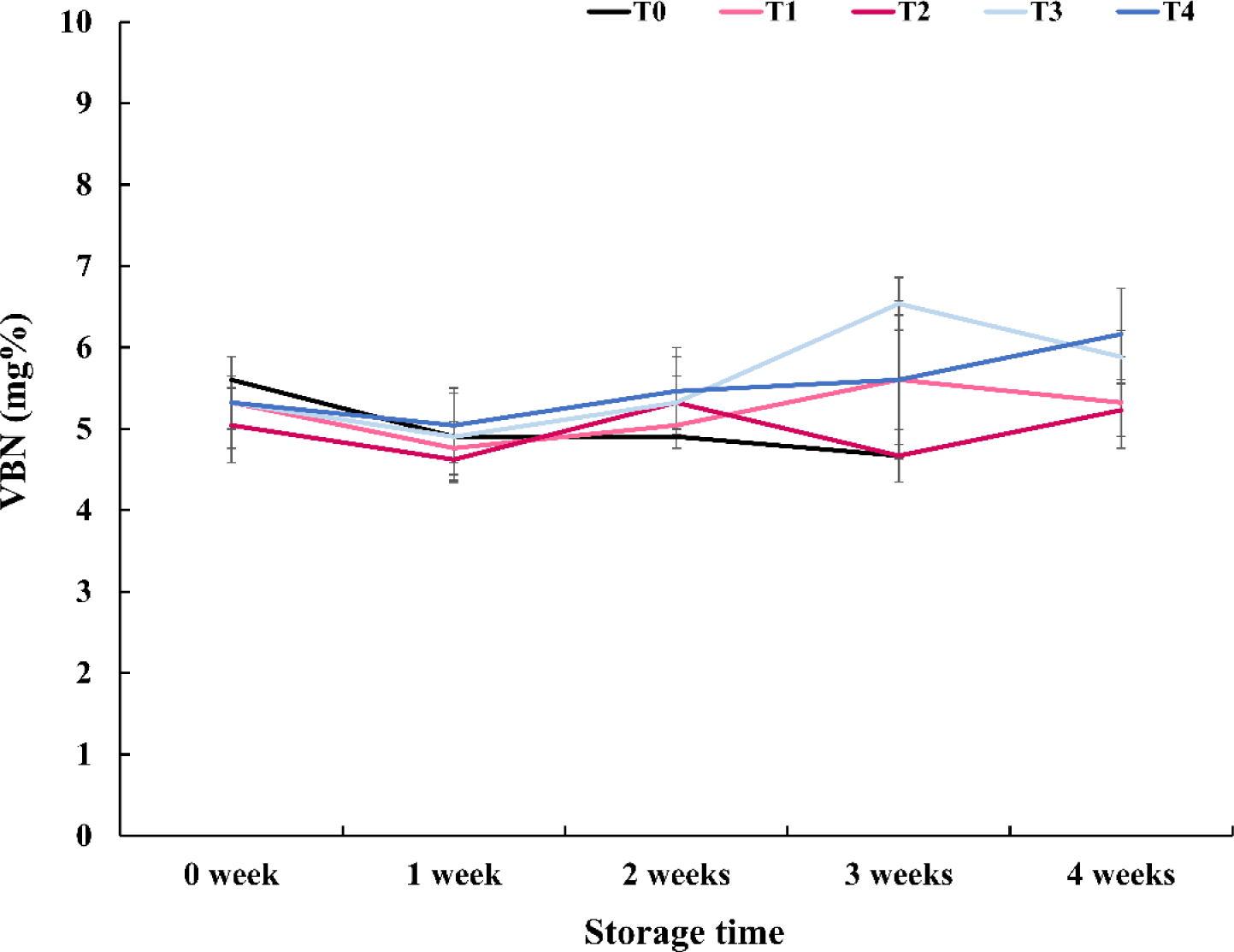
The VBN value of meat products increases due to protein degradation, which can occur by denaturation during processing and microbial activity during storage [33]. Its changes for 4 weeks are presented in Fig. 1. No significant difference was noted between the VBN values of preservative-free and preservative-added sausages at week 0. Moreover, the VBN values of all treatments remained significantly unchanged from the initial value to the value at weeks 4 (p > 0.05). It can be attributed to the effective inhibition of endogenous enzymes and microbial growth during storage due to excessive cooking of sausage [34]. The VBN values of T3 and T4 at 4 weeks (5.88 mg% and 6.16 mg%, respectively) were higher than the value of T0 (5.23 mg%). This could be influenced by the nitrogen in plant extracts, which can form ammonia and other volatile nitrogen compounds. It has been previously reported that the mean nitrogen content in P. guajava leaf is 1.92% [35] and the protein content of E. cava is 11.30% [36]. Nevertheless, the highest VBN value in this study was less than 10 mg%, ensuring the freshness of meat [34].
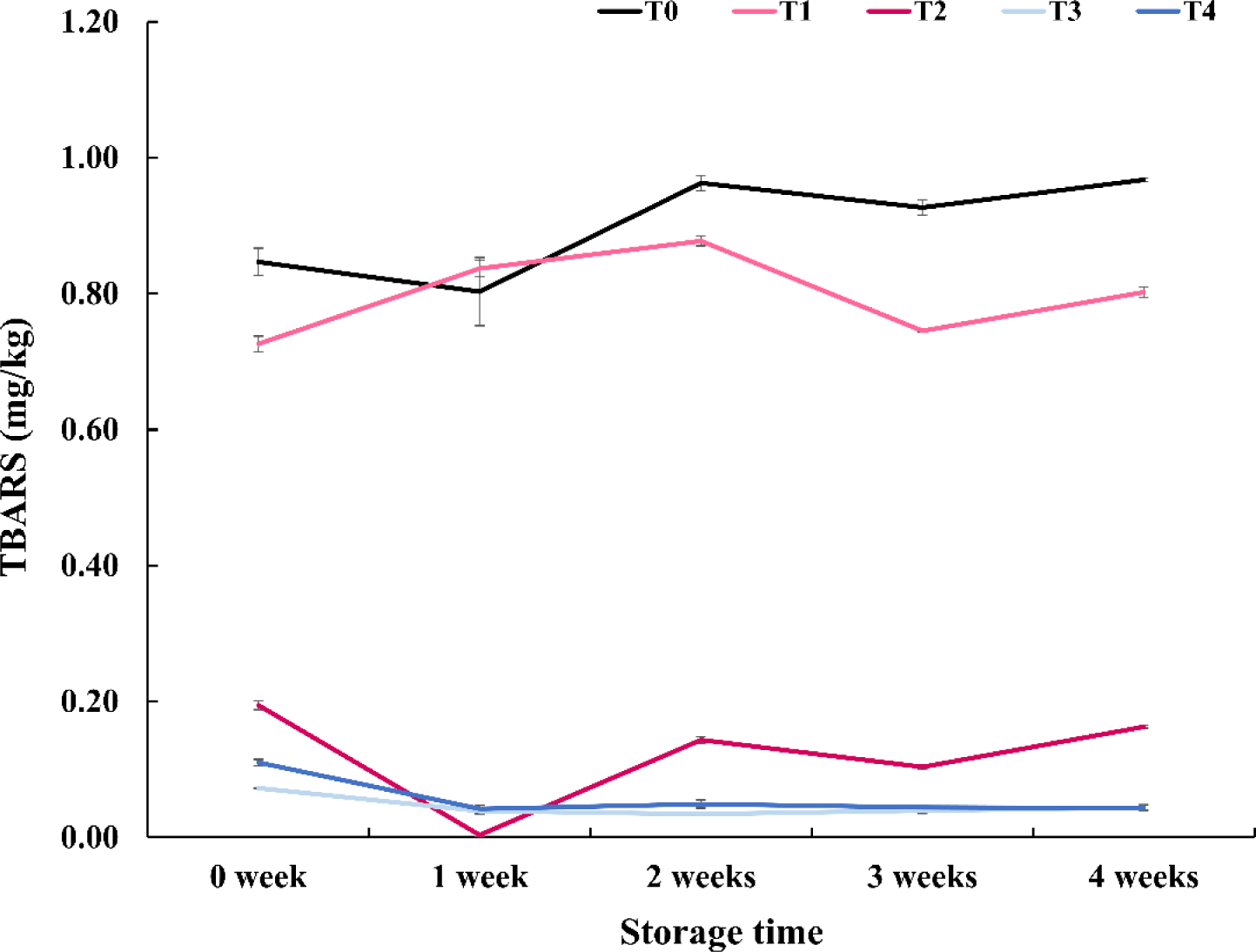
The TBARS values of sausages using natural extract and subsequently subjected to refrigerated storage for 0, 1, 2, 3, and 4 weeks are shown in Fig. 2. Storage duration greatly affects lipid oxidation in meat and meat products. The primary benefit of incorporating natural antioxidants in meat products is the reduced risk of rancidity. According to Woo et al. [4], lipids generate secondary oxidants such as aldehydes on oxidation. Malondialdehyde (MDA) is one such aldehyde that interacts with thiobarbituric acid. Consequently, the TBARS assay was utilized to measure lipid oxidation. Compared to the control and T1, all treatments containing natural extracts displayed lower TBARS values. Natural extract treatment groups T3 and T4 displayed lower TBARS levels than the T2 grapefruit seed extract. This suggests that the preservative synthesized from the natural extract we are studying has a higher content of antioxidants than the commercialized grapefruit seed extract preservative. Woo et al. [4] demonstrated that the optimal mixing ratio had an excellent antioxidant ability, and the same antioxidant effect was confirmed in the treatment that improved the extract yield. Kohsaka [37] suggested that consumers perceive rancidity in meat products at malondialdehyde levels of 0.5 mg/kg. Tarladgis et al. [38] found that trained panels considered TBA values of 0.5 to 1.0 mg/kg in cooked meat products to be acceptable during storage. Greene and Cumuze [39] reported that inexperienced panelists detected off-flavors at TBA values between 0.6 and 2.0 mg/kg. In this study, the TBARS level was 0.2 mg/kg during refrigerated storage in the treatment group with natural extract added; therefore, no rancid odor was produced. Altogether, natural preservatives have better antioxidant ability than synthetic preservatives in sausages containing a large amount of fat.
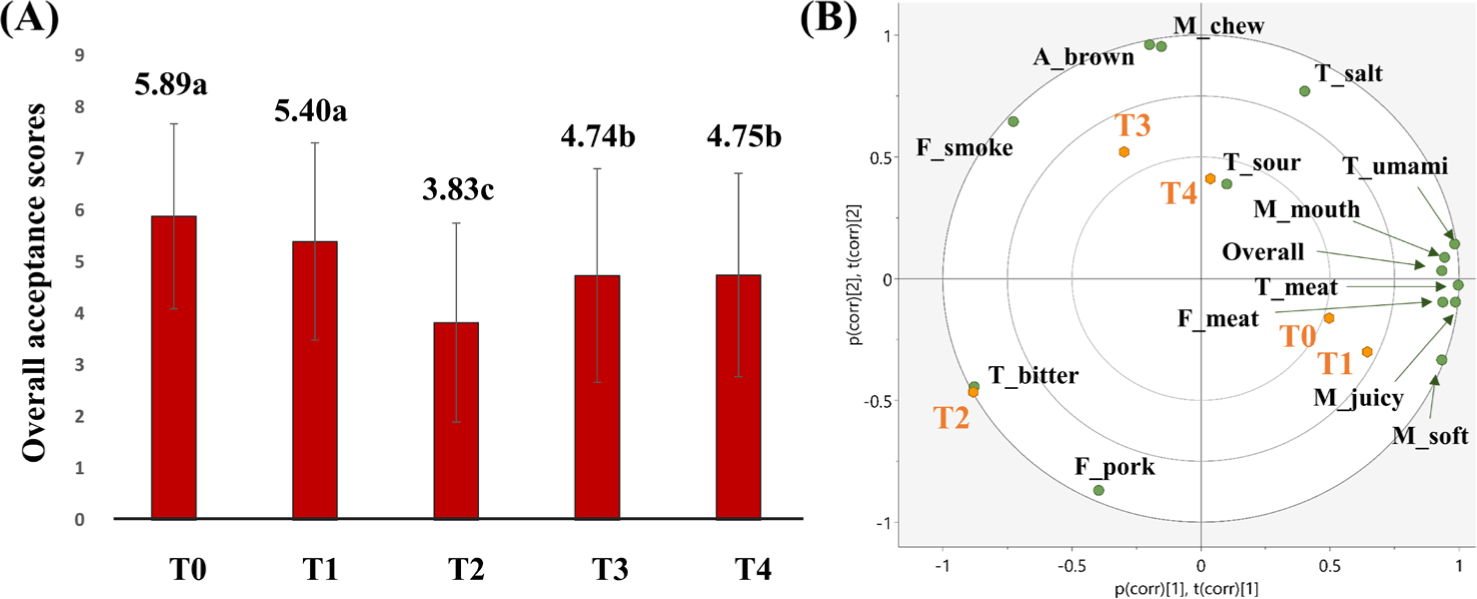
A sensory evaluation was conducted to assess the impact of preservatives for sausage products on their flavor characteristics. Fig. 3 presents the sensory evaluation scores based on Table 6, including the average and standard deviation scores of sausage samples. T0 had the highest overall acceptance score, whereas T2 had the lowest score (Fig. 3A). The RATA scores showed that the sensory characteristics of each sausage were identified using a PCA biplot (Fig. 3B). The biplot explains 87% of the total variation, with PC1 (58% of the variance) and PC2 (29%). The goodness-of-fit of the PCA model was assessed using the R2 value (R2 = 0.876). The biplot provides graphic information on the relationships between variables. The relative positions of variables and observations, which are also plotted on the same diagram, can be interpreted [40]. In the score plot, the overall acceptance was located in the positive direction of T1. Variables, such as umami, mouthfeel, meat flavor, juice, and softness, were positioned in the same direction and in similar locations on the plot. Among the samples, T0, T1, and T4 were located in the same direction of overall acceptance, whereas T2 was in the opposite direction and positioned the farthest away. Strong smoke flavor, pork flavor, and bitterness may have a negative impact on the overall acceptance. T2, in particular, had a strong bitterness among the samples. Additive-free conditions resulted in a high score of overall acceptance. In contrast, preservatives should be added when selling the commercial product to avoid safety issues. Sorbic acid is commonly used as a preservative in sausages and received a high overall acceptance score in this study. However, as a chemical additive, it has raised health concerns among consumers [41]. A grapefruit seed extract, a natural additive, is generally used as a food preservative derived from natural sources in processed meat products [29,42]. In this study, however, it negatively affected the sensory characteristics of the pork sausage. Based on the results, considering both sensory characteristics and overall acceptance scores, T4 sample has the potential as a substitute for sorbic acid, instead of a grapefruit seed extract.
CONCLUSION
This study was conducted to improve the extraction yield of optimized extracts of P. guajava, E. cava, and Paeonia japonica (Makino) Miyabe & Takeda extracts, which have proven antibacterial effects. The extraction yield was able to be improved by 32.53% through ultrasonic extraction, and the storage properties were also improved in the sausage model. The sausage with no additives or with sorbic acid, which is a synthetic chemical additive, displayed high scores in sensory characteristics. However, an alternative is required due to consumer demands or safety reasons. As an alternative, the 0.5% natural preservative extracted using 40% ethanol and ultrasound treatment has been demonstrated to be superior to other substitutes, including a grapefruit seed extract and 0.5% natural preservative extracted using 40% ethanol treatment, in terms of quality and antimicrobial activity during storage.


