

INTRODUCTION
Livestock production systems are increasingly shaped by the combined pressures of infectious diseases and environmental stress, both of which constrain productivity, compromise animal welfare, and challenge sustainability in global production networks. Infectious diseases continue to drive antimicrobial use at the herd and population levels, contributing to antimicrobial resistance risk and emphasizing the need for preventive, resilience-oriented strategies rather than treatment-focused control alone [1,2]. Climate-associated stressors, most notably heat stress, intensify in frequency and duration, leading to consistent losses in growth, reproduction, and milk yield under commercial conditions [3,4]. Nutritional and management interventions have been actively explored as practical strategies to mitigate stress-associated performance losses, particularly in poultry production systems [5]. These challenges are expressed under substantial field heterogeneity, where exposure history, management practices, nutrition, and co-infection structures vary across farms and seasons.
A defining difficulty in livestock health research is that many economically important outcomes, including disease susceptibility, severity, recovery, and performance loss, are inherently polygenic and influenced by environmental and management conditions. These traits are mediated by coordinated responses across several tissues and physiological systems. Although genomics-enabled breeding has delivered major gains in production traits, progress in immune- and stress-related traits has been slower, reflecting the complexity of immune regulation and its sensitivity to environmental and management contexts [6,7]. This has motivated an increasing emphasis on immunogenomics, which conceptualizes immune competence and host resilience, reflecting the ability of animals to maintain stable performance under varying biological and production conditions, as emergent properties of genetic variation acting through regulatory, cellular, and metabolic programs rather than single genes or pathways.
In recent years, substantial investments in functional genomic resources have strengthened the foundations of livestock immunogenomics [8]. Coordinated initiatives for the functional annotation of animal genomes have established standardized frameworks for profiling gene expression and regulatory layers, including chromatin accessibility and DNA methylation, along with metadata standards that support integrative analysis across studies and species [9]. These efforts underscore that immune gene repertoires and regulatory mechanisms must be interpreted within livestock-specific genomic contexts rather than extrapolated directly from human or laboratory model systems [10]. Complementing these initiatives, population-scale regulatory atlases and emerging single-cell reference datasets have begun to resolve tissue- and cell-type–specific immune regulation, improving interpretability by distinguishing compositional shifts from state changes within immune populations [11–14].
Despite the expansion of omics resources, their translation to livestock health management remains limited unless integration is designed around field-relevant endpoints [10]. In production settings, a distribution shift is the rule rather than the exception, reflecting variation in biological and production conditions across populations driven by co-infections, environmental stressors, stocking density, diet composition, and management practices, and these factors confound the single-layer biomarkers [1]. Consequently, single-omics signals often fail to generalize across livestock populations, even when they are statistically robust within individual studies. Integrative approaches provide practical value when treated as a structured pipeline that aligns molecular modules with actionable phenotypes, such as performance, health status, and response to stress, and reduces measurements to compact signatures that remain informative across farms and genetic backgrounds [9].
In animal science, the concept of biological resilience provides a unified framework for addressing these translational challenges. Resilience emphasizes the capacity of animals to maintain function and performance by integrating resistance and tolerance mechanisms rather than focusing solely on pathogen clearance [7]. This framing naturally aligns with multi-omics strategies that capture coordinated immune, metabolic, and regulatory responses over time and across tissues, providing practical targets for breeding, vaccination, and management interventions.
Beyond production systems, livestock immunogenomics increasingly interfaces with cross-disciplinary applications, such as xenotransplantation, where pigs serve as leading donor candidates, and immune outcomes reflect complex, multilayer incompatibilities between donor and recipient biology [15,16]. In this context, xenotransplantation can be viewed as an extreme but informative translational setting that reinforces core immunogenomic principles; immune responses emerging from coordinated regulatory and metabolic programs are highly context-dependent and cannot be explained by a single antigen or pathway [17,18].
In this review, we synthesized computational strategies for omics integration in livestock immunogenomics and examined their applications across three major domains: infectious diseases, environmental stress, and xenotransplantation. We emphasize design principles that improve interpretability and transportability, including phase-aware designs across stages of the response and compartment-resolved sampling across tissues and biological systems, integration of regulatory layers, and explicit reduction of multi-omics outputs to deployable signatures suitable for precision health management and resilience-oriented breeding.
COMPLEXITY OF IMMUNE REGULATION IN LIVESTOCK
Immune regulation in livestock is inherently complex, with substantial variation across species and breeds in immune architecture, receptor diversity, and response. Unlike standardized laboratory models, pigs, cattle, and poultry have been shaped by distinct ecological pressures, as well as production and management conditions. Consequently, livestock species have evolved divergent immune strategies, complicating efforts to identify universal immunogenomic determinants relevant to animal populations [19,20].
Among the major livestock species, pigs are frequently regarded as valuable translational models because numerous aspects of their immune system are similar to human immunobiology. Pigs possess anatomical immune structures, including well-developed tonsils, that are absent in rodents. Comparative studies have suggested a greater overlap between porcine and human immune parameters than between murine and human immune systems [21]. Large-scale efforts toward functional annotation of the porcine immunome emphasize that immune gene repertoires and regulatory features must be interpreted within livestock-specific genomic contexts rather than extrapolated directly from human or mouse reference frameworks [22].
In contrast, cattle exhibit distinct immune adaptations linked to ruminant biology and to early immune development. Bovine immunity is characterized by a high proportion of γδ T cells in the peripheral blood, highlighting the expanded role of innate-like lymphocyte subsets in immune regulation compared to that in humans and rodents [23]. Such differences indicate that the immune pathways and genetic determinants identified in one livestock species cannot be directly transferred to others without accounting for species-specific immune organization.
Poultry provides an additional example of immune specialization, as avian species possess unique lymphoid organs, such as the bursa of Fabricius, and the regulatory mechanisms that shape host defense and vaccine responsiveness differ substantially from those in mammals [24]. Taken together, these interspecies differences highlight the importance of comparative livestock immunology in understanding the variations in disease susceptibility and vaccine outcomes.
Besides interspecies divergence, systems-level resilience, and immunocompetence are influenced by within-species genetic variation and selection history. Host outcomes following infection often reflect a balance between resistance and tolerance mechanisms, which are underpinned by distinct molecular pathways that vary across livestock populations. This perspective provides a conceptual basis for resilience-oriented breeding programs and genetic improvement strategies aimed at enhancing livestock health and sustainable production [25].
OMICS RESOURCES AND CHALLENGES IN LIVESTOCK IMMUNOGENOMICS
Recent advances in high-throughput omics technologies have established an expanding foundation for livestock immunogenomics. Large-scale transcriptomic, epigenomic, and regulatory datasets are becoming increasingly available for major livestock species, providing new opportunities to investigate immune competence, recovery capacity, and stress adaptation in diverse production conditions. However, compared to human biomedical research, livestock immunogenomics remain constrained by incomplete functional annotation, limited immune cell-type reference maps, and persistent challenges in harmonizing heterogeneous datasets generated across breeds, tissues, and management systems.
A major milestone in this field is the Functional Annotation of Animal Genomes (FAANG) consortium, which provides a coordinated framework for mapping functional elements in livestock genomes through the standardized profiling of gene expression, chromatin accessibility, DNA methylation, and regulatory landscapes. The FAANG roadmap has become central to advancing genome-to-phenome interpretation in farm animals while promoting data sharing and metadata standards that are critical for integrative immunogenomics and livestock health research [8]. Subsequent efforts have emphasized the translational value of highly annotated livestock genomes in improving health- and performance-related traits in modern production systems [9].
Beyond consortium-driven functional annotation, genotype–tissue expression atlases have begun to provide species-specific regulatory resources on an unprecedented scale. In pigs, the PigGTEx project generated a comprehensive compendium of genetic regulatory effects across tissues, supporting the systematic investigation of the regulatory mechanisms underlying immune and production traits [13]. Comparable progress has been made in cattle using the CattleGTEx atlas, which integrates multi-tissue transcriptomic datasets to reveal the regulatory mechanisms associated with economically important traits and diseases [26].
Simultaneously, the rapid emergence of single-cell omics technologies has transformed livestock immunology by elucidating immune regulation at the cellular level. A landmark advance in this direction is the recent development of a multi-tissue single-cell expression atlas for cattle, profiling nearly two million cells across diverse tissue types and providing a valuable reference for bovine immunology and genetic improvement [27]. Together, these population-scale regulatory and cellular reference resources represent essential steps toward interpreting immune-associated genomic variants in livestock-specific contexts.
Although genome-scale regulatory resources remain more limited in poultry than in pigs and cattle, single-cell transcriptomic studies of immune-relevant tissues have begun to provide foundational reference frameworks for avian host defense and vaccine responsiveness [28]. These emerging efforts highlight both the opportunities and current gaps in establishing comprehensive immunogenomic atlases across all major livestock species.
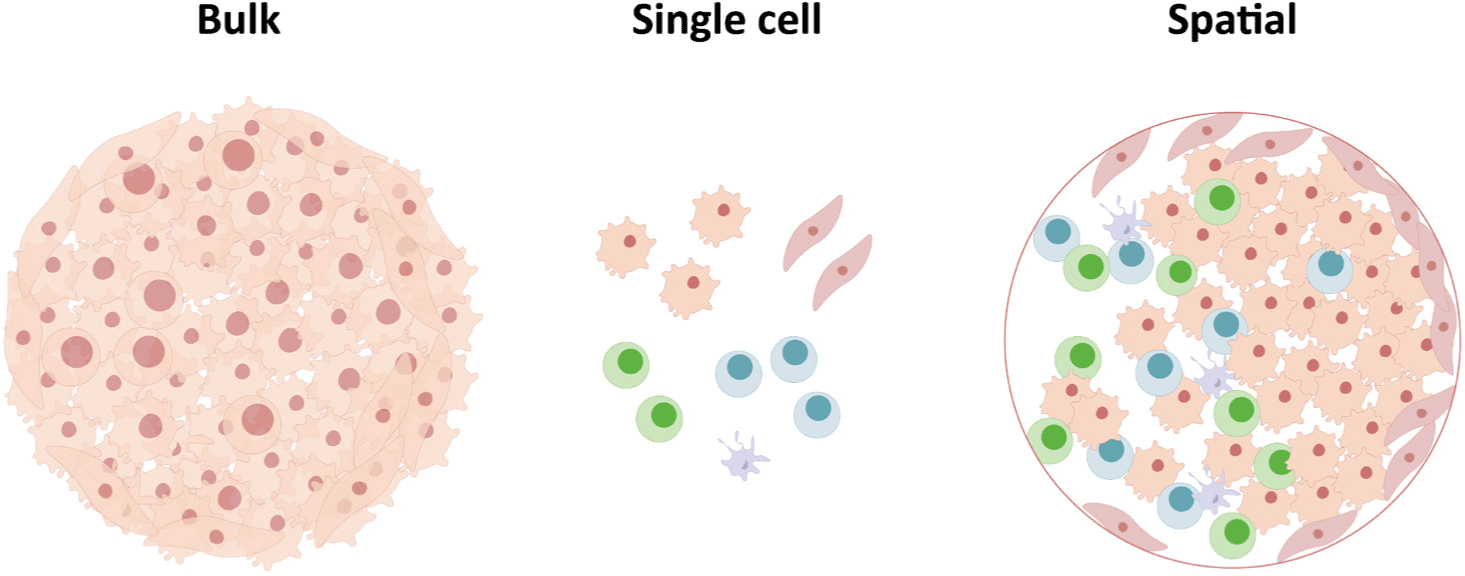
Recently, spatially resolved transcriptomic and multimodal approaches have begun to extend bulk and single-cell livestock immunogenomics by preserving tissue architecture and local immune microenvironments [29]. Fig. 1 highlights how spatial and multimodal omics enable the identification of region-specific immune programs and cell–cell interactions within this spatial context. This figure addresses a key limitation of bulk and single-cell analyses by providing spatial resolution for interpreting localized immune responses. In pigs, a combined single-cell and spatial transcriptomic analysis of fetal skin generated a high-resolution spatiotemporal atlas, revealing tissue-specific cellular heterogeneity and developmental trajectories in situ [30]. Although such applications in livestock remain limited compared to biomedical models, spatial omics provides a bridge between molecular programs identified in bulk or single-cell analyses and their anatomical context, particularly for interpreting localized inflammation, tissue damage, and immune–stromal interactions during infection and stress.
Despite these advances, major challenges continue to limit the translation of omics resources into systems-level immunogenomic understanding. The functional annotation of immune regulatory elements in livestock genomes remains incomplete, particularly regarding enhancers, non-coding functional variations, and lineage-specific regulatory programs [8]. In addition, datasets are often fragmented across breeds, experimental designs, and production conditions, limiting reproducibility and cross-study comparability. These constraints highlight the need for robust integrative strategies that connect regulatory layers, improve mechanistic interpretation, and support resilience-oriented breeding and livestock health management.
Collectively, the growing availability of functional annotation initiatives, genotype–tissue regulatory atlases, and single-cell references highlights a transition point in livestock immunogenomics. Continued development of standardized immune atlases improved functional maps, and integrative computational approaches will be essential for advancing livestock health, enhancing resilience, and enabling cross-disciplinary applications, including xenotransplantation.
STRATEGIES FOR OMICS INTEGRATION
The increasing accumulation of multilayered omics datasets in livestock has shifted immunogenomics from descriptive single-omics profiling to integrative systems-level analyses. However, immune traits in livestock reflect complex interactions among genetic backgrounds, production environments, and multiple molecular regulatory layers, making cross-study synthesis and mechanistic inferences challenging. Therefore, robust computational strategies are essential for translating heterogeneous omics resources into interpretable biological mechanisms that can inform livestock health management, biological resilience, and breeding strategies.
In this review, we have organized computational strategies for omics integration and systems-level interpretation into three broad categories: association-based integration, factor-based integration, and network-based modeling (Table 1). These approaches differ in their primary objectives, with association- and factor-based methods supporting horizontal and vertical integration across populations, tissues, and omics layers, whereas network-based modeling emphasizes mechanistic inference by reconstructing regulatory and interaction structures from integrated datasets and enabling candidate regulator prioritization.
| Category | Core concept | Representative methods |
|---|---|---|
| Association-based integration | Identify cross-omics relationships through association structures and multivariate projections | CCA, PLS, DIABLO [32], PCIT [33] |
| Factor-based integration | Decompose multi-omics datasets into shared latent factors capturing coordinated sources of immune variation | MOFA [34], MOFA+ [35], iClusterPlus [36], SNF [37] |
| Network-based modeling | Infer regulatory and interaction networks to enable mechanistic interpretation of immune phenotypes | WGCNA [38], SCENIC [39], CellChat [40], CellPhoneDB [41], NicheNet [42] |
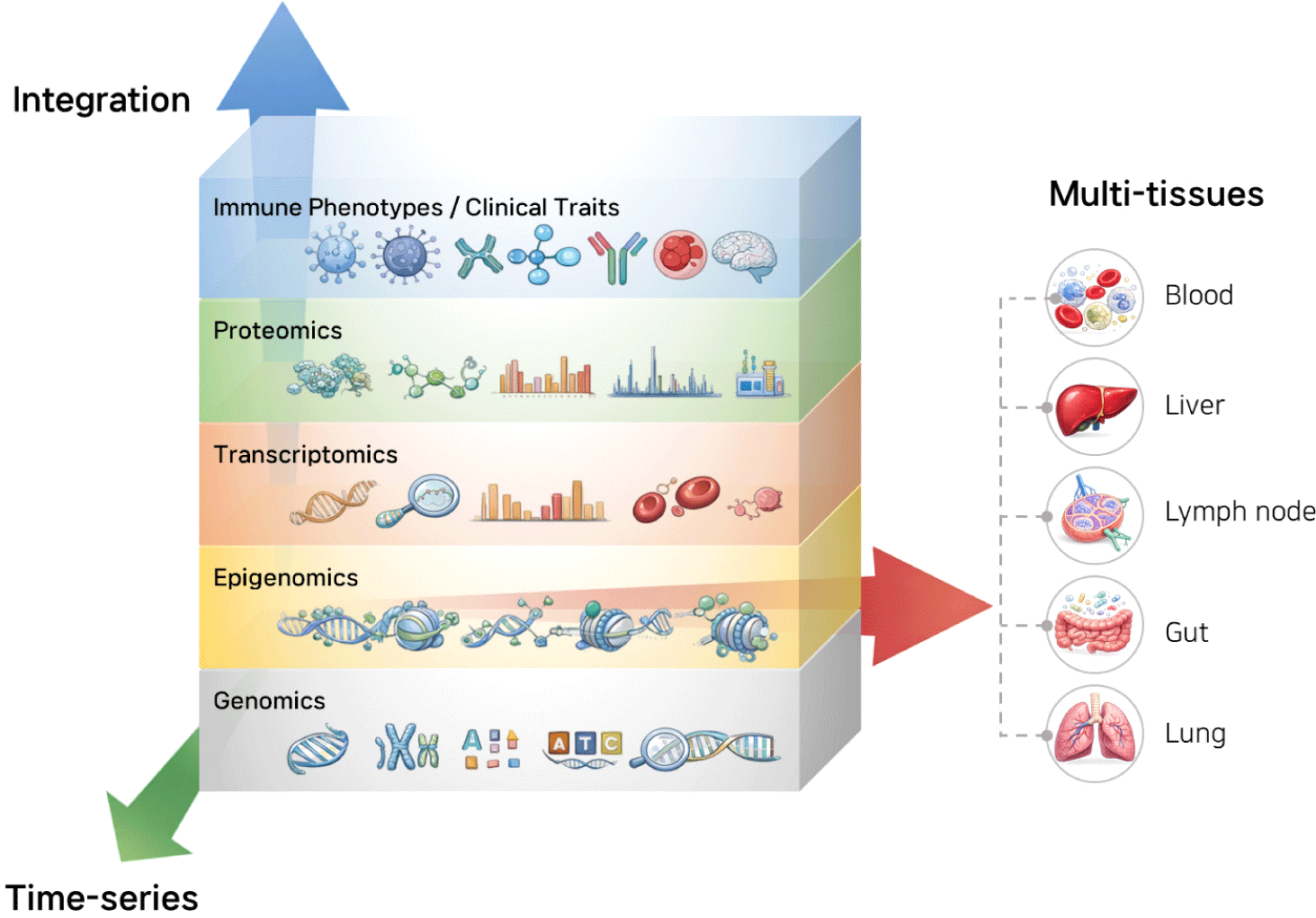
Multi-omics integration can be implemented using both horizontal and vertical strategies. Horizontal integration combines datasets across tissues, time points, breeds, or environmental conditions within the same molecular layer, enabling the identification of conserved immune response patterns and resilience-associated signatures at the population level. In contrast, vertical integration links multiple molecular layers measured in matched samples (e.g., chromatin accessibility with gene expression or transcriptome with metabolome/proteome), to connect regulatory variation with downstream immune phenotypes and functional outcomes. Fig. 2 illustrates this framework of horizontal and vertical multi-omics integration, showing how molecular layers are combined across tissues, time points, and conditions to link regulatory variation with immune phenotypes. This framework supports the interpretation of integrative analyses presented in the following sections. Recently, microbiome has been increasingly emerged as an active participant in continuous crosstalk with both mucosal and systemic immune compartments in livestock, thereby modulating immune competence, disease susceptibility, and production-related phenotypes. Accordingly, integrating microbiome data into multi-omics frameworks is considered beneficial for achieving vertical integration with host omics layers and establishing a holobiont-level paradigm in livestock immunogenomics. Among the molecular layers incorporated into livestock immunogenomic integration, the microbiome exhibits several distinctive data characteristics that require specific analytical consideration. Microbiome layers themselves are hierarchically structured — from taxonomy (phylum to strain) to gene families and metabolic pathways — and span multiple molecular levels (DNA, RNA, protein, and metabolite), so that vertical integration with host omics must accommodate cross-kingdom and cross-scale relationships [31]. These characteristics motivate the use of specialized normalization, dimensionality reduction, and feature selection steps prior to applying the association- and factor-based integration strategies described in the following section.
Within this framework, association-based integration methods identify cross-omic relationships using multivariate association structures and projection models. Canonical correlation analysis (CCA) and partial least squares (PLS)-type frameworks are widely used to map coordinated variations between omics layers. In practice, livestock and biomedical studies frequently implement these ideas using established multivariate integration toolkits (e.g., mixOmics) that support sparse multivariate modeling and supervised multi-omics discrimination. For supervised biomarker discovery across matched multi-omics assays, DIABLO provides a representative association-based framework that selects correlated features across omics layers while discriminating between phenotypic groups [32]. In addition, partial correlation network inference approaches, such as PCIT, aim to remove indirect associations and retain putative direct edges, providing a practical strategy to prioritize candidate immune regulators and interaction structures from high-dimensional data [33].
Factor-based integration approaches summarize multi-omics datasets into a smaller set of latent factors that capture the coordinated sources of biological (and technical) variation. MOFA introduced a general unsupervised factor analysis framework to discover the major axes of variation across multi-omics datasets [34], and MOFA+ extended this strategy to more complex experimental designs and scalable multimodal integration [35]. Related data fusion frameworks include integrative clustering approaches, such as iClusterPlus, which formalizes the joint modeling of multi-type genomic data to discover integrated patterns [36], and Similarity Network Fusion (SNF) [37], which integrates sample similarity networks across data types to produce a fused representation.
Taken together, association- and factor-based strategies provide complementary foundations for horizontal and vertical integration in livestock immunogenomics, with explicit cross-omics association patterns and discriminative signatures. The latter emphasizes shared latent structures that can be leveraged for robust discoveries across heterogeneous datasets.
Although association- and factor-based strategies focus on combining datasets, network-based modeling aims to translate integrated omics signals into mechanistic insights by representing immune regulation as an interconnected regulatory and interaction network. This is relevant for livestock immune traits, which emerge from coordinated activities among transcriptional regulators, signaling pathways, and multicellular communication programs.
A common entry point is co-expression module modeling, in which genes are grouped into modules based on their correlation structure and linked to phenotypes or experimental conditions. WGCNA remains one of the most widely used and interpretable frameworks for this purpose, supporting module detection and hub gene prioritization [38]. Gene regulatory network (GRN) reconstruction methods are used to identify transcription factor target programs for mechanistic regulatory inference. SCENIC is a widely adopted workflow that combines co-expression-based inference with cis-regulatory motif information to derive regulons and cell-state–associated regulatory programs from single-cell RNA-seq data [39].
Beyond intracellular regulation, interaction network modeling increasingly targets cell–cell communication using ligand–receptor signaling frameworks, which can be informative for tissue-specific immune ecosystems under infection and stress conditions. CellChat provides a quantitative framework for inferring and analyzing intercellular communication networks from single-cell transcriptomic data [40], whereas CellPhoneDB offers a complementary approach focused on curated ligand–receptor complexes and statistical enrichment of cell-type interactions [41]. For more causal downstream interpretations, NicheNet links ligands to target gene programs by integrating prior knowledge of signaling and gene regulatory relationships [42].
Network-based modeling provides a critical bridge from integrated multi-omics datasets to mechanistic hypotheses, enabling the identification of immune modules, key regulators, and multicellular signaling programs that underlie immune competence and host resilience in livestock.
APPLICATIONS FOR OMICS INTEGRATION IN LIVESTOCK IMMUNOGENOMICS
Infectious diseases remain a major constraint on livestock productivity and animal welfare, shaping antimicrobial use and resistance at both herd and population scales [43,44]. From an immunogenomic perspective, clinical outcomes arise from interactions between the host genetic background, regulatory and epigenetic states, tissue- and cell-resolved immune programs, immunometabolic configuration, microbiome ecology, and pathogen genetic variation [45]. Single-omics analyses remain highly sensitive to animal-specific exposure histories, management practices, and co-infection structures [46]. Consequently, multi-omics integration has become central to efforts to advance beyond descriptive associations toward mechanistic and predictive models relevant across breeds, production systems, and pathogen lineages.
In livestock systems, infectious disease studies that translate effectively converge on several features [8]. Time-resolved sampling during infection, vaccination, or therapeutic intervention enables the separation of early innate responses from later adaptive programs and recovery trajectories [47]. Compartment-resolved sampling distinguishes local mucosal programs from systemic inflammatory readouts, thus reducing the overinterpretation of blood-derived signals as surrogates of tissue biology [48]. Phenotypes are defined with sufficient granularity to support model identifiability, encompassing pathogen-load dynamics, clinical scoring, lesion severity, and performance metrics such as growth rate and feed efficiency [49]. The integration objectives are specified a priori, including biomarker discovery, resilience prediction, regulator prioritization through network inference, and intervention-target nomination [50]. Under these conditions, integrative analyses have repeatedly identified interpretable immune axes, including interferon signaling, antigen presentation, cytokine coordination, myeloid activation, and lipid-associated immunometabolic remodeling [51].
Immunogenomics-oriented integration differs from multi-omics profiling because the evaluation prioritizes interpretability and utility over the number of profiled molecular layers [45]. In practice, integration links molecular modules to heritable variations and selectable loci, discriminates protective immune programs from immunopathology, and produces compact signatures that are amenable to targeted assays or incorporation into genomic prediction frameworks [52]. Regulatory layers, including DNA methylation and chromatin accessibility, provide practical value because these features capture environment-dependent immune calibration and persistent regulatory remodeling that shape resilience under heterogeneous field exposure [53].
The infectious disease burden in cattle is dominated by complex syndromes expressed with high-field heterogeneity [54]. Bovine respiratory diseases in feed systems and mastitis in dairy cattle are exemplified by host genetics, pathogenic communities, and environmental stressors [55]. Because exposure timing and co-infection structure differ across herds, cattle immunogenomics places a premium on robust phenotyping, portable sampling matrices, and metadata-capturing management determinants [56].
Bovine respiratory disease is a syndromic condition arising from the interactions between viral priming, bacterial proliferation, stress-related immunosuppression, and host inflammatory dynamics [54]. Typical viral contributors include the bovine respiratory syncytial virus and infectious bovine rhinotracheitis virus, whereas typical bacterial contributors include Mannheimia haemolytica, Pasteurella multocida, and Histophilus somni [54]. Integration addresses this complexity by combining pathogen profiling from the upper respiratory tract with host expression in the blood or nasal epithelium and systemic metabolomics [50]. The objective of this study was to construct risk models that separate exposure from progression and identify animals likely to develop severe lesions before clinical deterioration becomes evident [57]. A multi-omics Bovine respiratory disease (BRD) study integrating the genome, transcriptome, and metabolome reported metabolite–gene correlations and an eQTL signal linked to immune gene expression differences between BRD and non-BRD cattle, reinforcing metabolome-linked immune modules as candidates for early risk stratification [58].
Besides diagnostics, integrative immunogenomics has linked susceptibility to heritable factors [52]. When genomic variations are modeled alongside molecular modules, candidate loci are prioritized through functional alignment with immune pathways, including interferon signaling, neutrophil activation, antigen processing, and epithelial barrier regulation [59]. Systems-level modeling is informative because the outcomes are decomposed into colonization pressure, inflammatory intensity, tissue injury, and recovery capacity, each reflected by different molecular layers [50]. Generalization remains a defining evaluation criterion in cattle, motivating multicohort validation and modeling strategies that integrate network inference with the fusion of modalities.
Mastitis reflects interactions among pathogen type, mammary epithelial responses, immune programs, milk composition, and the milk-associated microbiome [60]. Common etiologies include Staphylococcus aureus, Streptococcus uberis, and Escherichia coli, which differ in inflammatory kinetics and tissue injury profiles. Integration links host genetic and regulatory variations with coding and non-coding RNA programs, protein-level effector responses, milk and blood metabolite shifts, and milk microbiome features. The applied objectives include pathogen-aware diagnostics and separation of tolerance programs that preserve tissue integrity from the inflammatory cascades associated with production loss [60].
Cross-layer concordance is valuable in mastitis as it prioritizes candidate regulators associated with subclinical infection and chronicity. Multi-RNA integration reconstructs regulatory networks aligned with innate sensing, cytokine coordination, and epithelial repair, whereas metabolite readouts in milk provide direct insight into the immunometabolic state and mammary tissue stress. Microbiome-aware integration adds value by improving etiological discrimination or identifying dysbiosis–inflammation feedback loops that sustain a disease. For selection programs, the key question concerns the linkage of stable modules to heritable variations in a manner that supports early warning tools or selection indices that complement management interventions. A four-layer integration study in milk somatic cells reported thousands of altered DNA methylation haplotype blocks alongside differentially expressed mRNAs, lncRNAs, and miRNAs, identified latent factors explaining the variation in subclinical mastitis, and proposed a small discriminant separating mastitic and healthy cows, anchoring molecular signals to mammary functional impairment.
Translation in cattle depends on harmonized phenotypes, standardized sampling protocols, and validation across independent herds and seasons [49]. A pragmatic pathway progresses from discovery-stage integration to targeted validation assays, including focused transcript panels paired with targeted proteomics or metabolomics, and is then deployed using surveillance tools and selection features [59]. In field settings, the strongest signatures remained stable after adjusting for confounders and were measurable using routine matrices such as blood, milk, and swabs.
Swine infectious diseases constitute a high-yield domain for integrated immunogenomics because major pathogens generate pronounced inter-individual heterogeneity across genetic backgrounds, production environments, and management [61]. Multi-omics integration is informative in swine, given the availability of controlled challenge systems and large-scale phenotyping under commercial conditions. When aligned with time-resolved clinical and performance endpoints, integrated analyses delineate protective programs from immunopathology and define molecular architectures that remain informative under shifts in biological conditions [62]. Translational progress gains credibility when integration objectives are specified a priori, sampling is structured according to the response phase and anatomical compartment, and outputs are reduced to deployable signatures that are suitable for surveillance and selection [50].
Viral pathogens anchor numerous swine immunogenomics because economically consequential infections exhibit predictable kinetics and a pronounced coupling between immune activation and metabolic remodeling [63]. Porcine reproductive and respiratory syndrome virus (PRRSV) is a canonical benchmark for integrative immunogenomics in swine, as outcomes display substantial heterogeneity and reflect polygenic control modulated by the production environment and baseline immune response [63]. Studies on PRRSV are informative when molecular profiles are aligned with resilience-relevant phenotypes, including viremia trajectories, fever burden, growth performance during infection, and lesion severity [64]. Time-resolved integration of blood and tissue transcriptomes with circulating proteomic and metabolomic profiles enables phase-resolved separation of early antiviral competence from later inflammatory amplification and recovery processes, strengthening interpretability across response phases [45]. Proteotranscriptomic discordance in lymphoid and respiratory compartments implicates post-transcriptional control and effector deployment dynamics, supporting mechanistic attribution and translation assays [65]. PRRSV systems provide a direct bridge to genetic improvement, as multilayer modules that exhibit cross-layer concordance and consistent association with resilience phenotypes are linked to heritable variations and are integrated into prediction and selection frameworks. PRRSV immunogenomic studies have provided representative case examples in which longitudinal integration yielded phase-resolved immune architectures anchored to measurable infection phenotypes. In one such application, a tissue-resolved time-series framework spanning the lung, bronchial lymph node, and tonsil-integrated lncRNA and mRNA dynamics incorporated serum viral load and IgG as phenotype constraints to infer regulatory structures across infection stages [66]. The inferred interaction map highlighted early interferon-inducible antiviral regulation, followed by the emergence of adaptive signaling programs, supporting lncRNA-linked control as an integral component of temporal immunodynamics, rather than a purely descriptive layer. A complementary whole-blood time-series analysis combined RNA-seq with viremia and antibody kinetics and applied cell deconvolution to distinguish leukocyte composition shifts from within-cell activation changes. Network reconstruction revealed systemic modules aligned with viremia-associated antiviral activity, T cell- and NK-linked defense programs, and monocyte- and neutrophil-associated inflammatory signatures exhibiting coordinated attenuation alongside a reduced monocyte proportion. This structure supports interpretable blood-derived signatures that retain phase specificity while remaining compatible with feasible field sampling [67]. Single-cell profiling of bronchoalveolar lavage fluid further delineated the virulence-conditioned remodeling of the airway immune landscape. Highly virulent infections exhibited earlier replication and lesion peaks, characterized by macrophage depletion and lymphocyte influx, whereas intermediate virulence produced a delayed pathology with fewer population disruptions and an increased M2-like macrophage subset at the lesion peak. These cell-state trajectories provide compartment-resolved endpoints suitable for integration with phenotype-linked modules derived from bulk profiling [68]. Host factor validation in gene-edited pigs showed that CD163 domain targeting confers PRRSV resistance, providing a framework for separating the upstream determinants of protection from downstream damage-associated inflammation [65].
Porcine circovirus type 2 (PCV2) highlights the importance of co-infection structure and immune dysregulation in shaping outcomes [69]. PCV2-associated phenotypes often emerge under concurrent infection pressure and stress exposure, rendering single-layer signals vulnerable to contextual confounding [69]. Multi-omics integration provides the greatest value when modules are anchored to clinically meaningful endpoints, such as wasting, lymphoid pathology, and secondary infection burden, rather than isolated inflammatory markers. The incorporation of immune cell composition estimates and regulatory layers is informative in this setting because bulk signals reflect both altered activation states and lesion-driven infiltration [70]. Systems-level analyses of PCV2 infection have identified STAT3-associated regulation as a host factor, and pharmacological inhibition has been shown to reduce viral replication in experimental settings, illustrating the convergence of network inference on actionable upstream nodes [71].
Porcine epidemic diarrhea virus (PEDV) is an intestinal viral model in which mucosal immunity, epithelial integrity, and microbiome-linked metabolism jointly determine pathogen control and recovery of growth performance [72]. The integration of intestinal transcriptomes with microbial functional profiles and metabolomic outputs identified tolerance-associated modules, epithelial repair programs, and metabolite-mediated feedback processes that calibrate the mucosal immune response [73]. Transferable signatures in PEDV often comprise antiviral response components and markers of barrier function and nutrient handling, which reflect the coupling between immunity and intestinal physiology. Host restriction factor studies have identified CMPK2-linked ddhCTP generation as a mechanism that limits coronavirus replication, providing a molecular anchor for interpreting antiviral modules in intestinal tissues. Proteomic and metabolomic profiling of PEDV infection revealed coordinated changes in intestinal metabolic pathways alongside immune activation, aligning barrier disruption with measurable metabolic readouts suitable for reduction to compact panels [74].
Bacterial diseases in swine frequently manifest as polymicrobial syndromes, particularly in the porcine respiratory disease complex, in which immune activation and tissue damage remain difficult to separate using single-layer readouts [75]. Mycoplasma hyopneumoniae-associated pneumonia, Actinobacillus pleuropneumoniae pleuropneumonia, P. multocida bronchopneumonia, and Bordetella bronchiseptica-associated respiratory diseases form a continuum shaped by viral priming, environmental stressors, and baseline immune calibration [61]. Integrated designs that align respiratory pathogen profiles with compartment-specific host responses in the lungs, draining lymph nodes, and blood support the separation of antimicrobial defense programs from injury-dominated signatures [50]. Lung and airway transcriptome studies of M. hyopneumoniae infection have reported a strong induction of chemokine-driven leukocyte recruitment and inflammatory remodeling, consistent with the chronic airway damage risk that confounds protective signaling in bulk profiles [61].
Systemic bacterial syndromes highlight the need for explicit alignment of molecular features with pathology and time. Glaesserella parasuis and Streptococcus suis infections involve complex trajectories, including endothelial activation, immune trafficking, and inflammatory amplification, which contribute to polyserositis, meningitis, and septicemia [61]. Multi-omics integration achieves the highest interpretability when anchored to lesion severity, physiological indices, and temporal stages, reducing the misclassification of infiltration-driven bulk signals as protective immune activity [59]. Proteomic and metabolomic layers add orthogonal resolution by capturing acute-phase responses, handling oxidative stress, and the metabolic cost of inflammation, which are frequently more closely correlated with clinical deterioration and recovery time than transcript abundance [51]. Host transcriptome profiling in S. suis meningitis models has documented robust cytokine and chemokine activation in CNS-associated barriers, supporting a lesion-anchored interpretation when neurological diseases dominate clinical severity. In G. parasuis, porcine macrophage transcriptome responses include inflammatory signaling modules aligned with systemic dissemination phenotypes, supporting compartment-specific signatures rather than relying on blood markers [76].
Intestinal bacterial systems provide complementary insights into host–microbiome–metabolite coupling [73]. Lawsonia intracellularis–associated ileitis and Salmonella enterica infections highlight the interactions among epithelial repair, inflammatory set points, and microbial metabolite flux, which jointly influence tolerance and growth [77]. The integration of intestinal expression, microbiome functional capacity, and metabolomics has identified host pathways that support barrier restoration, microbial functions associated with inflammatory escalation, and metabolite signatures linked to resilience [78]. In piglet disease, enterotoxigenic E. coli provides an additional example of how the mucosal immune tone and metabolic state condition the balance between clearance, dehydration risk, and growth penalty [79]. For L. intracellularis, host-side studies have reported impaired intestinal digestive function with reduced sucrase activity and altered epithelial programs during infection, linking growth penalties to measurable intestinal physiology rather than inflammatory readouts alone [80].
Compartment-resolved sampling is essential for interpretability and deployment [50]. Circulating markers frequently capture the systemic inflammatory tone but do not reliably represent localized antimicrobial programs in the lungs or gut [48]. An integration that links tissue-resolved biology to field-feasible matrices supports the rational selection of portable sampling strategies and accelerates the reduction of compact panels that retain their performance across farms, batches, and genetic backgrounds [52].
Among swine viral and bacterial diseases, multi-omics integration is most compelling when treated as a structured pipeline that prioritizes sampling across different time points, tissue-specific sampling, and explicit reduction of deployable signatures [50]. Robust translation requires the alignment of molecular modules with resilience-relevant endpoints, followed by measurement reduction to compact panels that retain performance across farms, batches, and genetic backgrounds [45]. External validation in independent commercial cohorts is essential, particularly under distribution shifts driven by co-infections, environmental stressors, and management variability [81]. Study designs that incorporate intervention-oriented contrasts, including vaccination response strata, controlled stress modulation, and host factor perturbation, strengthen causal plausibility and reduce reliance on damage-dominated correlates [82]. Collectively, these elements support the development of interpretable biomarkers and predictive features that inform precise health management and genetic improvement of swine production systems [52].
Infectious diseases in chickens include acute respiratory viral infections, systemic and persistent viral infections, and intestinal pathogens that affect distinct tissues and immune cell states [52]. Poultry research benefits from standardized challenge experiments and vaccination protocols, which enable defined perturbation windows for systems-level inference [83]. A persistent translational challenge remains the shifts in biological conditions, as signatures derived under controlled conditions must remain informative under commercial heterogeneity in temperature, stocking density, diet composition, litter management, and background microbial exposure [84].
Respiratory viruses with prominent respiratory involvement, including the infectious bronchitis virus, Newcastle disease virus, and avian influenza virus, provide a compelling rationale for multilayer integration [85]. The disease course reflects the joint contributions of antiviral defense competence and inflammation-driven tissue injury [86]. In the respiratory mucosa, transcriptomic signatures commonly capture interferon-stimulated programs and pattern recognition receptor signaling, whereas proteomic measurements delineate effector deployment and post-transcriptional regulation, including perturbations in antigen presentation machinery and innate effector repertoires [87]. Metabolomic profiles provide orthogonal constraints by quantifying shifts in energy partitioning and lipid remodeling during antiviral inflammation [51]. Multilayer integration enhances the separation of effective controls from immunopathology [86].
Integrative analyses that model respiratory transcriptomes with stress-responsive proteomic and metabolomic features enable stress-conditioned signatures with improved transportability across farms compared to signatures anchored solely to cytokine-centric inflammatory readouts. In a chicken line comparison under NDV challenge, plasma lipidomics delineated infection-associated phospholipid network remodeling and nominated network-level features linked to growth performance traits and infection-response phenotypes, supporting the incorporation of lipid-derived markers into deployable respiratory panels [88].
Systemic and persistent viral infections remain informative because blood-based biomarkers indicate organism-wide immunophysiology [89]. Marek’s disease virus (MDV) exemplifies this regime; the host response is characterized by sustained immunomodulation and proliferative signaling rather than transient cytokine spikes [89]. Multilayer integration across the transcriptomic, proteomic, and metabolomic axes uncovers coordinated modules reflecting immune activation, oxidative stress accommodation, and metabolic resource repartitioning, enabling mechanistically grounded hypotheses for resistance [51]. Single-cell profiling and computational deconvolution strengthen interpretability by separating compositional shifts from state changes within conserved cell fractions [70]. Epigenome-linked analyses of Marek’s disease have reported host genetic line–specific chromatin accessibility and histone modification architectures aligned with immune and oncogenic programs, implicating regulatory control in resistance and persistent phenotypes [53].
Intestinal pathogens and dysbiosis-prone infections necessitate integrative analysis, given the reciprocal interdependence between mucosal immunity, microbial community structure, and immunoregulatory feedback exerted by microbiota-derived metabolites [73]. In infections with S. enterica, Campylobacter jejuni, and Eimeria spp., epithelial barrier integrity and inflammatory programs jointly determine pathogen clearance and microbiome restructuring [78]. To characterize these coupled processes, integrative designs spanning host intestinal transcriptomic profiles, microbial functional profiles, and metabolite outputs are suitable for delineating intervention-relevant determinants, including microbial pathways associated with inflammatory escalation, metabolites associated with tolerance phenotypes, and host regulatory nodes linked to epithelial repair [78].
Vaccination provides a structured perturbation framework that supports systems-level inference [48]. Time-resolved multi-omics sampling around vaccination and subsequent challenges enables the identification of coordinated molecular programs associated with protection, including the concordance of adaptive priming signals with metabolic support programs that sustain rapid effector deployment [90]. Collectively, these results support system vaccinology in poultry by shifting attention from single correlates toward multilayer protective modules, which are subsequently reducible to deployable panels for flock monitoring [48].
Poultry immunogenomics is strategically positioned to deliver deployable tools when discovery-stage integration is combined with systematic measurement reduction [45]. Translational outputs include stress-aware early warning panels, prediction of vaccine responsiveness, and mechanistic nomination of regulators for functional validation [91]. The most transferable signatures typically integrate an antiviral axis with indicators of physiological reserves, including lipid and energy metabolism features, given that these dimensions jointly reflect immune activation and the production-relevant energy cost of the response [51].
Cross-species comparisons clarify which integration strategies are robust, applicable under field conditions, and still under development (Table 2) [59]. These differences indicate that integration strategies should be aligned with species-specific contexts, including the degree of field heterogeneity, availability of controlled challenge models, and feasibility of sampling designs, which collectively influence study design and interpretation. Cattle systems test for robustness under production heterogeneity and, therefore, set a bar for transferability, portable sampling, and metadata completeness. Swine systems emphasize resilient phenotypes and genetic contrasts in response to high-impact viral infections, supporting phase-aware modeling [63]. Chicken systems provide mechanistic clarity through controlled challenges and standardized vaccination, enabling the delineation of perturbation windows.
| Species | Objectives | Phenotypes | Integrative axes | Integration insights | References |
|---|---|---|---|---|---|
| Cattle | Field heterogeneity with variable exposure timing and co-infection structure across herds; syndromic disease contexts (BRD, mastitis) | Lesion severity, production loss, SCC dynamics (mastitis), clinical deterioration vs early risk stratification (BRD) | Immune–metabolic coupling, network inference with modality fusion, selection-relevant heritable linkage | Risk stratification models; compact panels via targeted assays; deployable surveillance tools and selection features | [58] |
| Swine | Controlled challenge systems plus large-scale phenotyping under commercial conditions; pronounced host heterogeneity | Viremia trajectory, fever burden, growth performance under infection, lesion severity, antibody kinetics | Phase-resolved antiviral competence vs inflammatory amplification, cell composition vs activation-state effects, post-transcriptional control/effector deployment | Phenotype-anchored, phase-aware immune architectures; signatures suitable for surveillance and selection after measurement reduction | [65–68] |
| Chicken | Standardized challenge experiments and vaccination protocols; defined perturbation windows | Pathogen-load dynamics, clinical scoring, lesion severity, growth rate / feed efficiency | Interferon signaling, antigen presentation, cytokine coordination, myeloid activation, lipid-associated immunometabolic remodeling | Stress-conditioned, transportable signatures; multilayer protective modules reducible to deployable panels | [88] |
Immune signaling is frequently coupled with metabolic remodeling and combined signatures tend to be more stable than single-layer markers [51]. Compartment-aware sampling remains essential because immune programs diverge between mucosal sites, draining lymphoid tissues, and blood [48]. Translation depends on measurement reduction, explicit validation across production systems, and modeling strategies that remain interpretable in the event of a distribution shift. Evidence from genome–transcriptome–metabolome links in BRD, PRRSV host genetics, multi-omics in pigs, and NDV lipid-network remodeling in chickens provide concrete examples of how immune–metabolic coupling supports deployable signatures when anchored to performance and lesion phenotypes [58,66–68,88]. These findings highlight that the effectiveness of omics integration depends on study designs that appropriately capture systems-specific biological variation and constraints.
Environmental stress in livestock elicits coordinated responses across multiple organ systems, rather than isolated tissue-specific effects [92]. Heat stress in dairy cattle simultaneously disrupts hypothalamic thermoregulation, hepatic metabolism, and mammary function, which remain undetectable when profiling any individual tissue [93]. In beef cattle, thermal stress redirects energy from muscle growth to thermoregulation, necessitating integration across the liver, muscles, and adipose tissues to elucidate the mechanism of growth suppression [94]. Weaning stress in piglets compromises intestinal barriers and triggers systemic inflammation, underscoring the need for gut-blood axis integration [95]. The fundamental limitation of single-omics approaches lies not in any individual technology but in the biological reality that stress responses encompass coordinated changes across molecular layers and anatomical locations [96]. A hepatic transcriptome revealing altered gluconeogenic genes yields insights, but without muscle data, the connection with reduced average daily gain remains speculative [96]. Blood metabolomics demonstrating elevated cortisol levels signify systemic stress; however, without tissue transcriptomics, the mechanisms governing growth suppression remain unclear [97]. Multi-omics integration overcomes these limitations by capturing a complete biological picture from molecular initiation through systemic propagation to production outcomes [98].
Heat stress is the primary environmental challenge faced by dairy cattle, and milk production serves as a key production metric [99]. Fermentative heat production in the rumen, combined with the metabolic demands of high milk synthesis, renders dairy cows susceptible to physiological stress at temperature-humidity index (THI) values that are tolerable for other species [100]. Heat stress depresses milk yield by 20%–30%, with only 35%–50% because of reduced feed intake; the remainder reflects direct metabolic effects that necessitate multi-tissue integration across the hypothalamus-liver-mammary axis for comprehensive characterization [101].
Beef cattle production centers on growth performance; the average daily gain (ADG) and feed conversion ratio (FCR) dictate the economic outcomes [102]. Heat stress is the primary environmental challenge for beef cattle growth, causing chronic productivity losses that far exceed those caused by acute stressors [103]. During the summer months, spanning 3–4 months annually, heat stress suppresses feed intake by 10%–30% as cattle attenuate the heat of digestion, whereas direct metabolic effects compound this reduction [104]. Energy is partitioned away from muscle protein synthesis and toward thermoregulation. Cortisol elevation promotes protein catabolism, and metabolic efficiency declines as panting increases the respiratory energy expenditure [105]. Multi-tissue integration across the liver, muscle, and adipose tissues delineates the coordinated metabolic reprogramming underlying growth suppression.
BRD develops as a complication, and additional growth delays and treatment costs accrue, although the primary impact of transport stress lies in transient growth depression rather than chronic productivity suppression [106]. Multi-time-point blood profiling captures the acute stress trajectory and identifies animals at risk of prolonged recovery or BRD development.
Swine production encompasses physiologically distinct phases with divergent vulnerabilities [107]. Weaning piglets at 21–28 days encounter convergent nutritional, immunological, and social stressors, whereas the gut remains immature, establishing the gut-blood axis as a critical integration target [108]. Growing-finishing pigs (25–120 kg) experience heat stress, which affects carcass composition; the balance between lean tissue and fat deposition determines carcass grade and meat quality, requiring multi-tissue integration across the liver, muscle, and adipose tissue [109]. Breeding sows exhibit summer infertility through both hypothalamic-pituitary-gonadal (HPG) axis suppression and metabolic insufficiency, necessitating reproductive-metabolic integration to distinguish between the direct and indirect effects [110].
Poultry have extreme thermoregulatory constraints, creating exceptional heat stress vulnerabilities [110]. Birds lack sweat glands and rely on panting, which is ineffective at high humidity and induces respiratory alkalosis [111]. Commercial broilers selected for rapid growth generate substantial metabolic heat while possessing a limited dissipation capacity, creating a fundamental growth-thermoregulation conflict [112]. Heat stress initiates a gut-liver-muscle cascade that affects both survival and meat quality. Laying hens face distinct challenges: each egg requires 2–2.5 g calcium mobilization daily, and heat stress perturbs the coordinated ovary-liver-shell gland function underlying both the laying rate and shell quality [113].
Heat stress reduces milk yield in dairy cattle by 20%–30%, with pair-feeding studies demonstrating that only 35%–50% is because of reduced feed intake [114]. The remainder reflects direct metabolic effects that necessitate multi-tissue omics integration. The recommended strategy for mechanistic studies involves simultaneous profiling across the hypothalamus (central thermoregulatory control), liver (metabolic hub), and mammary glands (production tissue), capturing the complete physiological cascade from stress sensing to metabolic adaptation to production outcomes [115].
Hypothalamic transcriptomics has revealed the initiating central response: temperature-sensing channel regulation, altered appetite neuropeptide expression, and hypothalamic-pituitary-adrenal (HPA) axis activation [116]. These central changes account for both reduced feed intake and systemic hormonal alterations that drive downstream responses. Liver transcriptomics and metabolomics provide a central depiction of metabolic reprogramming, including gluconeogenesis and lipogenesis suppression, contributing to milk fat depression, amino acid catabolism, and the acute-phase response [117]. The unique heat stress metabolic signature, elevated BHB without a corresponding increase in NEFA, differentiates thermal stress from the early lactation negative energy balance [118]. Mammary transcriptomics directly investigates the production phenotype, with multilayer integration confirming whether changes in gene expression translate into altered protein abundance and milk composition [119].
Blood-milk integration enables a comprehensive assessment of heat stress using routinely accessible samples. Blood metabolomics was used to characterize the systemic status of glucose, NEFA, BHB, amino acid profiles, and cortisol [120]. The heat-specific pattern of elevated BHB levels without a proportional increase in NEFA levels serves as a diagnostic signature. Milk metabolomics and proteomics reflect mammary responses; for example, HSP70 concentration correlates directly with THI, lactate/pyruvate ratios indicate epithelial stress, and fatty acid profile changes mirror hepatic and mammary metabolism. This integration facilitates the development of on-farm monitoring panels that can be incorporated into existing milk testing services [121]. Paired LC-MS and 1H NMR metabolomics analyses of milk and plasma from heat-stressed Holstein cows enabled the identification of 53 discriminating milk metabolites associated with carbohydrate, amino acid, lipid, and gut microbiome-derived pathways [120]. Cross-correlation of matched milk and plasma metabolite levels indicated that 10 biomarkers—including lactate, pyruvate, creatine, acetone, BHB, trimethylamine, oleic acid, linoleic acid, lysophosphatidylcholine 16:0, and phosphatidylcholine 42:2—were transferred from blood to milk through a heat-loosened blood-milk barrier. Whereas single-matrix metabolomics would have attributed these compounds as either systemic or mammary in origin, only the paired blood-milk approach elucidated their actual route of accumulation and validated milk as a noninvasive readout of systemic heat stress.
Heat stress is the primary environmental constraint on beef cattle growth performance, with economic impacts far surpassing those of acute stress. Although transport stress induces transient growth disruption during feedlot entry, heat stress persists throughout the summer months, causing chronic suppression of the ADG and FCR. The economic magnitude is substantial; ADG reductions of 20%–30%, FCR deterioration of 10%–15%, and market weight delays of 20–40 days translate into annual losses exceeding $369 million in the United States alone.
The physiological basis of heat-induced growth suppression involves multiple interactions. Reduced voluntary feed intake is the primary adaptive response, as cattle mitigate metabolic heat production by reducing heat increments during feeding [104]. However, pair-feeding studies in beef cattle, analogous to dairy research, have demonstrated that reduced intake accounts for only a portion of the growth suppression. Direct metabolic effects include energy redirection from anabolic processes to the thermoregulation of cortisol elevation, promotion of protein catabolism while suppressing protein synthesis, and diminished efficiency as panting augments respiratory energy expenditure. The net result is that the available nutrients are preferentially partitioned away from growth toward stress response and thermoregulation [122].
Weaning is the most acute stress event in commercial swine production, inducing growth depression for 7–14 days and predisposing piglets to post-weaning diarrhea [123]. The convergence of nutritional transition, immunological gap, and social stress, whereas the gut remains immature, establishes the gut-blood axis as the critical integration target, with local barrier damage propagating to systemic inflammation [124].
A previous study revealed that an integration strategy pairs intestinal tissue omics with blood and fecal profiling. Intestinal transcriptomics directly captures barrier status using tight junction genes, mucin genes, antimicrobial peptides, and inflammatory mediators [125]. Multilayer integration within the intestinal tissue confirms whether transcriptional changes translate into functional barrier compromise. Blood transcriptomics captures the systemic inflammatory response triggered by barrier dysfunction and endotoxin translocation. Serum metabolomics has revealed metabolic consequences, including endotoxin-related markers, altered amino acid profiles, and stress hormone elevation [126].
Time-series fecal metabolomics provides noninvasive longitudinal tracking. Sampling from pre- and post-weaning period characterizes the adaptation trajectory [127]. SCFA profiles serve as primary indicators of successful adaptation, marked by the transition from lactate/acetate dominance to adult-type propionate/butyrate patterns [128]. Persistent butyrate depression is correlated with ongoing dysfunction and predicts poor growth.
During the finishing phase, production priorities focus on optimizing carcass composition, specifically the balance between lean muscle yield and fat accumulation, which collectively influence carcass grading, meat quality, and overall economic value [129]. Heat stress alters energy partitioning among protein accretion, subcutaneous fat, intramuscular fat, and marbling [130]. Multi-tissue integration across the liver, skeletal muscle, and adipose tissue. Liver transcriptomics and metabolomics have revealed central metabolic shifts, including gluconeogenesis from amino acids that divert protein precursors, lipid synthesis and VLDL export, which determine fat availability, and the acute-phase response, which competes for synthetic capacity [131]. Muscle transcriptomics addresses lean yield by examining mTOR/IGF signaling versus ubiquitin ligase activity [109]. Depot-specific adipose sampling captures differential regulation; subcutaneous fat influences carcass grade, whereas intramuscular fat determines marbling quality. The integration of these data reveals whether the altered composition results from decreased hepatic nutrient export, changes in muscle uptake, or depot-specific adipose regulation [132]. Growing pigs were exposed to 32°C for five days, and transcriptomic profiling was performed in muscle, adipose tissue, liver, blood, thyroid, pituitary, and adrenal glands. Metabolomic profiling included muscle, liver, plasma, and urine, allowing for a comprehensive analysis of the heat stress response [130]. Cross-tissue mRNA-metabolite correlation analysis revealed pronounced tissue-specific changes, with substantial transcriptional alterations observed in adipose tissue and blood, while the liver showed minimal changes. These findings suggest that adipose tissue, rather than the liver, may serve as a primary site of heat-induced metabolic reprogramming, offering important insights for understanding changes in carcass fat partitioning.
Summer infertility syndrome manifests as delayed puberty, prolonged weaning-to-estrus intervals, reduced conception rates, and smaller litter sizes. The critical question of whether reproductive failure results from direct effects on the HPG axis or secondary metabolic insufficiency requires an integrated approach to reproductive and metabolic processes [133,134].
Ovarian transcriptomics addresses follicular function: steroidogenic enzymes determine hormone production, and gonadotropin receptors determine pituitary signal sensitivity [135]. Serum hormone profiling evaluates the function of the reproductive axis, whereas serum metabolomics characterizes energy status and anabolic capacity [136]. Integrating these assessments allows for differentiation between suppressed reproductive hormones despite adequate metabolic status, which indicates direct effects on the HPG axis, and severely compromised metabolic indicators, which suggest metabolic insufficiency as the primary cause [137]. A multi-omics approach was used to study early-pregnancy sows under chronic heat stress, with simultaneous profiling of blood physiology, endocrine hormones, liver biomarkers, oxidative and inflammatory indicators, and hepatic molecular responses [138]. The analysis revealed upregulation of adrenal hormones such as ACTH and cortisol, suppression of thyroid and reproductive hormones including T3, TSH, LH, and FSH, and evidence of liver dysfunction indicated by elevated AST, ALT, and IL-6, as well as increased HSP70 and HSP90 expression. This comprehensive readout effectively distinguished direct suppression of the HPG axis from secondary metabolic and inflammatory insufficiency, a diagnostic separation unattainable with single-omics or single-axis methods in the context of summer infertility.
Commercial poultry are inherently vulnerable to heat stress [139]. Birds lack sweat glands and rely on panting for evaporative cooling, a mechanism that becomes less effective at high humidity and can induce respiratory alkalosis. Dense feather coverage further impedes heat dissipation [140]. Modern broiler genetics exacerbate this vulnerability, as the selection for rapid growth generates substantial endogenous heat, creating a fundamental conflict between the high metabolism required for growth and the reduced metabolism required for thermoregulation [141]. Chronic sublethal heat exposure reduces feed intake, growth rate, and feed efficiency, and increases the incidence of metabolic myopathies. Laying hens face specific challenges related to calcium metabolism [142]. Daily eggshell formation requires a substantial portion of the calcium reserves of a bird and relies on the tightly coordinated functions of the intestine, bone, and shell gland [143]. Heat stress disrupts this coordination by causing panting-induced alkalosis, reducing dietary calcium intake, and impairing calcium transport in the shell gland, leading to poor shell quality and significant economic losses [144].
Heat stress in broiler chickens initiates a pathophysiological cascade that begins with intestinal damage, progresses through hepatic metabolic alterations, and culminates in compromised muscle growth [145]. Integrative analysis across multiple tissues, specifically the jejunum, liver, and pectoralis major muscle, captures this entire cascade, which ultimately affects breast meat yield and quality [146]. The intestine is the initial site affected by heat-induced blood flow redistribution. Cardiovascular responses prioritize peripheral heat dissipation, leading to reduced Splanchnic perfusion and intestinal hypoxia. Jejunal transcriptomic analysis has revealed a compromised barrier characterized by the downregulation of tight junction proteins, induction of heat shock proteins, and activation of inflammatory pathways triggered by endotoxin exposure [139]. Multilayered integration confirmed functional barrier failure by detecting translocated bacterial products in the bloodstream [147]. Liver transcriptomics and metabolomics have revealed the metabolic consequences of gut-derived endotoxemia. The hepatic response involves the coordinated suppression of productive metabolism and activation of inflammatory acute-phase responses [148]. As the liver is the primary site of lipogenesis in birds, hepatic suppression directly reduces fatty acid availability in the tissues. Integrative analyses confirmed whether the transcriptional changes corresponded to altered metabolite profiles and decreased nutrient export [149]. Muscle transcriptomics and metabolomics directly assess the production phenotype, with the breast muscle serving as the primary commercial product [150]. Integrated analyses have revealed suppressed anabolic signaling, activated protein degradation, and compromised energy statuses [151]. These alterations are predictive of meat quality. Glycogen depletion influences the final pH, whereas lactate accumulation leads to pale, soft, and exudative (PSE) meat. Oxidative stress contributes to the development of wooden breast and white striping defects [152].
Egg production requires the coordinated functions of the ovary, liver, and shell glands for yolk formation, yolk precursor synthesis, and calcium deposition [153]. Heat stress disrupts these processes by activating the HPA axis, causing respiratory alkalosis, reducing feed intake, and direct thermal effects. The integration of data from multiple tissues captures this coordinated dysfunction [154]. Ovarian transcriptomics reveals follicular development and steroidogenic capacity, including the expression of gonadotropin receptors that indicate pituitary sensitivity and steroidogenic enzymes that determine hormone production [154]. These hormones regulate ovulation and the synthesis of hepatic yolk proteins. Heat-induced suppression of ovarian estrogen reduces the signals that drive hepatic yolk protein synthesis, resulting in coordinated dysfunction [155]. Liver transcriptomics was used to examine the supply of yolk precursors. Genes encoding yolk protein precursors provide essential building blocks, whereas those involved in VLDL assembly regulate lipid delivery [156]. Integrating ovarian and hepatic gene expression profiles can help determine whether reduced yolk precursor production is because of suppressed ovarian estrogen signaling or direct effects on the liver [157].
Shell gland transcriptomics directly addresses shell quality by examining the underlying molecular mechanisms [158]. Calcium transport and carbonic anhydrase activity are critical for the delivery of calcium and carbonate necessary for shell mineralization. Heat stress suppresses these functions, whereas respiratory alkalosis reduces the availability of ionized calcium [159]. Multilayer integration confirmed that transcriptional suppression impaired calcium flux. The correlation with physical shell measurements validates the molecular markers that can predict economically relevant outcomes. A representative integrative study profiled the hypothalamus, liver, duodenum, and uterus of 100-week-old Rhode Island Red hens by combining GWAS, transcriptomic, metabolomic, and single-cell RNA-seq analyses [160]. The integration identified significant genomic regions associated with total eggshell weight and eggshell brownness, localized the uterus as the primary tissue driving these traits, and resolved uterine epithelial cells as the key cell population, while linking the eggshell quality phenotypes to specific metabolites including cholic acid, taurocholic acid, stearic acid, and alpha-linolenic acid through hub genes such as CYP7A1 and CALM1. Single-omics or single-tissue analysis would have stopped at either a candidate gene or a candidate metabolite, but the four-tissue cross-omics design connected genotype, cell type, gene expression, and metabolite into one regulatory chain explaining eggshell deterioration in aging hens.
Xenotransplantation is defined as the transplantation of cells, tissues, or organs from non-human animal sources into human recipients and has long been investigated as a potential solution to the limited availability of human donor organs worldwide [161,162]. Pigs have emerged as the most suitable donor species because of their physiological similarity to humans, reproductive efficiency, and ease of genetic modification using established genome-editing technologies [163].
Despite substantial progress, the clinical application of xenotransplantation remains severely constrained by robust immune rejection, which reflects the inherent biological and genetic differences between the immune systems of donor livestock and human recipients, rather than the limitations of immunosuppressive treatment alone [164]. Accordingly, xenotransplantation is increasingly recognized not only as a challenge in transplant immunology but also as a critical translational domain of immunogenomics that necessitates systematic cross-species immune comparison [165].
Early studies identified antibody-mediated complement activation and hyperacute rejection as major barriers, with natural antibodies targeting the α-Gal epitope playing a central role in xenograft failure [166,167]. The generation of α-Gal–deficient genetically engineered pigs substantially reduced the incidence of hyperacute rejection; however, subsequent transplantation studies demonstrated that grafts remained susceptible to delayed vascular injury, inflammation, and progressive immune-mediated damage, indicating that the elimination of a single antigenic barrier was insufficient to ensure long-term graft survival [168,169].
The immune response to xenotransplantation is now understood as a stepwise and dynamic process involving closely connected innate and adaptive immune responses [170]. Early innate immune activation is dominated by macrophages, natural killer cells, and complement cascades, with experimental models showing that this early innate response often shapes the magnitude and trajectory of subsequent adaptive immune activation, particularly under conditions of species-specific mismatches in immune regulatory mechanisms, such as CD47-SIRPα and MHC class I-NK receptor interactions [171,172].
Subsequent adaptive immune responses mediated by T and B lymphocytes contribute to xenograft injury through antigen recognition, antibody production, cytokine release, endothelial activation, and coagulation dysregulation [173,174]. Transplantation studies consistently indicate that these adaptive responses do not operate in isolation but emerge as part of broader, system-wide immune dysregulation, reflecting imbalances in immune regulation between donor livestock and human recipients rather than the action of a single immune pathway [165,175].
Recent studies have emphasized the limitations of approaches focused on individual antigens and highlighted the need for immunogenomic frameworks that integrate immune gene composition, regulatory features, and signaling pathways across species [17,165]. From this perspective, xenotransplantation is a representative translational application of livestock immunogenomics, linking basic immunogenomic research to practical strategies for clinical organ replacement [163,165].
Xenotransplantation is characterized by a wide range of immune rejection responses that develop over time, from early innate immune activation to chronic inflammation, vascular injury, and long-term structural changes in the surviving grafts [176,177]. These immune responses involve the coordinated activation of innate and adaptive immune pathways, accompanied by changes in diverse immune cell populations and molecular signaling processes [178]. This complexity indicates that xenograft immune rejection cannot be sufficiently explained by a single antigen mismatch or a dominant immune mechanism [175].
Conventional immunological markers and single-omics analyses are insufficient to explain the variations in graft survival outcomes observed in xenotransplantation studies [179,180]. Studies have reported cases in which grafts exhibiting comparable levels of conventional immune markers displayed markedly different survival trajectories, highlighting the limited predictive power of isolated immune parameters. Interactions between donor livestock organs and the recipient immune system depend on the biological context, which varies according to organ type, tissue microenvironment, and time after transplantation [175]. Therefore, single-omics approaches capture only partial aspects of xenograft immune responses, underscoring the need for integrated omics strategies that enable a systems-level understanding of immune rejection mechanisms [165]. Representative omics-based studies investigating the immunogenomic features of xenograft immune responses across different organs and transplantation conditions are summarized in Table 3, which are discussed in more details in the following sections.
| Transplant context | Omics approach | Key immunogenomic insights | References |
|---|---|---|---|
| Pig-to-primate / pig-to-human (General) | Bulk transcriptomics | Xenograft rejection is driven by temporally regulated inflammatory, complement, and endothelial activation programs rather than binary immune activation | [15,178] |
| Pig-to-primate heart | Comparative transcriptomics | Long-term graft survival is associated with stabilization of mitochondrial, metabolic, and tissue homeostasis pathways, whereas short-term survival shows enrichment of inflammatory, apoptotic, and heart failure-related gene signatures | [181,182,188] |
| Pig-to-human kidney | Spatial transcriptomics,single-cell transcriptomics,immune phenotyping | Localized immune activation within perivascular and interstitial niches occurs despite preserved global graft function, highlighting tissue microenvironment-specific immune regulation | [183–185] |
| Pig-to-primate / pig-to-human heart | Multi-omics integration (transcriptomics, proteomics,cytokine profiling) | Selective activation of specific immune and immune–metabolic pathways, rather than global immune escalation, underlies cardiac xenograft injury and limits broad immunosuppression efficacy | [176,179] |
Transcriptomic analysis has emerged as a core analytical approach for characterizing the molecular changes associated with xenograft immune rejection [178]. Early studies examining xenograft tissues have revealed a marked upregulation of genes involved in inflammatory signaling, complement activation, endothelial dysfunction, and immune cell recruitment following transplantation [16]. These investigations have demonstrated that immune rejection is driven by time-dependent gene expression patterns rather than simple binary immune activation [15].
Comparative transcriptome analyses using pig-to-primate cardiac xenotransplantation models have refined our understanding by identifying distinct gene expression profiles associated with graft survival [181]. Long-term surviving xenografts show relatively stable expression of genes related to energy metabolism, mitochondrial function, and tissue maintenance, whereas short-term survival is associated with strong activation of inflammatory pathways, complement systems, apoptosis-related genes, and molecular features associated with cardiac dysfunction [181,182]. These survival-associated transcriptional differences provide direct evidence that graft outcomes are linked to the coordinated regulation of immune and tissue homeostatic programs rather than immune activation intensity alone.
Such transcriptomic studies highlight the importance of the molecular characteristics of donor organs in determining post-transplant outcomes and emphasize the need for systematic immunogenomic profiling of livestock donor tissues [175].
To address the limitations of bulk transcriptomic analyses, recent pig-to-human kidney xenotransplantation studies have incorporated spatial transcriptomics, single-cell RNA sequencing, and immune cell phenotyping to capture immune responses at greater tissue levels and cellular resolutions [183]. Studies using clinically relevant gene-edited pig kidneys transplanted into human recipients have demonstrated that grafts can maintain overall kidney function while exhibiting localized immune activity in specific tissue regions.
Spatial transcriptomic analyses have revealed the selective accumulation of T cells, monocytes, and macrophages in the perivascular and interstitial areas, along with the localized expression of inflammatory and immune regulatory genes [184]. These localized immune activation patterns are not fully reflected by peripheral blood immune markers or bulk tissue transcriptomes, highlighting the importance of local immune regulation within graft tissue [185]. These findings support the concept that xenograft rejection is driven by local immune–tissue interactions rather than systemic immune activation alone. Therefore, the integration of spatial and temporal omics data provides a more precise framework for identifying early rejection signals and distinguishing temporary immune activation from progressive graft damage.
The benefits of multi-omics integration have also been demonstrated in pig-to-primate and pig-to-human heart xenotransplantation models [179,186]. Cardiac xenografts are sensitive to immune-mediated injury because of their continuous mechanical workload and high metabolic demand, making them vulnerable to disruptions in the immune–metabolic balance [187].
Several studies have combined transcriptomic, proteomic, immune cell profiling, and circulating cytokine analyses to characterize post-transplant immune responses [188,189]. These integrated datasets consistently demonstrate that rejection-associated immune responses are driven by selective pathway activation rather than the uniform escalation of immune signaling, which helps explain the limited success of broadly acting immunosuppressive strategies [190].
Accumulating evidence indicates that the intrinsic immunogenomic properties of donor livestock hearts influence both the intensity and nature of recipient immune responses, highlighting the importance of pre-transplant molecular profiling of donor organs [191].
Collectively, these studies demonstrate that xenograft rejection arises from complex interactions between donor livestock immunogenomic features and recipient immune responses, involving genomic variation, transcriptional regulation, and network-level immune signaling [192]. Omics integration provides a practical framework for dissecting these multilayered interactions and linking livestock immunogenomic traits to clinically relevant outcomes [193,194].
From a livestock immunogenomics perspective, these findings provide important conceptual and practical insights beyond xenotransplantation. Integrated omics approaches support the rational development of gene-edited donor animals, the identification of organ-specific immune sensitivities, and the discovery of molecular markers associated with extended graft survival [195]. Moreover, these integrative frameworks highlight that immune outcomes are governed by coordinated regulatory and metabolic programs, rather than by single genes or pathways, paralleling the concept of systems-level resilience in livestock. In this context, xenotransplantation serves not only as a translational platform for evaluating immunogenomic mechanisms but also as a model for understanding how systems-level immune regulation can be leveraged to improve animal health, robustness, and productivity in livestock systems.
CONCLUSIONS AND PERSPECTIVES
Livestock immunogenomics has progressed from isolated molecular profiling to integrative analyses capable of capturing immune regulation as a systems-level trait. Across infectious diseases, environmental stress, and xenotransplantation, immune-associated outcomes in livestock consistently reflect coordinated interactions between immune activation, metabolic regulation, tissue integrity, and recovery. These interactions are further conditioned by the genetic background and production environment, which explains why single-layer biomarkers often fail to generalize beyond individual studies. In this context, multi-omics integration is most informative when aligned with production-relevant phenotypes and interpreted within a resilience-oriented framework.
Disease resilience has emerged as a unifying concept linking immunogenomic mechanisms to animal science. Rather than focusing solely on pathogen elimination or acute immune activation, biological resilience emphasizes the ability to maintain performance and return to normal functioning under challenge. Integrative analyses that are time-series, tissue-resolved, and anchored to measurable outcomes, such as growth loss, milk yield depression, fertility disruption, and lesion severity, are better positioned to distinguish protective immune programs from inflammation-associated injuries. Across species, such designs have repeatedly identified coupled immune–metabolic programs as central determinants of robustness under both infectious and environmental stress.
Environmental stress and xenotransplantation further reinforce the importance of systems-level interpretation. Stress responses are expressed across multiple organs and molecular layers and require integration that connects central regulation, metabolic hubs, and target tissues to explain performance outcomes. Xenotransplantation, outside conventional production systems, illustrates the same principle in an extreme setting: immune outcomes are governed by network-level incompatibilities and tissue-local regulatory states rather than single antigens or pathways. Together, these domains highlight the broader relevance of livestock immunogenomics in understanding immune regulation under complex real-world conditions.
Looking forward, the field is facing a shift in emphasis from discovery to deployment. Future progress will depend less on the addition of omics layers and more on improving study comparability, external validation, and biological interpretability. Priority directions include standardized phenotyping and metadata collection under commercial conditions, systematic validation across herds and environments, and explicit reduction of integrated signals into compact signatures suitable for routine sampling. Strengthening the links between immunogenomic modules and heritable variation will be essential for incorporating resilience traits into breeding programs, whereas integration with vaccination and management strategies will support precise livestock health management.
The next phase of livestock immunogenomics is the integration of omics as a translational pipeline, rather than as an exploratory endpoint. When grounded in resilience-oriented phenotypes and evaluated under production heterogeneity, integrated immunogenomics can contribute directly to the sustainable improvement of animal health, welfare, and productivity, while also providing cross-disciplinary applications such as xenotransplantation.


