

INTRODUCTION
Studies indicate that active dry yeast (ADY) enhances growth and production performance in ruminants by increasing feed intake, improving feed digestibility, and bolstering animal immunity [1,2]. As a prevalent probiotic in ruminant feed additives, the functional mechanism of ADY is mainly reflected in maintaining or restoring rumen microbial stability, particularly when high-concentration feeds might induce microecological disorders [1,2].
Currently, the mechanisms by which ADY enhances animal growth and production performance, including effects on dry matter intake (DMI), milk quality, and meat quality, have been widely discussed, and changes in rumen fatty acids (FA) and microorganisms are at least partly involved [2–4]. The rumen is the distinctive digestive organ of ruminants. It hosts a large, complex, and diverse array of microorganisms, among which rumen bacteria are particularly active in lipid metabolism, including fat decomposition, biohydrogenation, and de novo synthesis of FA [5]. Rumen FA include short-chain fatty acids (SCFA, mainly volatile fatty acids (VFA), with fewer than 6 carbon atoms), medium-chain fatty acids (MCFA, with 6–12 carbon atoms), and long-chain fatty acids (LCFA, with more than 12 carbon atoms), among which VFA are the major energy sources for ruminants. VFA mainly come from the fermentation of carbohydrates by rumen microorganisms. Medium-chain and long-chain fatty acids mainly come from the decomposition of dietary lipids by microbial lipase and microbial synthesis in rumen [6]. It was reported that ADY modifies the type and proportion of VFA by altering cellulolytic and lactate-utilizing bacteria in rumen [7–9]. This is mainly because ADY provides a more favorable environment for cellulolytic bacteria, and the metabolites produced by ADY support the growth and function of lactate-utilizing bacteria [2]. Our prior studies suggest that gastrointestinal medium-chain FA may participate in the regulation of appetite-related hormones (such as ghrelin), thus increasing DMI in finishing bulls fed with ADY [3,4]. Additionally, ADY influences the rumen biohydrogenation processes of monounsaturated (MUFA) and polyunsaturated fatty acids, potentially crucial for altering FA composition in meat and milk [10–12]. However, the extent to which ADY affects and participates in FA metabolism through its interaction with rumen bacterial communities remains to be conclusively established.
To date, studies on the impact of ADY on rumen medium- and long-chain FA are scarce. Therefore, this study aims to establish a basis for investigating the mechanisms by which ADY supplementation enhances rumen FA metabolism. It evaluates the effects of ADY on rumen fermentation parameters, medium- and long-chain FA, and rumen bacterial community diversity in finishing bulls. Additionally, it explores the correlations between changes in rumen bacteria and FA.
MATERIALS AND METHODS
The trial was conducted from November 2020 to February 2021 at Longjing Mule Animal Husbandry, Jilin Province, China. ADY (Levucell SC, Saccharomyces cerevisiae CNCM I-1077, viable count ≥ 8.0 × 10⁹ CFU/g) was purchased from Lallemand Animal Nutrition Company.
Twenty Yanbian cattle (bulls) weighing 485 ± 38 kg were divided into two groups (control and treatment groups, each consisting of 10 bulls) using a completely randomized design. The control group (CON) was fed a basal diet. The treatment group (ADY) received a basal diet supplemented with ADY. ADY was top-dressed onto the treatment diet at the manufacturer’s recommended dosage of 1.0 g/bull/day throughout the trial. The trial lasted 100 days, including a 10-day adaptation period and a 90-day experimental period. Prior to the trial commencing, all bulls were dewormed and tethered in tie stalls using neck straps. The bulls were provided with total mixed ration at 05:00 and 17:00 every day, and fresh water was available ad libitum throughout the trial. The ingredient and nutrient composition of the basal diet is shown in Table 1.
Supplied per kilogram of product. Fe, 500 mg; Cu, 1,000 mg; Zn, 2,400 mg; Mn, 1,500 mg; I, 10 mg; Co, 7 mg; Se, 45 mg; vitamin A, 500,000 IU; vitamin D, 150,000 IU; vitamin E, 400 mg.
During the trial period, feed samples were collected regularly by the quartering method, and all samples were evenly mixed. Meanwhile, fecal samples (approximately 200 g) were collected from the rectum after the morning feeding for seven days before the end of the experiment. The fecal samples from each bull were mixed. The collected feed and fecal samples were dried at 65°C for 72 hours, and then ground to pass through a 1-mm screen for analysis of apparent digestibility. At the end of the trial, following a 12-hour fast, all bulls were transported by truck to a commercial slaughterhouse (Yanji, Jilin Province, China) for slaughter. Rumen fluid samples were collected after slaughter and filtered through four layers of gauze for the analysis of fermentation parameters, medium- and long-chain FA composition, and 16S rRNA gene sequences.
The feed and fecal samples were analyzed for dry matter (DM), organic matter (OM), ether extract (EE), neutral detergent fiber (NDF), and acid detergent fiber (ADF) according to AOAC methods [13]. Apparent digestibility was determined using acid-insoluble ash (AIA) as an endogenous indicator, as described by Diao et al. [14].
The pH value of rumen fluid was instantly determined after collection using a rapid pH analyzer (ST3100, Ohaus). Lactic acid content was measured by a UV-visible spectrophotometer (UV759CRT, Shanghai Yoke Instrument) according to Luan et al. [15]. Additionally, a volume of 1 mL of rumen fluid was mixed with 0.2 mL of 25% (w/v) metaphosphoric acid solution containing 2-ethylbutyrate and centrifuged at 10,621×g for 15 minutes for VFA analysis by a gas chromatograph (GC-1120, Sunny Hengping Instrument) [15]. The contents of medium- and long-chain FA in the basal diet and rumen fluid were measured by capillary gas chromatography, as described by O’Fallon et al. [16].
The TGuide S96 Magnetic Soil/Stool DNA Kit (Tiangen Biochemical Technology) was used to extract total microbial DNA from rumen fluid samples. 16S rRNA gene sequencing was conducted as previously described [17]. DNA purity and concentration were measured using the multi-mode reader. After the quantitative measurement of DNA samples, a total of 16 samples were qualified (eight samples in each group). The full-length 16S rRNA gene was amplified using the universal primers: 27F (5’-AGRGTTTGATYNTGGCTCAG-3’) and 1492R (5’-TASGGHTACCTTGTTASGACTT-3’). The polymerase chain reaction (PCR) system and cycling parameters were as previously described [17]. PCR amplification products were measured by Qubit 4 (Thermo Fisher Scientific), then purified, quantified, and homogenized to construct an amplicon sequencing library [18]. The marker genes were sequenced on a PacBio Sequel II platform (Pacific Biosciences).
The sequence data processing and analysis of this study were carried out with the support of BMK Cloud (Biomarker Technologies). Briefly, raw reads were processed using SMRT Link (v.8.0) to generate circular consensus sequencing (CCS) reads (minPasses ≥ 5; minPredictedAccuracy ≥ 0.9). The CCS reads were then demultiplexed and assigned to samples by barcode using Lima (v.1.7.0). Cutadapt v.2.7 (maximum error rate, 20%) was used to remove primers and reads outside the 1,200–1,650 bp length range. For obtaining clean reads, the UCHIME algorithm (v.8.1.3) was used to detect and remove chimera sequences [19]. Subsequently, sequences with ≥ 97.0% similarity were clustered using USEARCH (v.10.0) to obtain operational taxonomic units (OTUs), and OTUs with relative abundance < 0.005% were filtered out. Taxonomic annotation of the OTUs was performed using the Ribosomal Database Project classifier (v.2.2.4) against the SILVA database (release 132), with a confidence threshold of 80% [20, 21]. OTU abundance data were rarefied to the sequencing depth of the sample with the fewest sequences. Alpha diversity and beta diversity were then analyzed using the rarefied data [18]. The raw data from 16S rRNA gene sequencing have been deposited in the NCBI database under accession number PRJNA949540.
The Venn diagram was displayed with R v.3.1.1 (VennDiagram v.1.6.9) [22]. Taxonomic abundance profiles were generated using QIIME 2 (v.2020.6) and visualized using Python 2 (matplotlib v.1.5.1). The alpha-diversity indices calculated using QIIME 2 (v.2020.6) included Chao1, the abundance-based coverage estimator (ACE), Shannon, and Simpson indices [23]. The difference in alpha diversity between the two groups was tested by one-way ANOVA, and the box plots of alpha diversity indices were obtained using R v.3.1.1 (picante v.1.8.2). Non-Metric Multidimensional Scaling (NMDS) based on Bray–Curtis distances was performed using QIIME v.1.8.0 (nmds.py), and permutational multivariate analysis of variance (PERMANOVA) was used to test differences in beta diversity between the treatment groups [24].
For the data of apparent digestibility, rumen fermentation parameters, and rumen medium-chain and long-chain fatty acids, the Shapiro-Wilk test was used to determine whether the data followed normal distribution. For the data with a normal distribution, one-way ANOVA was performed, while for the data with non-normal distribution, the Mann-Whitney test was used to determine the significance of the difference. All the above data were analyzed using SPSS Statistics v.21.0. A p-value of ≤ 0.05 indicates a significant difference, while differences with 0.05 < p ≤ 0.1 are considered trends.
Differential abundance at the genus and species levels was analyzed using the Wilcoxon rank-sum test in Python 2 (SciPy v.0.14.1) [25]. Pearson correlations were calculated between the relative abundances of differentially abundant rumen bacterial genera and FA proportions in rumen fluid. Correlation heat maps were visualized using Origin v.9.8.0 (CorrelationPlot) [26]. The correlation coefficient ranges from −1 to +1, representing a spectrum from strong negative to strong positive correlation. Correlations with p < 0.05 and p < 0.01 are considered significant and extremely significant, respectively.
RESULTS
As shown in Table 2, ADY tended to increase the apparent digestibility of NDF (p = 0.063), whereas it did not influence the apparent digestibility of DM, OM, ADF, and EE (p > 0.05).
| Items | CON1) | ADY2) | SEM | p-value |
|---|---|---|---|---|
| DM | 68.82 | 71.73 | 0.919 | 0.116 |
| OM | 74.24 | 76.76 | 0.776 | 0.107 |
| NDF | 53.32 | 57.34 | 1.205 | 0.063 |
| ADF | 45.13 | 49.51 | 1.609 | 0.180 |
| EE | 72.06 | 74.42 | 1.678 | 0.853 |
As shown in Table 3, compared with the CON group, the proportion of propionate in the ADY group increased significantly, while the ratio of acetate to propionate decreased significantly (all p < 0.05), and the proportion of isovalerate showed a downward trend (p = 0.083). However, ADY did not significantly impact the pH, concentrations of lactic acid, total VFA, or the proportions of other VFA (p > 0.05).
As shown in Table 4, twenty-one types of FA were identified in this study. Additionally, ADY significantly increased the proportions of oleic acid (C18:1n9c), linoleic acid (C18:2n6c), eicosenoic acid (C20:1), and total MUFA (p < 0.05), tended to increase total FA concentration (p = 0.095), decreased the proportion of arachidic acid (C20:0) (p < 0.05), and tended to decrease the proportions of pentadecenoic acid (C15:1) and saturated fatty acids (SFA) (p = 0.095 and 0.065, respectively). No significant effects were observed on the other FA (p > 0.05).
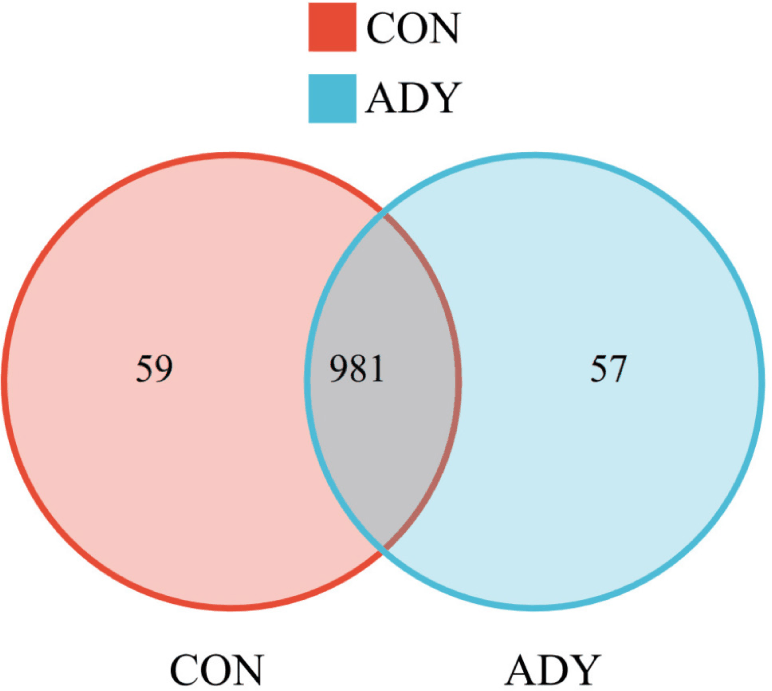
A total of 1,097 OTUs from 16 samples were obtained by performing OTU clustering on nonrepetitive sequences based on 97% similarity. The results from the OTU analysis were used to generate Venn diagrams (Fig. 1), which illustrate the quantities of OTUs shared or unique between different groups. The total numbers of OTUs in the CON and ADY groups were 1,040 and 1,038, respectively, with 981 mutual OTUs between the two groups, representing 89.43% of all OTUs.
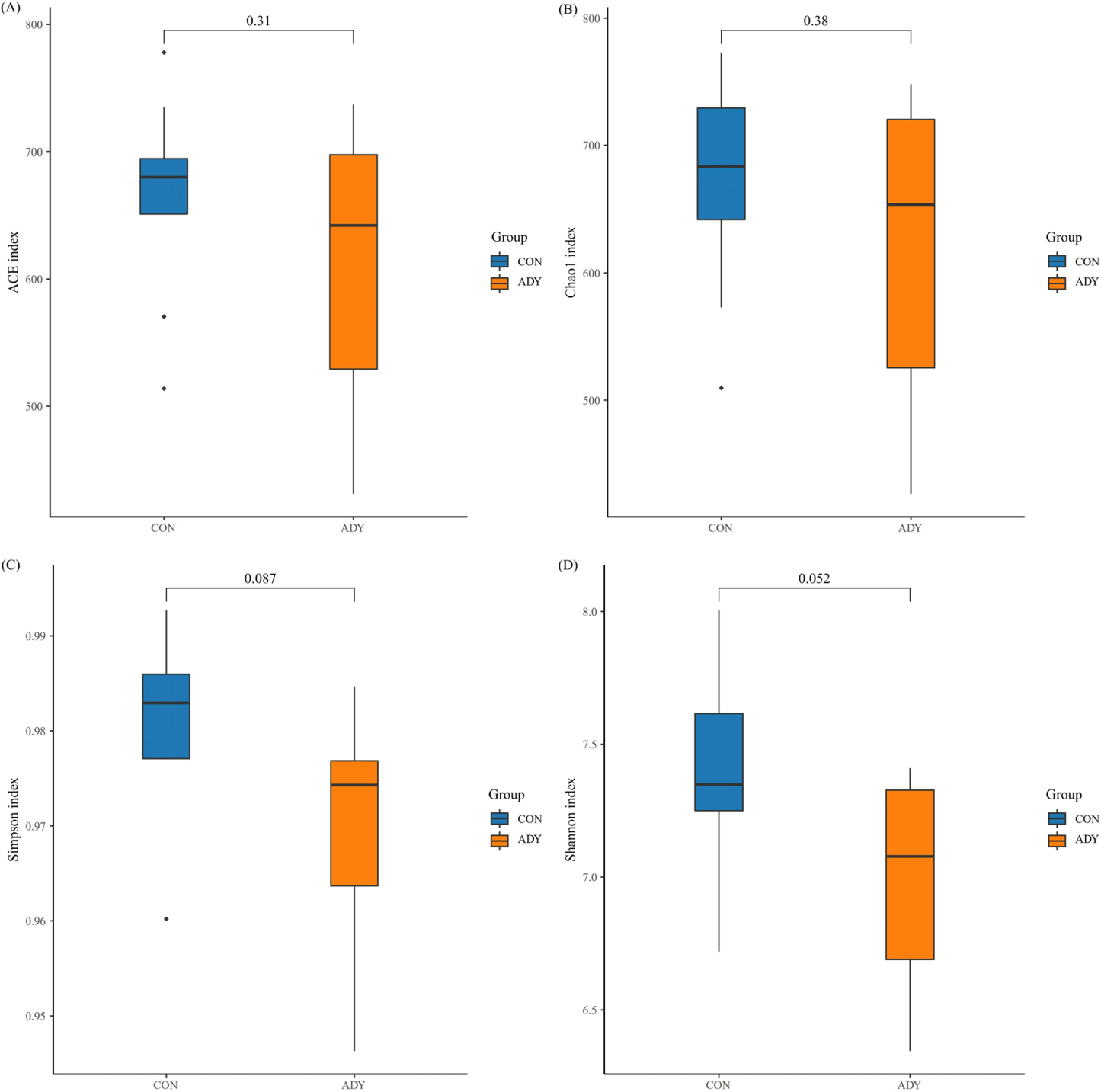
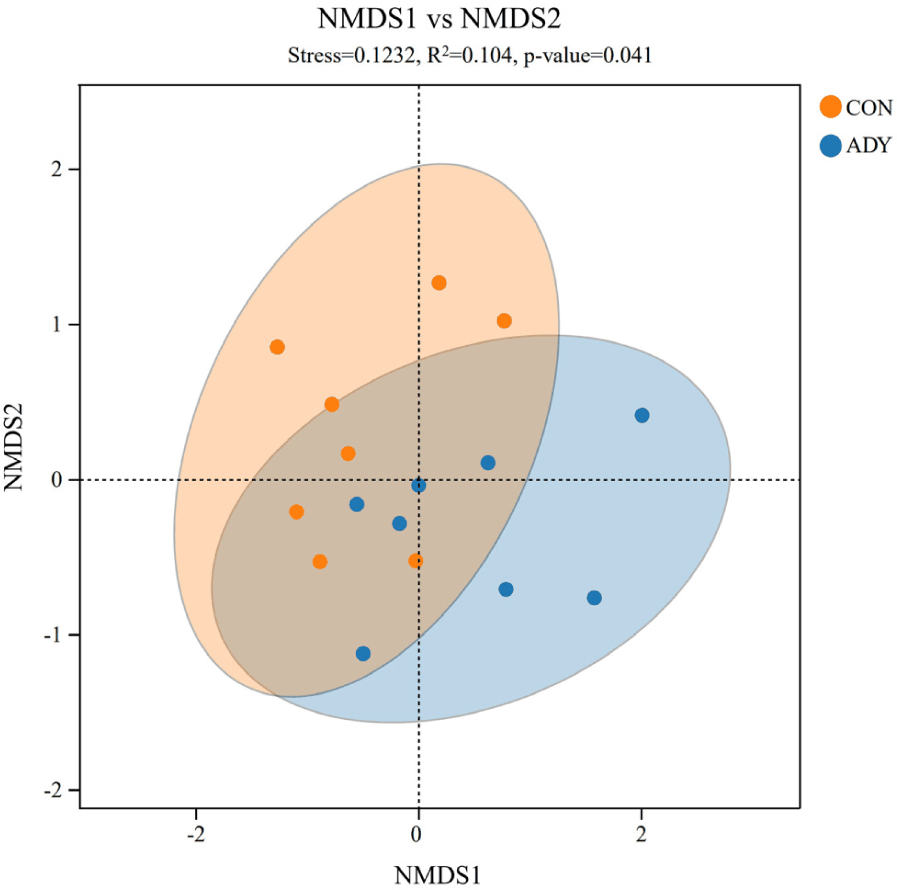
The alpha diversity indices of the rumen bacterial community are shown in Fig. 2. Although the ACE and Chao1 indices demonstrated no significant differences between the two groups (p > 0.05) (Figs. 2A and 2B), ADY supplementation tended to lower the Simpson (p = 0.087) and Shannon (p = 0.052) indices (Figs. 2C and 2D). Beta diversity was employed to compare the bacterial communities across the groups using NMDS analysis based on Bray-Curtis distance (Fig. 3). NMDS plots indicated that the points representing rumen fluid microbiota in the two treatments were distinctly separated (PERMANOVA: R2 = 0.104, p = 0.041).
At the phylum level, Firmicutes (CON vs ADY = 73.89% vs 71.39%) and Bacteroidetes (CON vs ADY = 16.53% vs 19.73%) were the dominant bacterial phyla in the CON and ADY groups (Fig. 4A). In addition, Ruminococcaceae (CON vs ADY = 21.42% vs 21.34%), Lachnospiraceae (CON vs ADY = 19.84% vs 17.69%), Acidaminococcaceae (CON vs ADY = 10.35% vs 15.11%), Christensenellaceae (CON vs ADY = 14.02% vs 6.89%), and Rikenellaceae (CON vs ADY = 7.17% vs 7.29%) were also dominant in the CON and ADY groups at the family level (Fig. 4B). The dominant bacterial genera mainly included Succiniclasticum (CON vs ADY = 10.34% vs 15.05%), Christensenellaceae R-7 group (CON vs ADY = 13.95% vs 6.87%), Rikenellaceae RC9 gut group (CON vs ADY = 6.77% vs 7.05%) (Fig. 4C). The dominant bacterial species mainly included uncultured bacterium Christensenellaceae R-7 group (CON vs ADY = 13.81% vs 6.74%), uncultured bacterium Rikenellaceae RC9 gut group (CON vs ADY = 7.85% vs 11.46%), and uncultured bacterium Succiniclasticum (CON vs ADY = 6.78% vs 7.03%) (Fig. 4D).

Furthermore, the Wilcoxon rank-sum test was used to identify differentially abundant bacterial taxa at the genus and species levels between the two treatments (Fig. 5). The relative abundances of Ruminococcaceae UCG-002, FD2005, Lachnobacterium, Schwartzia, Schwartzia succinivorans, uncultured bacterium Ruminococcaceae UCG-002, Lachnobacterium bovis, uncultured bacterium FD2005, Solobacterium sp., and Desulfovibrio sp. were increased in the ADY group (p < 0.05). In contrast, the relative abundances of Christensenellaceae R-7 group, Ruminococcaceae UCG-010, Lachnospiraceae AC2044 group, Coprococcus 1, uncultured bacterium Ruminococcaceae (genus), Lachnospiraceae UCG-006, uncultured bacterium Christensenellaceae R-7 group, uncultured bacterium Ruminococcaceae UCG-010, uncultured bacterium Lachnospiraceae AC2044 group, uncultured bacterium Coprococcus 1, uncultured bacterium Ruminococcaceae (species), and uncultured bacterium Lachnospiraceae UCG-006 were decreased in the ADY group (all p < 0.05).

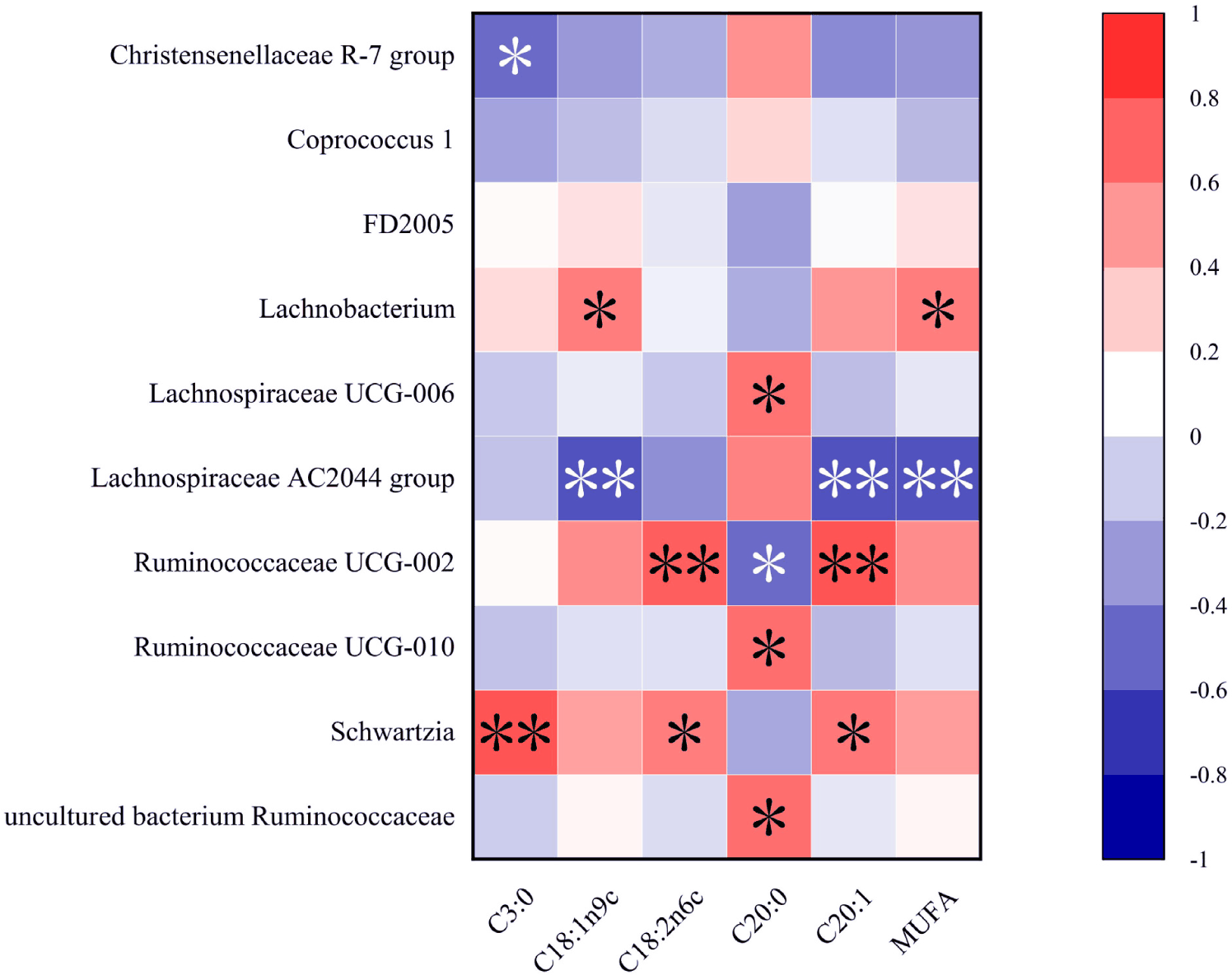
Pearson correlation analysis between the relative abundances of differentially abundant bacterial genera and rumen fluid FA proportions was shown in Fig. 6. Christensenellaceae R-7 group (r = −0.57; p < 0.05) was significantly correlated with C3:0. Schwartzia was positively correlated with C3:0 (r = 0.67; p < 0.01), C18:2n6c (r = 0.50; p < 0.05), and C20:1 (r = 0.53; p < 0.05). Lachnobacterium was positively correlated with C18:1n9c (r = 0.51; p < 0.05) and total MUFA (r = 0.51; p < 0.05), whereas Lachnospiraceae AC2044 group was negatively correlated with C18:1n9c (r = −0.68; p < 0.01), C20:1 (r = −0.68; p < 0.01), and total MUFA (r = −0.68; p < 0.01). Furthermore, Lachnospiraceae UCG-006 (r = 0.55; p < 0.05), Ruminococcaceae UCG-010 (r = 0.56; p < 0.05), and uncultured bacterium Ruminococcaceae (r = 0.58; p < 0.05) were noticeably correlated with rumen C20:0. Ruminococcaceae UCG-002 was notably correlated with C18:2n6c (r = 0.64; p < 0.01), C20:0 (r = −0.56; p < 0.05), and C20:1 (r = 0.68; p < 0.01).
DISCUSSION
ADY (Saccharomyces cerevisiae CNCM I-1077), a commercially available yeast product, is widely used in ruminant farming. Our companion studies have demonstrated the impact of ADY on growth performance, meat quality, and serum indices of finishing bulls [4,27].
The current research revealed that ADY notably increased the proportion of propionate and decreased the ratio of acetate to propionate, consistent with previous findings [8,9,28]. ADY can increase propionate production in the rumen by stimulating lactate-utilizing and VFA-producing bacteria through its metabolites, which may increase the availability of glucogenic substrates to the host [2]. This is because propionate is the main source of glucose supply for ruminants and the key precursor of gluconeogenesis. Propionate is rapidly absorbed through the rumen epithelium and used as an energy source [29]. Furthermore, ADY supplementation significantly enhanced the proportions of C18:1n9c, C18:2n6c, C20:1, and total MUFA in rumen fluid. ADY can influence biohydrogenation through the modification of rumen microorganisms, thereby increasing the levels of unsaturated fatty acids [30–32]. Troegeler et al. [30] found that supplementing 0.5 or 5.0 g/d of live yeasts in dairy cow diets elevated the ratio of UFA in the rumen, including C18:1n9c and C18:2. Similarly, the study by Julien et al. [31] indicated that 5.0 g/d of live yeast supplements enhanced the accumulation of trans-11 C18:1 and inhibited the formation of C18:0 in the rumen. The results of these studies are in alignment with our findings. The increased proportions of C18:1n9c, C18:2n6c, C20:1, and total MUFA in the rumen suggest that these fatty acids may pass through the rumen and be deposited at higher levels in beef. Additionally, UFA such as C18:1n9c, C18:2n6c, and C20:1 are closely related to the formation of intramuscular fat [33]. In our companion paper, ADY improved the fat deposition and meat quality in Yanbian cattle [27], which may be closely related to ADY’s regulation of rumen FA composition.
To further explore the relationship between rumen FA and bacteria with ADY supplementation, we examined the effect of ADY on the bacterial community in rumen samples of finishing bulls using full-length 16S rRNA gene amplicon sequencing. Analysis of microbial diversity indices from rumen fluid samples in the two groups indicated that ADY tended to decrease the Shannon and Simpson indices. The potential mechanism by which ADY influences microbial diversity may involve the consumption of trace oxygen attached to ruminal food particles, thereby developing an anaerobic condition and swiftly fermenting substrates, which could cause competitive inhibition with other microbes [34]. Liu et al. [28] observed that adding 4 g/head/day of ADY to a low-concentrate diet resulted in decreased Shannon and Simpson indices, corroborating our findings. Furthermore, beta diversity is an indicator used to compare species diversity between different communities or ecosystems. It describes the difference in species composition between two communities or ecosystems, mainly considering the quantity and abundance of species. NMDS analysis results demonstrated a notable disparity in microbial community structure between the CON and ADY groups, and the samples in each group were close, indicating substantial alterations in microbial community structure following the addition of ADY. A previous study also showed separation of rumen bacterial communities between the ADY and control groups in principal component analysis (PCA) and principal coordinates analysis (PCoA) plots after supplementation with 0.8 g/head/day ADY [35]. The reason for the difference in bacterial flora structure caused by ADY may be that it can eliminate oxygen and provide nutrients, thus forming a rumen environment conducive to cellulolytic and lactate-utilizing bacteria [1,2].
The Wilcoxon rank-sum test showed that ADY supplementation modulated the composition of the rumen bacterial community. For example, ADY was observed to increase the relative abundance of Ruminococcaceae UCG-002, while decreasing that of Ruminococcaceae UCG-010 and uncultured bacterium Ruminococcaceae in this study. All these genera are members of the Ruminococcaceae family. Consistent with our results, supplementing the diet with 4 g/head/day of ADY led to an increase in the abundance of Ruminococcaceae UCG-002 in the rumen of beef cattle [28]. Conversely, a study involving rumen-cannulated cattle demonstrated that 15 g/day of live yeast resulted in an increased abundance of Ruminococcaceae UCG-010 [36]. These variable results could be attributed to differences in the status of the animals or the dosage of ADY used. Similarly, the ADY group showed an increase in the abundance of FD2005 and Lachnobacterium, while the abundance of Coprococcus 1, LachnospiraceaeUCG-006, and Lachnospiraceae AC2044 group decreased. The genera mentioned are all members of the Lachnospiraceae family, with past studies also demonstrating the great potential of yeast products to modulate members of this family [36–38]. Ruminococcaceae and Lachnospiraceae are core anaerobic bacteria in the gastrointestinal tract, playing crucial roles in the degradation of cellulose and hemicellulose, and converting them into VFA [39–41]. ADY may influence these bacteria by enhancing the binding affinity between anaerobic microorganisms (i.e., cellulolytic bacteria) and feed particles, as well as creating a more conducive environment for these bacteria through deoxygenation [42,43]. Moreover, we found that ADY supplementation tended to enhance the apparent digestibility of NDF (Table 2). In summary, the results of this study illustrate that ADY can regulate the members of the Ruminococcaceae and Lachnospiraceae families in the rumen, which may contribute to the observed trend toward greater NDF digestibility.
Additionally, the relative abundances of Schwartzia, Schwartzia succinivorans, Solobacterium sp., and Desulfovibrio sp. were significantly increased with ADY supplementation. Some bacteria, such as Desulfovibrio spp. (e.g., Desulfovibrio desulfuricans), are capable of utilizing lactate as an energy source [2]. ADY is acknowledged for its crucial role in maintaining a healthy rumen environment by stimulating these lactate-utilizing bacteria [34]. Schwartzia (Schwartzia succinivorans) exists in rumen fluid and specifically ferments succinate quantitatively to propionate [44]. Conversely, the reduced relative abundance of Christensenellaceae R-7 group was observed with ADY supplementation. Christensenellaceae R-7 group mainly participates in the metabolism of amino acids, peptides and lipids of the host [45]. This bacterial group was relatively abundant in the rumen of growth-retarded yaks, mainly producing acetate and butyrate as fermentation end products, which would have a negative impact on feed efficiency [45,46]. A previous study indicated that the abundance of Christensenellaceae R-7 group was negatively correlated with propionate concentration in the gut of broilers [47]. We also observed that the relative abundances of Schwartzia and Christensenellaceae R-7 group were significantly correlated with the proportion of propionate. These findings indicate that ADY could influence the relative abundances of lactate-utilizing and VFA-producing bacteria, thereby potentially improving rumen fermentation in finishing bulls.
ADY has the capability to modify the microbial ecology of the gastrointestinal tract and may impact lipid metabolism [2]. In ruminants, dietary lipids release free FA, glycerol, and small amounts of mono- and diglycerides through the action of microbial lipases upon entry into the rumen [48]. These FA are then biohydrogenated by rumen microorganisms. Bacteria in the Butyrivibrio group have been identified as the primary agents responsible for biohydrogenation in the rumen over recent decades [49,50]. Additionally, recent studies have indicated that other bacteria, such as certain species from the Lachnospiraceae and Ruminococcaceae families, may also participate in ruminal biohydrogenation [51–53]. Interestingly, our findings suggest that changes in genera from the Lachnospiraceae and Ruminococcaceae families with ADY supplementation are strongly correlated with C18:1n9c, C20:0, C20:1, and total MUFA. Notably, Lachnobacterium and Lachnospiraceae AC2044 group were noticeably correlated with C18:1n9c and total MUFA. Lachnobacterium has been shown to be highly correlated with trans-11 C18:1, total biohydrogenation intermediates, and total octadeca-carbon FA in the rumen of lambs [54]. An in vitro study revealed that Lachnospiraceae AC2044 group might be involved in the rumen biohydrogenation of octadeca-carbon FA [55]. Moreover, Lachnospiraceae UCG-006, Ruminococcaceae UCG-002, Ruminococcaceae UCG-010, and uncultured bacterium Ruminococcaceae were found to have significant correlations with C18:2n6c, C20:0 or C20:1 in this study. These results suggest that alterations in genera from the Lachnospiraceae and Ruminococcaceae families are significant in the metabolism of ruminal FA with ADY supplementation, although the exact roles in ruminal biohydrogenation remain to be fully elucidated.
CONCLUSION
In conclusion, supplementation with ADY at 1.0 g/bull/day increased the proportions of propionate, C18:1n9c, C18:2n6c, C20:1, and total MUFA in the rumen fluid of bulls. Additionally, ADY effectively improved rumen fermentation by regulating VFA-producing bacteria (Schwartzia and Christensenellaceae R-7 group). Furthermore, members of the Lachnospiraceae and Ruminococcaceae families (Lachnobacterium, LachnospiraceaeAC2044 group, Lachnospiraceae UCG-006, Ruminococcaceae UCG-002, Ruminococcaceae UCG-010, and uncultured bacterium Ruminococcaceae) may play a significant part in the ADY-regulated rumen FA composition. These findings suggest that ADY supplementation modulates the composition of rumen bacterial communities in finishing bulls, potentially contributing to a more favorable rumen FA profile characterized by increased propionate and MUFA.


