

INTRODUCTION
The rumen, the largest compartment of the stomach in the ruminant digestive system, plays a critical role in microbial fermentation [1]. It hosts a complex community of microbiota such as bacteria, archaea, protozoa, fungi, and viruses, and bacteria are the most dominant group in rumen microbiota (up to 90%) and contribute to the feed metabolism [1]. Rumen microbiota plays a key role in the degradation of forage and plant polysaccharides into volatile fatty acids (VFAs), microbial protein, amino acids, and vitamins that serve as energy sources (Fig. 1) [1–4]. In addition to nutrient conversion, the rumen microbiota also regulates the immune system and maintains gut barrier integrity [5,6]. A balanced rumen microbial community is essential for the optimal health and productivity of ruminants [7,8].
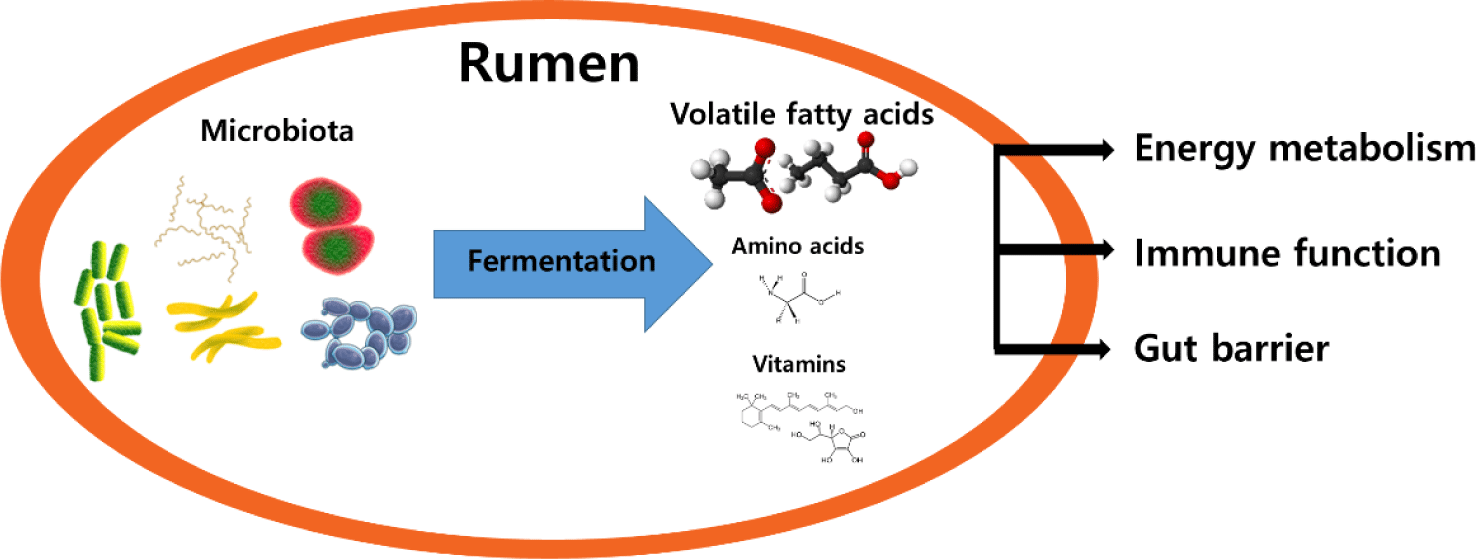
The relationship between the rumen microbiota and the host is controlled by several mechanisms. For example, microbial metabolites such as acetate, butyrate, and propionate are used by the host for energy production [9,10]. In addition, microbial antigens may influence local immune responses, and systemic immune modulation may occur under certain conditions. Changes in microbial composition are associated with variation in rumen pH and the development of the rumen epithelium [8].
The microbial community in the rumen is very sensitive to different factors, including diet, age, and health condition [11–13]. Dietary changes can disrupt microbial balance, potentially leading to subacute ruminal acidosis, which is related to reduced fiber digestion and reduced feed efficiency. Additionally, the composition of the microbial community changes with age [14,15]. Microbes that colonize the rumen at an early age can affect the fermentation capacity and overall health status of the rumen later on [16]. Therefore, maintaining a stable microbial balance is important to support growth and productivity. In this review, microbial stability refers to the ability of the rumen microbial community to maintain balanced composition and stable fermentation activity despite changes in diet or environmental conditions.
To improve rumen microbial balance, several studies have explored dietary strategies and the use of probiotics [17]. Feeding management practices that incorporate functional feed ingredients and the use of phytochemicals have been shown to promote beneficial microbial populations and improve fermentation in the rumen. Recently, upcycled feed ingredients such as brewer’s spent grain, okara, and fruit pomace have been used as alternative feed resources [18–20]. These materials contain complex carbohydrates and bioactive compounds that support the growth of fiber-degrading bacteria such as Fibrobacter succinogenes and Ruminococcus flavefaciens [21–24]. Enhanced microbial activity subsequently improves the production of short-chain fatty acids and increase feed efficiency.
In addition to probiotics such as Saccharomyces cerevisiae, strains of Lactobacillus, Lacticaseibacillus, Lactiplantibacillus, and Bacillus have been used to support rumen health [25–27]. These probiotics contribute to improving fiber digestion, stabilize rumen pH, reduce harmful bacteria, and support immune regulation.
This review explores the influence of diet and probiotics on the rumen microbiota and overall physiology of ruminants. It also discusses the potential synergistic benefits of combining both approaches to improve productivity, health, and sustainability in ruminants. In addition, this review provides an integrative overview of recent studies and highlights key mechanisms linking dietary modulation and probiotic supplementation with rumen microbial balance and host metabolism.
DIETARY MODULATION OF RUMEN MICROBIOTA
Diet is one of the most important factors affecting the composition and activity of the rumen microbiota [11,12]. Recently, together with conventional macronutrients and feed additives, the use of upcycled agro-industrial byproducts such as okara, fruit pomace, and brewer’s spent grain has gained increasing attention as a sustainable feeding strategy. As summarized in Table 1, dietary interventions affecting the rumen microbiota can be classified into macronutrient composition, functional additives, and upcycled byproducts. The forage-to-concentrate ratio in ruminant diets significantly influences microbial community and the fermentation pathway, which in turn impacts the health and productivity of ruminants [28,29]. A diet with a high forage ratio was found to be associated with increased rumen microbiota diversity and modulation the carbohydrate metabolic pathway in Holstein cows [27]. Similarly, in Angus, feeding a diet with an increased concentrate ratio resulted in a decreased the diversity of rumen microbiota, which was changed the composition of rumen microbiota. These microbial changes were associated with a negative effect on animal health, including a reduction in rumen pH and increase in inflammatory responses [28]. Forage-based diets are associated with increased abundance of fibrolytic bacteria such as F. succinogenes and R. flavefaciens. These bacteria are essential for degrading fiber components such as cellulose and hemicellulose into VFAs such as acetate and butyrate that support lipid metabolism, promote rumen epithelial development, and maintain gut barrier function [30].
| Dietary strategy | Specific intervention | Microbial modulation effect | Functional outcome | Reference |
|---|---|---|---|---|
| Macronutrient | High forage diets | Fibrolytic bacteria ↑ | Fiber digestion↑, ↑acetate & butyrate↑, gut health↑ | [23–25] |
| High concentrate diets | Amylolytic bacteria ↑ | Propionate↑, rumen pH↓ | [26–28] | |
| Upcycled agro-industrial byproducts | Okara, fruit pomace, wheat bran, brewer’s spent grain, etc. | Prebiotic effect↑, fiber-degrading bacteria↑, methanogens↓ | VFAs↑, methane↓, sustainability↑ | [15–17], [29–32] |
| Functional additives and supplements | Essential oils | Preserve fibrolytic bacteria, suppress pathogens | Maintain balance, pathogenic fermentation↓ | [33] |
| Probiotics | Stabilize microbial community | Nutrient use↑, digestive issues↓ | [34] |
However, diets rich in rapidly fermentable carbohydrates, such as corn or barley, increase the number of amylolytic bacteria, including Streptococcus bovis and Prevotella species [31]. These microbes produce high levels of propionate as an energy source for ruminants and contribute to a rapid decrease in rumen pH due to acid accumulation [24]. If not properly managed, high fermentable diets can lead to subacute ruminal acidosis, which is associated with poor fiber digestion, ruminal inflammation, and decreased feed utilization [32,33,35]. On the other hand, a high fermentable diet, that is, concentrate, can improve growth performance and nutrient digestibility of crude protein, leading to increased productivity [24]. Therefore, diet composition should be carefully adjusted to maintain a balance between productivity and rumen health.
Recently, the use of upcycled feed ingredients has received increased attention as a sustainable dietary strategy for modulation of rumen microbiota [36]. These include agrofood byproducts such as brewer’s spent grain, okara, fruit pomace, and wheat bran, which are rich in dietary fiber, protein, and bioactive compounds such as polyphenols and oligosaccharides [18–20]. They can serve as prebiotics by increasing the growth of beneficial rumen microbes [34]. For example, depending on the inclusion level and processing method, okara has been reported to improve fiber digestibility, increase the levels of acetate and butyrate, and help maintain rumen pH stability [37]. Another study reported that certain fruit pomaces reduce the population of methane-producing archaea under specific dietary conditions, thereby lowering the environmental impact of ruminant production [38]. Fermentation using agroindustry byproducts can modulate the rumen microbiota for the sustainable livestock industry [39]. Rice straw fermented with Aspergillus terreus decreased the production of methane in the goat’s rumen by up to 32% due to levastatin produced by A. terreus, which inhibits the growth of Methanobrevibacter smithii [40].
In addition to adjusting the forage-to-concentrate ratio and incorporating upcycled feeds and/or other dietary additives can be used to further manage rumen microbes more effectively. For example, essential oils such as thymol and carvacrol can support fiber-digesting microbes while reducing harmful bacteria [41]. Another study describes the effect of selenium supplementation, a trace mineral commonly used as a supplement for regulating animal metabolism, on rumen microbiota, fermentation, and digestibility [42]. Selenium supplementation can affect specific rumen microorganisms such as cellulolytic bacteria, non-fiber carbohydrate degrading bacteria, and lactic acid bacteria, consequences in a positive effect on total VFA, the molar proportion of propionate, the acetate to propionate ratio, ruminal NH3-N, pH, enzymatic activity, and digestibility [42].
A well-managed and balanced diet can control the microbial community in the rumen [43]. Provision of sufficient energy and fiber improves microbial fermentation and fosters a stable microbial population [44]. In addition, other interventions such as probiotic supplementation and controlled feeding time can reinforce microbial stability [45]. These dietary strategies reduce digestive problems, enhance nutrient utilization, and increase rumen productivity.
In conclusion, feeding strategies that incorporate upcycled feed materials and functional additives are important for maintaining a stable rumen microbial community and improving fermentation efficiency. These methods enhance nutrient utilization, promote animal health, and contribute to environmental sustainability by reducing feed waste and making better use of available resources.
ROLE OF PROBIOTICS IN ENHANCING MICROBIAL STABILITY AND HOST FUNCTIONS
Dietary changes, stress, and diseases can disrupt the balance of the microbial ecosystem in the rumen and lead to decreased fermentation ability and digestive efficiency. To overcome these challenges, probiotics, which are living organisms that confer health benefits to the host, have been used in ruminant diets. They can modulate rumen microbial community and improve its functional stability, thereby increasing digestive efficiency and productivity (Fig. 2) [46]. For example, it was reported that Holstein calves fed a diet supplemented with compound probiotics alter rumen fermentation and improve rumen development [47].
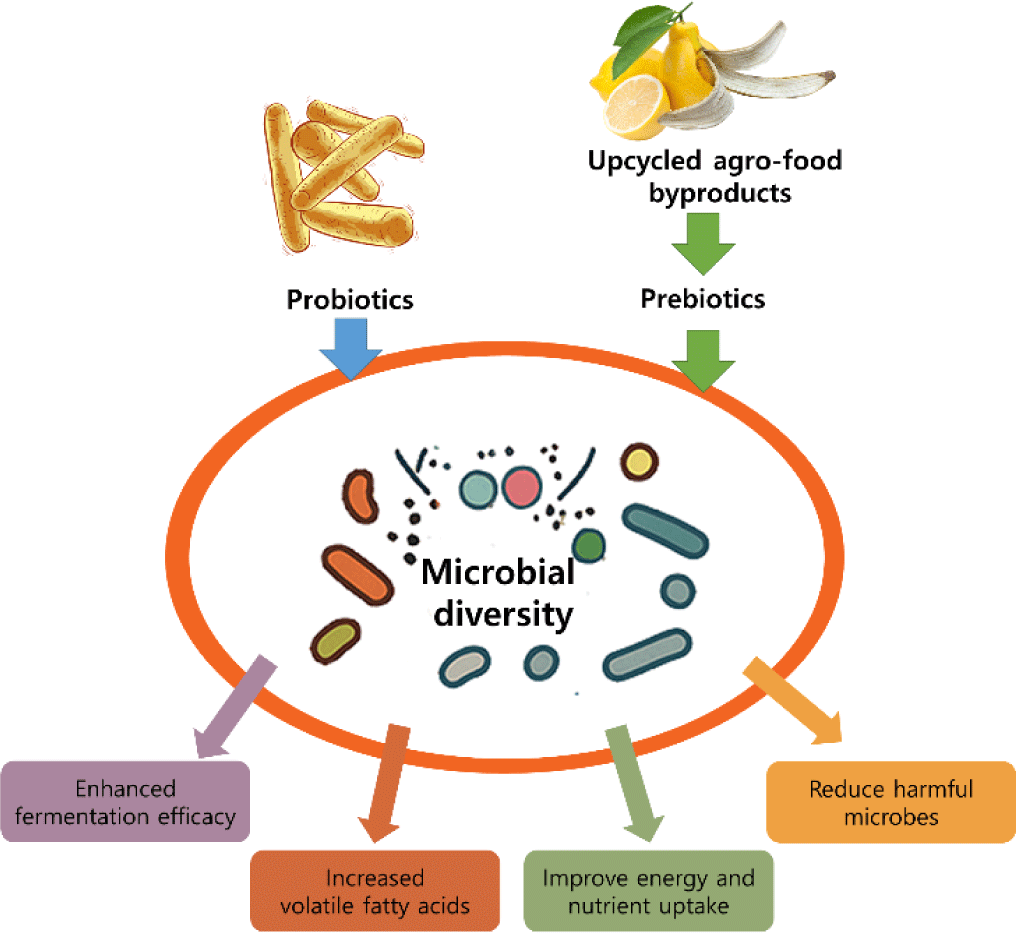
S. cerevisiae, Lactobacillus, Lacticaseibacillus, Lactiplantibacillus spp., Bifidobacterium, and spore-forming Bacillus strains are commonly used as probiotics in ruminants. Among them, S. cerevisiae may help maintain optimal anaerobic conditions in the rumen by consuming residual oxygen, which can create more favorable environments for anaerobes such as Ruminococcus albus and F. succinogenes, playing a key role in fiber degradation [48]. In addition, S. cerevisiae is associated with enhanced fiber degradation and elevated the production of VFAs such as acetate and butyrate, which are major energy sources for ruminants.
Probiotics support host functions through multiple mechanisms. First, some strains produce enzymes such as cellulase, xylanase, and protease, which complement endogenous ruminal enzymes and improve feed degradation [17]. Second, probiotics can suppress the growth of harmful microbes by outcompeting them for nutrients and producing antimicrobial substances. Third, certain probiotics can influence the immune system by interacting with the gut-associated lymphoid tissue (GALT), helping to reduce inflammation and support the integrity of the intestinal barrier [49].
The effectiveness of probiotic supplementation varies depending on the strain used and the physiological status of the host animal. For example, strains such as Lacticaseibacillus rhamnosus and Bacillus subtilis are more beneficial for young calves, as they can help in immune development and gut health [50]. Conversely, S. cerevisiae is commonly used in lactating cows to help stabilize rumen pH and improve milk production [51]. In addition, several studies have reported the beneficial effects of multi-strain or mixed probiotic supplementation on rumen fermentation, nutrient utilization, and host metabolic health in ruminants [52–54]. For example, a recent study using a probiotic blend containing Lactobacillus, Bacillus, and Bifidobacterium, alone or in combination with S. cerevisiae, demonstrated improvements in rumen characteristics, nutrient digestibility, and blood biochemical parameters in sheep [52]. Quadric-strain probiotic blends can enhance rumen fermentation efficiency while reducing methane emissions, further supporting the potential of multi-strain probiotics for sustainable ruminant production [53]. However, the effects of mixed probiotics may vary depending on diet composition, supplementation amount, and the physiological stage of the host animal. Therefore, further studies should focus on elucidating inter-microbial interactions within probiotic mixtures and optimizing strain combinations for targeted rumen modulation and precision feeding strategies.
Recently, probiotics mixed with agrofood byproducts have gained attention due to the stabilization of the microbial ecosystem and host physiology in ruminants (Fig. 2). Some agrofood byproducts may serve as prebiotics due to their non-digestible fibers and bioactive contents. They improve fermentation efficacy and microbial diversity. Several studies have shown that probiotics combined with agrofood byproducts increased VFAs, which were key metabolites for energy production and immune regulation [55]. Agrofood byproducts fermented with probiotics can achieve additional advantages, including reducing antinutrients in feed stuff, degrading the crude fiber, and reducing the level of lignin, resulting in increased feed intake and nutrients digestibility [39]. Further study should focus on optimizing probiotic strains based on the developmental stage of the animal and dietary composition to maximize the benefits of this combined strategy in sustainable ruminant production.
The combined influence of diet and probiotics plays a pivotal role in optimizing rumen fermentation and host physiology. The efficacy of probiotics often depends on the nutrient composition and physical characteristics of the diet. For instance, S. cerevisiae tends to exhibit greater benefits in high-forage diets by promoting fibrolytic bacterial growth and enhancing fiber degradation [56–58]. Whereas bacterial probiotics such as L. rhamnosus may perform better under high-concentrate feeding conditions by supporting rumen epithelial barrier function and reducing inflammation [59]. Additionally, polyphenol-rich upcycled feeds such as fruit pomace or okara can act synergistically with probiotics, serving as prebiotic substrates that promote beneficial microbial colonization [60]. Therefore, dietary formulation and probiotic selection should be strategically integrated to achieve optimal microbial modulation, feed efficiency, and host performance in precision nutrition systems.
FUNCTIONAL OUTCOMES AND OMICS-BASED INTEGRATION
To understand how dietary changes and probiotics affect the rumen microbiota and the host animal, it is essential to characterize the taxonomic composition of the rumen microbiota and its functional activities. The rumen microbial community represents the primary biological system responsible for fermentation, and changes in microbial composition affect metabolic processes.
Metabolomics is a useful tool because it can measure various metabolites that are produced during fermentation, providing insight into the actual biological processes occurring in the rumen [61]. Key metabolites commonly measured in ruminants include VFAs (mainly acetate, propionate, and butyrate), ammonia, methane-related compounds, and branched-chain fatty acids. For example, butyrate is known to help maintain the rumen epithelial cells and reduce inflammation [62]. Propionate plays an important role in producing glucose in the liver [63]. However, elevated ammonia levels are indicative of excessive protein degradation and inefficient nitrogen utilization. Advanced technologies such as nuclear magnetic resonance (NMR), gas chromatography-mass spectrometry (GC-MS), and liquid chromatography-mass spectrometry (LC-MS) have been used to analyze various metabolites.
The interpretation of the taxonomic composition of the rumen microbiota and their functional activities becomes more robust when metabolomics data are combined with microbiome data obtained from 16S rRNA sequencing (Fig. 3) [64]. For example, if microbiome data using 16S rRNA gene sequencing show more Prevotella species, metabolomics can confirm whether this leads to more propionate production, better protein breakdown, or possibly an increase in unwanted byproducts like ammonia or branched-chain VFAs [65,66].
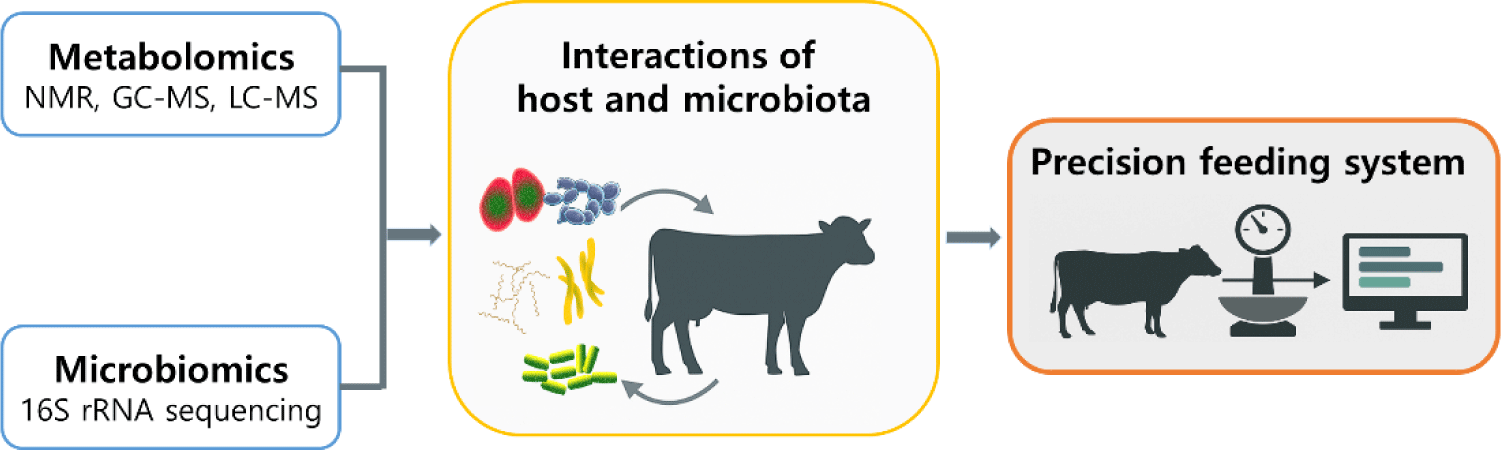
In addition, multi-omics integration that involves microbiomics, metabolomics, and host transcriptomics can provide a more comprehensive understanding of host and microbiota interactions, thereby facilitating the development of more effective feeding systems [67]. In particular, host transcriptomic data obtained from metabolically active tissues such as the rumen epithelium and liver, can provide insights into the regulatory effects of microbial metabolites on nutrient absorption, immune modulation, and metabolic homeostasis [68–70]. It is also important to consider the time point of transcriptomic sampling because host reaction can significantly change between early dietary adaptation periods and longer-term feeding, depending on its overall health and physiological state. For example, a multi-omics study in Tibetan sheep revealed changes in rumen epithelial gene expression, microbial composition, and metabolite profiles during cold-season adaptation, elucidating host-microbiome interactions through the modulation of pathways such as peroxisome proliferator-activated receptor (PPAR) signaling and xenobiotic metabolism under environmental stressors [68].
These data can be used in precision feeding strategies to enhance animal health, productivity, and feed efficiency. Recently, metabolomics studies have increasingly revealed the role of diet and probiotic interactions in modulating rumen fermentation and improving animal productivity [71]. For example, a higher acetate-to-propionate ratio might indicate increased fiber fermentation, although this may vary depending on diet, pH, and microbial factors, and these data can be used to modify the feed type or supplement strategies, such as the use of fiber-rich byproducts or administration of specific probiotics [72]. These strategies can help to identify useful biomarkers for digestion or dysbiosis, monitor how probiotics or dietary changes affect microbial metabolism, and predict ruminant performance traits such as feed efficiency or methane emissions [73,74].
As omics technologies continue to improve and analysis becomes cheaper and faster, standardized multi-omics approaches coupled with machine learning tools will help farmers and researchers apply these insights in real time [75,76]. This could lead to more personalized feeding systems that not only improve animal growth and health but also reduce waste and environmental impact.
CONCLUSION
This review confirms that dietary modulation, the utilization of upcycled feeds, and probiotic supplementation are powerful strategies for modulating the rumen microbial community and host physiology. However, the true potential lies in the integrated application of these approaches, which can synergistically stabilize the rumen environment, enhance fermentation efficiency, and improve host health. Future research must move beyond analyzing individual effects to focus on elucidating the complex mechanistic interactions between specific dietary components and specific probiotic strains. To achieve this, the active use of multi-omics approaches, including genomics, is essential to understand the precise interactions between the host, microbiome, diet, and probiotics. The ultimate goal is to leverage this deeper understanding to develop precision feeding systems tailored to an animal’s unique host genetics and microbial profile, thereby simultaneously enhancing the sustainability and productivity of ruminant production.


