REVIEW

Integrated effects of diet and probiotics on rumen microbiota and host physiology in ruminants

Jeehwan Choe1https://orcid.org/0000-0002-7217-972X, Miri Park2https://orcid.org/0000-0002-0149-743X, Seung-Man Yu3https://orcid.org/0000-0003-4145-4511, Sooah Kim4,*https://orcid.org/0000-0002-9096-4879
Author Information & Copyright
1Major of Beef Science, Department of Livestock, Korea National College of Agriculture and Fisheries, Jeonju, Korea
2Research Division of Food Functionality, Korea Food Research Institute, Wanju, Korea
3Department of Radiological Science, Jeonju University, Jeonju, Korea
4Department of Environment Science and Biotechnology, Jeonju University, Jeonju, Korea
*Corresponding author: Sooah Kim, E-mail: skim366@jj.ac.kr

© Copyright 2026 Korean Society of Animal Science and Technology. This is an Open-Access article distributed under the terms of the Creative Commons Attribution Non-Commercial License (http://creativecommons.org/licenses/by-nc/4.0/) which permits unrestricted non-commercial use, distribution, and reproduction in any medium, provided the original work is properly cited.

Received: Dec 04, 2025; Revised: Dec 30, 2025; Accepted: Dec 31, 2025

Published Online: Jul 31, 2026

Abstract

Rumen microbiota is essential for nutrient digestion, immune function, and metabolic health in ruminants. With growing interest in sustainable animal production, recent studies have focused on the combined use of diet and probiotics in modulating rumen microbial community and its association with host performance. This review summarizes the effects of dietary strategies on microbial composition and fermentation efficiency. This review also discusses how probiotics such as Saccharomyces cerevisiae, Lactobacillus, Lacticaseibacillus, Lactiplantibacillus, and Bacillus spp. stabilize the rumen environment, enhance fiber degradation, and reduce harmful microbes. These effects are influenced by both the probiotic strain and physiological stage of the animal. Furthermore, it explores how microbial fermentation products, such as volatile fatty acids and ammonia, play an important role as functional indicators reflecting microbial activity and host physiology. Metabolomics, which enables the comprehensive analysis of rumen metabolites, has proven valuable for investigating the influence of diet and probiotics on host metabolism. Hence, the integration of dietary strategies with probiotics can synergistically enhance rumen health and overall productivity in ruminants.

Keywords: Ruminants; Rumen; Microbiota; Probiotics; Upcycled agrofood byproducts

INTRODUCTION

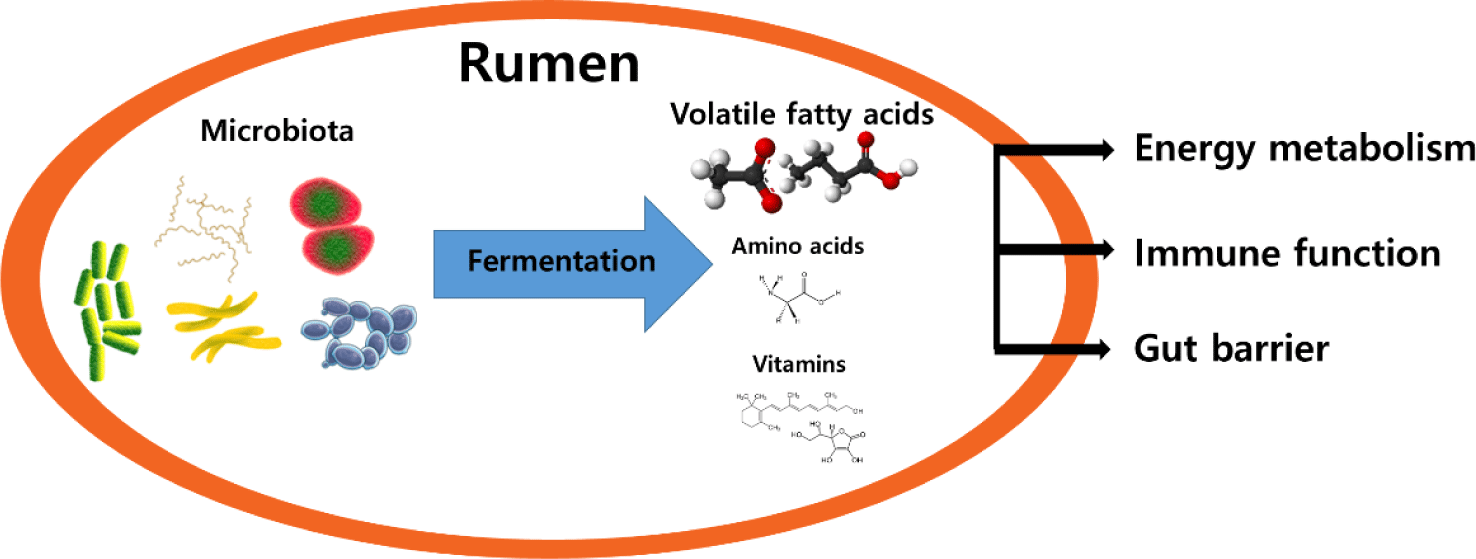
The rumen, the largest compartment of the stomach in the ruminant digestive system, plays a critical role in microbial fermentation [1]. It hosts a complex community of microbiota such as bacteria, archaea, protozoa, fungi, and viruses, and bacteria are the most dominant group in rumen microbiota (up to 90%) and contribute to the feed metabolism [1]. Rumen microbiota plays a key role in the degradation of forage and plant polysaccharides into volatile fatty acids (VFAs), microbial protein, amino acids, and vitamins that serve as energy sources (Fig. 1) [14]. In addition to nutrient conversion, the rumen microbiota also regulates the immune system and maintains gut barrier integrity [5,6]. A balanced rumen microbial community is essential for the optimal health and productivity of ruminants [7,8].
jast-68-4-1002-g1
Fig. 1. Overview of rumen microbial fermentation. Volatile fatty acids (VFAs), amino acids, and vitamins produced during fermentation, are utilized for energy production, immune function, and gut barrier integrity.
Download Original Figure

The relationship between the rumen microbiota and the host is controlled by several mechanisms. For example, microbial metabolites such as acetate, butyrate, and propionate are used by the host for energy production [9,10]. In addition, microbial antigens may influence local immune responses, and systemic immune modulation may occur under certain conditions. Changes in microbial composition are associated with variation in rumen pH and the development of the rumen epithelium [8].

The microbial community in the rumen is very sensitive to different factors, including diet, age, and health condition [1113]. Dietary changes can disrupt microbial balance, potentially leading to subacute ruminal acidosis, which is related to reduced fiber digestion and reduced feed efficiency. Additionally, the composition of the microbial community changes with age [14,15]. Microbes that colonize the rumen at an early age can affect the fermentation capacity and overall health status of the rumen later on [16]. Therefore, maintaining a stable microbial balance is important to support growth and productivity. In this review, microbial stability refers to the ability of the rumen microbial community to maintain balanced composition and stable fermentation activity despite changes in diet or environmental conditions.

To improve rumen microbial balance, several studies have explored dietary strategies and the use of probiotics [17]. Feeding management practices that incorporate functional feed ingredients and the use of phytochemicals have been shown to promote beneficial microbial populations and improve fermentation in the rumen. Recently, upcycled feed ingredients such as brewer’s spent grain, okara, and fruit pomace have been used as alternative feed resources [1820]. These materials contain complex carbohydrates and bioactive compounds that support the growth of fiber-degrading bacteria such as Fibrobacter succinogenes and Ruminococcus flavefaciens [2124]. Enhanced microbial activity subsequently improves the production of short-chain fatty acids and increase feed efficiency.

In addition to probiotics such as Saccharomyces cerevisiae, strains of Lactobacillus, Lacticaseibacillus, Lactiplantibacillus, and Bacillus have been used to support rumen health [2527]. These probiotics contribute to improving fiber digestion, stabilize rumen pH, reduce harmful bacteria, and support immune regulation.

This review explores the influence of diet and probiotics on the rumen microbiota and overall physiology of ruminants. It also discusses the potential synergistic benefits of combining both approaches to improve productivity, health, and sustainability in ruminants. In addition, this review provides an integrative overview of recent studies and highlights key mechanisms linking dietary modulation and probiotic supplementation with rumen microbial balance and host metabolism.

DIETARY MODULATION OF RUMEN MICROBIOTA

Diet is one of the most important factors affecting the composition and activity of the rumen microbiota [11,12]. Recently, together with conventional macronutrients and feed additives, the use of upcycled agro-industrial byproducts such as okara, fruit pomace, and brewer’s spent grain has gained increasing attention as a sustainable feeding strategy. As summarized in Table 1, dietary interventions affecting the rumen microbiota can be classified into macronutrient composition, functional additives, and upcycled byproducts. The forage-to-concentrate ratio in ruminant diets significantly influences microbial community and the fermentation pathway, which in turn impacts the health and productivity of ruminants [28,29]. A diet with a high forage ratio was found to be associated with increased rumen microbiota diversity and modulation the carbohydrate metabolic pathway in Holstein cows [27]. Similarly, in Angus, feeding a diet with an increased concentrate ratio resulted in a decreased the diversity of rumen microbiota, which was changed the composition of rumen microbiota. These microbial changes were associated with a negative effect on animal health, including a reduction in rumen pH and increase in inflammatory responses [28]. Forage-based diets are associated with increased abundance of fibrolytic bacteria such as F. succinogenes and R. flavefaciens. These bacteria are essential for degrading fiber components such as cellulose and hemicellulose into VFAs such as acetate and butyrate that support lipid metabolism, promote rumen epithelial development, and maintain gut barrier function [30].

Table 1. Classification of dietary interventions affecting the rumen microbiota
Dietary strategy Specific intervention Microbial modulation effect Functional outcome Reference
Macronutrient High forage diets Fibrolytic bacteria ↑ Fiber digestion↑, ↑acetate & butyrate↑, gut health↑ [2325]
High concentrate diets Amylolytic bacteria ↑ Propionate↑, rumen pH↓ [2628]
Upcycled agro-industrial byproducts Okara, fruit pomace, wheat bran, brewer’s spent grain, etc. Prebiotic effect↑, fiber-degrading bacteria↑, methanogens↓ VFAs↑, methane↓, sustainability↑ [1517], [2932]
Functional additives and supplements Essential oils Preserve fibrolytic bacteria, suppress pathogens Maintain balance, pathogenic fermentation↓ [33]
Probiotics Stabilize microbial community Nutrient use↑, digestive issues↓ [34]
Download Excel Table

However, diets rich in rapidly fermentable carbohydrates, such as corn or barley, increase the number of amylolytic bacteria, including Streptococcus bovis and Prevotella species [31]. These microbes produce high levels of propionate as an energy source for ruminants and contribute to a rapid decrease in rumen pH due to acid accumulation [24]. If not properly managed, high fermentable diets can lead to subacute ruminal acidosis, which is associated with poor fiber digestion, ruminal inflammation, and decreased feed utilization [32,33,35]. On the other hand, a high fermentable diet, that is, concentrate, can improve growth performance and nutrient digestibility of crude protein, leading to increased productivity [24]. Therefore, diet composition should be carefully adjusted to maintain a balance between productivity and rumen health.

Recently, the use of upcycled feed ingredients has received increased attention as a sustainable dietary strategy for modulation of rumen microbiota [36]. These include agrofood byproducts such as brewer’s spent grain, okara, fruit pomace, and wheat bran, which are rich in dietary fiber, protein, and bioactive compounds such as polyphenols and oligosaccharides [1820]. They can serve as prebiotics by increasing the growth of beneficial rumen microbes [34]. For example, depending on the inclusion level and processing method, okara has been reported to improve fiber digestibility, increase the levels of acetate and butyrate, and help maintain rumen pH stability [37]. Another study reported that certain fruit pomaces reduce the population of methane-producing archaea under specific dietary conditions, thereby lowering the environmental impact of ruminant production [38]. Fermentation using agroindustry byproducts can modulate the rumen microbiota for the sustainable livestock industry [39]. Rice straw fermented with Aspergillus terreus decreased the production of methane in the goat’s rumen by up to 32% due to levastatin produced by A. terreus, which inhibits the growth of Methanobrevibacter smithii [40].

In addition to adjusting the forage-to-concentrate ratio and incorporating upcycled feeds and/or other dietary additives can be used to further manage rumen microbes more effectively. For example, essential oils such as thymol and carvacrol can support fiber-digesting microbes while reducing harmful bacteria [41]. Another study describes the effect of selenium supplementation, a trace mineral commonly used as a supplement for regulating animal metabolism, on rumen microbiota, fermentation, and digestibility [42]. Selenium supplementation can affect specific rumen microorganisms such as cellulolytic bacteria, non-fiber carbohydrate degrading bacteria, and lactic acid bacteria, consequences in a positive effect on total VFA, the molar proportion of propionate, the acetate to propionate ratio, ruminal NH3-N, pH, enzymatic activity, and digestibility [42].

A well-managed and balanced diet can control the microbial community in the rumen [43]. Provision of sufficient energy and fiber improves microbial fermentation and fosters a stable microbial population [44]. In addition, other interventions such as probiotic supplementation and controlled feeding time can reinforce microbial stability [45]. These dietary strategies reduce digestive problems, enhance nutrient utilization, and increase rumen productivity.

In conclusion, feeding strategies that incorporate upcycled feed materials and functional additives are important for maintaining a stable rumen microbial community and improving fermentation efficiency. These methods enhance nutrient utilization, promote animal health, and contribute to environmental sustainability by reducing feed waste and making better use of available resources.

ROLE OF PROBIOTICS IN ENHANCING MICROBIAL STABILITY AND HOST FUNCTIONS

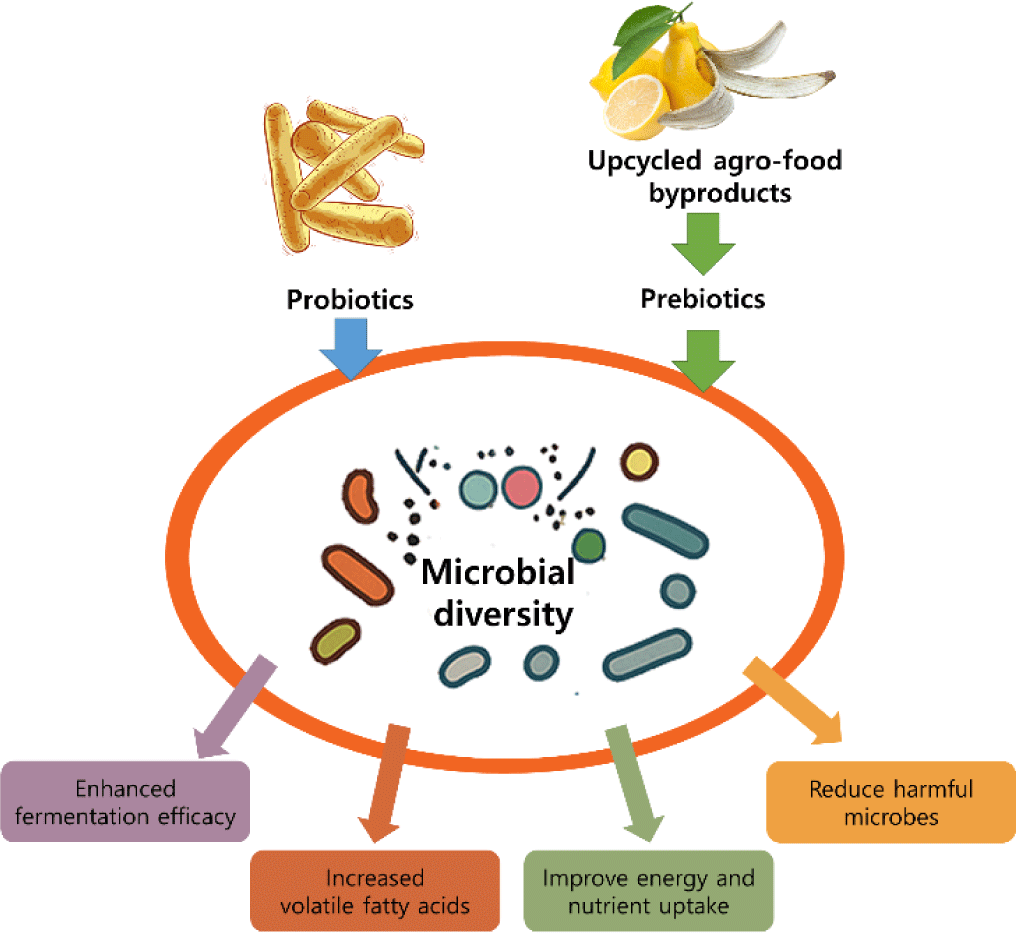
Dietary changes, stress, and diseases can disrupt the balance of the microbial ecosystem in the rumen and lead to decreased fermentation ability and digestive efficiency. To overcome these challenges, probiotics, which are living organisms that confer health benefits to the host, have been used in ruminant diets. They can modulate rumen microbial community and improve its functional stability, thereby increasing digestive efficiency and productivity (Fig. 2) [46]. For example, it was reported that Holstein calves fed a diet supplemented with compound probiotics alter rumen fermentation and improve rumen development [47].
jast-68-4-1002-g2
Fig. 2. Effects of probiotics and upcycled agrofood byproducts on the enhancement of microbial diversity in the rumen. The microbial diversity contributes to enhanced fermentation efficacy, increased production of volatile fatty acids (VFAs), improved energy and nutrient uptake, and reduction of harmful microbes.
Download Original Figure

S. cerevisiae, Lactobacillus, Lacticaseibacillus, Lactiplantibacillus spp., Bifidobacterium, and spore-forming Bacillus strains are commonly used as probiotics in ruminants. Among them, S. cerevisiae may help maintain optimal anaerobic conditions in the rumen by consuming residual oxygen, which can create more favorable environments for anaerobes such as Ruminococcus albus and F. succinogenes, playing a key role in fiber degradation [48]. In addition, S. cerevisiae is associated with enhanced fiber degradation and elevated the production of VFAs such as acetate and butyrate, which are major energy sources for ruminants.

Probiotics support host functions through multiple mechanisms. First, some strains produce enzymes such as cellulase, xylanase, and protease, which complement endogenous ruminal enzymes and improve feed degradation [17]. Second, probiotics can suppress the growth of harmful microbes by outcompeting them for nutrients and producing antimicrobial substances. Third, certain probiotics can influence the immune system by interacting with the gut-associated lymphoid tissue (GALT), helping to reduce inflammation and support the integrity of the intestinal barrier [49].

The effectiveness of probiotic supplementation varies depending on the strain used and the physiological status of the host animal. For example, strains such as Lacticaseibacillus rhamnosus and Bacillus subtilis are more beneficial for young calves, as they can help in immune development and gut health [50]. Conversely, S. cerevisiae is commonly used in lactating cows to help stabilize rumen pH and improve milk production [51]. In addition, several studies have reported the beneficial effects of multi-strain or mixed probiotic supplementation on rumen fermentation, nutrient utilization, and host metabolic health in ruminants [5254]. For example, a recent study using a probiotic blend containing Lactobacillus, Bacillus, and Bifidobacterium, alone or in combination with S. cerevisiae, demonstrated improvements in rumen characteristics, nutrient digestibility, and blood biochemical parameters in sheep [52]. Quadric-strain probiotic blends can enhance rumen fermentation efficiency while reducing methane emissions, further supporting the potential of multi-strain probiotics for sustainable ruminant production [53]. However, the effects of mixed probiotics may vary depending on diet composition, supplementation amount, and the physiological stage of the host animal. Therefore, further studies should focus on elucidating inter-microbial interactions within probiotic mixtures and optimizing strain combinations for targeted rumen modulation and precision feeding strategies.

Recently, probiotics mixed with agrofood byproducts have gained attention due to the stabilization of the microbial ecosystem and host physiology in ruminants (Fig. 2). Some agrofood byproducts may serve as prebiotics due to their non-digestible fibers and bioactive contents. They improve fermentation efficacy and microbial diversity. Several studies have shown that probiotics combined with agrofood byproducts increased VFAs, which were key metabolites for energy production and immune regulation [55]. Agrofood byproducts fermented with probiotics can achieve additional advantages, including reducing antinutrients in feed stuff, degrading the crude fiber, and reducing the level of lignin, resulting in increased feed intake and nutrients digestibility [39]. Further study should focus on optimizing probiotic strains based on the developmental stage of the animal and dietary composition to maximize the benefits of this combined strategy in sustainable ruminant production.

The combined influence of diet and probiotics plays a pivotal role in optimizing rumen fermentation and host physiology. The efficacy of probiotics often depends on the nutrient composition and physical characteristics of the diet. For instance, S. cerevisiae tends to exhibit greater benefits in high-forage diets by promoting fibrolytic bacterial growth and enhancing fiber degradation [5658]. Whereas bacterial probiotics such as L. rhamnosus may perform better under high-concentrate feeding conditions by supporting rumen epithelial barrier function and reducing inflammation [59]. Additionally, polyphenol-rich upcycled feeds such as fruit pomace or okara can act synergistically with probiotics, serving as prebiotic substrates that promote beneficial microbial colonization [60]. Therefore, dietary formulation and probiotic selection should be strategically integrated to achieve optimal microbial modulation, feed efficiency, and host performance in precision nutrition systems.

FUNCTIONAL OUTCOMES AND OMICS-BASED INTEGRATION

To understand how dietary changes and probiotics affect the rumen microbiota and the host animal, it is essential to characterize the taxonomic composition of the rumen microbiota and its functional activities. The rumen microbial community represents the primary biological system responsible for fermentation, and changes in microbial composition affect metabolic processes.

Metabolomics is a useful tool because it can measure various metabolites that are produced during fermentation, providing insight into the actual biological processes occurring in the rumen [61]. Key metabolites commonly measured in ruminants include VFAs (mainly acetate, propionate, and butyrate), ammonia, methane-related compounds, and branched-chain fatty acids. For example, butyrate is known to help maintain the rumen epithelial cells and reduce inflammation [62]. Propionate plays an important role in producing glucose in the liver [63]. However, elevated ammonia levels are indicative of excessive protein degradation and inefficient nitrogen utilization. Advanced technologies such as nuclear magnetic resonance (NMR), gas chromatography-mass spectrometry (GC-MS), and liquid chromatography-mass spectrometry (LC-MS) have been used to analyze various metabolites.

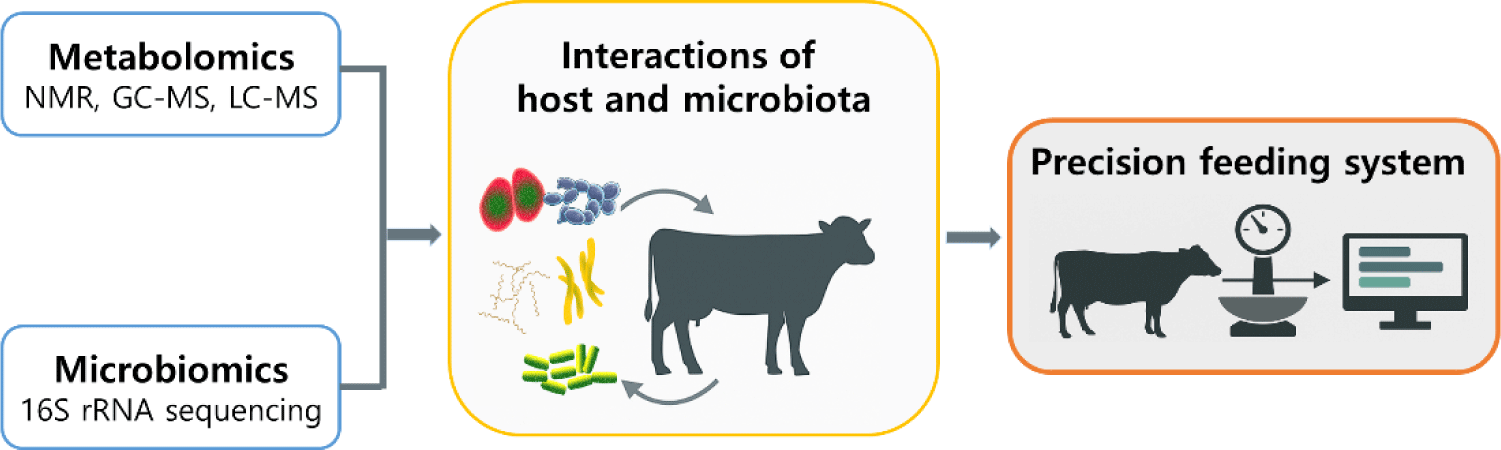
The interpretation of the taxonomic composition of the rumen microbiota and their functional activities becomes more robust when metabolomics data are combined with microbiome data obtained from 16S rRNA sequencing (Fig. 3) [64]. For example, if microbiome data using 16S rRNA gene sequencing show more Prevotella species, metabolomics can confirm whether this leads to more propionate production, better protein breakdown, or possibly an increase in unwanted byproducts like ammonia or branched-chain VFAs [65,66].
jast-68-4-1002-g3
Fig. 3. Integration of metabolomics and microbiomics for host-microbiota interaction. Metabolomics approaches, including nuclear magnetic resonance (NMR), gas chromatography–mass spectrometry (GC-MS), and liquid chromatography–mass spectrometry (LC-MS), combined with microbiome analysis based on 16S ribosomal RNA (16S rRNA) sequencing, can be applied to precision feeding strategies to enhance animal health, productivity, and feed efficiency.
Download Original Figure

In addition, multi-omics integration that involves microbiomics, metabolomics, and host transcriptomics can provide a more comprehensive understanding of host and microbiota interactions, thereby facilitating the development of more effective feeding systems [67]. In particular, host transcriptomic data obtained from metabolically active tissues such as the rumen epithelium and liver, can provide insights into the regulatory effects of microbial metabolites on nutrient absorption, immune modulation, and metabolic homeostasis [6870]. It is also important to consider the time point of transcriptomic sampling because host reaction can significantly change between early dietary adaptation periods and longer-term feeding, depending on its overall health and physiological state. For example, a multi-omics study in Tibetan sheep revealed changes in rumen epithelial gene expression, microbial composition, and metabolite profiles during cold-season adaptation, elucidating host-microbiome interactions through the modulation of pathways such as peroxisome proliferator-activated receptor (PPAR) signaling and xenobiotic metabolism under environmental stressors [68].

These data can be used in precision feeding strategies to enhance animal health, productivity, and feed efficiency. Recently, metabolomics studies have increasingly revealed the role of diet and probiotic interactions in modulating rumen fermentation and improving animal productivity [71]. For example, a higher acetate-to-propionate ratio might indicate increased fiber fermentation, although this may vary depending on diet, pH, and microbial factors, and these data can be used to modify the feed type or supplement strategies, such as the use of fiber-rich byproducts or administration of specific probiotics [72]. These strategies can help to identify useful biomarkers for digestion or dysbiosis, monitor how probiotics or dietary changes affect microbial metabolism, and predict ruminant performance traits such as feed efficiency or methane emissions [73,74].

As omics technologies continue to improve and analysis becomes cheaper and faster, standardized multi-omics approaches coupled with machine learning tools will help farmers and researchers apply these insights in real time [75,76]. This could lead to more personalized feeding systems that not only improve animal growth and health but also reduce waste and environmental impact.

CONCLUSION

This review confirms that dietary modulation, the utilization of upcycled feeds, and probiotic supplementation are powerful strategies for modulating the rumen microbial community and host physiology. However, the true potential lies in the integrated application of these approaches, which can synergistically stabilize the rumen environment, enhance fermentation efficiency, and improve host health. Future research must move beyond analyzing individual effects to focus on elucidating the complex mechanistic interactions between specific dietary components and specific probiotic strains. To achieve this, the active use of multi-omics approaches, including genomics, is essential to understand the precise interactions between the host, microbiome, diet, and probiotics. The ultimate goal is to leverage this deeper understanding to develop precision feeding systems tailored to an animal’s unique host genetics and microbial profile, thereby simultaneously enhancing the sustainability and productivity of ruminant production.

Competing interests

No potential conflict of interest relevant to this article was reported.

Funding sources

This research was supported by the Regional Innovation System & Education (RISE) program through the Jeonbuk RISE Center, funded by the Ministry of Education (MOE) and the Jeonbuk State, Republic of Korea (2026-RISE-13-JJU).

Acknowledgements

Not applicable.

Availability of data and material

Upon reasonable request, the datasets of this study can be available from the corresponding author.

Authors’ contributions

Conceptualization: Choe J, Kim S.

Methodology: Choe J, Park M, Yu SM, Kim S.

Investigation: Choe J, Park M, Yu SM, Kim S.

Writing - original draft: Choe J, Kim S.

Writing - review & editing: Choe J, Park M, Yu SM, Kim S.

Ethics approval and consent to participate

This article does not require IRB/IACUC approval because there are no human and animal participants.

Declaration of generative AI

No AI tools were used in this article.

REFERENCES

1.

Loor JJ, Elolimy AA, McCann JC. Dietary impacts on rumen microbiota in beef and dairy production. Anim Front. 2016; 6:22-9

2.

Dijkstra J. Production and absorption of volatile fatty acids in the rumen. Livest Prod Sci. 1994; 39:61-9

3.

Gresner N, Rodehutscord M, Südekum KH. Amino acid pattern of rumen microorganisms in cattle fed mixed diets—an update. J Anim Physiol Anim Nutr. 2022; 106:752-71

4.

Qi W, Xue MY, Jia MH, Zhang S, Yan Q, Sun HZ. Understanding the functionality of the rumen microbiota: searching for better opportunities for rumen microbial manipulation. Anim Biosci. 2024; 37:370-84

5.

Takiishi T, Fenero CIM, Câmara NOS. Intestinal barrier and gut microbiota: shaping our immune responses throughout life. Tissue Barriers. 2017; 5e1373208

6.

Zheng D, Liwinski T, Elinav E. Interaction between microbiota and immunity in health and disease. Cell Res. 2020; 30:492-506

7.

Matthews C, Crispie F, Lewis E, Reid M, O’Toole PW, Cotter PD. The rumen microbiome: a crucial consideration when optimising milk and meat production and nitrogen utilisation efficiency. Gut Microbes. 2019; 10:115-32

8.

Cammack KM, Austin KJ, Lamberson WR, Conant GC, Cunningham HC. RUMINANT NUTRITION SYMPOSIUM: tiny but mighty: the role of the rumen microbes in livestock production. J Anim Sci. 2018; 96:752-70

9.

den Besten G, van Eunen K, Groen AK, Venema K, Reijngoud DJ, Bakker BM. The role of short-chain fatty acids in the interplay between diet, gut microbiota, and host energy metabolism. J Lipid Res. 2013; 54:2325-40

10.

Shi J, Su H, He S, Dai S, Mao H, Wu D. Pan-genomic insights into rumen microbiome-mediated short-chain fatty acid production and regulation in ruminants. Microorganisms. 2025; 13:1175

11.

Wu Y, Jiao C, Diao Q, Tu Y. Effect of dietary and age changes on ruminal microbial diversity in Holstein calves. Microorganisms. 2024; 12:12

12.

Palmonari A, Federiconi A, Formigoni A. Animal board invited review: the effect of diet on rumen microbial composition in dairy cows. Animal. 2024; 18:101319

13.

Yin X, Ji S, Duan C, Tian P, Ju S, Yan H, et al. Age-related changes in the ruminal microbiota and their relationship with rumen fermentation in lambs. Front Microbiol. 2021; 12:679135

14.

Elmhadi ME, Ali DK, Khogali MK, Wang H. Subacute ruminal acidosis in dairy herds: microbiological and nutritional causes, consequences, and prevention strategies. Anim Nutr. 2022; 10:148-55

15.

Monteiro HF, Zhou Z, Gomes MS, Peixoto PMG, Bonsaglia ECR, Canisso IF, et al. Rumen and lower gut microbiomes relationship with feed efficiency and production traits throughout the lactation of Holstein dairy cows. Sci Rep. 2022; 12:4904

16.

Li K, Shi B, Na R. The colonization of rumen microbiota and intervention in pre-weaned ruminants. Animals. 2023; 13:994

17.

Zhang R, Mei S, He G, Wei M, Chen L, Chen Z, et al. Feeding probiotics-fermented distiller’s grains diets increases rumen enzyme activities and glycerophospholipid levels in finishing cattle by modulating rumen microbiota. Microbiome. 2025; 13:137

18.

Shen Y, Abeynayake R, Sun X, Ran T, Li J, Chen L, et al. Feed nutritional value of brewers’ spent grain residue resulting from protease aided protein removal. J Anim Sci Biotechnol. 2019; 10:78

19.

Durman T, de Lima LS, Rufino MOA, Gurgel ALC, Horst JA, Itavo LCV, et al. Feeding okara, a soybean by-product, to dairy cows as partial protein source enhances economic indexes and preserves milk quality, intake, and digestibility of nutrients. Trop Anim Health Prod. 2022; 54:14

20.

Gadulrab K, Sidoruk P, Kozlowska M, Szumacher-Strabel M, Lechniak D, Kolodziejski P, et al. Effect of feeding dried apple pomace on ruminal fermentation, methane emission, and biohydrogenation of unsaturated fatty acids in dairy cows. Agriculture. 2023; 13:2032

21.

Suen G, Weimer PJ, Stevenson DM, Aylward FO, Boyum J, Deneke J, et al. The complete genome sequence of Fibrobacter succinogenes S85 reveals a cellulolytic and metabolic specialist. PLOS ONE. 2011; 6e18814

22.

Julliand V, de Vaux A, Millet L, Fonty G. Identification of Ruminococcus flavefaciens as the predominant cellulolytic bacterial species of the equine cecum. Appl Environ Microbiol. 1999; 65:3738-41

23.

Froidurot A, Julliand V. Cellulolytic bacteria in the large intestine of mammals. Gut Microbes. 2022; 14:2031694

24.

Khiaosa-ard R, Mahmood M, Mickdam E, Pacífico C, Meixner J, Traintinger LS. Winery by-products as a feed source with functional properties: dose–response effect of grape pomace, grape seed meal, and grape seed extract on rumen microbial community and their fermentation activity in RUSITEC. J Anim Sci Biotechnol. 2023; 14:92

25.

Cattaneo L, Lopreiato V, Piccioli-Cappelli F, Trevisi E, Minuti A. Effect of supplementing live Saccharomyces cerevisiae yeast on performance, rumen function, and metabolism during the transition period in Holstein dairy cows. J Dairy Sci. 2023; 106:4353-65

26.

Jiang X, Xu HJ, Cui ZQ, Zhang YG. Effects of supplementation with Lactobacillus plantarum 299v on the performance, blood metabolites, rumen fermentation and bacterial communities of preweaning calves. Livest Sci. 2020; 239:104120

27.

Jia P, Dong L, Tu Y, Diao Q. Bacillus subtilis and Macleaya cordata extract regulate the rumen microbiota associated with enteric methane emission in dairy cows. Microbiome. 2023; 11:229

28.

Wang L, Li Y, Zhang Y, Wang L. The effects of different concentrate-to-forage ratio diets on rumen bacterial microbiota and the structures of Holstein cows during the feeding cycle. Animals. 2020; 10:957

29.

Chen H, Wang C, Huasai S, Chen A. Effects of dietary forage to concentrate ratio on nutrient digestibility, ruminal fermentation and rumen bacterial composition in Angus cows. Sci Rep. 2021; 11:17023

30.

Henderson G, Cox F, Ganesh S, Jonker A, Young W, Global Rumen Census Collaborators, et al. Rumen microbial community composition varies with diet and host, but a core microbiome is found across a wide geographical range. Sci Rep. 2015; 5:14567

31.

Li XB, Huang XX, Li Q, Li XY, Li JH, Li C, et al. Effects of different grains on bacterial diversity and enzyme activity associated with digestion of starch in the foal stomach. BMC Vet Res. 2022; 18:407

32.

Zhang Y, Jia R, Zhao Y, Su N, Fan G, Yuan C, et al. Associations of ruminal microbiota with susceptibility to subacute ruminal acidosis in dairy goats. Microb Pathog. 2025; 206:107727

33.

Plaizier JC, Khafipour E, Li S, Gozho GN, Krause DO. Subacute ruminal acidosis (SARA), endotoxins and health consequences. Anim Feed Sci Technol. 2012; 172:9-21

34.

Ravanal MC, Contador CA, Wong WT, Zhang Q, Roman-Benn A, Ah-Hen KS, et al. Prebiotics in animal nutrition: harnessing agro-industrial waste for improved gut health and performance. Anim Nutr. 2025; 21:179-92

35.

Zhang L, Xia Z, Fu J, Yang Y. Role of the rumen epithelium and associated changes under high-concentrate diets. Int J Mol Sci. 2025; 26:2573

36.

Dou Z, Dierenfeld ES, Wang X, Chen X, Shurson GC. A critical analysis of challenges and opportunities for upcycling food waste to animal feed to reduce climate and resource burdens. Resour Conserv Recycl. 2024; 203:107418

37.

Tres TT, Jobim CC, Diaz TG, Daniel JLP, Jacovaci FA. Okara or soybean grain added to the rehydrated corn grain silage for cattle: digestibility, degradability and ruminal parameters. Acta Sci Anim Sci. 2020; 42e48586

38.

Giller K, Bossut L, Eggerschwiler L, Terranova M. In vitro ruminal fermentation, methane production and nutrient degradability as affected by fruit and vegetable pomaces in differing concentrations. J Anim Physiol Anim Nutr. 2022; 106:957-67

39.

Michalak M, Wojnarowski K, Cholewinska P, Szeligowska N, Bawej M, Pacon J. Selected alternative feed additives used to manipulate the rumen microbiome. Animals. 2021; 11:1542

40.

Azlan PM, Jahromi MF, Ariff MO, Ebrahimi M, Candyrine SCL, Liang JB. Aspergillus terreus treated rice straw suppresses methane production and enhances feed digestibility in goats. Trop Anim Health Prod. 2018; 50:565-71

41.

Yu J, Cai L, Zhang J, Yang A, Wang Y, Zhang L, et al. Effects of thymol supplementation on goat rumen fermentation and rumen microbiota in vitro. Microorganisms. 2020; 8:1160

42.

Hendawy AO, Sugimura S, Sato K, Mansour MM, Abd El-Aziz AH, Samir H, et al. Effects of selenium supplementation on rumen microbiota, rumen fermentation, and apparent nutrient digestibility of ruminant animals: a review. Fermentation. 2022; 8:4

43.

Liu K, Zhang Y, Yu Z, Xu Q, Zheng N, Zhao S, et al. Ruminal microbiota–host interaction and its effect on nutrient metabolism. Anim Nutr. 2021; 7:49-55

44.

Perez HG, Stevenson CK, Lourenco JM, Callaway TR. Understanding rumen microbiology: an overview. Encyclopedia. 2024; 4:148-57

45.

Xu Q, Ungerfeld EM, Morgavi DP, Waters SM, Liu J, Du W, et al. Editorial: rumen microbiome: interacting with host genetics, dietary nutrients metabolism, animal production, and environment. Front Microbiol. 2023; 14:1267149

46.

Uyeno Y, Shigemori S, Shimosato T. Effect of probiotics/prebiotics on cattle health and productivity. Microbes Environ. 2015; 30:126-32

47.

Wang H, Yu Z, Gao Z, Li Q, Qiu X, Wu F, et al. Effects of compound probiotics on growth performance, rumen fermentation, blood parameters, and health status of neonatal Holstein calves. J Dairy Sci. 2022; 105:2190-200

48.

Newbold CJ, Wallace RJ, Chen XB, McIntosh FM. Different strains of Saccharomyces cerevisiae differ in their effects on ruminal bacterial numbers in vitro and in sheep. J Anim Sci. 1995; 73:1811-8

49.

Kober AKMH, Rajoka MSR, Mehwish HM, Villena J, Kitazawa H. Immunomodulation potential of probiotics: a novel strategy for improving livestock health, immunity, and productivity. Microorganisms. 2022; 10:388

50.

Shi J, Zhao G, Huang X, Li X, Ma Y, Yang K. Effects of Lactobacillus rhamnosus supplementation on growth performance, immune function, and antioxidant capacity of newborn foals. J Equine Vet Sci. 2023; 129:104501

51.

Zhang Q, Ma L, Zhang X, Jia H, Tana , Guo Y, et al. Feeding live yeast (Saccharomyces cerevisiae) improved performance of mid-lactation dairy cows by altering ruminal bacterial communities and functions of serum antioxidation and immune responses. BMC Vet Res. 2024; 20:245

52.

Saleem ASA, Elaref MY, Bassiony SM, Abdelnour SA, Helal AA, Abdel-Monem UM, et al. Impact of probiotic blend on rumen fermentation, nutrient digestibility, and blood biochemistry in sheep. Livest Sci. 2025; 298:105728

53.

Saleem ASA, Al-Marakby KM, Elaref MY, Bassiony SM, Helal AA, Abdel-Monem UM, et al. Effects of quadric probiotic blends on rumen fermentation, nutrient degradability, and methane emission in sheep: an in vitro study. AMB Express. 2025; 15:144

54.

Jiao PX, Ma FC, Beauchemin KA, AlZahal O, Xie XL, Yang WZ. Effect of mixed live yeast and lactic acid bacteria on in vitro fermentation with varying media pH using a high-grain or high-forage diet. Can J Anim Sci. 2021; 101:370-80

55.

Arowolo MA, He J. Use of probiotics and botanical extracts to improve ruminant production in the tropics: a review. Anim Nutr. 2018; 4:241-9

56.

Ding G, Chang Y, Zhao L, Zhou Z, Ren L, Meng Q. Effect of Saccharomyces cerevisiae on alfalfa nutrient degradation characteristics and rumen microbial populations of steers fed diets with different concentrate-to-forage ratios. J Anim Sci Biotechnol. 2014; 5:24

57.

Guedes CM, Gonçalves D, Rodrigues MAM, Dias-da-Silva A. Effects of a Saccharomyces cerevisiae yeast on ruminal fermentation and fibre degradation of maize silages in cows. Anim Feed Sci Technol. 2008; 145:27-40

58.

Guo J, Zhang Z, Guan LL, Zhou M, Yoon I, Khafipour E, et al. Postbiotics from Saccharomyces cerevisiae fermentation stabilize rumen solids microbiota and promote microbial network interactions and diversity of hub taxa during grain-based subacute ruminal acidosis (SARA) challenges in lactating dairy cows. Front Microbiol. 2024; 15:1409659

59.

Leser T, Baker A. Molecular mechanisms of Lacticaseibacillus rhamnosus, LGG® probiotic function. Microorganisms. 2024; 12:794

60.

Rodríguez-Daza MC, Pulido-Mateos EC, Lupien-Meilleur J, Guyonnet D, Desjardins Y, Roy D. Polyphenol-mediated gut microbiota modulation: toward prebiotics and further. Front Nutr. 2021; 8:689456

61.

Zhang X, Wang W, Wang Y, Cao Z, Yang H, Li S. Metagenomic and metabolomic analyses reveal differences in rumen microbiota between grass- and grain-fed Sanhe heifers. Front Microbiol. 2024; 15:1336278

62.

Fukumori R, Doi K, Mochizuki T, Oikawa S, Gondaira S, Iwasaki T, et al. Sodium butyrate administration modulates the ruminal villus height, inflammation-related gene expression, and plasma hormones concentration in dry cows fed a high-fiber diet. Anim Sci J. 2022; 93e13791

63.

Mutsvangwa T, Buchanan-Smith JG, McBride BW. Effects of ruminally degradable nitrogen intake and in vitro addition of ammonia and propionate on the metabolic fate of L-[1-14C]alanine and L-[15N]alanine in isolated sheep hepatocytes. J Anim Sci. 1997; 75:1149-59

64.

Wu Z, Zhang F, Su Q, Ji Q, Zhu K, Zhang Y, et al. Integrating 16S rRNA sequencing and LC-MS-based metabolomics to evaluate the effects of dietary crude protein on ruminal morphology, fermentation parameter and digestive enzyme activity in Tibetan sheep. Animals. 2024; 14:2149

65.

Mao S, Zhang M, Liu J, Zhu W. Characterising the bacterial microbiota across the gastrointestinal tracts of dairy cattle: membership and potential function. Sci Rep. 2015; 5:16116

66.

Shinkai T, Takizawa S, Enishi O, Higuchi K, Ohmori H, Mitsumori M. Characteristics of rumen microbiota and Prevotella isolates found in high propionate and low methane-producing dairy cows. Front Microbiol. 2024; 15:1404991

67.

Wang D, Chen L, Tang G, Yu J, Chen J, Li Z, et al. Multi-omics revealed the long-term effect of ruminal keystone bacteria and the microbial metabolome on lactation performance in adult dairy goats. Microbiome. 2023; 11:215

68.

Liu X, Sha Y, Lv W, Cao G, Guo X, Pu X, et al. Multi-omics reveals that the rumen transcriptome, microbiome, and its metabolome co-regulate cold season adaptability of Tibetan sheep. Front Microbiol. 2022; 13:859601

69.

Fonseca PAS, Lam S, Chen Y, Waters SM, Guan LL, Cánovas A. Multi-breed host rumen epithelium transcriptome and microbiome associations and their relationship with beef cattle feed efficiency. Sci Rep. 2023; 13:16209

70.

Keogh K, Kenny DA, Alexandre PA, Waters SM, McGovern E, McGee M, et al. Relationship between the rumen microbiome and liver transcriptome in beef cattle divergent for feed efficiency. Anim Microbiome. 2024; 6:52

71.

Pittaluga AM, Yang F, Gaffney JR, Embree M, Relling AE. Effect of supplementation with ruminal probiotics on growth performance, carcass characteristics, plasma metabolites, methane emissions, and the associated rumen microbiome changes in beef cattle. J Anim Sci. 2023; 101:skac308

72.

Zhang Z, Li F, Li F, Wang Z, Guo L, Weng X, et al. Influence of dietary forage neutral detergent fiber on ruminal fermentation, chewing activity, nutrient digestion, and ruminal microbiota of Hu sheep. Animals. 2025; 15:314

73.

Jami E, Mizrahi I. Composition and similarity of bovine rumen microbiota across individual animals. PLOS ONE. 2012; 7e33306

74.

Zhao W, Ma L, Xue L, Jiang Q, Feng Y, Wang S, et al. The rumen microbiome and its metabolome together with the host metabolome regulate the growth performance of crossbred cattle. BMC Genomics. 2025; 26:278

75.

Jiang K, Ma J, Xu J, Zhang Y, Niu H. Multi-omics revealed the effects of different feeding systems on rumen microorganisms, cellulose degradation, and metabolites in mongolian cattle. Animals. 2025; 15:1774

76.

Peng C, May A, Abeel T. Unveiling microbial biomarkers of ruminant methane emission through machine learning. Front Microbiol. 2023; 14:1308363

Revised Publication Charge


(Effective for articles submitted beginning January 1, 2026)

The publication charge is 1,500,000 Korean Won per article for members of the Korean Society of Animal Science and Technology (KSAST), and 2,000,000 Korean Won for non-members. First and corresponding authors are required to pay the annual membership fee.

The publication charge for a corresponding author outside Korea is 1,500 US dollars per article.


I don't want to open this window for a day.