INTRODUCTION
Broilers are routinely transported from farms to processing plants, and this pre-slaughter stage can compromise welfare and cause economic losses through dead on arrival (DOA), carcass downgrading, and reduced processing performance [1,2]. Risk is shaped by the cumulative time of deprivation across feed and water withdrawal, catching and crating, road transport, and lairage, during which birds experience handling stress, crowding, and limited opportunities for behavioral thermoregulation [1,3]. Accordingly, mitigation strategies should be evaluated at the chain level rather than as isolated interventions.
In hot climates, high ambient temperature, combined with elevated relative humidity (RH), constrains evaporative heat loss, while the truck-load microclimate can diverge markedly from outside weather because airflow and moisture removal are heterogeneous across crates and modules [4–6]. Localized hot and humid thermal core zones can develop due to module design, stacking configuration, and vehicle aerodynamics, making average outside conditions do not accurately reflect the birds’ actual exposure [4–6]. These microclimates interact with crating density and journey duration such that risk can rise when high density, high RH, and long journeys co-occur [7–9].
Transport welfare is assessed using both outcome-based indicators (e.g., DOA, injuries and bruising, panting and open-wing posture, surface or core temperature, respiration rate, behavioral activity, and stress-related blood metabolites) and resource-based inputs such as space allowance, ventilation, journey time, and lairage conditions [10,11]. European Food Safety Authority (EFSA) identifies heat stress as a key welfare consequence for birds transported in containers and highlights the importance of journey planning, thermal limits, and space allowance [10], while the World Organisation for Animal Health (WOAH) Terrestrial Animal Health Code recommends minimizing journey duration, ensuring fitness for travel, and aligning space allowance and vehicle or container design with weather and journey conditions [12]. Heat stress can also affect product quality; elevated muscle temperature combined with faster postmortem glycolysis and oxidative stress may increase the risk of pale, soft, exudative (PSE)-like defects, particularly when birds arrive hyperthermic and dehydrated [13–15].
This review synthesizes mitigation options across three operational stages: pre-transport preparation, in-transit microclimate management, and post-transport recovery (Fig. 1). We focus on decision-relevant variables that shape heat and moisture balance, including ambient temperature and relative humidity, ventilation pathways, crating density, and total deprivation time. Where the transport literature includes studies from mild or moderate weather, we cite them mainly to explain basic mechanisms (heat production, airflow limits, dehydration, and recovery) that also operate in hot climates, and we avoid over-generalizing beyond the tested conditions.
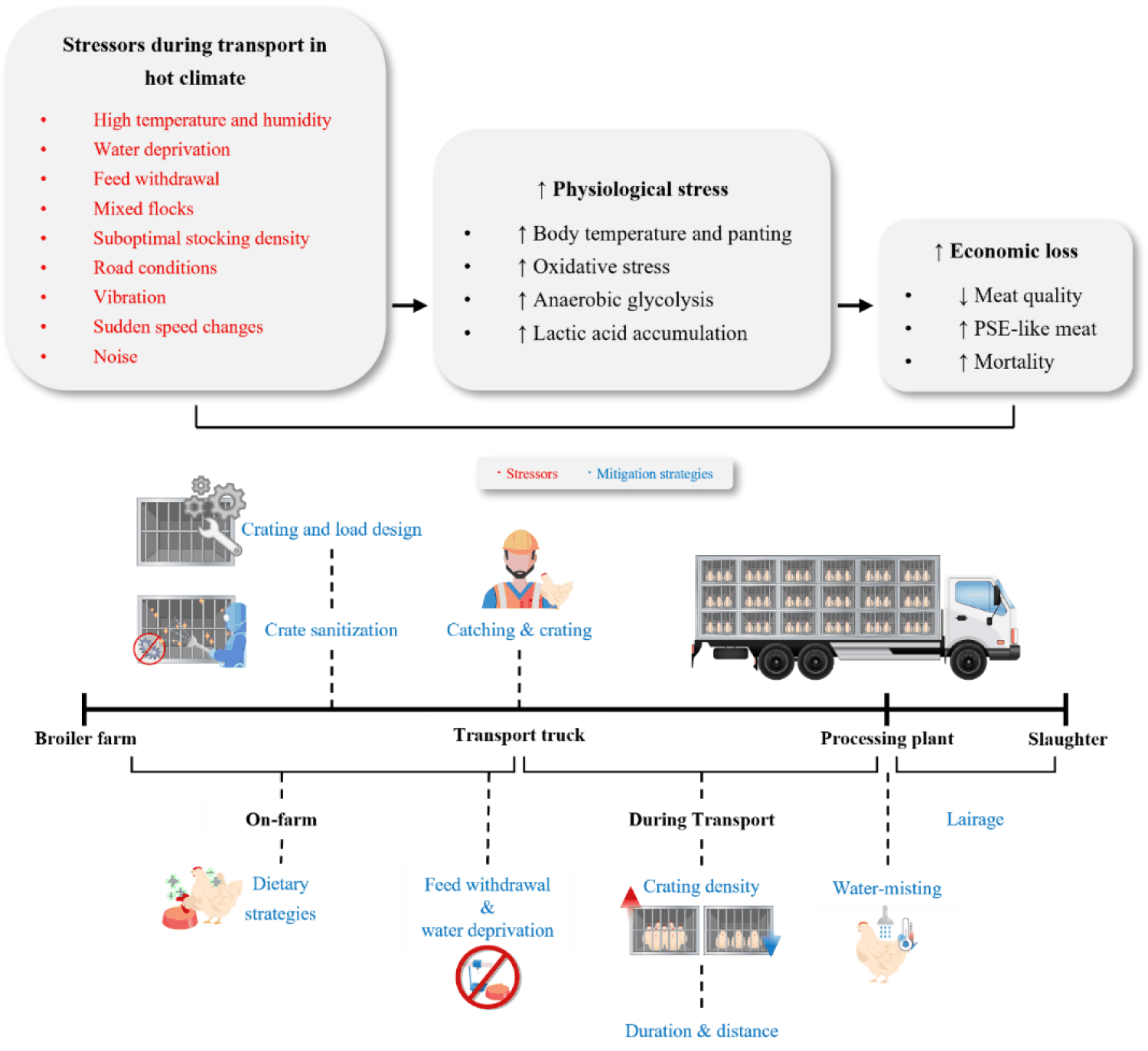
For planning, EFSA summarizes thermal risk using Apparent Equivalent Temperature (AET), which combines temperature and relative humidity inside containers: AET < 40 is a “safe” zone, 40–65 is an “alert” zone, and AET > 65 is a “danger” zone for heat stress [10]. In studies conducted in hot and humid weather (for example, approximately 27°C–34°C with approximately 53%–63% RH), longer trips (e.g., 160–240 km) and higher crating density (e.g., > 12 birds per crate or < 0.042 m² per bird) were associated with higher body weight loss, higher DOA, and poorer meat quality [9]. These values are not universal limits, but they provide practical reference points for screening risk and prioritizing interventions.
Across studies, results sometimes differ because weather, truck design, crate material, bird size, and handling time change the balance between heat storage and convective/evaporative heat loss. In the sections below, we therefore describe both the direction of effects and the main context factors that may explain why a strategy works in one setting but not in another.
PRE-TRANSPORT PROCEDURES
Table 1 summarizes the effects of various crate sanitization methods on crate hygiene. Although crate hygiene is often framed as a food-safety issue, it is also relevant to hot-climate transport because warm, humid conditions can accelerate microbial growth and increase ammonia volatilization from fecal residues. This can degrade in-crate air quality and increase respiratory burden, potentially compounding heat stress when evaporative cooling is already limited by high humidity. Crate sanitization should therefore be treated as a complementary welfare and risk-mitigation measure alongside ventilation and loading management.
| Crates | Sanitization methods | Observations | References |
|---|---|---|---|
| Used crates in a poultry processing plant | - Spray or immersion-based washing system | - Lower Campylobacter spp., total aerobic microbial count, and Escherichia coli were noted with the spray-based washing system. | [17] |
| - Reception platform after broiler removal, after cleaning and disinfection procedures in the transport crate sanitation room, or after 24 h of natural drying in a separate room | - 63% of the crates were Campylobacter-positive before cleaning and disinfection. - Higher Campylobacter was noted when cleaning, disinfection, and drying were ineffective. |
[78] | |
| - Drying with hot air, with or without sodium hypochlorite, for final disinfection | - Lower total aerobic bacteria and Enterobacteriaceae were reported when chemical disinfectant was used with hot-air drying. | [21] | |
| - None, immersion, or immersion with an ultrasonic water bath | - Lower aerobic plate counts and Enterobacteriaceae counts were seen after immersion in an ultrasonic water bath. | [19] | |
| Used fiberglass transport-coop flooring | - Water spray with benchtop control, flowing air, hot flowing air, or static hot air | - Lower bacterial counts were observed after spray washing followed by 15 min of ambient air drying. - Undetectable Campylobacter was reported when forced hot-air was applied for 15 min to spray-washed cage flooring. |
[22] |
| - None, water wash, water wash with sanitizer, or water wash with chlorine | - Spraying with tap water coincided with lower Campylobacter, E. coli, and coliforms. | [20] | |
| Artificially contaminated crates | - Ultraviolet LED light (1 or 3 min) | - Lower Campylobacter jejuni, Enterobacteriaceae, and total aerobic bacteria were observed. | [23] |
Since transport crates move repeatedly between farms and processing plants, contamination can be introduced and amplified across multiple nodes in the farm–transport–processing chain. Feces deposited in transport crates pose a substantial risk of cross-contamination [16]. Since crates are frequently reused across flocks, they can serve as reservoirs for Campylobacter spp. and Salmonella spp., increasing the risk of infection. Residual pathogens in inadequately sanitized crates may also be carried back to farms, particularly during thinning, when personnel and equipment enter poultry houses and create opportunities for cross-contamination [17]. The most significant crate-mediated risk arises when crates and modules that contacted contaminated fecal material are returned to farms without adequate cleaning and drying, enabling reintroduction and within-house spread.
Across studies, transport-crate bacterial loads can be reduced using multiple sanitization strategies, with effectiveness typically improving when physical cleaning is combined with heat or disinfectants. Washing crates with heated water (60°C), combined with detergent rinses and a disinfectant spray, reduces Enterobacteriaceae and Campylobacter counts [18]. An ultrasonic water bath at 60°C also reduces Enterobacteriaceae and aerobic plate counts [19]. Even spraying crates with tap water alone can substantially decrease Campylobacter, Escherichia coli, and coliform levels [20]. Compared with conventional soak tanks, spray-based washing systems show superior decontamination only when water temperature is maintained at 55°C–60°C [17], and combining hot forced air with disinfectant can further improve bacterial reduction on crate surfaces [21]. Across methods, decontamination performance depends on effective removal of organic matter and on maintaining key process conditions, such as washing system, disinfectant type and concentration, temperature, relative humidity, pH, and contact time, which can differ between controlled trials and commercial washing lines.
Beyond washing and disinfection, post-wash drying and heat-based steps can further reduce residual microbial loads. Allowing crates to dry for 24–48 hours can lower microbial loads to very low levels, sometimes below detection limits [20]. Exposing crates to airflow at 50°C for 15 minutes reduces Campylobacter, E. coli, and coliform counts [22], and dry conditions at moderately high temperatures can also impair Campylobacter survival [21]. Ultraviolet LED irradiation (260–270 nm) reduces Campylobacter jejuni, Enterobacteriaceae, and total aerobic counts, although some bacteria may remain detectable [23], however, its effectiveness may decline with long-term crate surface damage that creates bacterial harborage sites. Given that warm conditions promote pathogen proliferation and can worsen air quality, strict crate hygiene is particularly important for hot-climate transport operations.
Despite demonstrated efficacy, most studies were conducted under controlled conditions, with limited evidence specifically under high-temperature transport scenarios. In addition, the literature mainly quantifies microbial load reduction and rarely evaluates how crate hygiene protocols affect broiler welfare, mortality, and carcass quality under hot-climate conditions. Future research should optimize sanitization strategies for elevated ambient temperatures, where microbial proliferation and ammonia volatilization may impair module air quality, and evaluate microbiological, welfare, and economic outcomes, including the feasibility of advanced methods such as ultraviolet LED irradiation and ultrasonic baths in commercial systems [19,23]. Integrating hygiene with thermal and ventilation management through standardized operating procedures may yield the greatest risk reduction, especially when crate turnaround times are short and environmental conditions favor rapid microbial growth.
Effects of feed withdrawal and water deprivation on broilers are summarized in Table 2. Fasting before slaughter is a standard practice in broiler production, primarily to reduce the risk of carcass contamination by pathogens such as Salmonella and Campylobacter. To minimize contamination, broilers are removed from feeders and fasted for several hours before catching. In practice, feed withdrawal time is often reported as the total time off feed from feeder removal to slaughter, which includes catching, loading, transport, and lairage. Regarding carcass hygiene and viscera condition, periods of pre-slaughter feed withdrawal shorter than approximately 6–7 hours may be insufficient for gut emptying and increase the likelihood of digesta leakage during evisceration [24,25]. Withdrawal durations around 8–12 hours are often suggested as a practical compromise to support gut emptying while limiting excessive live weight loss [25,26]. Importantly, evidence that feed withdrawal duration directly and consistently improves specific meat-quality traits is mixed: some studies report little to no change in physicochemical properties across different withdrawal times, whereas others report alterations in pH and color with longer withdrawal, often depending on season and co-occurring pre-slaughter stressors [27–29]. However, excessively long feed withdrawal can adversely affect broiler welfare and carcass yield. For example, fasting for 15 hours may reduce carcass yield due to stress, such as feather-pecking [27]. In practice, pre-slaughter withdrawal targets involve an inherent trade-off: more protracted withdrawal reduces the likelihood of gut content leakage and carcass contamination. In contrast, prolonged deprivation increases dehydration and thermal strain, especially under hot, humid conditions. Therefore, withdrawal should be planned as total time off feed and water, with hot-weather operations prioritizing the shortest feasible total deprivation time that still meets processing hygiene requirements.
| Ambient temperature and humidity during transport | Pre-slaughter feed withdrawal or water deprivation | Observations | References |
|---|---|---|---|
| –22°C to 22°C | - The review article examined water deprivation limits in poultry transport | - Transport durations over 6 h may induce dehydration and stress. | [31] |
| 26°C and 70% RH | - Feed withdrawal for 8 h or not | - 8 h of feed withdrawal - With 8 h of feed withdrawal, a higher population of Lactobacilli was reported, while E. coli and Clostridium spp. counts in the ceca changed little. |
[79] |
| Not reported | - Feed withdrawal duration (9, 12, and 15 h) | - No differences in the physicochemical properties of meat. - The lowest carcass yields were observed in broilers fasted for 15 h. |
[27] |
| Not reported | - Feed withdrawal for 10 h or not | - Feed withdrawal coincided with lower body weight and lower blood triglycerides, uric acid, and triiodothyronine concentrations. | [28] |
| Autumn: 11.3°C and 91.9% RH Winter: –1°C and 85.4% RH |
- Feed withdrawal duration (8, 10, and 12 h) | - As withdrawal duration increased, meat pH increased and meat lightness decreased. - As withdrawal duration increased, the sensory characteristics of the meat were reported to improve. |
[29] |
| Not reported | - Feed withdrawal duration (0, 6, 12, and 18 h) | - Higher live weight loss was observed as feed withdrawal duration increased. - Lower coliform bacteria were observed as the feed withdrawal period increased. |
[26] |
| Not reported | - Feed withdrawal duration (0, 4, 8, 12, 16, 20, and 24 h) | - Higher crop pH and bacterial count were observed as fasting time increased. - Blood uric acid, glucose, and cholesterol concentrations were affected by fasting time. |
[24] |
Transport to slaughter exposes broilers to dehydration and thirst due to the common pre-slaughter practice of water deprivation. Not only feed but also water is typically withheld before and during transport primarily for operational and hygiene reasons, including reducing crate wetting and soiling, and since access to water is rarely available during loading, transit, and lairage [30,31]. Thirst is recognized as a negative motivational state that drives animals to seek water when access is restricted. Without the ability to drink, broilers not only experience negative emotional states but also suffer a net loss of total body water, leading to dehydration. Dehydration significantly impairs thermoregulation, reducing the birds’ ability to cool themselves and increasing the risk of hyperthermia and mortality, especially in hot climates [32]. The combination of increased mortality and dehydration-related declines in carcass quality presents serious economic consequences that must be considered. Supporting this, a study indicates that prolonged journeys accompanied by extended water deprivation are often associated with measurable physiological signs of dehydration and potentially adverse emotional states [31].
Although fasting and water deprivation protocols are well established for contamination control, their interaction with high ambient temperatures remains insufficiently studied. Prolonged withdrawal under high-temperature conditions may exacerbate dehydration and impair thermoregulation, increasing the risk of heat stress and mortality. Future work should define pre-slaughter withdrawal schedules that account for total deprivation time and the thermal environment, using integrated welfare and physiological responses alongside DOA and carcass quality metrics to minimize thermal and physiological stress under hot-climate conditions while maintaining carcass quality.
The effects of catching and crating on broilers are summarized in Table 3. Catching and crating broilers before transport is a critical pre-slaughter stage that can significantly influence stress levels, injury rates, and DOA. Under hot-climate conditions, birds at this stage are highly susceptible to thermal stress because they are handled and crowded, with restricted convective cooling, and because agitation, such as wing flapping, increases metabolic heat production and panting, which can accelerate dehydration and hyperthermia even before the truck departs. Poor handling techniques at this stage often result in fractures, bruising, and physiological distress, compromising broiler welfare and ultimately affecting production performance.
| Breed | Catching or crating | Observations | References |
|---|---|---|---|
| Broilers | - Two manual catching methods (inverted and upright catching methods) | - Crating time was shorter in the upright catching method. - More wing fractures were observed with the inverted catching method. |
[80] |
| - Wing flapping was observed more frequently in broilers caught with the inverted than the upright catching method. - Epiphysiolysis (growth-plate injury) was observed more frequently in broilers caught with the one-legged than the two-legged catching method. |
[35] | ||
| - Manual and mechanical loading | - A smaller number of broilers with a hematoma on the wing were observed after manual loading compared with mechanical loading. - Severe wing injuries did not differ between the loading methods. - The number of broilers DOA was greater in mechanically loaded flocks. |
[81] | |
| - Wing flapping frequency was lower for upright catching compared to inverted catching. - The prevalence of catch damage was lower with upright catching than with mechanical catching. |
[82] | ||
| - Various factors during loading with a loading machine | - As rotation and conveyor belt speed increased, the risk of most behaviors or impacts rose, except that escape behavior became less likely. - Greater escape behavior corresponded to a lower risk of severe injuries. - Wing flapping and bumping against the machine or container were linked to a higher risk of hematomas and abrasions. |
[83] | |
| Cobb broilers | - Operational and human factors during catching and crating | - Shed curtain position influenced broiler agitation; closed curtains coincided with less wing flapping during catching but more agitation inside transport crates. - Longer loading times were accompanied by greater worker fatigue, lower handling quality, and more wing flapping and crate collisions. - When broilers were caught individually in an upright position, less agitation, fewer crate collisions, and lower stress were reported than when two birds were carried together. - Individual differences among catchers affected broiler agitation and crate collisions. - A higher likelihood of broilers striking the crate entrance was reported when transport crates were placed directly on the litter, likely because the extra physical strain on catchers may reduce handling precision. - Gentle placement into crates coincided with less agitation but a higher likelihood of birds striking the crate entrance. |
[84] |
Inverted catching, in which birds are grasped by one or both legs and carried upside down before being placed into crates, remains common in commercial practice. However, this technique has been widely criticized due to its association with a heightened risk of injury and physiological stress. Broilers caught by one leg are more prone to hip dislocations and severe thigh hemorrhage [33], whereas catching by both legs, while providing greater stability, may prolong handling time and trigger excessive wing flapping, which can exacerbate stress responses and increase thermal and dehydration burden in hot, humid conditions [34]. Given these drawbacks, catching birds by both legs while supporting the body has been recommended to help limit welfare concerns and reduce the risk of injury. Upright catching, where birds are carried with their breasts supported and wings restrained, has been proposed as a more humane alternative [10]. This method may reduce handling-induced distress and is increasingly considered for manual depopulation [35]. However, its practicality in large-scale commercial operations remains questionable, as it is more labor-intensive than conventional inverted catching, and it may increase worker fatigue and prolong the time birds are exposed to pre-slaughter heat and humidity.
To balance welfare considerations with efficiency, mechanical catching systems have been introduced, reducing the need for direct human-animal contact. These systems can be broadly classified into forced and unforced catching methods. Forced mechanical catching employs rotating mechanisms with soft, rubber-like components to grasp and collect birds, whereas unforced mechanical catching utilizes a conveyor-belt system that transports broilers in an upright position, eliminating the need for direct physical restraint [36]. In hot-climate conditions, mechanized systems may reduce time-to-load and cumulative thermal exposure, but higher operating speeds and impacts can increase the risk of bruising and injury, highlighting a practical trade-off between thermal risk reduction and mechanical damage. While mechanical catching has been associated with a faster return to normal heart rate and a shorter duration of tonic immobility than inverted manual methods, it has also been linked to a higher incidence of injuries and higher DOA rates [37]. Overall, outcomes appear mixed and may depend on equipment design, operating speed, and on-farm handling conditions at the time of depopulation.
Despite extensive evaluation of manual and mechanical catching techniques for welfare and efficiency, their suitability under high-temperature conditions remains poorly understood. Extended handling times during depopulation may prolong exposure to heat, potentially compounding thermal stress before transport. In addition, delays during pre-loading can prolong crowding and restricted ventilation, further elevating the thermal load. Since hot-climate risk is time-dependent, any approach that shortens handling duration may lower thermal load, but overly rapid handling can compromise placement quality and increase collisions or injuries, therefore, both thermal and physical risks should be managed concurrently. Future research should clarify the impact of different catching methods in hot climates and develop handling protocols that minimize both thermal and physical stress while maintaining operational efficiency.
Studies investigating the effects of dietary supplementation with feed additives on broilers before transport in hot-climate conditions are summarized in Table 4. A common nutritional intervention used to help limit transport stress and support welfare and meat quality outcomes in broilers under hot-climate conditions involves supplementing feed additives either only during the final few days to about two weeks before slaughter, or continuously throughout the production cycle from hatch to slaughter. Across the literature, reported benefits are typically evaluated using physiological and welfare indicators, as well as postmortem meat quality traits, rather than growth performance outcomes. Notably, the evidence base includes both field observations during hot-weather transport and controlled studies using experimentally induced heat or transport stress, so reported responses should be interpreted with consideration of the thermal load and transport intensity. Various dietary supplements, including creatine, guanidinoacetic acid, resveratrol, vitamins, betaine, L-theanine, and selenium, have been studied for their potential to mitigate transport-induced stress. These additives are proposed to act mainly through two pathways, by supporting antioxidant or anti-inflammatory defenses and by modulating muscle energy metabolism and early postmortem glycolysis, and may thereby help limit transport-associated welfare impairment and meat quality deterioration.
| Ambient temperature and humidity during transport | Dietary strategies | Observations | References |
|---|---|---|---|
| 17°C–23°C and 27% RH | Betaine | - Lower expression of stress-related transcripts and modulation of water channels were reported, without clear improvement in broiler meat quality. | [45] |
| 11.5 ± 2.1°C and 76.5% RH | - Feeding betaine from hatch to transport before slaughter coincided with better growth performance and less meat quality deterioration in transported broilers, possibly through changes in muscle anaerobic glycolysis and antioxidant capacity. | [46] | |
| 28.7 ± 4.1°C and 80.3% RH | Creatine monohydrate | - No effect on antioxidant capacity | [40] |
| 26.8°C–31.5°C and 77.6%–83.1% RH | - Less transport-induced rapid muscle glycolysis and less meat quality deterioration were observed. | [39] | |
| Not reported | Vitamin A, D, E, K, B, and C | - No difference in body weight, heart rate, rectal temperature, respiratory rate, or hematological conditions between the birds supplemented with vitamins transported at a distance of 90 km and the birds not transported. | [47] |
| 32°C and 80% RH | Vitamin C | - A lower heterophil-to-lymphocyte ratio and shorter tonic immobility duration were reported. | [49] |
| 31.5 ± 1.1°C and 35.0 ± 3.7% RH | Vitamin C or chromium | - No effect on performance parameters - Either alone or in combination, chromium corresponded to higher plasma total antioxidant capacity. - Shorter tonic immobility duration was noted with chromium + vitamin C. |
[50] |
| 30.2°C–34.8°C and 71%–80% RH | Resveratrol | - Less meat quality impairment, lower muscle anaerobic glycolysis, and higher muscle antioxidant capacity were observed. - Higher muscle glycogen content and total superoxide dismutase and glutathione peroxidase activities, together with lower muscle malondialdehyde content and lactate dehydrogenase activity, were reported. |
[51] |
| 31.2°C–34.6°C and 65%–91% RH | L-theanine | - Less transport-stress-related impairment in immune organ indexes and meat quality was reported. | [52] |
| 27.0°C–32.6°C and 77.8%–87.8% RH | Guanidinoacetic acid | - Metabolic differences were observed in carbohydrate metabolism, energy metabolism, and oxidative stress metabolism. - Higher high-energy compound content in the pectoralis muscle and less meat quality deterioration under pre-slaughter transport stress were observed. |
[42] |
| Not reported | - Lower muscle energy expenditure and delayed anaerobic glycolysis were noted. | [43] | |
| 25 ± 2°C and 42%–44% RH | Selenium-enriched Cardamine enshiensis | - Lower transport-stress-induced body weight loss, higher antioxidative capacity, and less meat quality impairment were seen. | [53] |
Energy-buffering strategies that modulate early postmortem metabolism have been evaluated using both short pre-slaughter supplementation and hatch-to-slaughter feeding programs. Creatine supplementation is primarily considered for its role in muscle energy buffering. By supporting the phosphocreatine system and cellular energy status, creatine may attenuate the acceleration of early postmortem glycolysis caused by transport and heat stress. This may lower the risk of a rapid pH decline while muscle temperature remains elevated and reduce susceptibility to PSE-like defects. Consistent with this rationale, studies have reported improved energy status and reduced glycolysis-associated deterioration in transport-stressed broilers [38,39]. In contrast, the effects of creatine supplementation on oxidative status appear less consistent across transport studies, indicating that its strongest support is for glycolysis-related endpoints [39,40].
Guanidinoacetic acid, synthesized from arginine and glycine, is a natural precursor to creatine and phosphocreatine. These high-energy molecules help sustain cellular metabolism by preventing excessive accumulation of adenosine diphosphate (ADP) during periods of high energy demand [41]. Supplementation from hatch to slaughter has been reported to be associated with significant metabolic changes, including enhanced carbohydrate and energy metabolism, lower oxidative stress, and increased high-energy compound content in the pectoralis muscle, and these changes were accompanied by less transport-induced deterioration in meat quality [42]. Additionally, supplementing guanidinoacetic acid for 14 days before slaughter has been reported to be associated with lower muscle energy expenditure and delayed anaerobic glycolysis during transport stress [43]. Together, these findings suggest that both lifelong and short pre-slaughter supplementation can influence muscle energy status and early postmortem metabolism under transport stress. Overall, mechanistic evidence for a direct influence on postmortem glycolysis is relatively stronger for energy-buffering-related additives such as creatine and guanidinoacetic acid than for most other supplements discussed in the review.
Betaine, a trimethyl derivative of glycine, is widely distributed in biological systems and plays a crucial role in growth regulation, nutrient metabolism, osmotic balance, and antioxidant defense. As a methyl donor, betaine reduces plasma homocysteine levels by facilitating its conversion to methionine, which may support anti-stress responses [44]. It also functions as an osmolyte, accumulating within cells to help maintain water retention and cell volume under heat stress. Furthermore, betaine contributes to creatine synthesis in skeletal muscle by donating a methyl group to guanidinoacetate via the methionine cycle. Betaine supplementation has been reported to be associated with less transport-related water-deprivation stress, possibly through modulation of water channels and stress-related gene expression, although it does not significantly improve meat quality under certain short-term protocols [45]. By contrast, studies using hatch-to-slaughter supplementation have reported better growth or less transport-associated deterioration in meat quality, potentially through combined effects on glycolysis regulation and antioxidant capacity [46]. These results indicate that outcomes may depend on supplementation duration, baseline heat load, and the relative contribution of dehydration versus metabolic stress during transport. Thus, for betaine, evidence is more consistent for hydration-related endpoints, whereas effects on postmortem glycolysis and meat quality appear more context-dependent.
Vitamin-based supplementation has been explored as a pre-transport nutritional strategy to buffer stress and oxidative challenges and to maintain physiological stability in broilers during hot-climate transport. In one study, a vitamin complex was associated with less severe transport-associated physiological disturbances compared with transported controls, with some measures not different from the non-transported control, suggesting potential benefits over longer distances [47]. Among vitamins, vitamin C (L-ascorbic acid) is well known for its antioxidant properties, which may help protect cells from oxidative damage. While birds can synthesize vitamin C endogenously, their ability to do so declines under stress [48]. Supplementation with vitamin C has been associated with lower oxidative stress during transport, as evidenced by a lower heterophil-to-lymphocyte ratio and shorter tonic immobility duration, an indicator of fear response [49]. Additionally, vitamin C and chromium have synergistic antioxidant effects. Chromium enhances intracellular vitamin C availability by amplifying insulin action, and its combined supplementation before transport has been associated with higher plasma total antioxidant capacity and lower stress indicators in transported broilers [50]. On the other hand, compared with energy-buffering strategies, evidence directly linking vitamin-based interventions to consistent alterations in postmortem glycolysis or specific meat-quality traits is more limited, as many studies primarily report stress or oxidative biomarkers and do not consistently observe changes in meat quality [47,49,50].
Heat stress rapidly increases oxidative damage, so antioxidant-oriented additives are often used as a mechanism-based approach that may help protect muscle tissues and maintain meat quality. Resveratrol supplementation from hatch to slaughter has been reported to help limit transport-related declines in meat quality by enhancing muscle antioxidant capacity and suppressing excessive anaerobic glycolysis [51]. L-theanine supplementation from hatch to transport has likewise been reported to be associated with less transport-induced loss in immune organ indices and meat quality by modulating muscle glycolysis and redox status [52]. Selenium, a key cofactor for antioxidant enzymes such as glutathione peroxidase, may help reduce oxidative stress and has been associated with lower body-weight loss and improved meat quality under transport stress when provided from hatch to slaughter [53]. Overall, responses are most consistent for oxidative stress markers and downstream meat quality, but remain dose-, duration-, and microclimate-dependent.
The most directly supported energy-buffering mechanism is observed for creatine-related strategies under transport-stress models [39,43]. For many other supplements, evidence is stronger for reducing oxidative or stress responses than for consistent, causal changes in postmortem glycolysis or specific meat-quality traits across diverse commercial conditions [47,49,50,53]. A practical way to improve decision value is to match the additive category to the dominant risk: creatine-related strategies when rapid glycolysis and PSE-like risk are primary concerns, betaine when dehydration and osmotic stress are likely, and antioxidant-focused programs when oxidative stress is expected to be substantial.
Providing feed additives has been reported to modulate physiological stress responses and to be associated with less transport-associated meat quality deterioration during broiler transport under hot-climate conditions. Most studies indicate that not only lifelong feeding but also short-term supplementation before slaughter yields measurable responses, making it a potentially useful strategy that may help limit welfare, DOA, and meat-quality-related processing losses under hot-climate transport conditions. However, because study designs vary widely in supplementation duration, transport intensity, and endpoint selection, practical recommendations should be tailored to the expected thermal load and the primary risk target.
TRANSPORT CONDITIONS
Studies investigating the effects of crate and load design on broiler transport are summarized in Table 5. Optimized crate and load design, including crate structure, stacking configuration, and vehicle airflow pathways, can be important for limiting heat stress and production losses during broiler transport, especially in hot climates. Given that many studies are field-based and that multiple operational factors (e.g., ambient conditions, crating density, handling, and truck speed) can co-vary with design changes, reported outcomes should generally be interpreted as context-dependent associations rather than as strictly causal effects of a single modification. Plastic crates have been found to maintain lower temperatures than iron crates and to be associated with more stable blood glucose and lactate levels, which may indicate lower heat strain under the tested conditions, suggesting that they may be a more suitable option for hot-climate transport [54]. Meanwhile, increasing crate height, which was tested as a potential welfare improvement, did not show a clear benefit. Instead, doubled-height crates were associated with increased heterophil-to-lymphocyte ratios and higher incidences of bruising and scratches on the wing, breast, and thigh, suggesting that crate height modifications may not be a viable solution [55].
| Ambient temperature and humidity during transport | Crate and load design | Observations | References |
|---|---|---|---|
| 30°C and 40% RH | - Iron and plastic crates | - Plastic crates coincided with lower glucose and lactate levels after transport and lower skin temperature before and after transport. | [54] |
| Not reported | - Standard crates and crates of doubled height | - Doubled-height crates were linked to higher heterophil-to-lymphocyte ratios, as well as more wing, breast, and thigh bruises and scratches. | [55] |
| 28.7 ± 2.6°C and 53.8 ± 9% RH | - Regular and prototype truck (regular vehicle modified by the introduction of eight flaps, four on each side of the truck) | - No difference in DOA. - The prototype truck corresponded to less PSE-like meat. |
[57] |
| 25°C and 75% RH | - Conventional layout and alternative layout with spacers | - Spacers in the alternative layout were accompanied by better airflow between crates, but internal ventilation did not clearly improve. | [5] |
| - Conventional layout, central span, and air corridor | - Better ventilation and air circulation were seen with the central-span layout. - The air corridor layout had a limited impact on ventilation. |
[6] |
Microclimate conditions inside the load can vary strongly by crate location. Studies report higher stress, greater body weight loss, and higher mortality in rear or lower rows, which may reflect weaker airflow and more heat and moisture build-up in these zones [4,11,56]. Because many open-sided trucks rely mainly on passive airflow, loading and stacking should aim to deliver air to all parts of the load and to limit “thermal core” areas during hot and humid weather.
To address ventilation challenges, a prototype truck with eight lateral flaps, four on each side, was tested to evaluate its effect on DOA rates and the occurrence of PSE-like meat [57]. While the modifications did not significantly reduce DOA rates, they were associated with a more stable thermal environment in the middle and rear sections, and a lower incidence of PSE-like meat. Beyond these truck-level modifications, adding spacers between crates improved external airflow but did not significantly enhance ventilation inside the crates, indicating that crate design has a greater impact on internal airflow than external ventilation adjustments [5]. Alternative load layouts were also evaluated, and a central-span layout was associated with better internal airflow and lower heat stress, whereas an air-corridor layout had limited effect [6]. Together, these studies indicate that increasing inter-crate air gaps is insufficient unless it results in meaningful in-crate air exchange. Extreme non-standard loading and transport practices that fail to provide adequate support and restraint have been associated with marked behavioral and physiological stress responses, including prolonged tonic immobility [58], underscoring the importance of adequate support and restraint as a core design requirement for crate-and-load systems.
Overall, crate-and-load design may help reduce heat stress and losses in hot climates, but its effects are often context-dependent, and integrated evidence on how crate geometry, stacking, density, and vehicle airflow interact remains limited. Future work should integrate these factors with airflow mapping to identify and mitigate thermal core zones within the load under commercial conditions.
Studies investigating the effects of crating density are summarized in Table 6. Crating density determines the metabolic heat and moisture load per unit crate area and the birds’ capacity for postural adjustments. In hot weather, crating density mainly affects the temperature and humidity inside the crate and how well birds can cool themselves by panting, but it can also affect how stable birds remain during vibration, braking, and turning [7,28,59]. Thus, comparisons should therefore be interpreted alongside ventilation capacity and journey conditions.
| Ambient temperature and humidity during transport | Crating density | Observations | References |
|---|---|---|---|
| 28°C–32°C | - 0.090, 0.075, 0.064, 0.056, and 0.050 m2/bird | - Mortality was higher at higher crating densities, while greater body weight loss at night was seen at lower densities. | [8] |
| Not reported | - 0.0575 and 0.0350 m2/bird | - At lower crating density, lower rectal temperature and stress levels, together with better thermoregulation, were reported. - No effect on meat quality |
[28] |
| 27.2°C–33.6°C and 52.7°C–62.9% RH | - 0.050, 0.042, and 0.033 m2/bird | - Lower cooking loss and shear force, and higher marinade retention, were observed at low crating density than at higher crating density - Lower thaw loss was observed at medium crating density than at higher crating density - Higher cooking loss, thaw loss, shear force, and lightness were observed at higher crating density than at other crating densities |
[61] |
| - Higher crating density corresponded to higher mortality, body weight loss, and serum catalase activity, along with lower carcass yield. | [9] | ||
| Summer: 30°C and 40% RH Winter: –1°C and 47% RH |
- 0.039, 0.031, and 0.026 m2/bird | - Compared with lower crating densities, higher crating density coincided with lower body weight loss, blood lactate levels, and respiratory frequency, regardless of ambient climate. | [60] |
| Summer: 27°C and 80% RH Winter: –9°C and 60% RH |
- 0.097, 0.087, 0.078, 0.071, and 0.065 m2/bird | - More sitting behavior was seen at higher crating densities, whereas more standing behavior was seen at lower crating densities during transport. | [7] |
| Not reported | - Plastic crate: 0.043 and 0.062 m2/bird - Container crates: 0.049–0.050 and 0.063–0.064 m2/bird |
- Higher DOA, confiscations, limb injuries, and bruising were observed when loading density was reduced. | [59] |
In controlled experiments where crating density is varied while other factors are kept mostly constant, tighter space allowances consistently lead to greater heat strain, including higher cloacal or rectal temperatures and more moisture buildup from panting [7,28]. By contrast, commercial field datasets sometimes show higher DOA or injury rates at lower crating densities, likely because birds move more and collide more under road vibration and variable handling, and since weather, route, and module setup can still confound the results [8,59]. These field findings do not mean that giving more space is harmful by itself; rather, they suggest that when crate stability and handling are poor, more space can shift the main risk from heat load to collision-related injuries.
The effects of crating density are strongly modified by humidity and journey duration. At high RH, evaporative cooling is constrained, so the additional moisture generated by panting at high densities can further reduce heat dissipation. Under hot, humid conditions during long-distance transport, higher densities are more often associated with higher mortality and greater physiological stress, and studies assessing meat quality also reported poorer breast meat quality. Conversely, for short journeys, night-time transport, or well-ventilated loads, the thermal penalty of tighter loading may be smaller, and outcomes may be dominated by handling quality, crate design, and measurement timing [8,60].
In practice, density targets should be set as part of a heat-and-moisture-removal problem, not as a standalone value. For a given bird weight and crate or module, safer densities in hot climates are those that avoid sustained hyperthermia and humidity build-up under the expected journey duration and weather and maintain sufficient stability to minimize collisions and limb or wing injury [7–9,28,59–61]. Reporting a minimum core dataset (bird weight, space allowance, crate and load design, ambient temperature and RH, ventilation strategy, and journey duration) would substantially improve cross-study synthesis and support decision thresholds that are generalizable.
Studies investigating the effects of transport duration and distance are summarized in Table 7. Across the studies, transport duration ranges from 30 min to 5 h (some studies include 0 h controls), and transport distance ranges from 15 km to 320 km, with some field datasets reporting categories above 300 km. Duration and distance primarily increase the time birds are exposed to heat, humidity, vibration, and to feed and water deprivation. In practice, “risk time” is best described as the total time from catching to slaughter, including waiting and lairage, not only driving time [3]. In commercial field data, longer trips often also involve changes in route, time of day, module setup, and loading practices, so results should be interpreted carefully.
| Ambient temperature and humidity during transport | Transport duration or distance | Observations | References |
|---|---|---|---|
| 20°C | 2, 3, 4, and 5 h | - Drip loss, meat color, and resting behavior changed as transport duration increased. | [64] |
| 29°C–32°C and 90.2%–94.5% RH | 0, 0.5, 1, 2, and 3 h | - Longer transport duration was accompanied by higher body weight loss, higher plasma adrenocorticotropic hormone, cortisol, and corticosterone, higher glutathione peroxidase activity and breast muscle drip loss, and lower total antioxidant capacity. | [62] |
| 23.5 ± 1.5°C and 84.6 ± 5.3% RH | 15 and 90 km | - Longer transport duration corresponded to higher final pH and redness, together with lower lightness, yellowness, and cooking loss. | [65] |
| Summer 25°C–35°C, Autumn 15°C–25°C, and Winter 10°C–20°C | 15, 50, and 150 km | - With increasing transport distance, glucose and lactate dehydrogenase decreased, whereas the heterophil-to-lymphocyte ratio and corticosterone increased. - Higher corticosterone was observed at 50 km, especially in longer transport (150 km) |
[63] |
| Not reported | Less than 40 km, 70–80 km, and 140–150 km | - Shorter transport tended to show better meat quality and a lower incidence of PSE breast meat and bruising. | [67] |
| 39.08°C–40.89°C and 0.34%–16.61% RH | 40, 70, and 130 km | - Longer transport coincided with lower cooking loss and yellowness, along with higher redness. | [85] |
| 15°C and 60% RH | 70 and 250 km | - With increasing transport distance, protein and ash values decreased, whereas fat value increased in breast meat. - With decreasing transport distance, crude fat decreased and crude ash increased in thigh meat. |
[86] |
| 27.2°C–33.6°C and 52.7°C–62.9% RH | 80, 160, and 240 km | - With increasing transport distance, body weight loss and DOA increased. - The long journey (240 km) corresponded to lower carcass and breast yield. |
[9] |
| - Higher drip loss, thaw loss, cooking loss in raw and marinated breast, and meat shear force were observed in longer transport. - Meat pH at 2 h postmortem was higher in shorter transport than in longer transport. |
[61] | ||
| 33°C | 30, 90, and 180 min | - The occurrence of PSE-like meat was higher in broilers subjected to shorter journeys and lairage periods, whereas DOA was more pronounced during longer transport durations. - Redness increased, while lightness decreased, with increasing transportation duration. |
[77] |
| Not reported | 0, 80, 160, 240, and 320 km | - Longer transport distances were linked to higher meat firmness and lower pH. - Meat color varied with transport distance. |
[66] |
| 14.5°C, 4.8°C, 17.4°C, and 24.3°C in the autumn, winter, spring, and summer | Less than 50 km, 51–150 km, and more than 151 km | - Higher total body weight loss was observed with longer transport distance. (Total loss was higher in summer than in other seasons.) | [87] |
| Spring 8.2°C, Summer 18.6°C, Autumn 9.2°C, Winter 0.5°C | ≤ 50, 51–100, 101–200, 201–300, and > 300 km | - Transport-related mortality increased with transport distance, peaking at > 300 km. | [88] |
Controlled studies generally show that longer transport increases body weight loss and physiological stress, especially under hot and humid conditions where cooling by evaporation is limited [62,63]. Meat quality results are less consistent, but longer duration or distance has been linked to changes in pH, color, and water-holding capacity [64–66]. In hot climates, long journeys are more often associated with higher DOA and stress when ventilation and microclimate control are insufficient, whereas well-ventilated night transport or shorter trips may reduce heat strain and shift concern toward bruising or mechanical injury [9,61,67]. These effects also depend on crating density and RH, since heat and moisture build up over time and risk rises when RH is high and evaporative cooling is constrained [7,9].
For commercial decision-making, plan catching time, loading rate, route choice, and slaughterhouse capacity to shorten total deprivation time and avoid mid-day heat peaks [63,67]. If long trips cannot be avoided, prioritize ventilation-aware loading and active microclimate control to limit hot and humid zones within the load, rather than relying on distance reduction alone [4–6]. Overall, the most practical recommendation is to minimize total time from catching to slaughter and to match ventilation and cooling capacity to the expected transport time under prevailing temperature and RH conditions [62,63,67], especially when heat and high RH are expected, and crating density is high [7,9].
POST-TRANSPORT PROCEDURES
Studies investigating water-misting before or after broiler transport in hot-climate conditions are summarized in Table 8. The cooling benefit of misting depends on airflow: when droplets evaporate under adequate ventilation, surface cooling may reduce thermal strain, but when airflow is insufficient, misting can raise local RH and further constrain evaporative heat loss [68–71]. Commercial field data suggest that pre-departure misting can be associated with lower DOA, but these comparisons are vulnerable to confounding by weather, flock condition, journey duration, and module configuration, so causal inference should be cautious [68].
| Ambient temperature and humidity during transport | Water-misting technology | Observations | References |
|---|---|---|---|
| 30°C | Water spraying just before transportation | - No effect on hematology, hormonal status, and meat quality | [89] |
| 30°C and 62%–78% RH | Load wetting method | - Load wetting appeared to have only momentary, transient effects in attenuating the ambient conditions of the broiler load. | [90] |
| Not reported | Water-misting sprays with forced ventilation | - Better meat quality and a lower occurrence of PSE-like meat were reported. | [71] |
| 32°C–35°C | Water shower spray after transport | - Less protein denaturation, better water-holding capacity, and less meat quality deterioration were observed. | [70] |
| 32°C and 56% RH | Three-dimensional ventilation and water-misting spray | - Higher muscle pH and lower lightness, drip loss, cooking loss, creatine kinase, lactate dehydrogenase activity, plasma glucose content, lactate, and glycolytic potential were reported. | [91] |
| 32°C | - Higher storage modulus, hardness, and chewiness in meat were noted. | [69] | |
| - Lower drip loss, cooking loss, and thawing loss in meat were seen. | [72] |
Across controlled studies, the most consistent improvements are reported when misting is integrated with forced ventilation to reduce within-load temperature-RH variability and support recovery after arrival [69,71,72]. Under these conditions, studies report favorable shifts in pH, color, and water-holding capacity and a lower incidence of PSE-like defects, whereas misting without sufficient airflow can yield inconsistent physiological benefits [69–72].
In hot climates, misting should be deployed as a ventilation-supported cooling strategy rather than as a stand-alone intervention. Implementation should therefore be conditional on verified airflow delivery, with attention to water use, infrastructure requirements, and economic feasibility at commercial scale [69–72].
Studies investigating lairage management after broiler transport are summarized in Table 9. Lairage can facilitate recovery if it provides effective cooling and ventilation, but it can also extend deprivation time and prolong heat exposure when microclimate control is inadequate. Since the available evidence spans controlled trials and commercial observational datasets, optimal time thresholds should be interpreted cautiously, in relation to the preceding journey and the facility’s cooling capacity [8,73].
| Ambient temperature and humidity during transport | Lairage management | Observations | References |
|---|---|---|---|
| 0°C–26°C | Lairage (15–555 min) or not | - Higher huddling prevalence and more splayed legs were observed - Lower body temperature and plumage cleanliness, and fewer supine birds or birds with wings stuck in crates, were observed. |
[3] |
| 33°C | Lairage duration (30, 90, 180 min) | - The occurrence of PSE-like meat was higher in broilers subjected to shorter lairage periods, whereas DOA was more pronounced during longer lairage periods. | [77] |
| 24°C–26°C and 41%–65% RH | Lairage duration (0, 2, 4, 6 h) | - With longer lairage, lower lymphocytes, plasma triglycerides, glucose, pH, and redness of breast fillets were observed, whereas the heterophil-to-lymphocyte ratio, basophil count, lactate dehydrogenase activity, cholesterol levels, and lightness of breast fillets were higher. | [92] |
| 18°C–22°C | Lairage duration (Varied by commercial farm) | - Lower rectal temperature was observed as lairage time increased. | [74] |
| - Lower pre-slaughter mortality was observed during summer when lairage time was increased, mainly after one hour of exposure to a controlled environment. - Lairage for 3 to 4 h in a controlled environment during summer and spring coincided with lower thermal load in broilers. |
[2] | ||
| - A lower mortality rate was observed with 2 h of lairage in a controlled environment. - No effect on the mortality rate during the night. |
[93] | ||
| Morning: 19.5°C–31.1°C and 68 ± 23% RH, afternoon: 24°C–35°C and 55 ± 21% RH, and night: 23.7°C and 82 ± 15% RH | - A lower incidence of death losses was observed when lairage time was between 1 and 3 h under high temperatures (> 22°C). - Lower mortality was observed when lairage exceeded 3 h (> 28°C). |
[75] | |
| –22.6°C to 22.3°C (median 6.1°C) | Lairage duration (Varied by commercial farm) and temperature | - Lairage duration had no effect on DOA. - Slightly lower mortality was marginally linked to increased fan use. |
[94] |
| Not reported | Pre-slaughter holding-room lighting (blue LED, 18 lux, 15 s vs. white LED, 321 lux, 15 s) | - Lower corticosterone, shorter bleeding time, and higher carcass quality were observed under blue lighting than under white lighting. | [95] |
Across studies, the most consistent determinant of welfare benefit is not lairage time per se, but whether the holding microclimate rapidly reduces body temperature and stabilizes respiration under the prevailing ambient temperature-RH conditions [74,75]. Prolonged holding without adequate cooling can exacerbate dehydration and fasting-related weight loss and may increase microbial proliferation, whereas climate-controlled lairage may reduce thermal strain and pre-slaughter losses [8,76].
Reported associations between lairage duration and mortality or meat quality are mixed and often confounded by total deprivation time, transport conditions, and processing plant capacity. Some datasets link short lairage to a higher incidence of PSE-like meat, while longer lairage can be associated with lower DOA when cooling is effective; however, these patterns should not be interpreted as strictly causal effects of time alone [77].
In practice, lairage should be treated as an active recovery step with defined microclimate targets and verified airflow distribution. In hot climates, a short, well-ventilated lairage may be preferable to a longer holding period without effective ventilation. When cooling capacity is sufficient, a modestly longer lairage can support recovery after longer or hotter journeys [74,75]. In practice, this requires matching lairage capacity to expected arrival peaks and prioritizing rapid unloading and stabilization when ambient heat and relative humidity are high.
CONCLUSION
Hot-climate transport works best when farms, transporters, and plants manage the whole chain: total deprivation time, within-load heat and humidity build-up, and recovery conditions after arrival.
Pre-transport (on farm): Plan feed withdrawal and water access as total deprivation time (catching, waiting, transport, and lairage). Schedule catching or loading at night or early morning when possible, and avoid long waiting under direct sun. Use clean, dry crates and handle birds calmly to limit stress and bruising.
In-transit: Use ventilation-aware stacking and loading so that airflow reaches all parts of the load. Adjust crating density and journey planning based on forecast weather and expected delays. Use misting only when airflow is strong; otherwise, added water can increase humidity and weaken cooling.
Post-transport (lairage): Treat lairage as an active recovery step. Provide shade and effective ventilation with cooling, and avoid long holds without microclimate control. Monitor birds for panting and open-wing posture, and track DOA as an outcome indicator to improve the next transport plan.
Overall, most interventions show context-dependent effects because temperature, humidity, truck design, crate type, bird size, and handling time all change heat and moisture balance. For this reason, future work should report weather and within-load conditions clearly and test combined strategies across the full transport chain, rather than single actions in isolation.