INTRODUCTION
The atmospheric pollutants produced in poultry houses, notably carbon dioxide, ammonia (NH3), methane (CH4), hydrogen sulfide (H2S), nitrous oxide (NO), and particulate matter (PM), pose a hazard to the health of both chickens and farm workers. Airborne contaminants are predominantly generated from chicken bodies (feathers and skin dander), feed particles, litter, and feces, the concentrations of which are significantly influenced by environmental factors, including chicken activity, rearing conditions, litter moisture content, and humidity [1].
PM is an important class of air pollutant generated in poultry houses, which contributes to increases in atmospheric pollution when released into the external environment. Particles generated in poultry houses are potentially harmful to the respiratory health of both chickens and workers, particularly PM2.5, which has a fine particle size and can penetrate the lung alveoli after entering the respiratory tract [2,3]. Additionally, elevated concentrations of PM10 may contribute to increasing the risk of chronic bronchitis, asthma-like symptoms, cardiovascular diseases, and lung disease [4,5]. In addition to PM, NH3, produced via feces and the microbial composition of uric acid, is a major cause of air pollution in poultry houses associated with damage to the respiratory system, eyes, sinuses, and skin [6,7]. The NH3 generated in livestock houses can thus have a detrimental impact on the productivity and welfare of poultry [8,9], with daily weight gain and feed efficiency reductions being observed when NH3 levels exceed concentrations of 25 ppm [10,11].
The Clean Air Policy Support System (CAPSS) of the National Institute of Environmental Research (NIER) in Korea recommends a method for calculating emissions that uses the emission factors of nine pollutants, including NH3 [12]. However, the emission coefficient for the livestock sector presented in CAPSS is limited to the “excrement management” item alone. Calculating NH3 emissions from cattle and pigs requires the emission factors developed in Korea [12,13]. However, the calculation of the emission factors for other livestock species is based on the data obtained from European Monitoring and Evaluation Programme (EMEP)/Core Inventory of Air Emissions (CORINAIR) in Europe or the Environmental Protection Agency (EPA) in the US. Consequently, in Korea, additional research is required to calculate emission factors suitable for domestic chicken farming environments. In this regard, Jang et al. [12] and Kang et al. [13] have described measurement methods based on the Verification of Environmental Technologies for Agricultural Production (VERA) Test Protocol [14] to estimate PM and NH₃ emission factors from livestock facilities. The VERA Test Protocol, developed in the Netherlands, Germany, and Denmark, provides guidelines for estimating emission factors from livestock farms and ancillary facilities, which includes selection criteria for experimental facilities, measurement methods for each pollutant, and emission factor calculation formula [12]. With respect to PM, two methods are outlined for measuring concentrations, namely, the gravimetric method and the light-scattering method, the latter of which is an indirect measurement technique. The VERA Test Protocol designates the gravimetric method as the primary experimental approach, and also details precautionary measures that should be adopted when using light-scattering equipment.
The concentration of PM and NH3 within rearing cages can be influenced by a range of factors, including temperature, relative humidity, ventilation, illumination, measurement method, season, and the age of birds [15]. Among these, ventilation is a major factor that influences not only the formation, concentration, emission, and distribution of PM and NH3 but also the breeding environment, such as the temperature and humidity of poultry houses, and sensory temperature of chickens.
On most poultry farms, ventilation is the primary method used to control the temperature and humidity within indoor facilities, the use of which varies depending on the season, and, accordingly, the concentrations of PM and NH3 emitted from poultry houses also vary. In Korea, most of the laying hen farms have similar structures and facilities, but the ventilation volume depending on the rearing environment on each farm tends to differ, given that individual farm owners can adjust the environmental conditions by adjusting the ventilation rate or the stocking number of birds. Also, conventional ventilation methods can be utilized to control the temperature and humidity within cages, controlling the concentrations of harmful gases and PM generated in poultry houses tends to be more difficult. Consequently, for ideal and effective ventilation management, accurate measurement and analyses are necessary not only for temperature and humidity control but also for the emission of harmful gases and PM within poultry houses. Accordingly, in this study, we sought to measure the seasonal emissions of PM and NH3 within a laying hen house in real-time and to calculate the corresponding emission factors for use as basic data to optimize automatic ventilation systems, and thereby enhance the quality of air within the poultry house environment.
MATERIALS AND METHODS
For the purpose of the present study, we measured PM and NH3 emissions at laying hen houses of the Poultry Research Institute of the National Institute of Animal Science, Pyeongchang, Korea, in accordance with the standards presented in the VERA Test Protocol [15]. The poultry house (Length × Width × Height: 75 × 14 × 7 m) was windowless, with air circulation being facilitated using a tunnel ventilation system, and housed 13,500 Hy-Line Brown laying hens. Fourteen exhaust fans (1.4 × 1.4 m) were installed on the ends wall of the house and inlets were installed on the side walls. Laying hen cages had four tiers and were equipped with automatic feeders, nipple drinkers, and a conveyor belt for the removal of manure under each tier. The poultry house was lit using light-emitting diode bulbs, which were turned on and off at 04:00 and 21:00, respectively, thereby providing illumination for 17 h. Feed was provided via an automatic feeder at 10:00 and 18:00 h. Table 1 presents the seasonal variations in temperature, humidity, and ventilation rate in a laying hen house. Other management practices were consistent with the established management guidelines of the Korean Feeding Standard [16].
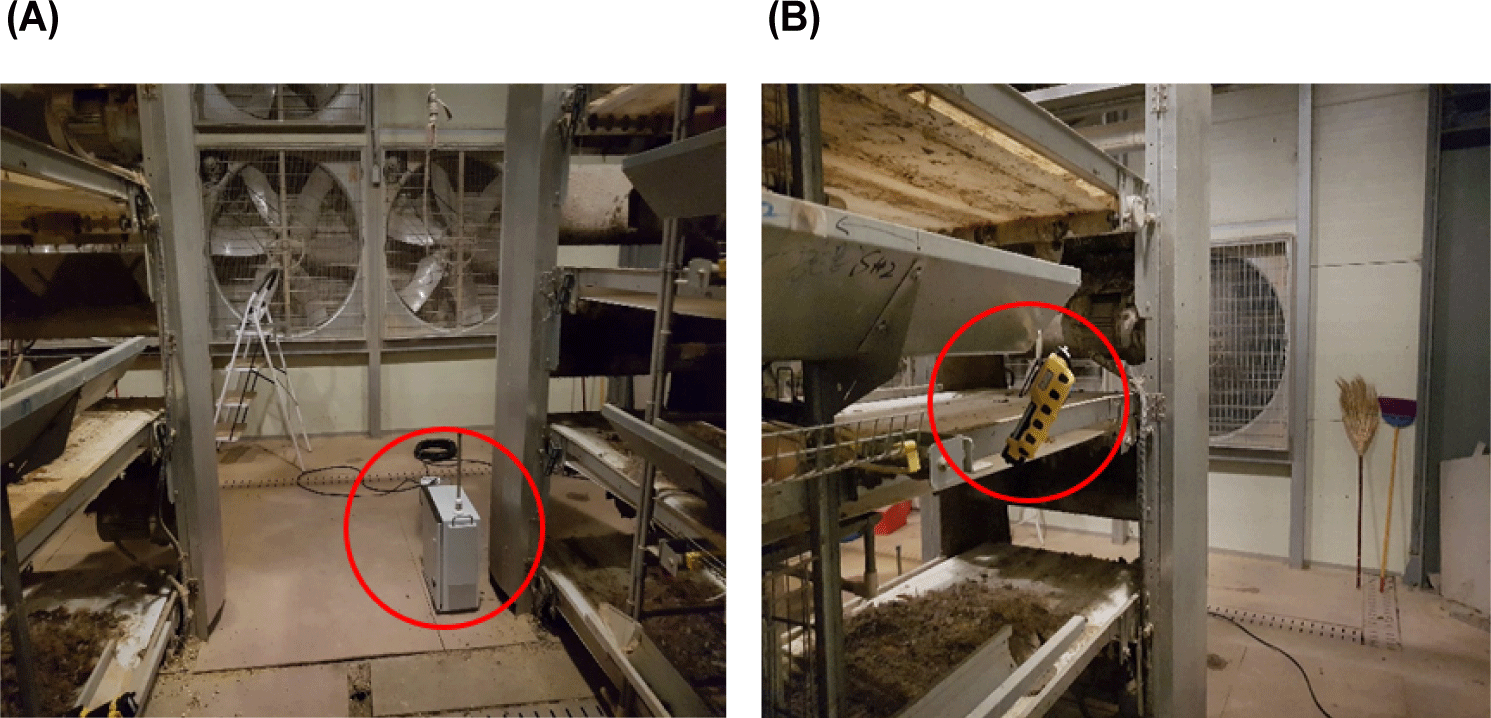
The concentrations of emitted PM and NH3 were measured based on the criteria presented in the VERA Test Protocol [14]. PM (PM10 and PM2.5) was measured using a GRIMM Environmental Dust Counter (EDM164, GRIMM Aerosol Technik), and NH3 concentrations were measured using an NH3 meter (MULTIRAE, RAE Systems) (Fig. 1). Monitoring was performed over a 1-year period from September 2021 to August 2022. During this time, measurements were taken once monthly, with each monthly session consisting of 24 hours of data collection over three consecutive days at five-minute intervals. Measurements were performed at two locations within the house, each 1.5 m from the inlets and ventilation fans (Fig. 2).

The date for PM and NH3 emission factors presented in this study were calculated using the following formula presented in the VERA Test Protocol [14] and expressed as the emission values of one laying hen per year.
Seasonal average values and emission coefficients of PM (PM10 and PM2.5) and NH3 emission concentrations and emission factors were calculated and are presented in tables. The annual variations in these values, based on the average values of the emission concentrations measured for each month, are presented graphically.
RESULTS AND DISCUSSION
Seasonal changes in the concentrations of PM (PM10 and PM2.5) and NH3 emission are shown in Table 2. PM10 was emitted at high levels in winter (391.6 μg/m3) and low levels in summer (223.7 μg/m3) (p < 0.05). The concentrations of emitted PM2.5 were high in winter (50.4 μg/m3) and spring (62.8 μg/m3) (p < 0.05). Similar to PM2.5, we recorded high and low concentrations of NH3 emitted in winter and spring at 9.33 and 8.37 ppm, respectively (p < 0.05). In terms of annual average emissions, we recorded concentrations of 323.5 μg/m3, 49.6 5 μg/m3, and 5.75 ppm for PM10, PM2.5, and NH3, respectively.
The monthly changes in the concentrations of PM and NH3 emitted over the year are shown in Fig. 3, which indicated reductions in the concentrations of PM10 emitted in December, March, June, and September, whereas the concentrations of emitted PM2.5 were found to be high from December to May. Following the observed reduction in NH3 emissions in December, we recorded a subsequent increase from December to February, which was followed by a further reduction in March.
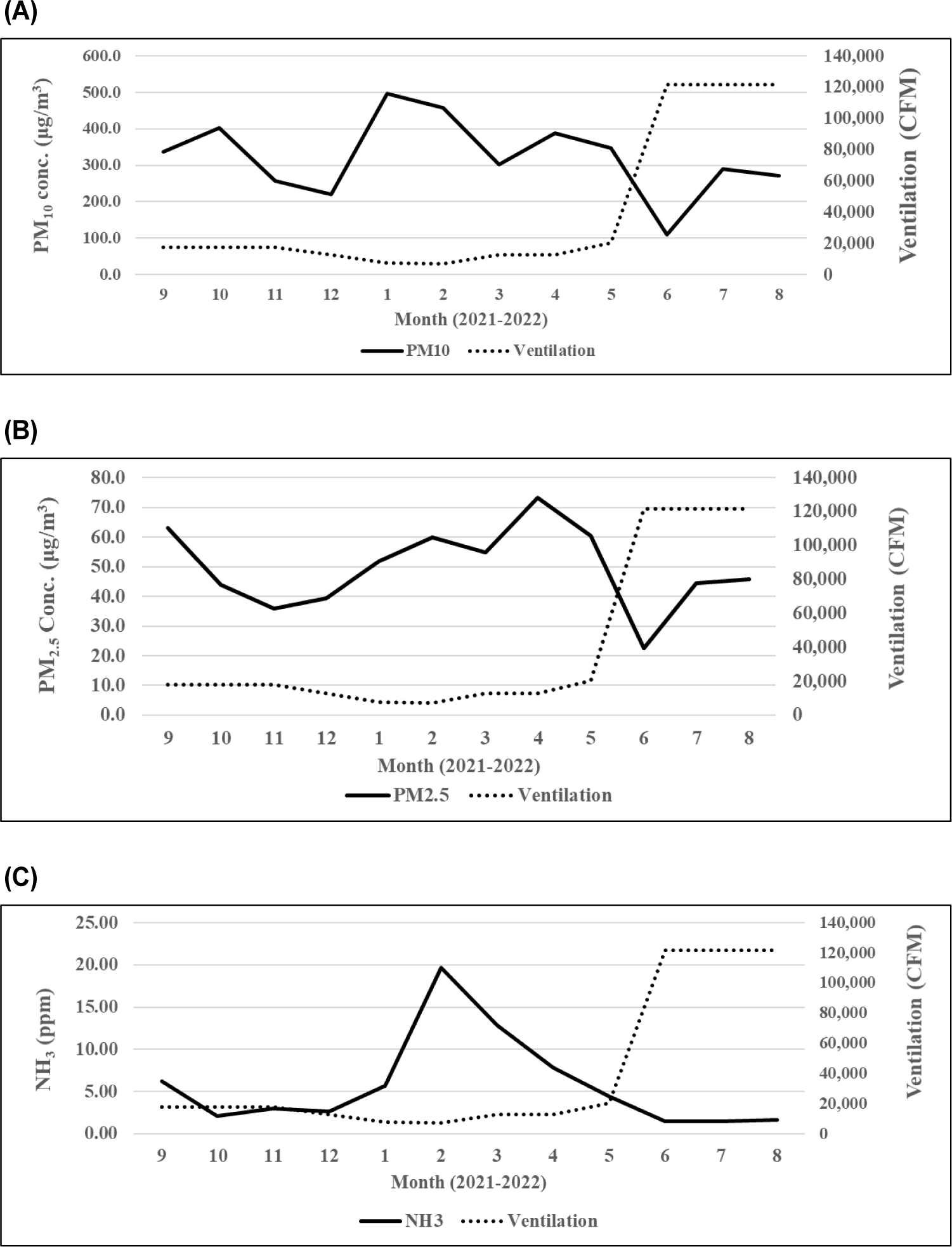
The VERA Test Protocol [14] stipulates the conditions for housing and measurement methods used for calculating internationally standardized emission factors, among which is a recommended 2-monthly measurement cycle. However, in countries such as Korea with four distinct seasons, it is essential to obtain measurement data for each season, given the notable seasonal variation in the poultry environment. However, although previous studies conducted in different countries have adopted diverse measurement approaches, few have performed seasonally-based measurements. In addition, most of the studies conducted to date have tended to focus on emission factors rather than emission concentrations. In this study, we obtained monthly measurements to accurately calculate PM and NH3 emission concentrations in Korea, and accordingly assessed the results on a seasonal basis. The observed reductions in the concentrations of PM10 emitted in December, March, June, and September are believed to reflect seasonal changes and the corresponding changes in ventilation. However, PM2.5 is not only released directly from the emission source but is also generated in the form of ammonium sulfate and ammonium nitrate via through chemical reactions of sulfur oxides, nitrogen compounds, and volatile organic substances with NH3 or ozone [17]. Consequently, we might expect PM2.5 and NH3 to show emission patterns that differ from those of PM10.
It has been established that the concentrations of PM and NH3 are influenced by the ventilation system (flow or ventilation rate) within poultry houses [18–20]. For example, Li et al. [18] have shown that in response to an increase in the rate of ventilation, there is a corresponding reduction in the concentrations of PM10 emitted, and vice versa, whereas Prodanov et al. [19] observed reductions in the concentration of emitted NH3 at the lowest ventilation rate they assessed (0.03 m/s), with the highest emission concentration of 8.50 ppm being recorded. Furthermore, Shen et al. [20] have reported a negative correlation between ventilation and the concentration of PM and NH3 emitted, which is consistent with our findings in this study indicating a negative association between the ventilation volume and emission concentrations (PM10, PM2.5, and NH3).
We speculate that our observation of increases in the concentration of PM2.5 or NH3 emitted during winter and spring can be attributed to the fact that gases are insufficiently dispersed owing to the minimal rates of ventilation in winter and tend to accumulate within the poultry house, subsequently collecting in the vicinity of ventilation fans as ventilation increases in spring. In addition, we found that for both PM2.5 and NH3, emission concentrations tended to be high in winter and spring, which we speculate can be ascribed to the fact that PM2.5 is a precursor of NH3, as reported by Shin et al. [17]. However, Hong et al. [1] have reported a lack of correlation between the concentrations of simultaneously generated NH3 and PM2.5, as it is assumed more time is required for the conversion of PM2.5 to NH3 within poultry houses.
The average annual concentration of emitted PM10 recorded in this study was 323.5 μg/m3, which is lower than the 590 μg/m3 value reported by Zhao et al. [21]. In contrast, PM2.5 and NH3 concentrations of 49.6 μg/m3 and 5.75 ppm, respectively, recorded in the present study are higher than the corresponding values obtained by Zhao et al. [21] (35 μg/m3 and 4.0 ppm). These disparate findings are believed to reflect differences in the facilities and environment of the poultry houses in which emission concentrations were measured. In this regard, accurate comparisons of emission concentrations between cages can be made based on considerations of the number of birds raised and the ventilation volume in poultry houses.
Table 3 shows the seasonal changes in PM and NH3 emission factors. In contrast to the emission concentration, the emission coefficients of PM10 and PM2.5 were found to be highest in summer and lowest in winter, and those in fall were higher than those in spring (p < 0.05). Similarly, we obtained high and low NH3 emission factors in summer and winter, respectively, although in contrast to PM (PM10, PM2.5), the emission coefficient in spring was higher than that in fall (p < 0.05). The annual emission factors obtained for PM10, PM2.5, and NH3 were 0.027, 0.0045, and 0.383 kg/head/year, respectively.
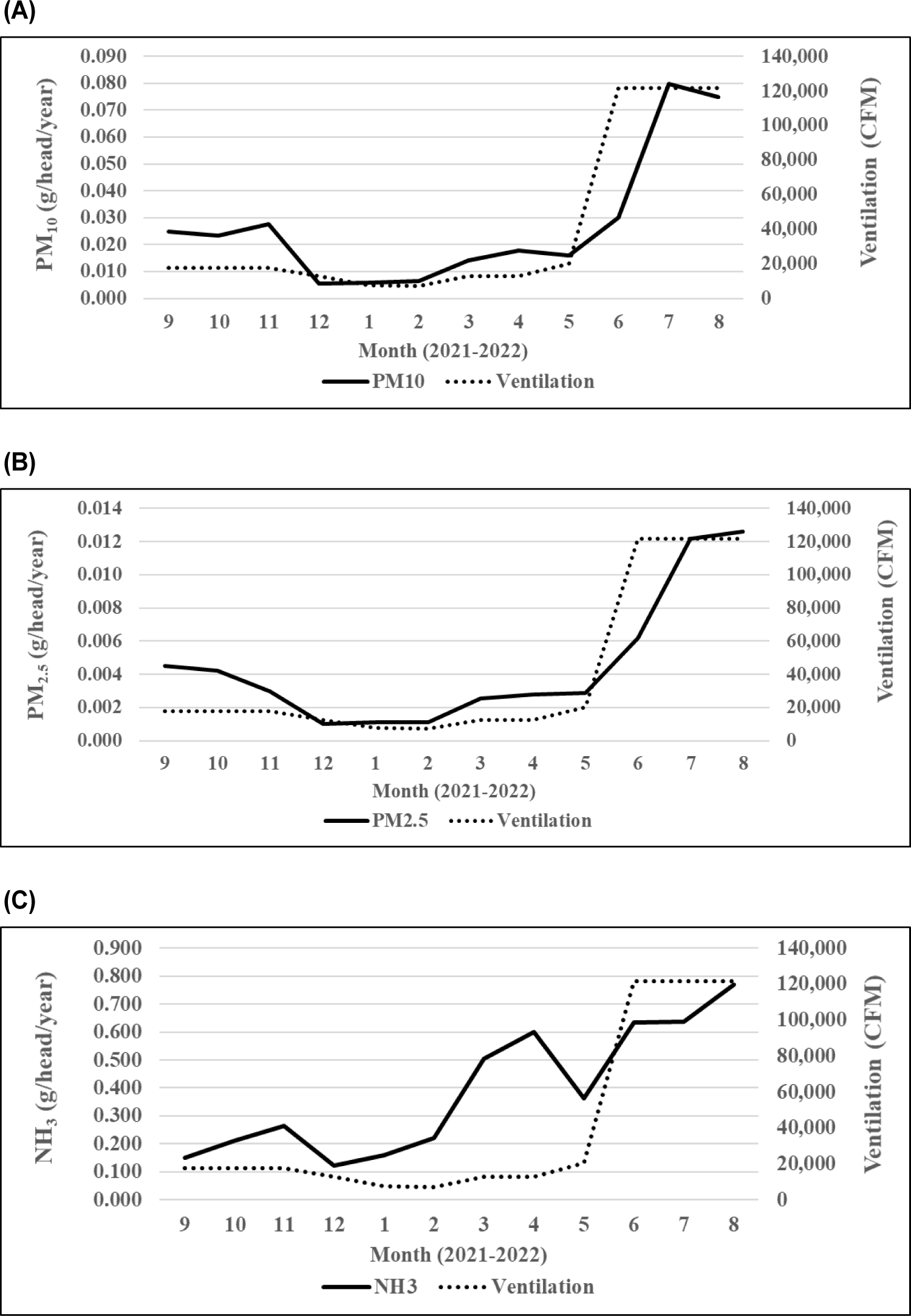
Changes in PM and NH3 emission factors measured over a 1-year period are shown in Fig. 4. The emission factors of PM10 and PM2.5 were found to be characterized by patterns similar to that of the ventilation volume, with a notable increase in the emission factors occurring in summer in response to an increase in the ventilation volume. Moreover, we detected an increase in the emission factor of NH3 in spring, whereas during the other seasons, the patterns of change were found to be similar to the emission factors for PM.
According to CAPSS of the Ministry of Environment, 78.7% of Korean domestic NH3 emissions originate from agriculture, of which 91.8% is associated with “manure management” in the livestock sector [22]. For cattle and pigs, the emission factors for hazardous substances are based on emission factors developed in Korea. However, in contrast to emission estimates based on the European EMEP/CORINAIR or US EPA, the emission factors obtained for PM and NH3 in Korea cannot be assessed by dividing these into categories such as waste generation, storage, and treatment when calculating emissions [23]. In addition, given that the PM and NH3 emission coefficients of poultry farms have rarely been measured in Korea, data from the US EPA [24] and EMEP/CORINAIR [25,26] are used for calculating the PM and NH3 emission coefficients of poultry farms in this country [23]. Consequently, related research and an accumulation of empirical data are required to facilitate calculations of emission factors in a context specific to the environment and conditions of domestic poultry farms.
In contrast to Korea, numerous studies have been conducted on the concentrations of emitted PM and NH3 in other countries [18,19,21,27–29]. However, on the basis of the emission factor calculation formula for PM and NH3 specified by the VERA Test Protocol [14], a positive correlation with ventilation has been observed [14]. In Korea, ventilation is used to control temperature and humidity of poultry house environments, and hence the volume of ventilation will differ depending on the season. Consequently, emission factors will tend to be characterized by seasonal variation. In addition, changes in the pattern of emission factors have been found to correspond to changes in ventilation volume. However, when viewed on a single year basis, the values of emission factors obtained for PM and NH3 in this study were found to be higher than the data presented in the NIER [30] and similar to that in the US EPA [31].
CONCLUSION
Our findings in this study highlight the importance of real-time measurements for the effective management of PM and NH₃ emissions that occur over short time periods. Additionally, to enable accurate calculations of emission factors, measurements should be made continuously for more than one year. The concentrations of PM and NH₃ generated in poultry houses vary depending on factors such as chicken activity, worker access, measurement methods, and ventilation. In Korea, the ventilation systems of poultry houses are primarily controlled by temperature and humidity, with few instances where air pollutants are considered in the ventilation process. Recently, with the growing interest in smart livestock farming, ventilation systems have become increasingly automated. For such automated systems to optimally manage poultry house environments, the selection of appropriate ventilation volume should be based on a comprehensive consideration of various environmental factors. As demonstrated in this study, real-time measurements of PM and NH₃ emission concentrations can serve as reference data for determining the optimal ventilation system for managing the internal environment of poultry houses.