INTRODUCTION
Beef cattle are a mainstay livestock for meat production in Indonesia and are therefore referred to as a strategic commodity. Ongole Grade cattle, one of Indonesia’s local cattle breeds, have been reared for more than a century and are recognized as a valuable local livestock breed based on its history, potency, ability to adapt to tropical climates and low external input, as well as the wide distribution of this population in many provinces [1]. Based on their morphometric and physical characteristics, these cattle are classified as potential beef cattle for use as meat producers [2]. However, according to the most recent census conducted during the development of the breed, the Ongole Grade cattle population continued to decline [3], as did the quality of their performance, which deteriorated as a result of numerous cases of crossing with other breeds and uncontrolled mating [4,5], as well as a lack of genetic variability maintenance and improvement efforts [6].
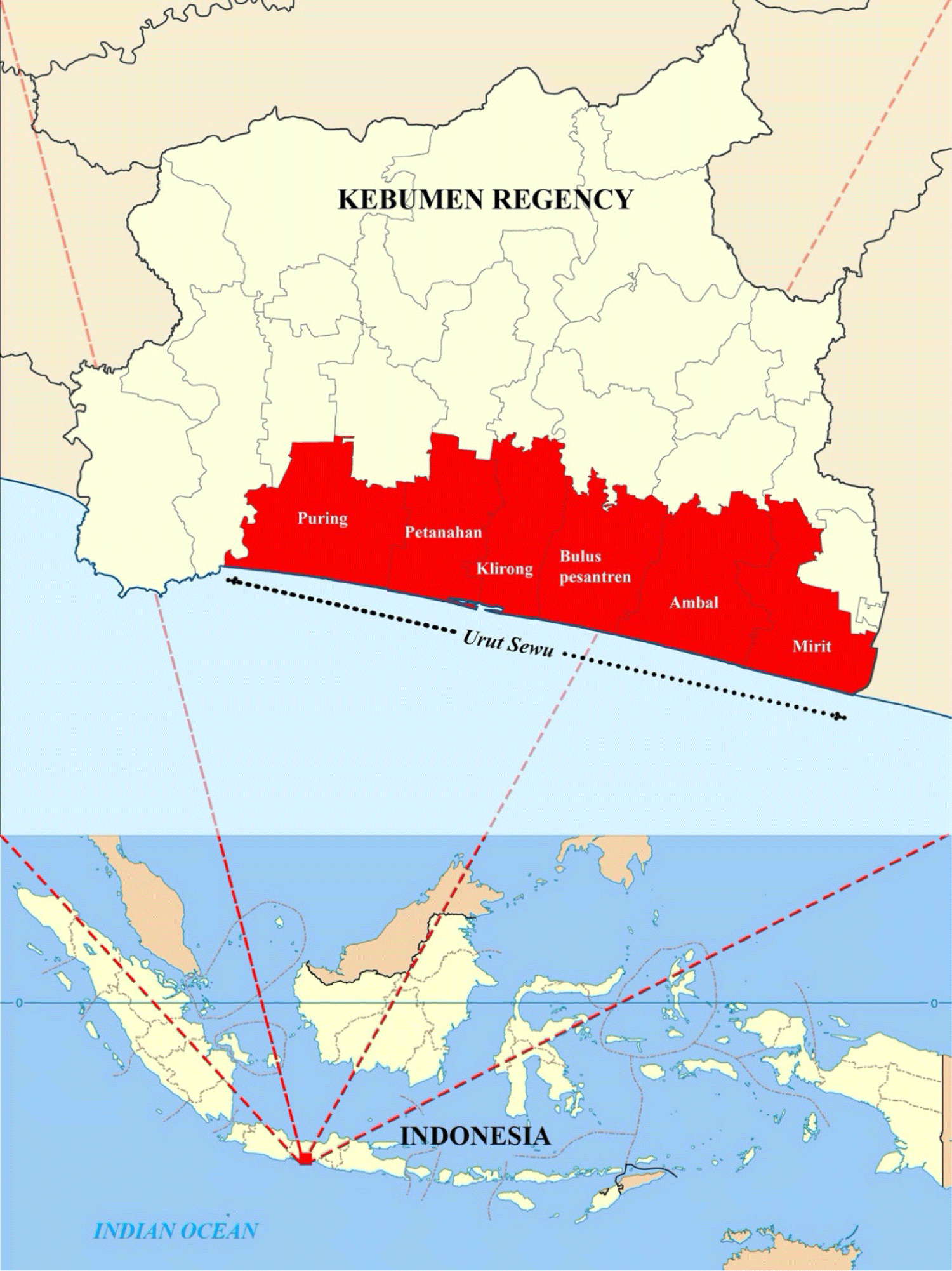
This census found that the performance of Ongole Grade cattle in six districts in the southern region of the Kebumen Regency (i.e., Mirit, Ambal, Buluspesantren, Klirong, Petanahan, and Puring) was superior. The area is known as Urut Sewu (Fig. 1). According to a comparison study, the average body length of Ongole Grade cows in Kebumen was greater than the standard national for cattle body measurement established by the National Standard Performance of Indonesia [7], and they were also longer than Ongole Grade cattle in some areas [8]. However, the body length of Ongole Grade cattle varies greatly and is comparable to cows in Kebumen, such as those from Tuban [2]. In addition, the cattle in Kebumen have a greater body size than Ongole Grade cattle in other regencies, e.g., Tuban, Rembang, and Blora [2,8]. Likewise, they have heavy calf birth weights, i.e., > 31 kg [9], and normal reproductive ability [10,11]. Following a lengthy exploratory study that began in 2010, these cattle were officially declared as Kebumen Ongole Grade cattle breed in 2015 by the Indonesian Ministry of Agriculture Decree Number 358/Kpts/PK.040/6/2015. Since then, many studies in various disciplines have been conducted by researchers and academics, as well as farmer assistance groups, to further the development of this cattle breed. The breeding system has also been designed with community involvement and extensive government implementation. The presence of voluntary recorders, which register phenotypic performance and population dynamics, strengthens the breeding system for these cattle [12]. The presence of these cattle can have a positive impact on the community’s economy, both micro and macro, because this commodity produces a wide range of products, including calves, meat, and byproducts like manure and bio-urine. This has an impact on reducing the use and financing of chemical fertilisers, thereby increasing the efficiency of agriculture. In terms of quality, these cattle perform well, which allows them to command a competitive market price. The program’s success serves as a model, and Kebumen has become a location for other farmers in Indonesia to conduct comparative studies.
The success of Kebumen Ongole Grade cattle breeding has resulted in the production of certified superior progenies, which are then distributed nationally. The distribution aims to improve the quality of Ongole Grade cattle reared by the society. Recently, concerns have been voiced regarding the sustainability of this strategy. The departure of many superior Kebumen Ongole Grade cattle, as well as the scarcity of bulls in the breeding area, has raised the question of whether genetic erosion exists. Moreover, certified cattle from selection appear to receive no special appreciation; as a result, their selling price remains the same as that of noncertified cattle. This causes lethargy and reduces farmer enthusiasm in village breeding centers (VBCs); therefore, business and institutional transformations are required [13]. However, stakeholders’ efforts are not always effective due to the limited access to references and a historical gap related to the development process of this cattle breed, which has been passed down from generation to generation. Furthermore, we are concerned that future studies could provide different interpretations of the outcomes obtained for the population. In this review, we attempt to document various studies and development initiatives for Kebumen Ongole Grade cattle that have been conducted from the establishment of the breed to the present to provide a more complete picture of their origin, characteristics, and breeding system. We hope that this study will provide insight and serve as a foundation for future policy formulation involving Kebumen Ongole Grade cattle.
ORIGIN OF KEBUMEN ONGOLE GRADE CATTLE
Many parties have discussed the origin and history of Kebumen Ongole Grade cattle. Some believe that the history of these cattle is similar to that of Ongole Grade cattle in general but that they were crossbred with Brahman cattle [14], whereas others believe that the superior characteristics found in these cattle are the result of Ongole cattle purity being preserved in Kebumen [15]. In 2014, a collaborative research project successfully conducted a participatory study and focus group discussion (FGD) to learn more about the origins of Kebumen Ongole Grade cattle. As part of the FGD, informations from key figures and farmers who knew the history of these cattle were recorded and compiled chronologically (Table 1). A summary of this history has never been published, but it was documented in a proposal to the Indonesian Ministry of Agriculture by the Central Java Provincial and the Kebumen Regency Government to recognize these cattle as a new strain.
Zebu cattle have been imported into Indonesia since the Dutch colonial era. These cattle were imported due to their improved traction on paved roads [16]. The term zebu cattle refers to Bos indicus cattle. Various cattle breeds, e.g., Ongole, Hissar, Guzerat, Gir, and Mysore, were imported into Indonesia in the nineteenth century by both the private sector and the colonial government. Ongole cattle originated in the Nellore district, north of Madras. However, it was discovered that the best cattle came from Bengal [17]. For this reason, when resident Oscar Arend Burnaby Lautier brought the cattle to Mirit, many people referred to them as Bengal cattle, locally calling them Benggala cattle. These cattle were then crossed with Javanese cattle, yielding Javanese Benggala cattle. There are few references to Javanese cattle, though Widi et al. [18] described evidence of their existence, suggesting that Javanese cattle were a cross between older zebu and Banteng (Bos javanicus) cattle. However, discussions about the authenticity of these cattle persist. According to the results of the FGD, Javanese Benggala cattle were popular in Mirit. Barwegen [17] refers to the cattle as Mirit cattle, but this name is almost unknown today and was not included in Felius and Fokkinga’s 1996 encyclopedia of the world’s cattle breeds.
Mirit’s cattle population continued to grow, and between 1906 and 1917, a farm known as Mirit Banteng was established. These white or gray cattle then spread westward to the Karangbolong Mountains and eastward to the Bogowonto River border. This is the same period during which Ongole cattle from India arrived and were quarantined on Sumba Island, i.e., in 1914 [17]. Furthermore, according to the FGD note, Ongole cattle were once brought to Mirit via the port of Surabaya in 1935. Because the Ongolization program was also in place at the time, the cattle that arrived could have been the Ongole cattle that had previously been quarantined. In addition, the distribution pattern was identical to that of cattle from Sumba, in that only bulls were spread to mate with local cows [19]. The village chief and other influential people in Mirit were tasked with caring for the bulls that arrived. Artificial insemination of Sumba Ongole cattle began in Mirit in 1953, but this strategy was reported to be less successful [20]. Between 1965 and 1975, there were numerous livestock competitions, and Mirit cattle won a national championship. Based on these records, we believe that Mirit (Kebumen) was an important area in the development of Ongole Grade cattle in Java.
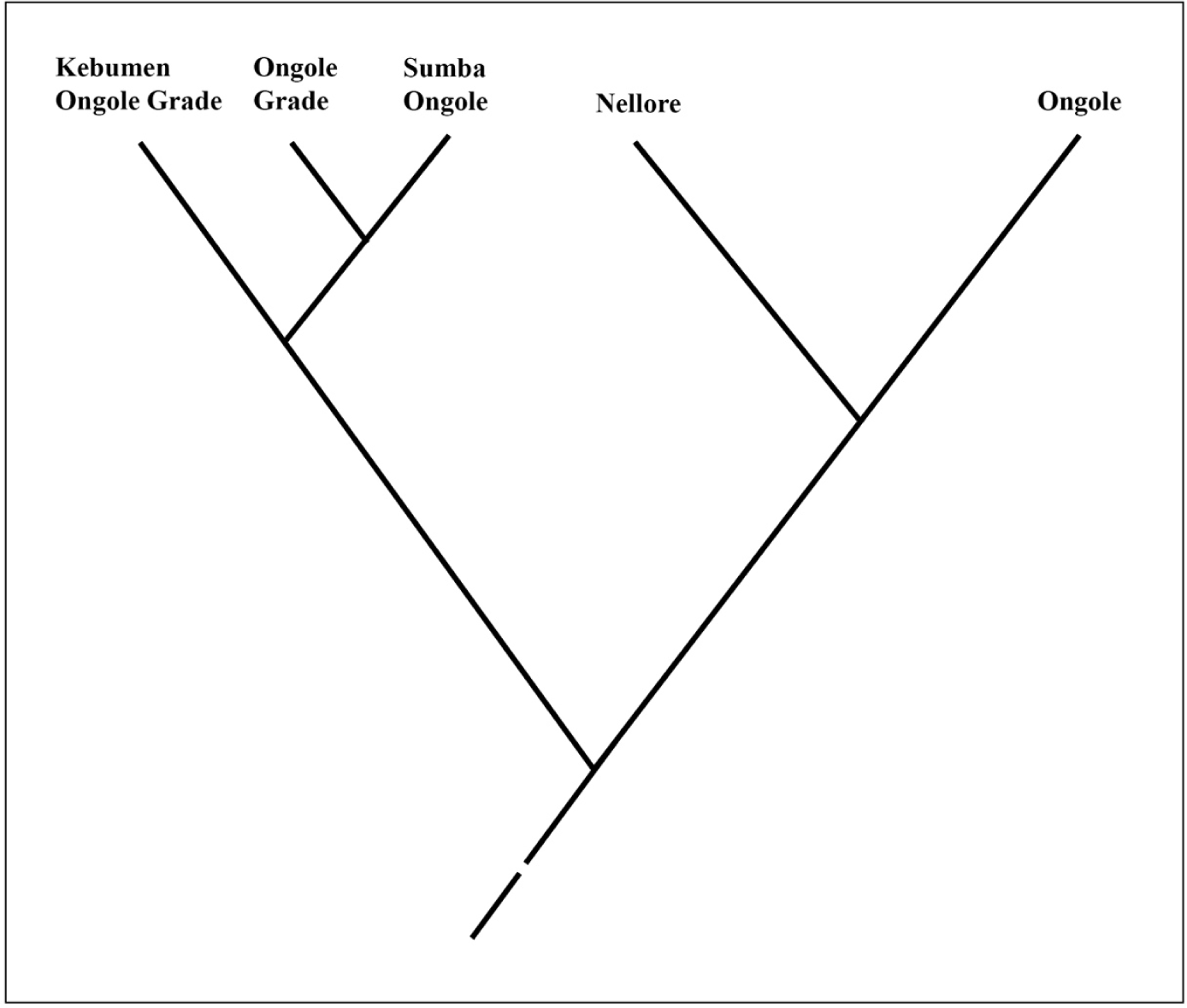
The last shipment of Ongole cattle from India arrived in Mirit during the Soeharto presidency. During this period, Brahman cattle were also introduced. This historical record suggests that Kebumen Ongole Grade cattle were produced by crossing Ongole Grade cattle with Brahman cattle. However, molecular studies have shown that not all Kebumen Ongole Grade cattle were related to Brahman cattle [21]. In fact, the most recent genome data study indicated that Kebumen Ongole Grade cattle were closely related to Ongole cattle from India, with slight hybridization with Bos javanicus [15]. Based on historical records, it is possible that the Bos javanicus ancestry was inherited through the Javanese cattle that were present in the area in ancient times. Furthermore, cattle farmers in Kebumen are quite unique in that they are adamant about selecting cattle based on specific criteria, such as the appearance of the phenotype that results in the characteristics of Ongole cattle. This is why the introduction of Brahman cattle was unevenly distributed, as not all farmers were willing to accept the breed. In addition, through historical records and cattle characteristics information, we were able to reconstruct cladogram estimation and describe the relationship between Indian Ongole cattle and Kebumen Ongole Grade cattle (Fig. 2). We believe that Kebumen Ongole Grade cattle are the result of a long-standing community effort to maintain the quality of pure Ongole cattle.
PHENOTYPIC AND GENETIC CHARACTERS
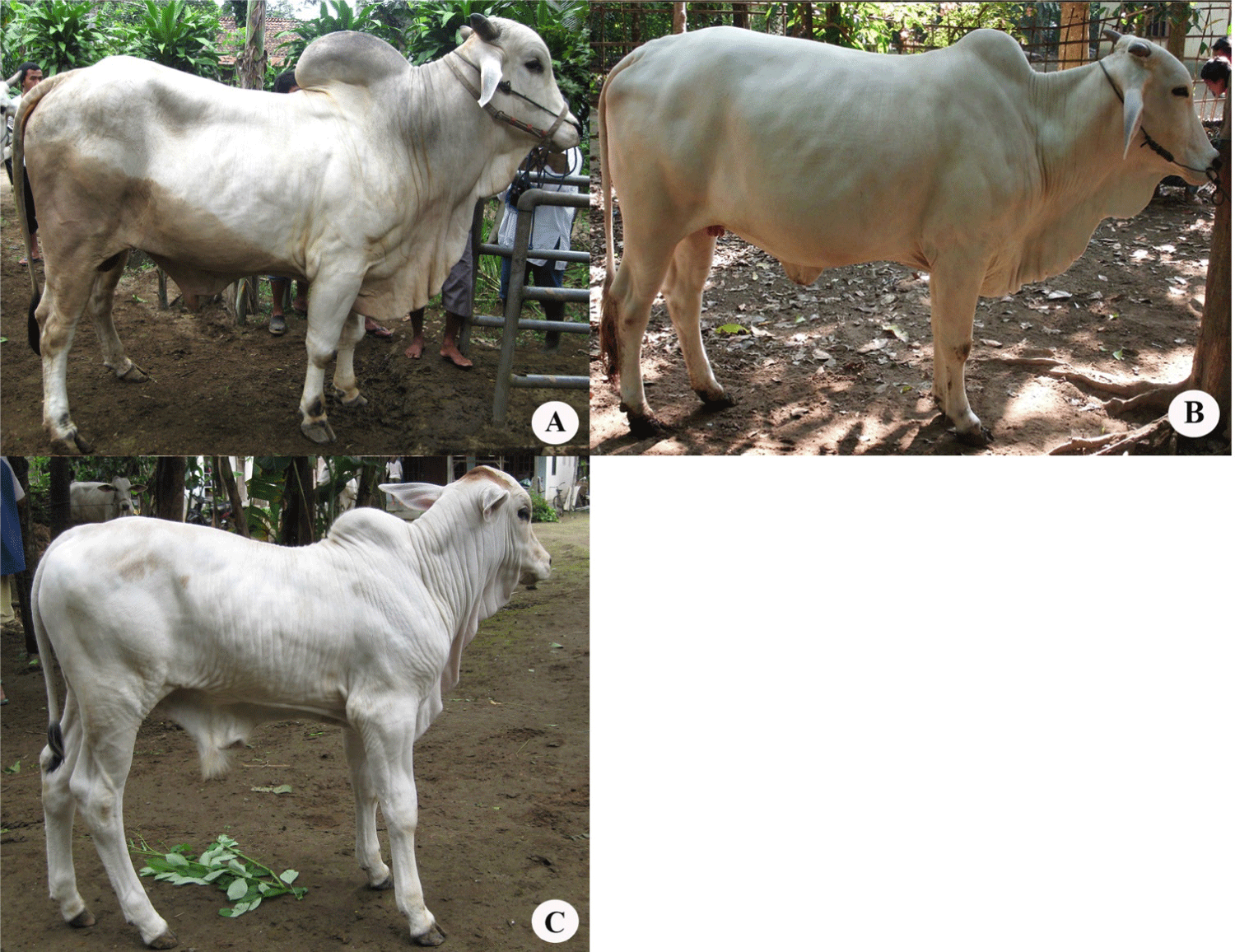
Analysis of physical characteristics is critical for accurate breed identification and the preservation of cattle purity. Distinctive characteristics, such as coat color and body conformation, help to identify and preserve specific genetic lineages. Typically, the first thing a farmer notices about a cattle specimen is its physique, which predicts its potential [22]. Many researchers have investigated this phenomenon in Kebumen Ongole Grade cattle, and all agree that the specific characteristics of these cattle include a white coat color (some male cattle have a slight gray around the head, neck, and hump), a black ring color around the eyes, a flat and black muzzle, a large hump and well-developed dewlap on both males and females, and a long tail with a black switch [2,7,23]. The hump on these cattle appears during the calf stage and grows larger as the animal matures. Calves are usually white, but some are born with reddish brown patches that fade to white as they mature. Ongole cattle in India share all of these characteristics [24–27]. In addition, farmers prefer specific characteristics of these cattle, such as a trilateral face with a prominent forehead and nonsharp black hooves. Moreover, locals also distinguish these cattle as Madras or non-Madras [6,9,15,28], an acronym for Madjapahit Ras, although the word may actually refer to the name of a city in India [6,15]. Kebumen Ongole Grade Madras cattle have a black color of vulva or preputium tip, while non-Madras have a pale color. However, a study revealed that Kebumen Ongole Grade cattle have longer and wider heads than other Indonesian cattle breeds [2], and approximately 43% of cattle have prominent foreheads [7]. Furthermore, more than 95% of these cattle have sharp hooves, and more than half have a pale vulvar color [2,7]. The unique characteristics of Kebumen Ongole Grade cattle have been identified as the black muzzle and tail switch, as well as the Madras trait (black vulva or preputium tip), since these traits are uncommon in other Ongole Grade cattle, but are included as unique identity for Ongole cattle [27]. Fig. 3 depicts the physical appearance of the Kebumen Ongole grade cattle.
Large livestock measurements are taken to compare variations in size and body shape, as well as to estimate weight. Some of the most common body size measurements are height at the withers, body length, and chest girth [22]. Assessments of body size in Kebumen Ongole Grade cattle led to the conclusion that these cattle have tall and long bodies. According to the 1925 identification, the average height of cows was 1.31 m, with males measuring approximately 1.4 m and some even reaching 1.6 m [17], while recent studies have shown that the average withers height of cows is approximately 1.33 to 1.36 m, while that of bulls is approximately 1.43 to 1.48 m (Table 2; [12,28]). Two superior sires used for semen collection at Ungaran’s Artificial Insemination Agency stand 1.55 and 1.59 meters tall, respectively. Similarly, Kebumen Ongole Grade cattle have the longest body length and the largest chest girth of any local cattle in Indonesia [2]. Furthermore, the body measurements reported for Kebumen Ongole Grade in Table 2 were higher than those reported for Ongole cattle in India [26,27]. The height and length of Kebumen Ongole Grade cattle may be influenced by farmers’ selection practices, which include selecting Ongole Grade cattle with long body characteristics. Other characteristics included were withers height, hip height, chest width, and chest girth. In the end, the body weight of Kebumen Ongole Grade cattle will be higher. These measurements indicate that in terms of body size, Kebumen Ongole Grade cattle are a promising breed. However, it should be remembered that the size ranges of this cattle population have a moderate level of variability [8]. As a result, body size selection must be maintained to ensure the quality of these cattle in the breeding tract.
| References | Age (years) | Samples number | Averaged body sizes (m) | ||
|---|---|---|---|---|---|
| Height at withers | Body length | Chest girth | |||
| A. Cows | |||||
| Sudrajad and Subiharta [7] | 3–6 | 1,139 | 1.36 | 1.37 | 1.61 |
| Ngadiyono et al. [23] | 3–4 | 100 | 1.31 | 1.36 | 1.69 |
| Ngadiyono et al. [23] | > 4 | 117 | 1.30 | 1.36 | 1.71 |
| Adinata et al. [2] | 5–10 | 167 | 1.33 | 1.31 | 1.73 |
| Subiharta et al. [12] | > 2 | 1,595 | 1.36 | 1.38 | 1.62 |
| B. Bulls | |||||
| Affandhy et al. [28] | 3–4 | 7 | 1.48 | 1.62 | 1.91 |
| Subiharta et al. [12] | > 2 | 479 | 1.43 | 1.55 | 1.87 |
Unlike Ongole cattle in India, which are used to produce milk, Kebumen Ongole Grade cattle are evaluated for birth weight, weaning weight, postweaning growth, carcass weight, and reproductive performance. This is because these cattle have been raised not only for the purpose of producing calves but also for beef production. According to research findings, cows with a large body weight, which is associated with greater morphometric measurements, produce calves with a high birth weight [29–31]. Cows of large size and weight have an abdominal capacity that allows the uterine organs to support fetal development [29]. Kebumen Ongole Grade cows are known for their large body size, with an average weight of 412.76 ± 70.06 kg [2]. According to Subiharta and Sudrajad [9], the average birth weight for male calves was 32.49 ± 5.26 kg, while that for female calves was 31.09 ± 5.31 kg. Compared with other Indonesian local cattle, these calves have greater birth weights [31]. Moreover, the birth weights of these cattle are greater than those of previously reported Ongole calves, i.e., 27.1 ± 0.2 kg for males and 25.3 ± 0.3 kg for females [24], but the same as the birth weight range for Nellore calves, i.e., between 27.5 ± 1.2 and 33.1 ± 1.4 kg [29]. Although a high calf birth weight can increase the risk of dystocia, there have been no reports on the frequency of such cases in Kebumen Ongole Grade cattle.
Heavier weight in calves typically impacts body development and weight at all stages of life, including during the weaning phase [30]. According to Sumadi et al. [14], weaning for Kebumen Ongole Grade cattle occurs at 120 days (4 months), with an average of 4.66 ± 0.68 months of age [11]. At that age, the average weaning weight was 119.40 ± 36.61 kg [14]. Weaning at the age of 4 months is a force weaning management from the standard of 7 months, with the goal of accelerating the dams’ reproductive readiness so that they can give birth once every 12 months. However, Kebumen Ongole Grade cattle calves can still reach an optimal weaning weight. Thus, Kebumen Ongole Grade cattle calves have a higher weaning weight than other local cattle, despite their later weaning age. Nellore calves are weaned at 240 days of age on average and thus reach greater weight [32]. Furthermore, postweaning growth is significant because it signals the culmination of beef cattle development. At this point, the calf no longer consumes milk and instead relies solely on feed quality and availability [33]. Cattle raised in feedlots typically produce heavy carcasses after weaning, whereas grazing cattle may have suboptimal weights due to some level of feed restriction, primarily as a result of seasonal forage production [34]. However, the conditions differed in the Kebumen Ongole Grade cattle rearing system. In general, these cattle were raised semi-intensively, with feed consisting of forages, legumes, and rice straw, with the occasional addition of rice bran [28]. As a result, the reported average daily gains for these cattle at the postweaning stage were 0.35 and 0.36 kg for females and males, respectively [35], with Maharani et al. [36] reporting higher values, i.e., 0.45 ± 0.16 to 0.57 ± 0.15 kg. These daily gains were greater than those reported for Nellore with an extensive system, ranging from 0.06 ± 0.03 to 0.16 ± 0.03 kg [29]. However, Nellore can achieve optimal gains (1.09 kg/day) with a nutritional plan [34]. The potential daily gains for Ongole Grade cattle ranged from 0.2 to 1.2 kg depending on feed availability [37]. To achieve optimal growth, it is necessary to introduce high-quality feed at a lower cost into the Kebumen Ongole Grade cattle production system.
Different growth rates among cattle throughout the postweaning phase affect the carcass composition, including dressing percentage [38]. At the finishing stage after flushing, unproductive Kebumen Ongole Grade cows were reported to have slaughter weights ranging from 266 to 615 kg, with an average dressing percentage of 47.66 ± 1.25 [39]. The percentages may vary between 47.26 ± 3.72, 48.06 ± 5.28, 50.19 ± 2.18, and 51.36 ± 3.47 for heifers, dams, steers, and sires, respectively [35]. Males had a higher dressing percentage than females. There was also a trend that cattle slaughtered in the finishing phase tended to have a higher dressing percentage. This is consistent with what occurred in Nellore cattle, which had dressing percentages ranging from 51.46 to 56.88 and 55.39 to 59.58 in cattle slaughtered at the end of the growth and finishing phases, respectively [38]. Dressing percentages vary greatly due to both genetic and nongenetic factors, such as breed, age, sex, live weight, fat composition, and diet [40].
Reproductive performance is one of the quality indicators for beef cattle in breeding programs. Cow reproductive activity reflects the development of reproductive organs and is characterized by the first occurrence of estrous (puberty). A good management pattern for heifers during the growth phase will result in optimum body weight gain and earlier puberty [41]. According to Wahyuningsih [42], Kebumen Ongole Grade cattle reach puberty and begin breeding at 20.6 ± 4.81 and 22.49 ± 4.58 months of age, respectively. Kusuma et al. [11] reported that sires and dams were 22.00 ± 5.17 and 23.06 ± 0.93 months old, respectively, when they first mated. Our previous study revealed that puberty begins in these cattle at 15 to 16 months of age, and the first mating occurs at 17 to 24 months of age (Table 3; [43]). While the average age at first mating in Ongole cattle was reported as 35.04 months [27]. The varying ages at puberty observed could be due to differences in the samples used, which may have led to differences in growth, as growth is heavily influenced by nutritional and genetic factors [41]. A normal estrous cycle (18–20 days) was identified for these cattle. According to farmer preferences, the majority of cattle mated naturally [10,11,28]. Artificial insemination was employed for only 3% of cows, with reported service per conception rates of 1.64 ± 0.82 [10], 1.89 ± 0.67 [42], and 1.97 ± 0.20 [11]. The gestation period of the cows was approximately 286.6 ± 9.8 days (Table 3), which is equivalent to the gestation period of Ongole cows, i.e., 287.78 ± 0.84 days [44]. Therefore, the average age at first calving ranged from 26.15 to 33.1 months, with some reaching 37.15 ± 5.87 months [10]. While in Ongole cows, the average age at first calving was reported as 52.95 ± 2.21 months [26]. Postpartum estrous in Kebumen Ongole Grade cattle occurs 2.9 to 3.5 months after calving (Table 3) and remains within the expected performance range for Ongole Grade cattle [45]. Furthermore, the observed calving intervals for these cattle were 13 to 15 months, with an average of 14.17 ± 0.67 [11] or 14.32 ± 1.93 months [10]. These calving intervals were faster than those previously reported for Ongole cattle, i.e., 502 ± 18.2 [24] and 561.55 ± 11.82 days [26,44]. The significant difference in reproductive performances (age at first mating, age at first calving, and calving interval) between Kebumen Ongole Grade and Ongole cattle is most likely due to distinctions in management practices, as Ongole cattle in the reported study were kept in loose housing [26], whereas the majority of Kebumen Ongole Grade cattle were kept semi-intensively, allowing their reproductive status to be monitored. Breeding interventions were also implemented in Kebumen Ongole Grade cattle populations to ensure that sires and dams can pass on high production and reproductive traits to their offspring.
Data from Subiharta et al. [43].
Genetic parameters in livestock breeding refer to the various genetic traits or characteristics of animals that are passed through generations within a population. Genetic parameter estimation is required to obtain breeding values, improve selection responses, and incorporate valuable traits into a breeding program [46]. Heritability is a genetic parameter that describes how much of a trait’s phenotypic variation can be attributed to genetic variation among individuals in a given population [47]. Thus, heritability estimation allows us to determine how much variation in a trait is due to genetics versus environmental factors. According to a study of Kebumen Ongole Grade cattle by Rahayu [48], males had greater heritability values for birth, weaning, and yearling weight, with values of 0.056 ± 0.018, 0.380 ± 0.160, and 0.674 ± 0.176, respectively. The female heritability values were lower, at 0.024 ± 0.013 for birth weight, 0.168 ± 0.086 for weaning weight, and 0.274 ± 0.151 for yearling weight. Equal reported heritability values for the Ongole body weights at birth, weaning, and yearling were 0.05, 0.36, and 0.40, respectively [26]. This indicates similar characteristics between Kebumen Ongole Grade cattle and Ongole cattle from India. Moreover, significant heritability values for Kebumen Ongole Grade cattle were found for chest girth, withers height, and body length, i.e., 0.89 ± 0.20, 0.37 ± 0.13, and 0.80 ± 0.19, respectively [49]. While the heritability values for chest girth, withers height, and body length in Ongole at yearling age were 0.30, 0.27, and 0.69, respectively [26]. Greater heritability can lead to faster genetic gains in a breeding program because the response to selection is more pronounced.
Furthermore, repeatability estimation in cattle breeding is a crucial tool for understanding the consistency of individual performance over time or across different environments [47]. Fathoni [50] examined the repeatability values for a variety of Kebumen Ongole Grade characteristics and concluded that they were in the medium to high range. The repeatability of birth weight was 0.33 ± 0.10, while the repeatability values for body length, chest girth, and withers height ranged from 0.19 ± 0.15 to 0.31 ± 0.14. Sumadi et al. [14] reported that the weaning weight had high repeatability, with a value of 0.32 ± 0.15. Traits with high repeatability are more reliable indicators of an individual genetic potential. Moreover, the most probable producing ability (MPPA) value for Kebumen Ongole Grade cattle was calculated using these repeatability values and other population performance metrics, and it reached 83.45 kg. This finding provides a solid foundation for selecting dams from among Kebumen Ongole Grade cattle. In addition, the highest breeding values for birth weight and body length were estimated to be 35.72 kg and 64.15 cm, respectively [49]. These breeding values serve as useful recommendations for selecting sire candidates in a breeding program.
Studies have been conducted to determine the genetic characteristics of Kebumen Ongole Grade cattle. Understanding their genetics has allowed us to define their diversity and potential markers associated with highly economic traits, which will aid in more efficient cattle selection. A study evaluating the mitochondrial DNA cytochrome b genes carried by these cattle versus Brahman cattle revealed a discrepancy in the number of observed single nucleotide polymorphisms (SNPs) and haplotypes, which led to the hypothesis that Brahman cattle might have been introduced but that not all Kebumen Ongole Grade cattle were related to that breed [21]. This finding is in accordance with the results of a genomic study of these cattle, in which Kebumen Ongole Grade cattle were closely related and highly mixed with Nellore cattle, while there was no evidence of Brahman ancestry [15]. Nellore cattle were derived from Indian Ongole cattle [51]. With respect to hybridization with Bos javanicus, there appears to be a small amount of shared ancestry, but not as much as is shared with the Ongole Grade population [15]. Furthermore, a genomic study of this cattle population revealed that the level of heterozygosity was equivalent to that of Ongole Grade cattle, and the inbreeding coefficient was negative. These results show that the diversity between individuals in the population was still maintained. This is also supported by the value of the effective population size, which remains high [15].
Several studies investigating the relationship between phenotypic and genotypic traits in Kebumen Ongole Grade cattle have been published. The SNP g.1133C > G, a marker in the MC4R gene known to be associated with cattle growth traits, appears to have a significant influence on the body length of calves with the GG genotype [36]. The SNP g.1180C > T in the leptin gene is significantly associated with high weaning chest girth in cattle with the CT genotype [52]. Another study evaluated the PLAG1 gene, which is also related to growth traits, and revealed that two SNPs, namely, g.48308C > T and a 19 bp indel, were polymorphic [53]. The INSIG1 (g.4366A > G) gene, which influences carcass characteristics and plays an important role in lipid metabolism, was investigated and found to be polymorphic in these cattle populations [39]. Furthermore, a SNP in the FASN gene (i.e., g.16876A > T) was associated with beef tenderness in Kebumen Ongole Grade cattle, while SNPs g.16896G > A, g.17096C > T, and g.17104T > C were associated with protein content, pH, and water-holding capacity, respectively [54]. Moreover, a SNP in the heat shock protein 70 (HSP70) gene, i.e., g.1117G > A, which is related to heat tolerance in beef cattle, was also found to be polymorphic in this cattle breed [55]. All of these important marker genes could be included in molecular-based breeding strategies for Kebumen Ongole Grade cattle. However, with the rapid development of the molecular field, more advanced technology is recommended to obtain more accurate results.
CATTLE POPULATION AND BREEDING SYSTEM
Previous population studies of Kebumen Ongole Grade cattle have used statistics for the entire beef cattle population in the Kebumen Regency, with no distinctions made between different areas of the cattle breeding tract. For example, Rohyan et al. [10] used total cattle population data from 2010 to 2014 in Kebumen, whereas Kusuma et al. [11] used data from 2015 to 2019 and estimated the population of Ongole Grade cattle based solely on a fixed percentile, i.e., 90%. In reality, Kebumen Ongole Grade cattle are Ongole Grade cattle bred in the Urut Sewu region (Fig. 1); therefore, their population size should be calculated from that area. As a result, the initial population number reported to the Ministry of Agriculture when these cattle were proposed was 54,069 heads, based on 2012 cattle statistics for the six districts within Urut Sewu (Table 4; [56]). This figure represents approximately 54.58% of the total beef cattle population in Kebumen. According to recent statistics, those areas had approximately 39,696 cattle heads, accounting for 60.48% of the total beef cattle in Kebumen.
Data from Kebumen in Figs 2013–2023 [56].
Structured and specialized livestock breeding programs with low-input production systems are rare in developing countries, and farmers typically have limited access to livestock breeding services. This situation encourages farmers to implement a livestock improvement system based on local knowledge, which is commonly referred to as community-based breeding. This approach is also often called village-based breeding because the system’s scope is limited to geographical boundaries [57]. This strategy is quite common in Kebumen; indeed, throughout Indonesia, efforts to improve livestock performance began with farmer participation and the optimization of existing resources in rural areas. Farmers’ efforts to maintain the quality of their cattle, for example, are reflected in a shared understanding, similar to a consensus, regarding the characteristics of superior and high-selling Ongole Grade cattle, as well as the distinction between Madras and non-Madras types. Indirectly, the presence of these cattle criteria represents a type of selection system used on the cattle population that has been in place for a long time, dating back to the first generation of Ongole cattle raised in Kebumen.
Only later, after receiving attention from various parties, was a more organized breeding system planned and implemented through the establishment of VBCs. VBCs were designed to introduce farmer groups (including trained recorders) to rural areas that specialize in breeding activities with the goal of producing breeding stock [12]. VBCs allow farmers to control the entire breeding process, from selection to artificial insemination, as well as cattle management. Given the cattle development area’s tropical climate and limited forage resources, VBC’s breeding program aims to integrate livestock into agriculture. As a result, Kebumen Ongole Grade cattle are designed to be climate adaptable and tolerant of high fiber feed, which is an agricultural byproduct. With this ability, Kebumen Ongole Grade cattle are expected to be developed across Indonesia’s agroecological regions.
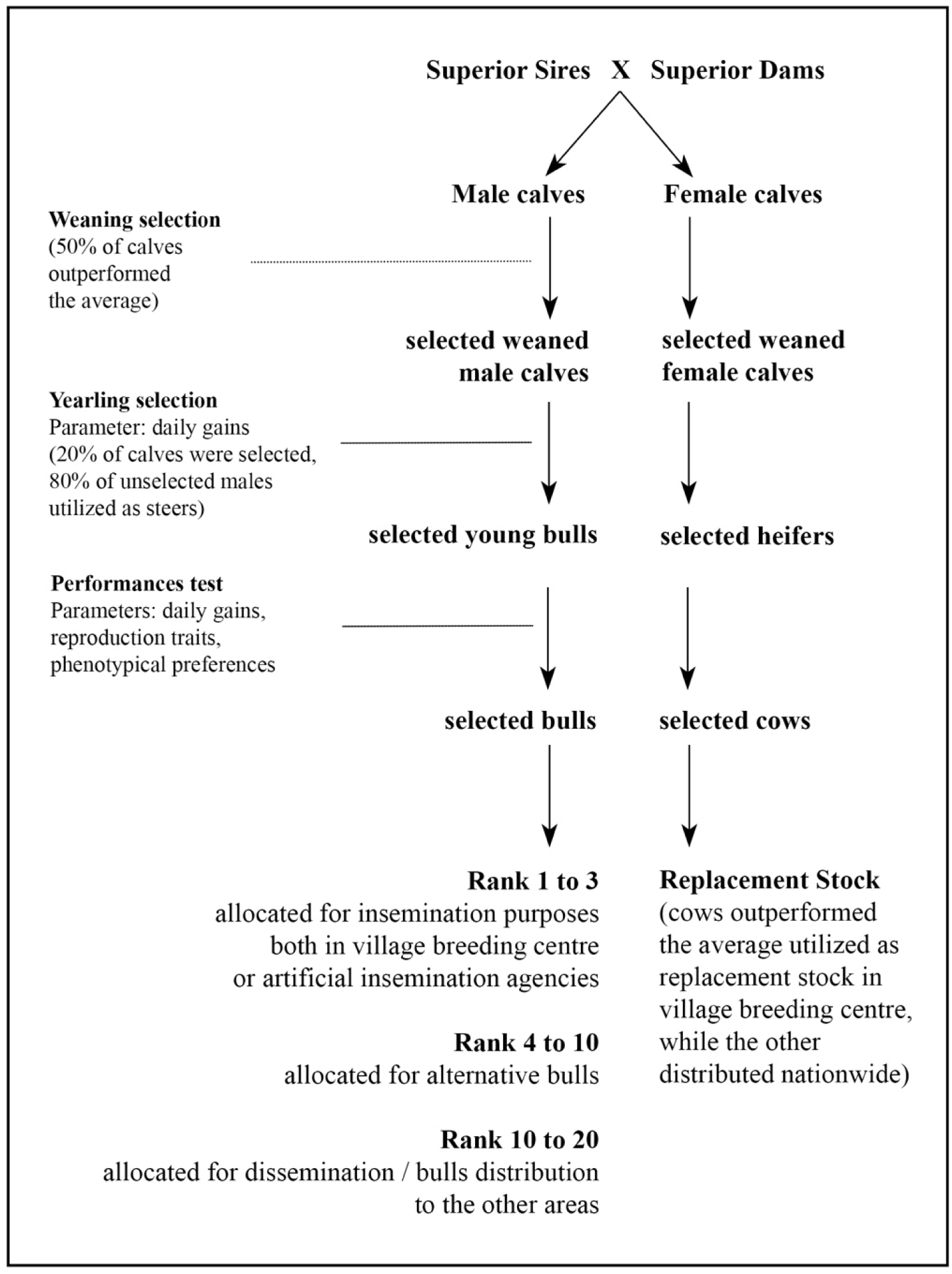
Raising cattle is more than just a business for farmers; it is a tradition passed down from their ancestors that is upheld with dedication. Their additional responsibility was to ensure that all information on cattle in the village area was recorded, beginning with cattle numbers, phenotypes, age-based body weight and size statistics, and reproductive status. Based on this information, a team of experts selected candidates in stages, as shown in Fig. 4. The local government then registers and certifies the selected cattle to confirm that they are suitable for breeding. To increase the productivity of Kebumen Ongole Grade cattle, at least three targets had to be met: 1) implementing male selection, 2) improving female reproductive performance, and 3) enhancing genetic quality through mating arrangements [58]. Therefore, both males and females were evaluated over time during the breeding process to ensure that the resulting breeding stocks met the desired standards. Weaning selection was simply intended to select calves with above-average performance. Yearling selection was used to determine their growth rate, and performance tests were designed to select and fit breeding stock candidates. The selected bulls were then distributed according to their ranks, while cows with outstanding performances were kept on the VBCs. Each population (each VBC) has a process in place to produce superior bulls, which are then used for mating using a rotation model between populations. This management package is expected to ensure the sustainability of the breeding system for Kebumen Ongole Grade cattle. The implementation of this breeding program will face numerous obstacles and challenges; thus, support from all stakeholders is needed. With cooperation and synergy, this breeding model can be further developed, benefiting farmers and the larger community while also being something to be proud of.
CONCLUSION
Kebumen Ongole Grade cattle, which were designated as a distinct breed by the Indonesian Ministry of Agriculture in 2015, account for a significant portion of Indonesia’s beef production industry. They are descended from Indian Ongole cattle, which have a long history of development in the Kebumen region. Despite their success in terms of size, body conformation, and high birth weight, there are concerns about the breed’s long-term viability due to genetic erosion and a lack of appreciation for certified cattle. Kebumen Ongole Grade cattle share common phenotypic characteristics with Ongole cattle, and their large body size increases their appeal for beef production. The reproductive and production results have been encouraging, with normal estrous cycles, high birth weights, and competitive daily gains noted. However, the limited use of artificial insemination and the need for optimal feeding strategies are still areas for improvement. Efforts to sustain and develop Kebumen Ongole Grade cattle should prioritize genetic integrity, breeding system improvement, and addressing issues of farmer engagement and institutional transformation. The documentation provided in this review aims to serve as a foundation for future research and policy-making to ensure the long-term viability and quality of this valuable breed.