INTRODUCTION
Various beef cattle breeds, such as Hanwoo, Wagyu, Angus, Hereford, Limousin, and Brahman, have been raised worldwide. In the Korean meat industry, Hanwoo, Wagyu, and Angus are among the most commercially prominent beef cattle breeds. Furthermore, each breed holds a differentiated brand value in the premium beef market and is characterized by unique production strategies [1–3]. These breeds possess distinct genetic origins and exhibit different physiological characteristics, which may lead to variations in their ruminal microbial metabolic pathways.
Hanwoo, a native cattle breed in Korea, was primarily used as a draft animal until the 1960s and was bred for beef production in 1963 [4]. They are classified into four types: Black, Brown, Brindle, and Jeju Black [5]. Among these breeds, Brown Hanwoo is the most predominantly produced and consumed type in Korea. Its beef is characterized by containing a high content of oleic acid (C18:1) [6], a monounsaturated fatty acid that is positively correlated with intramuscular fat (IMF) and tenderness [7,8]. Hanwoo has been selectively bred for traits related to meat quality, such as marbling score, backfat thickness, and carcass weight [9]. Furthermore, Hanwoo breed is genetically recognized for its better meat quality than Angus and Holstein breeds [10]. Wagyu, which means “Japanese cattle” in Japanese, is classified into four main types: Black, Brown, Shorthorn, and Polled [3]. Among them, Japanese Black is the most raised breed in Japan. Currently, Wagyu refers to not only cattle raised in Japan, but also the same breed raised in other countries such as Australia and the US [11]. Wagyu steers have higher IMF accumulation and oleic acid content in their muscles than Angus or European steers [12,13]. Raised globally and selectively bred for a longer period than Hanwoo and Wagyu, Angus breed has become highly efficient in economic productivity, with improvements since the 20th century focusing on growth, body size, and feed efficiency [9]. Therefore, in contrast to Hanwoo and Wagyu breeds, Angus beef is characterized by a high content of stearic acid (C18:0) [8], a saturated fatty acid negatively correlated with marbling [14]. Previous research has investigated the differences in meat quality and productivity between Hanwoo, Angus, and Wagyu breeds [6]. These contrasting genetic backgrounds and meat quality traits are expected to influence rumen microbiome composition and functions. Importantly, comparative studies of these three representative premium beef breeds under standardized conditions remain scarce, making them ideal models for investigating breed-specific rumen microbial features with both scientific and industrial relevance.
The ruminal microbial community degrades cellulose and starch from the ingested feed into monosaccharides, which are subsequently fermented into volatile fatty acids (VFAs), such as acetate, propionate, and butyrate. VFAs produced by rumen microbes are efficiently absorbed across the rumen wall and utilized within the host as energy sources, contributing up to 70% of the caloric requirements of ruminants [15] or as precursors for fat synthesis [16], thereby supporting growth. Several studies have investigated changes in the ruminal microbiome of Hanwoo, Angus, and Wagyu breeds under different carcass trait or feeding conditions [17,18]. However, a comparative analysis of ruminal microbiomes across these breeds has not yet been conducted. In addition, the differences in the microbiome across breeds and variations in meat quality or productivity in each breed have not yet been studied.
Therefore, in this study, we collected and integrated publicly available ruminal microbiome data from Hanwoo, Angus, and Wagyu breeds, identified differentially abundant microbial taxa and predicted functions, and exclusive microbial networks among these breeds using multiple batch-effect adjustment methods. Furthermore, we aimed to explore the potential links between the ruminal microbiome and breed-specific traits, such as IMF content, fatty acid composition, and overall productivity.
MATERIALS AND METHODS
Data for Hanwoo, Angus, and Wagyu breeds were retrieved from the NCBI BioProject using the query ‘Hanwoo,’ ‘Korean native cattle,’ ‘Japanese black,’ and ‘Angus’ accessed on October 13–15, 2021. The 16S ribosomal RNA gene datasets and their corresponding information, including the hypervariable 16S rRNA region, sampling methods, body weight, and age, are detailed in Table 1. Five studies were selected for Hanwoo breed, and four studies were selected each for Angus and Wagyu breeds. A total of 187,349,481 high-quality sequences from 954 samples were analyzed, including 384 from Hanwoo, 246 from Angus, and 324 from Wagyu, ensuring a comprehensive comparative analysis of ruminal microbiomes among the three breeds.
| Breed | BioProject ID | Number of samples | Country | Hyper-variable 16S rRNA region | Sampling methods | Body weight | Age | Sex | References |
|---|---|---|---|---|---|---|---|---|---|
| Hanwoo | PRJEB19502 | 20 | Korea | V3–V4 | Slaughter | NA | 32.6 ± 4.3 months | Male | [19] |
| PRJEB25166 | 9 | Korea | V3–V4 | Stomach tubing, cannulation, ventral sac | 605 ± 18 kg | 32 months | Male | [20] | |
| PRJNA523867 | 25 | Korea | V3–V4 | Slaughter | 626 kg | 28 months | Male | [21] | |
| PRJNA725944 | 8 | Korea | V4 | Stomach tubing | 292 ± 24 kg | NA | Male | [22] | |
| PRJNA797685, PRJNA797687 | 322 | Korea | V3–V4 | Stomach tubing | NA | 10–26 months | Male | Unpublished | |
| Angus | PRJNA758549 | 18 | USA | V3–V4 | Slaughter | NA | Grass-fed: 22 months / grain-fed: 16 months | Male | [23] |
| PRJNA763290 | 153 | USA | V4 | Stomach tubing | NA | NA | Male | [24] | |
| PRJNA817179 | 60 | USA | V4 | Stomach tubing | 307 ± 12 kg | NA | Male | [25] | |
| PRJNA899354 | 15 | China | V3–V4 | Stomach tubing | 511 ± 41 kg | NA | Male | [26] | |
| Wagyu | PRJDB11352 | 12 | Japan | V3–V4 | Stomach tubing | NA | 14.7 ± 1.4 months | Male | [27] |
| PRJDB11864 | 71 | Japan | V3–V4 | NA | NA | NA | Male | Unpublished | |
| PRJNA548210 | 39 | Japan | V4 | Cannulation | NA | 10–14, 15–22, and 23–30 months | Male | [28] | |
| PRJNA701844 | 202 | Japan | V3–V4 | Stomach tubing | NA | 14–17, 21–22, 26 months | NA | [29] |
Primer sequences were removed from the dataset using Cutadapt (version 4.4) [30]. Pre-merged sequences were directly used for analysis, whereas paired-end sequences were merged using FLASH2 (version 2.2.00) before further processing [31].
All processed sequences were analyzed using the QIIME2 amplicon version 2023.7 [32]. Denoising was performed to remove chimeric sequences using Deblur (version 1.1.1) [33]. Bacteria and archaea were classified from the NCBI RefSeq database (downloaded on October 17, 2023) using scikit-learn [34]. Amplicon sequence variants (ASVs) identified as ‘Unassigned,’ ‘Chloroplast,’ ‘Mitochondria,’ and ‘Eukaryota’ were removed from the classified datasets. The ASVs were subsequently analyzed separately for bacteriota and archaeota. The average rarefied table was generated for diversity analysis by performing 1,000 times random subsampling using q2-repeat-rarefy [35], with the rarefaction depth of 5,000 and 300 ASVs for bacteria and archaea, respectively. Microbial function was predicted with the 16S ASVs and their corresponding abundance profile using the Phylogenetic Investigation of Communities by Reconstruction of Unobserved States 2 (PICRUSt2) [36].
While analyzing meta-analysis data from different studies, batch-effect adjustment was conducted using ComBat [37], MMUPHin [38], and ConQuR with lasso and composite algorithms [39] at the phylum and genus levels using count data from collapsed ASVs in taxonomic classification and count data of Kyoto Encyclopedia of Genes and Genomes (KEGG) orthologs and enzyme commission (EC) numbers from functional analysis. Principal coordinates analysis (PCoA) based on the Bray-Curtis distance matrix was used to analyze the overall taxonomic and functional dissimilarities. PCoA outputs were visualized using the ggfortify package in R [40]. Adjusted KEGG orthologs were used to reconstruct KEGG modules using Python script (i.e., pathway_pipeline.py) implemented in PICRUSt2 and were then utilized for further analysis. For the bacteriome, the predicted KEGG modules based on KEGG orthologs were used. For the archaeome, EC numbers, KEGG orthologs, and KEGG modules related to methane metabolism were selected for the downstream analysis.
To identify the keystone microbial genera and functions associated with each cattle breed, a correlation-based network analysis was performed. The analysis was conducted using batch-effect-corrected normalized abundance of microbial genus data and KEGG modules from bacteriota and archaeota. For each breed, microbial and functional correlations were analyzed using Sparse Correlations for Compositional data with the SpiecEasi package (version 1.1.3) in R [41]. Correlation stability was assessed through bootstrap resampling (n = 1,000), and statistically significant correlations (p < 0.05) were identified. Differential microbial and functional co-occurrence patterns and exclusive interactions among the three breeds were examined using co-expression differential network analysis (CoDiNA) to determine exclusive correlations and nodes [42]. The median values of the external and internal scores were used as thresholds. The external score quantifies how strongly a node is connected to nodes from different conditions, whereas the internal score reflects how well a node is connected. In addition, only edges with Phi scores > 0.4, which quantified how consistently or differentially a node interacted across different treatments or phenotypes, were retained. After filtering, breed-specific exclusive correlations were extracted, and separate network plots were generated for each breed using Cytoscape (version 3.10.3) to visualize the interaction patterns [43], along with exclusive genera and KEGG modules.
This study primarily discusses major microbial features, including classified taxa at the phylum and genus levels, and microbial functions represented by predicted KEGG modules and EC numbers with > 0.1% average relative abundance across all samples. To compare the overall microbiome compositionality and validate batch-effect adjustment by evaluating the proportion of variance explained (R2), the permutational multivariate analysis of variance (PERMANOVA) was conducted using normalized counts derived from total sum scaling, with 9,999 random permutations and multiple-test correction via the Benjamini–Hochberg method, using the vegan (version 2.6–10) [44] and pairwiseAdonis (version 0.4.1) [45] packages in R (version 4.3.3). Differentially abundant bacteriome and archaeome features were identified based on the combined results of linear discriminant analysis (LDA) effect size (LEfSe) [46], Microbiome Multivariable Associations with Linear Models 3 (MaAsLin3) [47], and Analysis of Compositions of Microbiomes with Bias Correction 2 (ANCOM-BC2) [48]. In LEfSe, when all three breeds were included in the model simultaneously, the output identified only the most dominant breed. Therefore, LEfSe was performed separately for each pairwise comparison. In contrast, MaAsLin3 and ANCOM-BC2 were each run with all three breeds included in the model, and both applied multiple-test correction using the Benjamini–Hochberg method. Statistical significance was determined based on LDA score ≥ 2 for LEfSe and a multiple test-corrected p-value (Q-value) ≤ 0.05 for MaAsLin3 and ANCOM-BC2, and only features having consistent results in pairwise comparisons across all three methods were discussed.
RESULTS
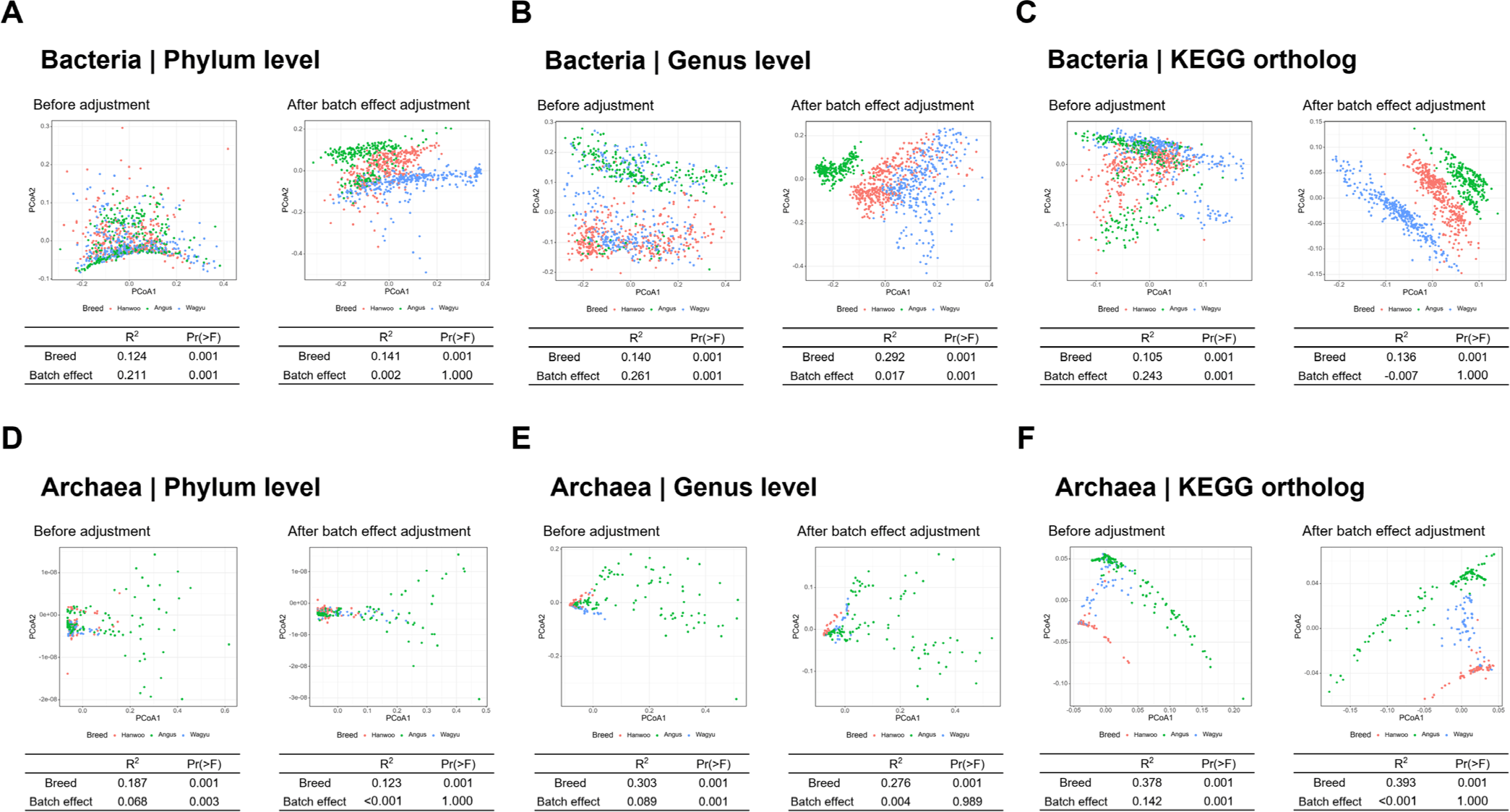
All three adjustment tools reduced the R2 values of the batch variable across the bacterial and archaeal microbiomes at both the phylum and genus levels, as well as for the predicted KEGG modules and EC numbers (Supplementary Figs. S1 and S2). ComBat and MMUPHin also lowered the R2 values for the breed effect, whereas ConQuR increased the R² for breed (Supplementary Figs. S1 and S2). ConQuR not only reduced the R2 values for the batch variable in archaeota, but also changed the overall microbial composition, which was statistically non-significant after adjustment (Fig. 1). Specifically, the p-values shifted from significant to non-significant for archaeota at all levels: phylum (original: 0.003, adjusted: 1.000), genus (original: 0.001, adjusted: 0.989), KEGG modules (original: 0.001, adjusted: 1.000), EC numbers (original: 0.001, adjusted: 0.990). A similar trend was observed at the phylum level in bacteriota, where the p-value changed from 0.001 to 1.000 following adjustment, indicating effective batch correction without preserving false biological signals. Subsequently, to analyze the differentially abundant microbial taxa and functions, the lasso algorithm of ConQuR was selected because it reduced the R² value for the batch variable, increased the R² value for the main effect (i.e., breed effect), and rendered the batch variable statistically non-significant.
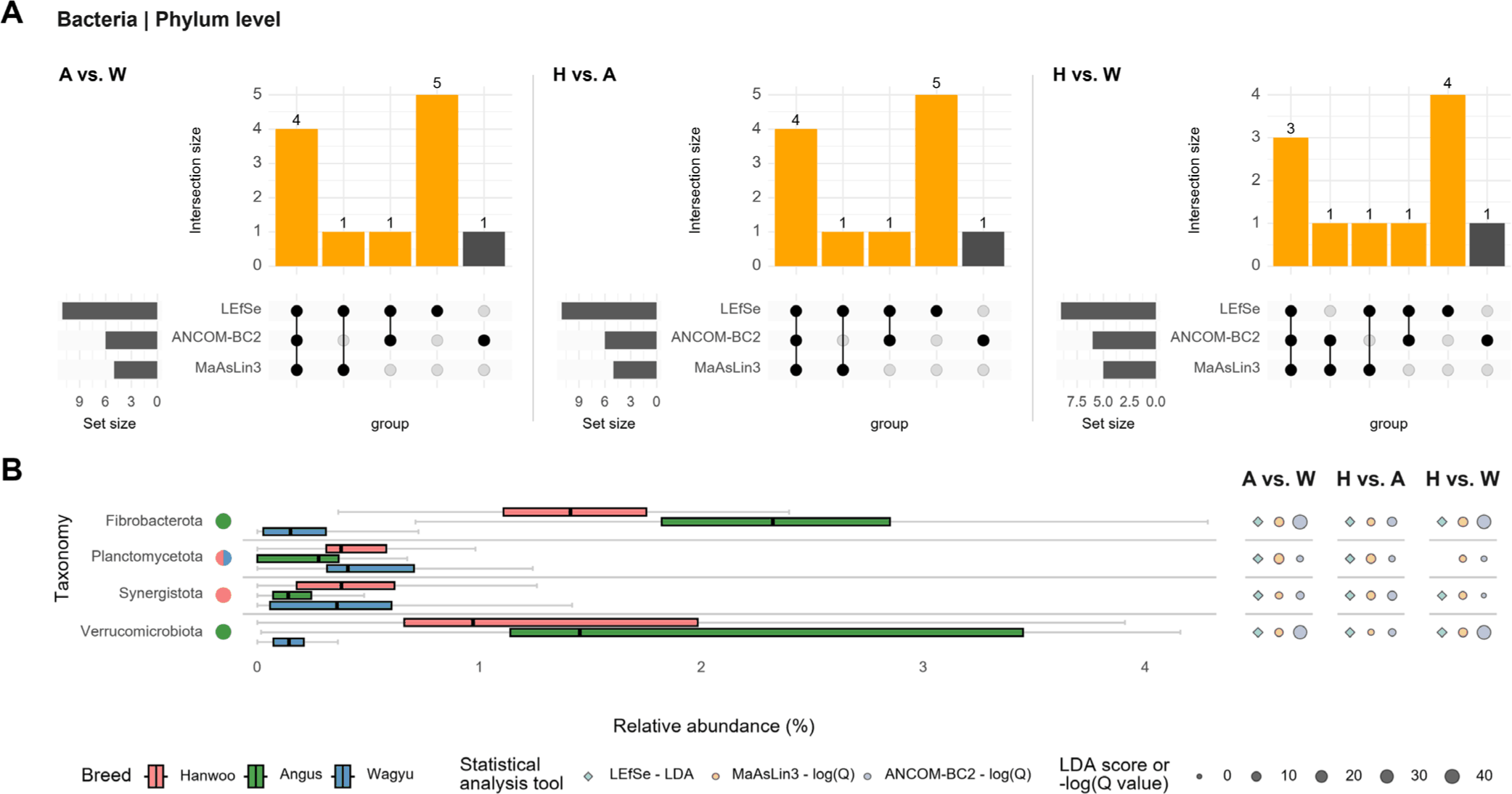
Differentially abundant taxa and functions were determined based on features shared across all three statistical tools: LEfSe, MaAsLin3, and ANCOM-BC2. At the phylum level, four, four, and three shared differentially abundant taxa were detected between Angus and Wagyu breeds, Hanwoo and Angus breeds, and Hanwoo and Wagyu breeds, respectively (Fig. 2A). Fibrobacterota and Verrucomicrobiota were the most predominant taxa in Angus breed, whereas Planctomycetota was dominant in Hanwoo and Wagyu breeds. Hanwoo breed showed enrichment of Synergistota and intermediate microbial abundance across other differentially abundant taxa (Fig. 2B).
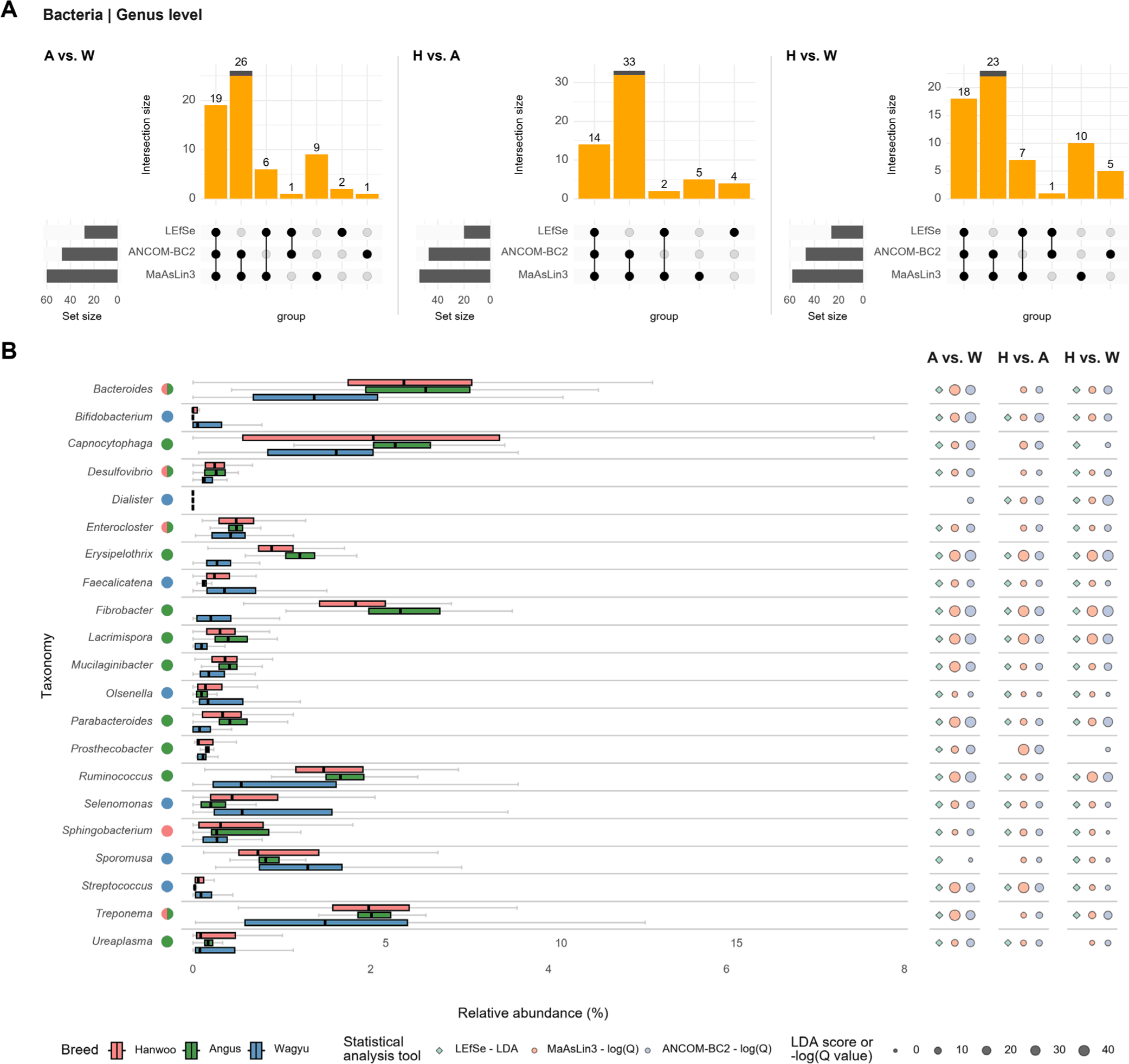
The most differentially abundant taxa at the genus level were identified using MaAsLin3, followed by ANCOM-BC2 and LEfSe (Fig. 3A). Bacteroides, Desulfovibrio, Enterocloster, and Treponema were enriched in Hanwoo and Angus breeds. Erysipelothrix, Fibrobacter, Lacrimispora, Mucilaginibacter, Parabacteroides, Prosthecobacter, Capnocytophaga, Ruminococcus, and Ureaplasma were dominant in Angus breed. Dialister, Bifidobacterium, Faecalicatena, Olsenella, Selenomonas, Sporomusa, and Streptococcus were predominant in Wagyu breed. Sphingobacterium abundance was enriched in Hanwoo breed (Fig. 3B).
Differential analysis of the predicted KEGG modules identified 62 modules that were significant across all three statistical methods (Fig. 4). The predicted KEGG modules were clustered into six pathways: carbohydrate metabolism (map01200), amino acid biosynthesis (map01230), amino acid metabolism (map00340, map00310, map00270, and map00280), biosynthesis of cofactors (map01240), terpenoid backbone biosynthesis (map00900), and nucleotide sugars biosynthesis (map01250).
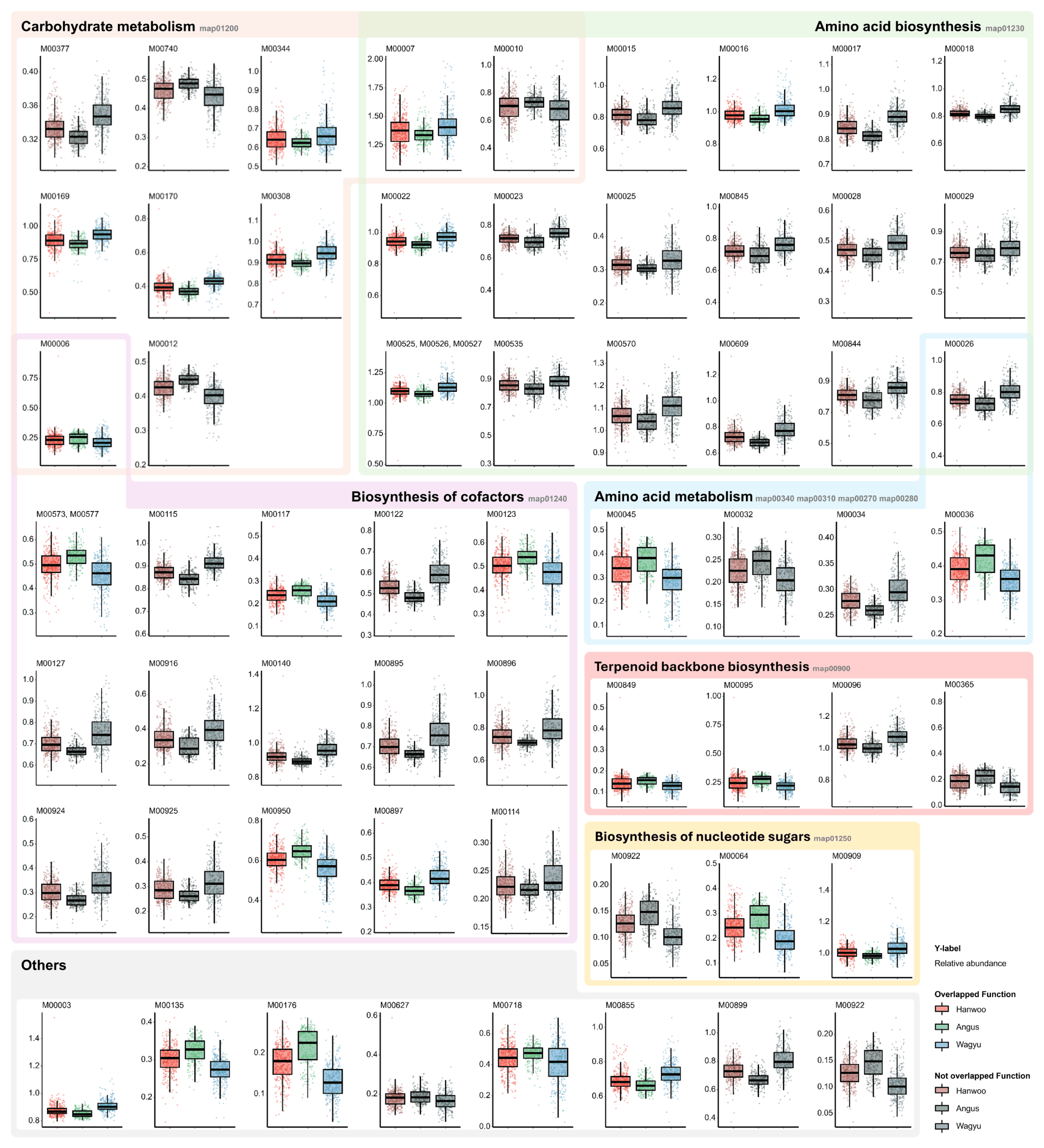
Within carbohydrate metabolism, the oxidative branch of the pentose phosphate pathway (glucose-6P to ribulose-5P, M00006), citrate cycle (oxaloacetate to 2-oxoglutarate, M00010), glyoxylate cycle (M00012), and methylaspartate cycle (M00740) were enriched in Angus breed, whereas the non-oxidative branch of pentose phosphate pathway (fructose-6P to ribulose-5P, M00007), reductive acetyl-CoA pathway (M00377), and Crassulacean acid metabolism (CAM, M00169) were enriched in Wagyu breed. In amino acid biosynthesis, Wagyu breed showed high abundances of pathways involved in biosynthesis of proline (M00015), lysine (M00016, M00525, M00526, and M00527), methionine (M00017), threonine (M00018), tryptophan (M00023), tyrosine (M00025), histidine (M00026), ornithine (M00028), isoleucine (M00535, M00570), and urea cycle (M00029). Within the amino acid metabolism, methionine salvage pathway (M00034) was dominant in Wagyu breed, whereas degradation of histidine (M00045), lysine (M00032), and leucine (M00036) were dominant in Angus breed. For biosynthesis of cofactors, Wagyu breed had increased levels of the ascorbate (M00114), NAD (M00115), cobalamin (M00122, M00924, M00925), thiamine (M00127, M00895, and M00897), and pyridoxal-P biosynthesis (M00916), while ubiquinone (M00117) and biotin biosynthesis (M00123, M00573, M00577, and M00950) were more enriched in Angus breed. Hanwoo breed exhibited intermediate levels of overall differentially abundant functions.
The co-occurrence differential network analysis was used to identify exclusive breed-specific genera and functions. Taxonomic classification at the genus level identified Ureaplasma, Streptococcus, and Lacrimispora as Hanwoo-exclusive nodes. Streptococcus was positively correlated with Prevotella, Selenomonas, and Bifidobacterium (r = 0.663, 0.573, and 0.668, respectively). Dialister, Prevotella, Pedobacter, and Erysipelothrix were Angus-specific nodes. Dialister and Prevotella showed a strong positive correlation (r = 1.000). Mogibacterium was uniquely associated with Wagyu breed, which was positively correlated with Olsenella (r = 0.612) and negatively correlated with Bacteroides and Treponema (r = −0.770 and −0.745, respectively; Fig. 5A, Supplementary Table S1).
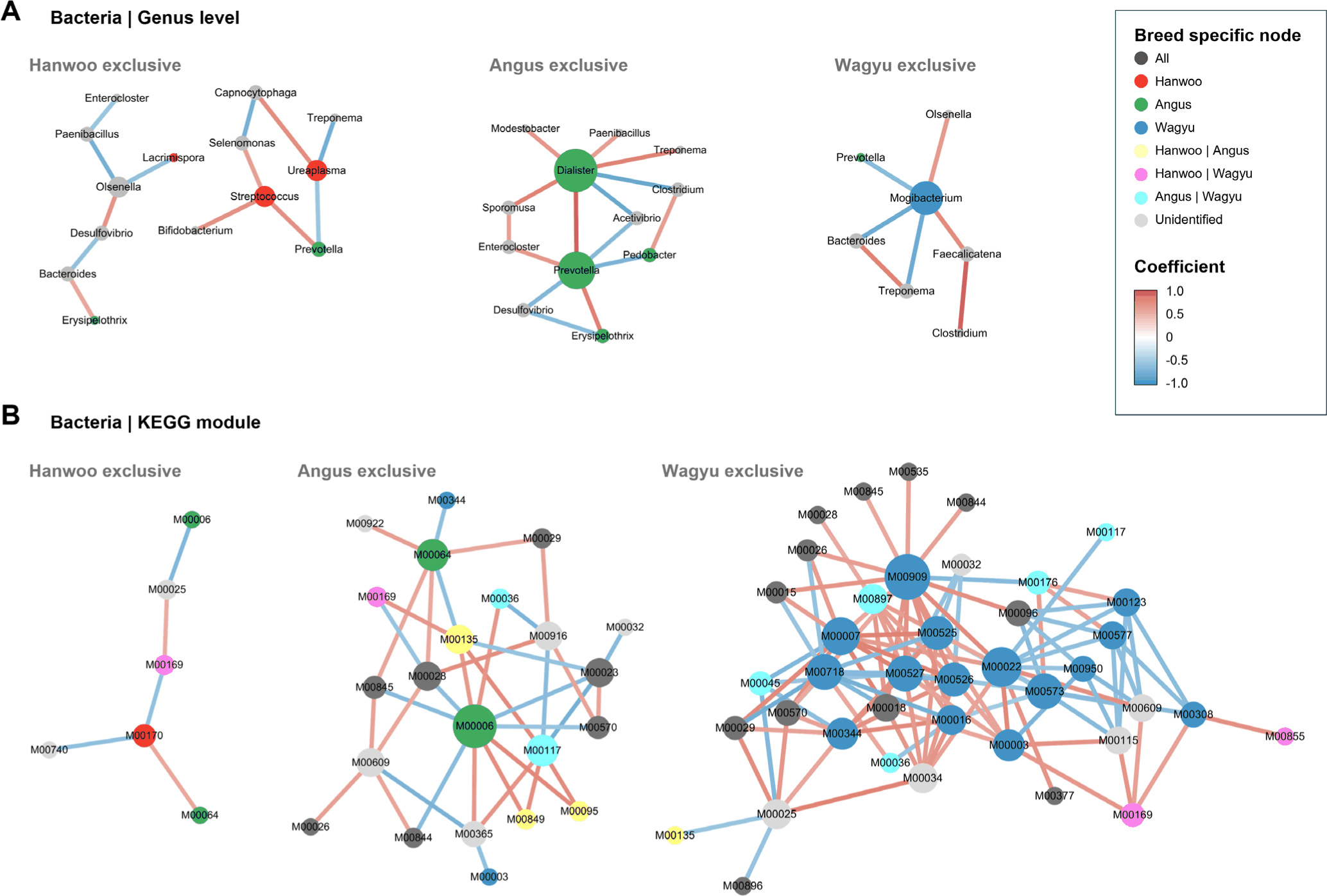
In the predicted KEGG module, C4-dicarboxylic acid cycle (M00170) was uniquely identified in the Hanwoo’s functional networks, whereas ADP-L-glycero-D-manno-heptose biosynthesis (M00064) and M00006 were exclusive to Angus breed. Wagyu breed exhibited a distinct set of exclusive modules, including four lysine biosynthesis-related and four biotin biosynthesis-related modules. Additionally, C5 isoprenoid biosynthesis (M00095 and M00849), and GABA biosynthesis (M00135) were exclusive to Hanwoo and Angus breeds, whereas M00169 and glycogen degradation (M00855) were specific to Hanwoo and Wagyu breeds. M00036, M00045, M00117, assimilatory sulfate reduction (M00176), and M00897 were exclusively found in Angus and Wagyu breeds (Fig. 5B). The Angus-specific functional module M00006 was negatively correlated with several amino acid biosynthesis-related modules, including M00023 (r = −0.621), M00028 (r = −0.595), arginine biosynthesis (M00844 and M00845; r = −0.632), and M00570 (r = −0.543). In Wagyu breed, four lysine biosynthesis-related modules were positively correlated with thiamine and UDP-GlcNAc biosynthesis (M00909; r > 0.6). Additionally, four biotin biosynthesis-related modules were consistently negatively correlated with shikimate pathway (M00022), C5 isoprenoid biosynthesis (M00096), M00115 (r < −0.5 each), and cysteine biosynthesis (M00609; r < −0.6, Supplementary Table S2).
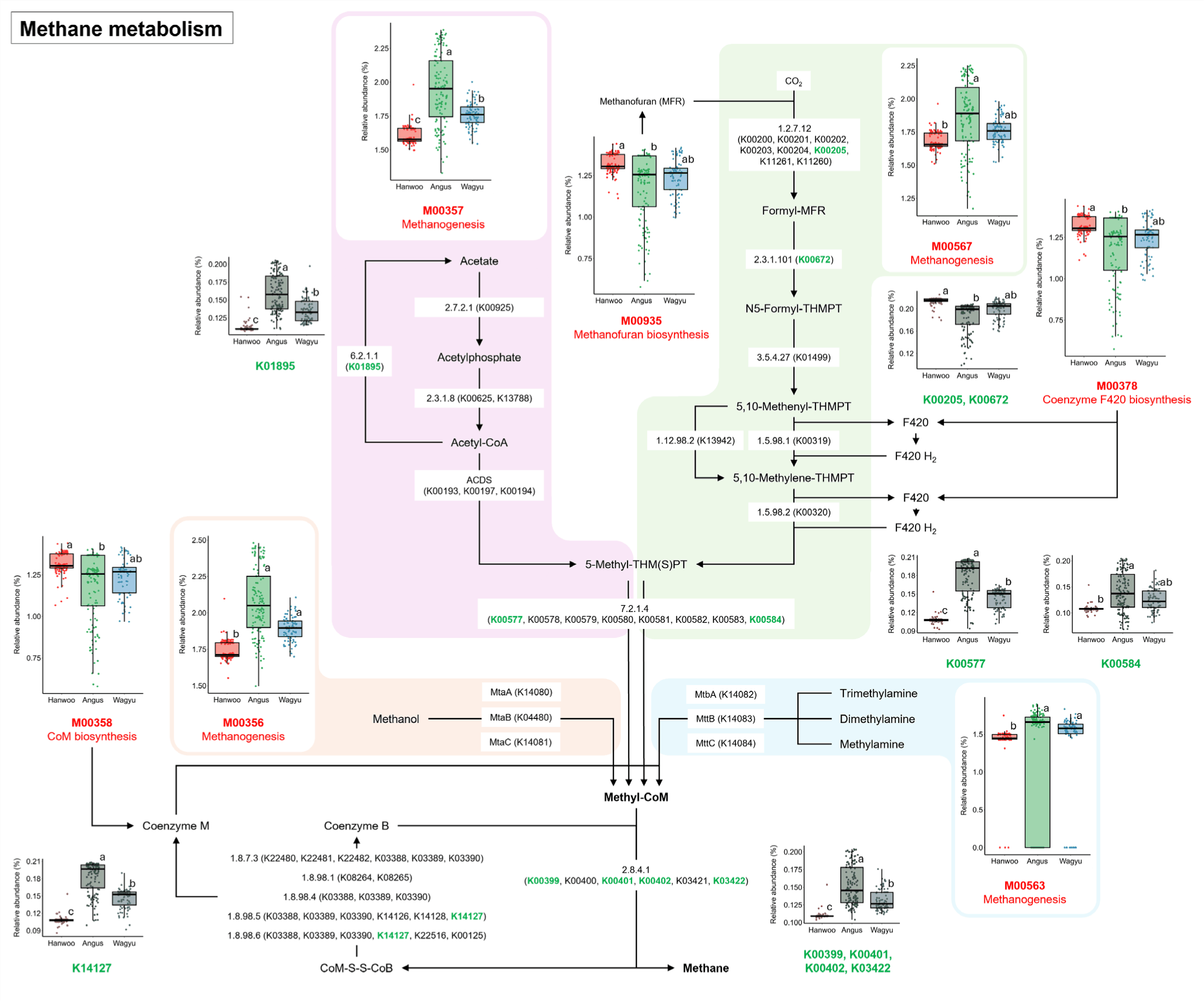
No differentially abundant archaeal taxa, exclusive archaeal genera or functions were identified among the three breeds. However, significant differences were observed in the predicted functional profiles in archaea. Functions associated with methane metabolism including methanol to methane (M00356), acetate to methane (M00357), mono-/di-/trimethylamine to methane (M00563), and CO2 to methane (M00567) were the most enriched in Angus breed (Fig. 6). Coenzyme M biosynthesis (M00358), methanofuran biosynthesis (M00935), and coenzyme F420 biosynthesis (M00378) were enriched in Hanwoo breed. KEGG orthologs associated with differentially abundant predicted methanogenesis pathways, including the subunits of methyl-coenzyme M reductase (MCR; EC 2.8.4.1), H2:CoB-CoM heterodisulfide reductase (EC 1.8.98.5), formate:CoB-CoM heterodisulfide reductase (EC 1.8.98.6), and tetrahydromethanopterin methyltransferase (THM; EC 7.2.1.4), were significantly different among the breeds. MCR alpha (K00399), beta (K00401), gamma (K00402), and D (K03422) subunits; THM subunits A (K00577) and H (K00584); and EC 1.8.98.5 and EC 1.8.98.6 iron-sulfur subunit (K14127) were the most dominant in Angus breed. In contrast, KEGG orthologs associated with M00567, including K00205 and K00672, were the most abundant in Hanwoo breed. Additional differentially abundant predicted functions in the ruminal archaeome among the different breeds are presented in Supplementary Fig. S3.
DISCUSSION
Numerous studies have investigated rumen fermentation profiles to improve traits such as feed efficiency, methane reduction, and carcass quality and quantity across different cattle breeds. With advancements in sequencing technologies, the associations between ruminal microbiomes and economically important traits are being explored in this study. This meta-analysis of the ruminal microbiome in three beef cattle breeds, Hanwoo, Wagyu, and Angus, aimed to identify microbial taxa and predict microbial functions that may serve as biomarkers, potentially contributing to identifying breed-specific physiological characteristics and improving overall animal performance.
Sequencing data derived from various studies can be affected by animal husbandry conditions such as diet, individuals, geographic location, and season, as well as technical variables such as primer set and sequencing platform selection [49–51]. To address these potential sources of variation and ensure accurate crossbreed comparisons, we evaluated multiple methods for adjusting the batch effects of microbiome data and selected one to improve the accuracy and reliability of the comparative meta-analysis. R2 indicates the proportion of variance in the dataset that can be explained by the variable [39]. A successful batch-effect adjustment is indicated by a decreased R2 of the batch variable and an increased R2 of the breed effect [52]. All three adjustment methods effectively reduced the R2 values of the batch variables. However, ComBat and MMUPHin also reduced the R2 for the breed effect, potentially diminishing true biological signals. Therefore, ConQuR was selected for further differential abundance analysis. Although the composite algorithm of ConQuR showed slightly higher R2 values for the breed effect, the lasso algorithm was finally selected because it led to more non-significant changes in the p-values. Furthermore, by integrating three microbial statistical tools including LEfSe, MaAsLin3, and ANCOM-BC2, this study provided robust statistical evidence and reduced the risk of false-positive results.
Broad differences in the ruminal bacteriome may be associated with carcass traits and meat quality, particularly the variation in meat fatty acid composition among Hanwoo, Angus, and Wagyu breeds. Angus breed has a higher content of saturated fatty acids (SFA) and a lower content of unsaturated fatty acids (USFA) than Hanwoo and Wagyu breeds [53,54]. Additionally, in a study, the USFA:SFA ratio in Wagyu breed was lower than that in Hanwoo breed [55].
Cellulolytic bacteria were predominant such as Bacteroides, Fibrobacter, Lacrimispora, and Ruminococcus in Angus breed. Those bacterial genera break down cellulose or ferment glucose derived from microbial degradation, producing acetate as a major fermentation end product [56–59]. Additionally, Mucilaginibacter and Treponema, which are saccharolytic and pectinolytic bacteria, respectively [60,61], were dominant in Angus breed. Notably, Treponema engages in syntrophic interactions with Bacteroides and Fibrobacter contributing to fiber degradation and utilizing metabolic byproducts of this process to produce succinate and acetate [62,63]. Acetate is absorbed across the rumen wall and utilized for fatty acid biosynthesis. Acetate is converted to acetyl-CoA, which contributes to medium-chain SFA (C6:0, C10:0, C16:0, and C18:0) synthesis, leading to their accumulation in milk fat or IMF [64]. The higher abundance of acetate-producing bacteria in the rumen might be associated with the increased SFA levels observed in Angus breed than in other breeds.
Pectinolytic and saccharolytic bacteria, such as Selenomonas, Olsenella, Sporomusa, Streptococcus, and Bifidobacterium, are dominant in Wagyu breed [65–67]. These microbes produce short-chain fatty acids, including lactate and acetate [68–71]. As growing cattle exhibit increased fatty acid synthesis from lactate, moderate lactate production may support lipogenesis [72]. Additionally, high-concentrate diets increase the abundance of microbes such as Streptococcus in Wagyu breed [73] and are associated with high lactate and glucose accumulation in IMF, along with high marbling scores and backfat thickness [74]. Lactate can be further converted to propionate by other microbes, which is then transported to the liver and converted to glucose via gluconeogenesis. Glucose produced by gluconeogenesis and absorbed through the small intestine may contribute to IMF deposition, thereby affecting marbling in beef [75]. The observed findings suggest that Wagyu breed, known for its high IMF content, may possess a rumen microbiome enriched with microbes that promote fatty acid synthesis via microbial lactate production.
In the predicted KEGG modules, the M00006 and M00010 were enriched in Angus breed. These functions are involved in metabolic pathways that generate nicotinamide adenine dinucleotide phosphate (NADPH), a key cofactor required for carbohydrate, protein, and fatty acid biosynthesis [76–78]. In addition, the biosynthesis of ubiquinone and biotin was highest in Angus breed. Ubiquinone, also known as coenzyme Q, serves as an electron carrier in the oxidative phosphorylation pathway. A previous study showed that high-producing dairy cows exhibited greater ubiquinone and terpenoid-quinone biosynthesis than low-producing dairy cows [79]. Biotin is essential in glucose and protein synthesis [80]. Biotin supplementation enhances digestibility and microbial activity [81]. Angus breed has a higher average daily gain (ADG) and dry matter intake (DMI) than Wagyu breed, implying that Angus breed can digest more feed and support rapid growth [82,83]. Thus, the cofactors produced through these metabolic pathways may be absorbed in the rumen or act systemically as coenzymes for various biosynthetic reactions, potentially associated with enhanced Angus productivity.
Amino acid biosynthesis in the current study was predominantly observed in Wagyu breed. Microbial crude proteins synthesized by rumen microbes are digested and absorbed in the lower guts and can supply more than 50% of the protein requirement of ruminants [84]. Moreover, certain amino acids such as methionine and proline enhance meat flavor [85], and cattle fed high-protein diets have higher marbling scores compared to those fed low-protein diets [86]. Therefore, microbial protein synthesis may contribute to the marbling and flavor characteristics of Wagyu beef, as supported by the predicted functional profiles.
Hanwoo breed showed moderate results in both differentially abundant taxa and functional profiles, reflecting intermediate SFA and USFA levels compared with Angus and Wagyu breeds. Hanwoo breed has thinner subcutaneous fat but higher IMF content and marbling score than Angus breed [53], and IMF levels are similar to those of Wagyu breed at equivalent quality grades [87]. These findings suggest that the higher meat quality in Hanwoo breed than in other breeds is not fully explained by the microbiome, and unexplored aspects of the 16S rRNA sequencing analysis of the ruminal microbiome may contribute to these characteristics.
Network analysis identified Prevotella and Dialister as keystone genera in the ruminal microbiome of Angus breed. Dialister was positively correlated with Prevotella in both this study and previous research [88]. Succinate produced by Dialister can be utilized by Prevotella [89], producing propionate, which can be converted into glucose in the host and used to support growth. Furthermore, Prevotella produces various byproducts by fermenting sugars that are utilized by Dialister to synthesize additional propionate [90]. Prevotella plays various roles in the rumen ecosystem. Co-cultivating Prevotella ruminicola with Fibrobacter or Ruminococcus enhances cellulolytic activity [91], indicating that Prevotella may contribute to the function of cellulolytic bacteria that are dominant in Angus breed. In cattle with suppressed muscle cell differentiation, Prevotella exhibits increased activity in pathways related to the biosynthesis of branched-chain amino acids compared to other microbes [92]. Moreover, Prevotella bryantii has been shown to be involved de novo synthesizes amino acids from ruminal ammonia [93]. This suggests that it may utilize ammonia released by proteolytic or ureolytic bacteria, such as Ureaplasma [94].
Streptococcus, which degrades starch and produces lactate [95], was identified as an exclusive taxon in the ruminal microbiome of Hanwoo breed and was more abundant than that in Angus breed. It showed a positive correlation with Selenomonas and interacts with Selenomonas ruminantium to produce propionate [65]. Additionally, both S. ruminantium and Streptococcus bovis abundance were increased in cattle fed with high concentrate diets [96,97]. In addition, during the fattening period, Hanwoo breed is typically fed low forage and high concentrate diets [98], which may be associated with the correlation between these bacterial species.
Mogibacterium may serve as a biomarker in the ruminal microbiome of Wagyu breed, which produces compounds such as phenyl acetate [99]. This byproduct can indirectly serve as a substrate for Olsenella [100], which is positively correlated with Mogibacterium. Additionally, both Mogibacterium and Olsenella abundance were increased in animals with low feed efficiency and high methane emissions [101]. Previous research has indicated that Wagyu breed has a lower meat yield and higher IMF than Angus breed [12,87]. Thus, these microbes may function as biomarkers of low feed efficiency in animals, influencing the overall microbial network and possibly reducing meat yield.
The exclusively predicted function M00006 in Angus breed was negatively correlated with several amino acid biosynthesis. M00028, M00844, and M00845, which are involved in amino acid biosynthesis from glycolytic intermediates [102,103], appear to have a substrate-competitive relationship with M00006, which generates NADPH and pentose sugars from glucose. Although NADPH, which may be produced from M00006, supports amino acid biosynthesis, competition for glucose as a shared substrate may explain the negative correlations observed between these pathways. Furthermore, because Angus breed has been selectively bred to efficiently utilize energy from feed [9], the ruminal microbiome may also favor metabolic pathways that enhance glucose utilization for energy production. Overall, these findings indicate that highly connected microbial keystones may be closely linked to the activity of differentially abundant microbial taxa and animal productivity.
Methanogenesis-related pathways were predominantly detected in the predicted functions of the archaea. Breed-specific differences were observed in the MCR subunits, which play a crucial role in the final step of methanogenesis [104]. KEGG orthologs associated with THM and MCR were predominantly abundant in Angus breed. The dominance of Angus breed in each predicted KEGG module suggested that MCR and THM significantly influenced these methanogenic functions. Additionally, biosynthetic pathways for essential methanogenesis-related compounds, such as F420, CoM, and methanofuran, were more abundant in Hanwoo breed than in Angus breed. These cofactors can be synthesized by not only archaea, but also bacteria [105,106]. In the rumen, total bacteria constitute a significantly larger population than overall methanogenic archaea (1010−11 bacteria/mL, 108−9 methanogenic archaea/mL) [107,108]. Even if bacterial contribution to methanogenesis-related functions is relatively minor compared with the overall bacterial function, methanogenic archaea may still produce sufficient methane to support methanogenic activity. This result indicates that the biosynthesis of these cofactors in archaea may not be directly associated with THM and MCR activity levels.
Previous studies have reported that the methane yields (g/kg DMI) of Hanwoo, Wagyu, and Angus breeds are 21.0–28.2, 14.6–32.0, and 15.0–30.4 g/kg, respectively [109–116]. Even when considering variations owing to experimental conditions, geographical differences, and measurement instruments, no clear distinction in methane yield was observed among the breeds, as the values remained relatively similar or showed no definitive pattern. However, Angus breed exhibited higher ADG and DMI than Wagyu breed [82,83]. As the DMI increases, the total methane production also increases, even if the methane yield remains similar [117]. This could partly explain why methanogenesis-related functions were more abundant in Angus breed, as a higher methane production rate may be linked to an increased prevalence of methanogenesis-associated pathways. However, owing to the lack of studies that directly compare methane emissions under identical environmental conditions, further research is needed to clarify the direct relationship between methane production and breed-specific microbiome profiles. Nevertheless, these archaeal pathways may provide valuable insights for establishing breed-specific methane mitigation strategies.
CONCLUSION
In Angus breed, acetate produced from cellulose and glucose by dominant cellulolytic bacteria can be absorbed in the rumen and utilized for fatty acid biosynthesis, which may contribute to its high SFA content. Amino acid biosynthesis was predominant in Wagyu breed. Microbial proteins meet more than 50% of the protein requirements of ruminants, and certain amino acids may positively influence the meat quality of Wagyu breed. Hanwoo breed displayed intermediate results across all factors, which aligned with the intermediate fatty acid composition and IMF content compared with those of Angus and Wagyu breeds. Breed-specific differences in methane metabolism within the ruminal archaeome indicate that methane production pathways may differ among cattle breeds. Accordingly, breed-specific mitigation strategies should be established to effectively address methane emissions in a breed-dependent manner.
The breed-specific differences observed in rumen microbiota composition and predicted functions may be shaped by both inherent genetic factors and cumulative environmental influences, such as breed-associated feeding strategies, management systems, age, and growth stages. Therefore, studies analyzing the relative contributions of these factors are required, ideally employing controlled experimental designs such as common-farm trials or cross-fostering approaches, in combination with genomic analyses to evaluate host–microbiome interactions. In addition, although this meta-analysis could not directly assess the associations between the ruminal microbiome and host productivity owing to limited access to breed-specific performance and IMF data, future studies integrating detailed productivity metrics with microbiome profiles will be essential to clarify the genetic and environmental drivers of microbiome variation and to elucidate functional links between microbial communities and economically important traits.