INTRODUCTION
Weaning is considered a critical and challenging stage for piglets because of their immature intestinal system and underdeveloped immune functions [1,2]. During this stage, piglets are exposed to an increased risk of post-weaning diarrhea (PWD), which is a fatal condition that hampers the development of piglets and impairing intestinal barrier function by disrupting intestinal mucosa and tight junction proteins, thereby reducing feed intake and causing severe growth retardation [3,4]. Dietary zinc is considered an essential trace element for animals primarily to support immunity, growth, and overall health [5,6]. In swine production, zinc oxide (ZnO) is commonly used at high doses (2,000 to 3,000 ppm) and many previous studies have shown that dietary ZnO has been supplemented in nursery diets to alleviate PWD by supporting intestinal development while reducing gut permeability [7]. However, long-term supplementation with high levels of ZnO raised some serious concerns. It increased the resistance of antibacterial activity by selecting specific strains such as Escherichia coli that are more metal tolerant, accumulates toxicity in the kidney and liver, and leads to substantial environmental pollution when excreted through swine manure, owing to their low absorption rates [8–10]. To address these issues, the European Union has prohibited the use of high levels of ZnO in the feed and other countries have begun to phase out the use of ZnO to address environmental concerns [11]. Therefore, various studies are being conducted to control dietary ZnO doses and enhance the bioavailability of zinc, aiming to reduce the reliance on high levels of ZnO in weaner diets [12–14].
ZnO is highly soluble in acidic environments, causing it to be broken down into zinc ions by gastric acid, resulting in a relatively small amount of ZnO reaching the small intestine [15,16]. In addition, it can bind to substances such as phytate to form insoluble complexes, further reducing its bioavailability [17]. Enteric coating technology acts as a protective barrier and has been developed to enhance the delivery of ZnO into the small intestine. With the application of the coating, the inner core of ZnO reduced the dissociation by gastric acid, allowing it to reach the small intestine where it can effectively perform its function and be released by pancreatic lipase [13,18]. In an in vitro study, Shen et al. [15] reported that the dissociation percentage under acidic conditions was higher for uncoated ZnO than for coated ZnO. Moreover, previous studies showed that dietary inclusion of coated ZnO improved growth rate, nutrient digestibility, and alleviated PWD when compared with a basal nursery diet and achieved similar effects to those observed with pharmacological levels of ZnO [13,18,19]. However, the effects of lipid-coated ZnO still remain controversial, and relatively few studies have examined its effect on the changes of fecal microbiota in the weaning piglets. Therefore, our study aimed to investigate the effects of dietary supplementation with coated ZnO as an alternative to high doses of conventional ZnO on growth performance, nutrient digestibility, hematological parameters, systemic immune responses, and fecal microbiota of weaned pigs.
MATERIALS AND METHODS
The lipid encapsulated ZnO used in the present study was supplied by (Animal Care Company). According to the protocol from manufacturer, this product is a double-coated form of zinc derived from ZnO in the form of lipid matrix composed of fatty acids and hydrogenated palm oil. The ZnO content of the product was 51%.
A total of 72 weaned piglets ([Landrace × Yorkshire] × Duroc) with average initial body weight (BW) of 7.30 ± 0.01 kg around 28 days age were conducted for 6 weeks. Pigs were randomly assigned to three dietary treatments (4 pigs/pen; 6 replicates/treatment; block = initial BW) with pen as the experimental unit. The dietary treatments were 1) a basal weaner diet based on corn-soybean meal (CON), 2) CON supplemented with 2,500 ppm high levels of conventional ZnO (HZO), and 3) CON supplemented with 200 mg/kg dietary coated ZnO (CZO) for 6 weeks. The basal diet was designed to meet or exceed the nutritional requirements of the National Research Council [20] for weaned pigs (Table 1). The environments of the pig room were controlled, with the temperature set between 28°C to 32°C and allowing ad libitum access to feed and water in the pens of the same sized (232 × 175 cm; width × length) during the trial.
For measuring growth performance, individual BW and feed residual amount were weighed and noted on days 1, 14, and 42 and the average daily gain (ADG), average daily feed intake (ADFI), and gain to feed ratio (G:F) were calculated. Fecal scores in each pen were visually monitored by two independent observers during the first two weeks. The fecal scores ranged from 1 to 5, with 1 indicating hard and dry feces, 2 indicating soft feces, 3 indicating moist feces, 4 indicating mild diarrhea, and 5 indicating watery diarrhea. Diarrhea percentages were determined by recording the number of days each pens received a score of 4 or higher, and these days were expressed as a percentage. In the last week of the trial, 0.2% of chromium oxide (Daejung Chemicals & Metals) was added to the diets for the each pen as an indigestible marker and feces were collected during the last 3 days of the experiment via rectal palpation after 4 days of adaptation and stored at −80°C for apparent total tract digestibility (ATTD) analysis. In fecal microbiota analysis, feces were obtained from three randomly selected pigs per treatment on the first and final day of the experiment and stored at −80°C until analysis. Blood samples (10 mL) were collected from the jugular vein of one randomly chosen pig per pen using with or without ethylenediaminetetraacetic acid (EDTA) as the anticoagulant vacutainer tubes (BD Vacutainer Systems) on days 1, 7, and 14. Serum samples were collected from the blood samples in non-EDTA tubes which were allowed to clot at room temperature and centrifuged for 15 min at 3,000×g at 4°C and stored at −80°C for immune response analysis.
Feed and frozen fecal samples were dried in a forced-air dry oven at 65°C for 72 hours. After drying, these samples were ground using a electric grinder (Hamilton Beach) for chemical analysis. All grounded samples were analyzed for dry matter (DM), and energy using a bomb calorimeter (Parr 1281 Bomb Calorimeter, Parr Instrument), and crude protein (CP) using the Kjeldahl method according to the procedures outlined by the Association of Official Analytical Chemists [21,22]. Chromium concentrations in the diets and fecal samples were estimated using an absorption spectrophotometer (Hitachi Z-5000 Absorption Spectrophotometer, Hitachi High-Tech). The ATTD values for DM, CP, and energy in each treatment were determined based on a previous study [23].
Hematological parameters were measured from blood samples collected in EDTA tubes using the Scil Vet abc hematology analyzer (Scil Animal Care Company) adjusted for porcine blood. Measurement included total white blood cell (WBC) count, red blood cell (RBC) count, and hematocrit (HCT) level. Systemic immune responses were analyzed by measuring serum concentrations of tumor necrosis factor-α (TNF-α) and cortisol using ELISA kits (R&D Systems), as well as immunoglobulin A (IgA), immunoglobulin G (IgG), and immunoglobulin M (IgM) using ELISA kits (Bethyl Laboratories). Absorbance was measured at 450 nm using a microplate reader and the concentration of each sample was determined based on their standard curve.
The total DNA was extracted from the use of 200 mg of feces from each sample using the QIAamp Fast DNA Stool Mini Kit (QIAGEN) according to the manufacturer’s guidelines. DNA concentrations were then measured with the Colibri Microvolume Spectrometer (Titertek Berthold). Samples with the ratio of OD260/280 ranging from 1.80 to 2.15 were processed additionally. To amplify the V5 to V6 regions of the 16S rRNA gene, the sets of polymerase chain reaction (PCR) primers 799F-mod6 and 1114R were used [24]. After amplification, the products were purified using a Wizard® SV Gel and PCR Clean Up System purification kit (Promega). Purified amplicons of the 16S rRNA gene were sequenced using an Illumina MiSeq platform (Macrogen). Raw sequence data produced using the Illumina MiSeq platform were subjected to quality assessment using FastQC. Sequencing errors that were inconsistent with the PCR primers contained ambiguous bases, or were less than 200 bp in length were eliminated using Mothur software [25]. The QIIME2 and Microbial Helper pipelines performed de novo operational taxonomic unit (OTU) selection using the Deblur algorithm with a 97% identity cutoff. Alpha (observed OTUs, Chao1, Shannon, and Simpson) and Beta diversity based on principal coordinate analysis (PCoA) using Bray-Curtis indices were measured to assess microbial richness and evenness and comparing microbial communities within each dietary treatment as well as comparing microbial communities across different dietary treatments, respectively.
All data except the frequency of diarrhea and fecal microbiota were analyzed using PROC GLM of SAS (ver. 9.4, SAS Institute) in a randomized complete block design (block = initial BW). The experiment unit was the pen. The statistical models for growth performance, digestibility, hematological parameters, and immune responses of pigs included diet as the main effect and initial BW as a covariate. The Chi-square test was used to analyze the frequency of diarrhea. The MicrobiomeAnalyst (https://www.microbiomeanalyst.ca/) webtool was used to analyze the alpha and beta diversity statistics using the Kruskal-Wallis test and PERMANOVA, respectively. Taxonomic classification was analyzed by STAMP software ver. 2.1.3 [26] using a two-sided Welch’s t-test. Results were presented as means ± SEM, except alpha diversity presented as means ± SD. Statistically differences and tendency were considered at p < 0.05 and 0.05 ≤ p < 0.10, respectively.
RESULTS
During the first two weeks of the study, the pigs fed CZO exhibited a significant increase (p < 0.05) in ADG and G:F compared with those fed CON (Table 2). However, there were no differences in the growth performance from day 15 to 42 or in the overall period among the dietary treatments. The frequency of diarrhea was measured at 13.87% in CON, 11.05% in HZO, and 10.16% in the CZO group. The pigs in the CZO group tended to have a lower (p = 0.094) incidence of diarrhea frequency than those in the CON group. No differences were observed in the ATTD of DM, CP, and energy among the dietary treatments (Table 3).
2) CON, basal weaner diet based on corn and soybean meal; HZO, CON + 2,500 ppm ZnO; CZO, CON + 200 mg/kg dietary coated ZnO; BW, body weight; ADG, average daily gain; ADFI, average daily feed intake; G:F, gain to feed ratio.
| Item2) | CON | HZO | CZO | SEM | p-value |
|---|---|---|---|---|---|
| DM (%) | 72.45 | 75.05 | 77.01 | 5.45 | 0.413 |
| Energy (%) | 74.26 | 76.63 | 78.03 | 5.19 | 0.569 |
| CP (%) | 71.48 | 73.58 | 73.55 | 6.28 | 0.638 |
No significant differences were observed in WBC and RBC counts on days 1, 7, and 14 among the dietary treatments (Table 4). However, pigs fed with CZO tended to have the lowest HCT level on day 14 (p = 0.083). Regarding systemic immunity, pigs in the CZO group showed a tendency toward the lowest serum TNF-α level on day 7 (p = 0.072) and the highest IgM level on day 14 (p = 0.072) among the dietary treatments. In addition, pigs in the HZO group tended to have the lowest serum cortisol concentration on day 7 (p = 0.078) compared to other treatments. No significant differences were observed in IgG and IgA levels among the dietary treatments.
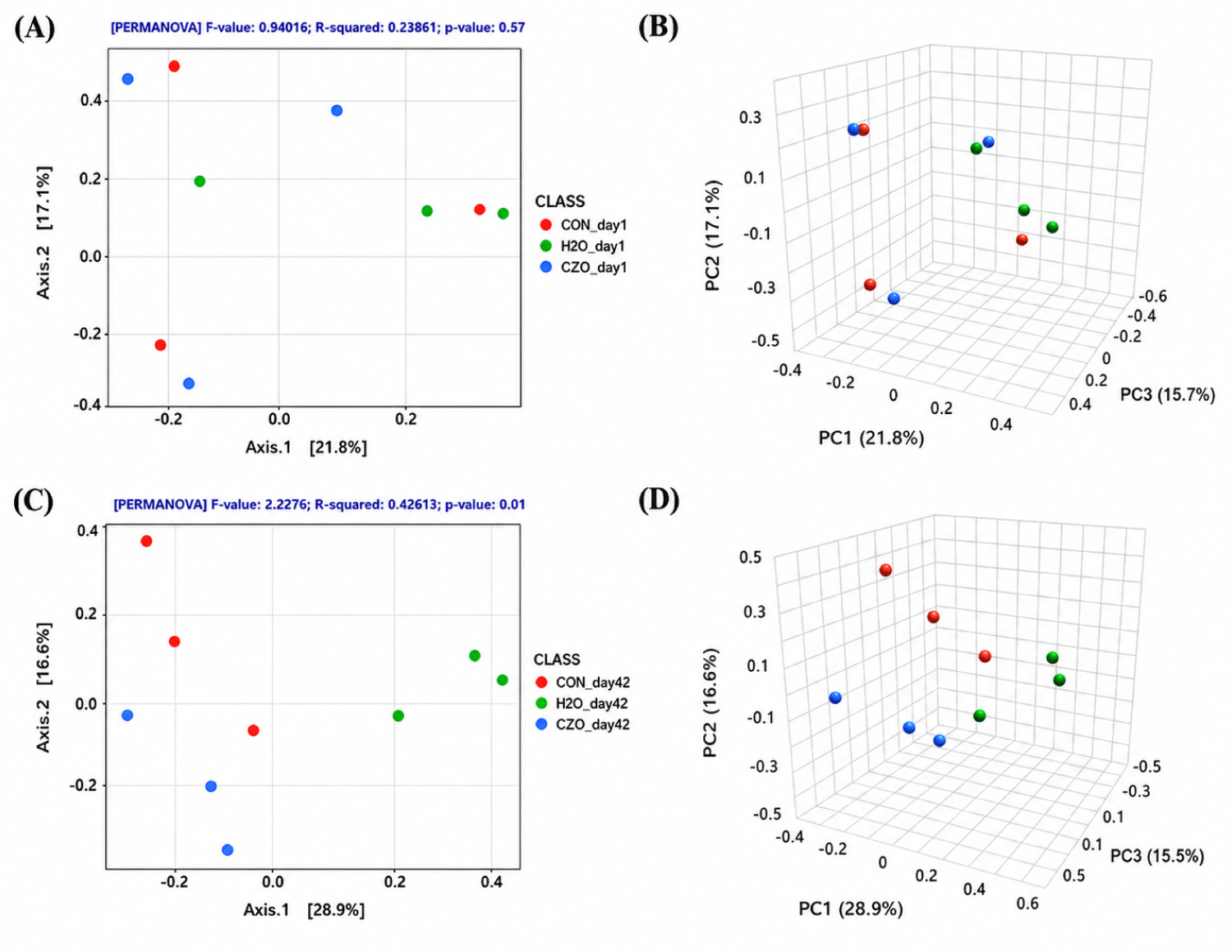
The alpha diversity indices are presented in Table 5. There were no differences in alpha diversity indices among the dietary treatments on day 1. However, pigs fed dietary CZO showed an increase (p < 0.05) in the observed OTUs and Chao1 indices on day 42 compared with those fed HZO. Microbial beta diversity among the dietary treatments was visualized using PCoA plots as shown in 2D and 3D (Fig. 1). No differences were found (r2 = 0.24, p > 0.05) in the Bray–Curtis distance on day 1 among the dietary treatments. However, differences in the clustering of microbial communities were detected (r2 = 0.43, p < 0.05; Figs. 1C and 1D) on day 42 among the dietary treatments.
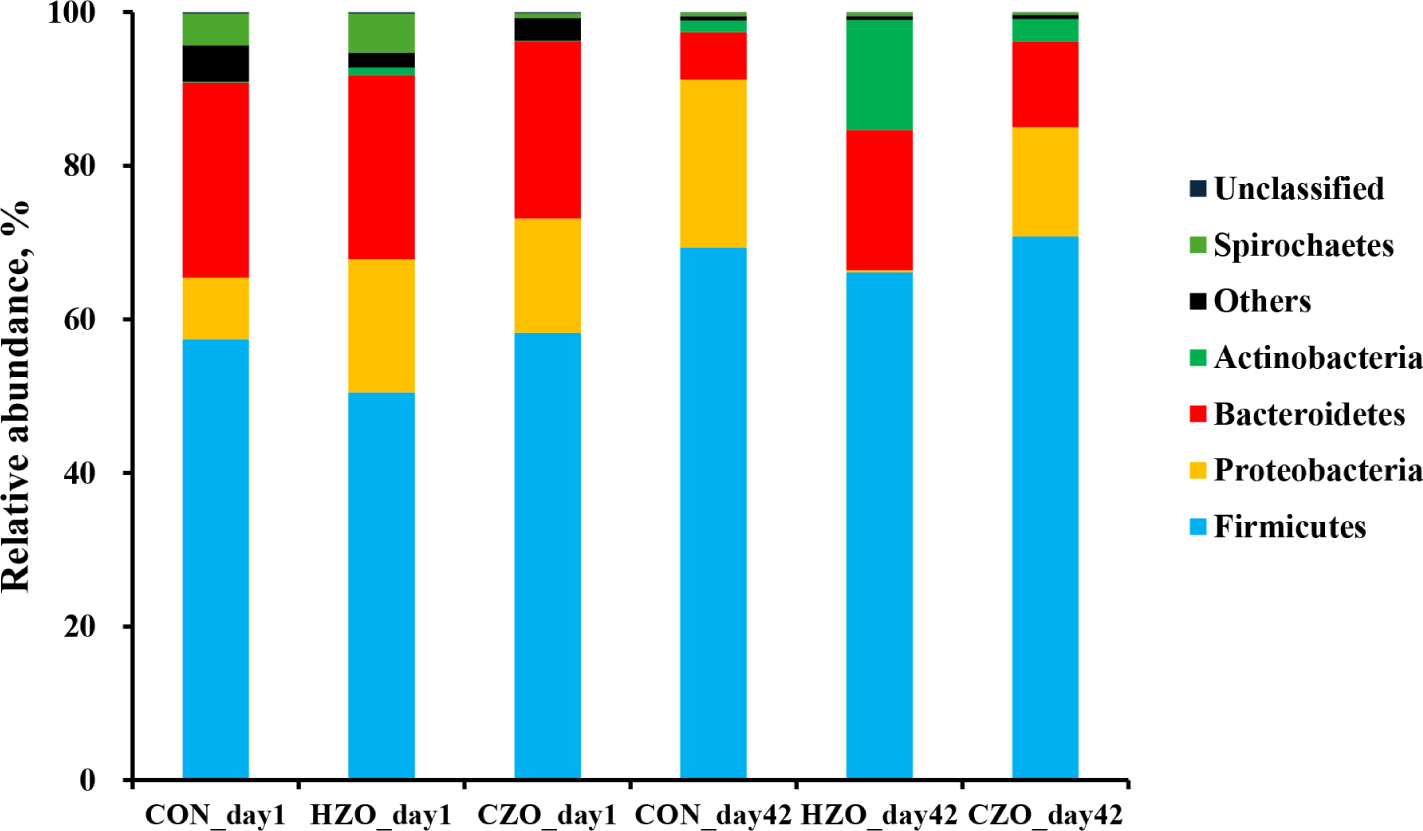
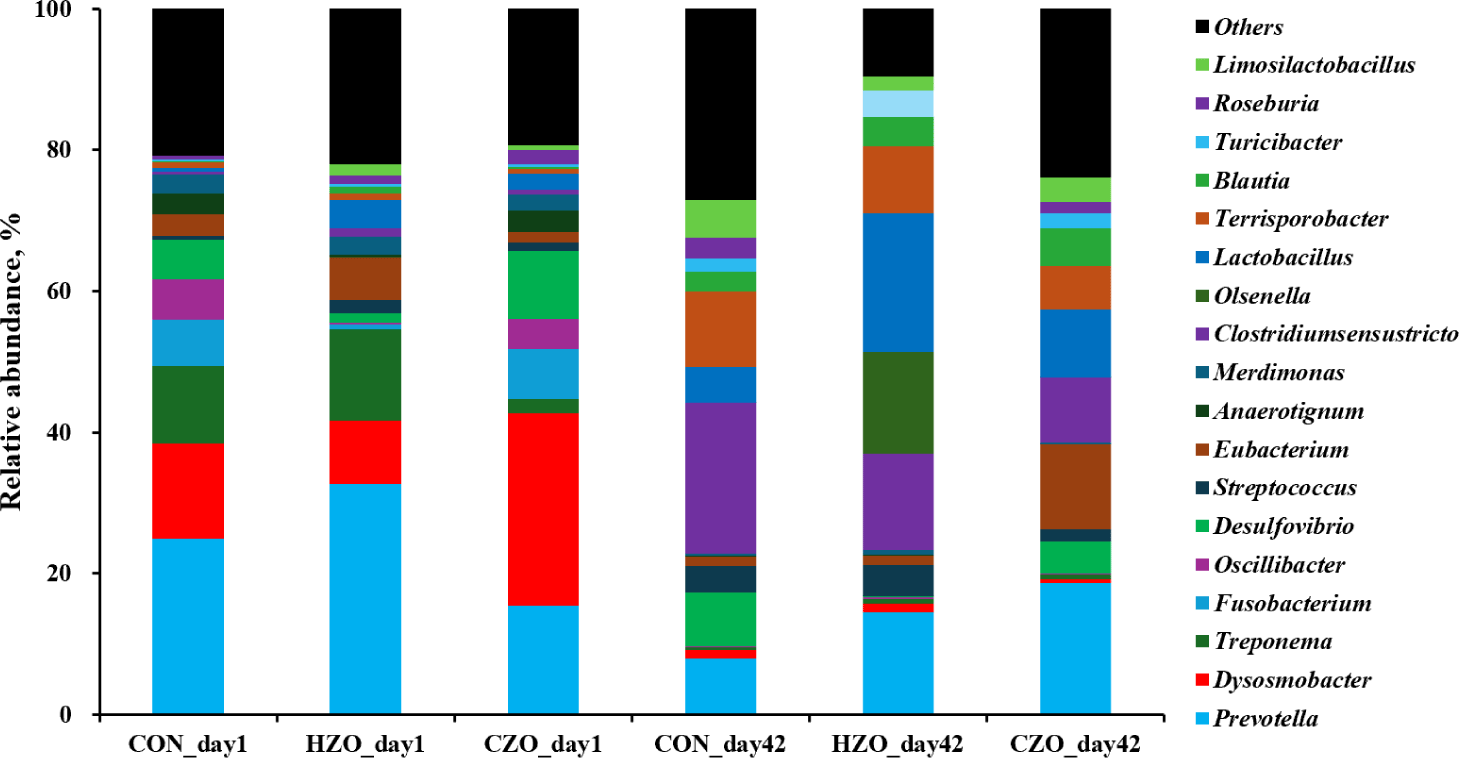
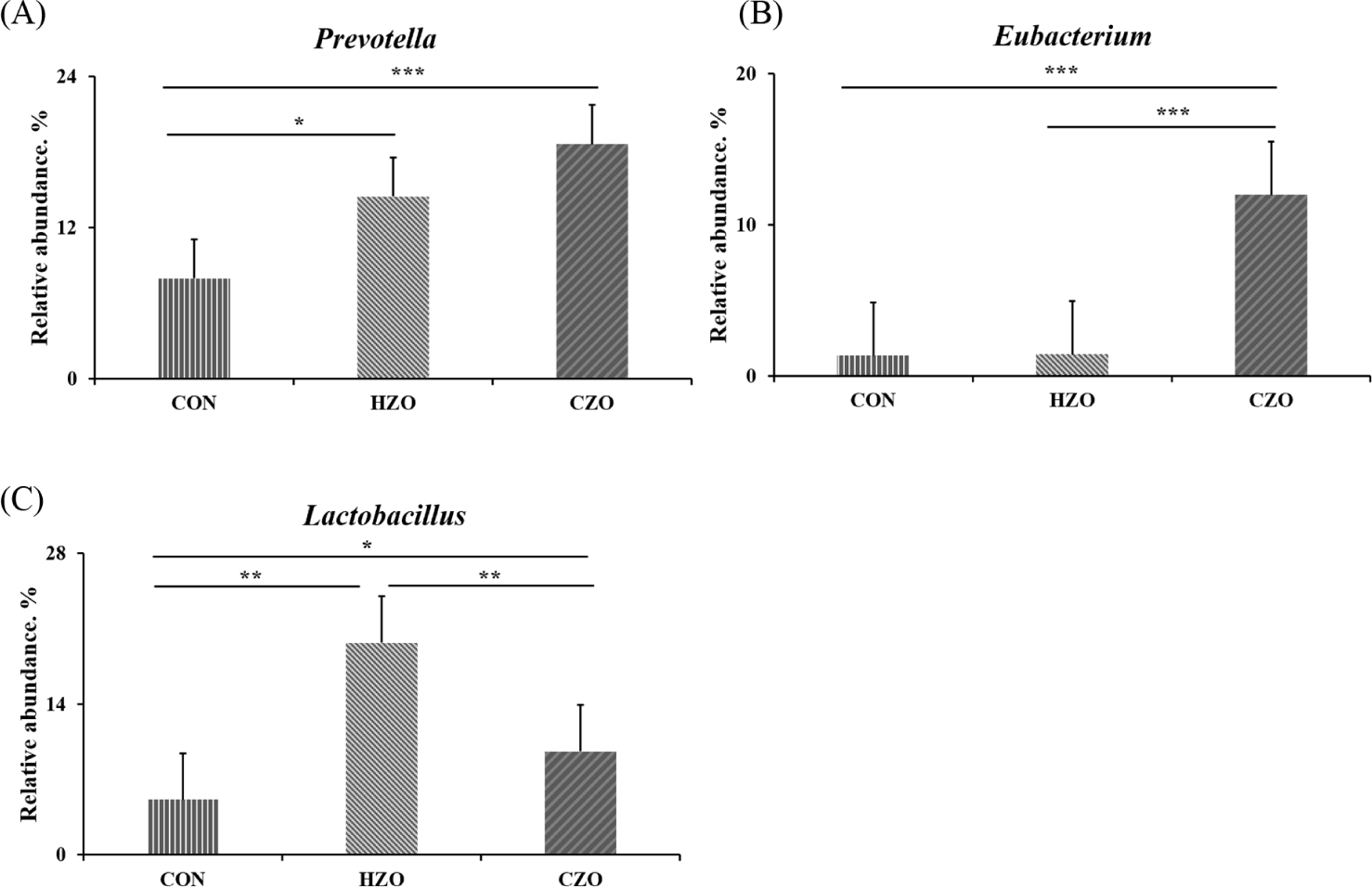
The relative abundances of bacterial taxa at the phylum and genus levels among the dietary treatments are presented in Figs. 2 and 3, respectively. In terms of fecal microbial composition, Firmicutes (CON, 57.42%; HZO, 50.48%; CZO, 58.26%) was the most dominant phylum among the dietary treatments on day 1, followed by Bacteroidetes (CON, 25.46%; HZO, 23.99%; CZO, 23.08%). On day 42, Firmicutes remained the most dominant phylum among the dietary treatments (CON, 69.37%; HZO, 66.14%; CZO, 70.81%). In contrast, Bacteroidetes abundance was decreased (CON, 6.18%; HZO, 18.25%; CZO, 11.11%) and Actinobacteria was increased (CON, 1.52%; HZO, 14.33%; CZO, 2.97%). Prevotella was the most dominant fecal genus among the dietary treatments (CON, 24.87%; HZO, 32.67%; CZO, 27.36%) on day 1. On day 42, the dietary CZO group showed a higher (p < 0.05) proportions of Prevotella (18.62% vs. 7.94%), Eubacterium (11.97% vs. 1.32%) and Lactobacillus (9.58% vs. 5.13%) than the CON group (Fig. 4). In addition, pigs fed CZO had a higher (p < 0.005) abundance of Eubacterium (11.97% vs. 1.42%) than those fed HZO. The dietary HZO group had higher (p < 0.05) Lactobacillus abundance (19.67% vs. 5.13% and 9.58%, respectively) than the CON and CZO groups. Additionally, pigs fed HZO had increased (p < 0.05) the proportions of Prevotella (14.46% vs. 7.94%) compared with those fed CON.
DISCUSSION
Due to weaning stress, piglets often suffer from physiological disorders including digestive and immune dysfunction, which reduce feed efficiency, impair nutrient absorption, and delay growth rate [27,28]. To mitigate these challenges and prevent susceptibility to infections, pharmacological levels of ZnO are commonly supplemented in the weaner diets [29–31]. This supplementation not only promotes growth performance but also ameliorates the intestinal barrier environment, enhances systemic immune function, and modulates gut microbiota composition, particularly during the first and second critical weeks of post-weaning [32]. However, inorganic zinc has relatively low bioavailability compared with its organic forms, with most of it being discharged from the feces which could be the main source of soil pollution [33,34]. Therefore, we hypothesized that low doses of coated ZnO could enhance the zinc absorption rate in the gastrointestinal (GI) tract while maintaining an efficacy similar to that of high levels of ZnO. In the present study, the dietary CZO group showed improved ADG and feed efficiency during the first two weeks post-weaning compared with the CON group, which is consistent with previous studies [16,18,35]. These results suggest that low doses of coated ZnO promote growth performance through the slow release of Zn by pancreatic lipase and more effective delivery to the small intestine, achieving growth promoting effects similar to those of high levels of conventional ZnO forms. In swine production, ZnO is often added to a weaner diet to alleviate PWD caused by nutritional and physiological stress and E. coli infection [36]. In the present study, the CZO group tended to have a lower frequency of diarrhea compared with the CON group during the first two weeks of our study. Additionally, HCT levels in hematological parameters were lower in pigs fed CZO than in those fed CON, which is an indicator of dehydration status typically accompanied by an increase of frequency of diarrhea. Therefore, our results suggest the supplementation with coated ZnO enhanced the intestinal health of pigs, which in turn positively affects their growth performance during the critical period when piglets are most vulnerable to digestive disturbances.
Higher ATTD values of DM, CP, and energy were observed in previous studies with the administration of chelated or coated ZnO in the weaner diet [12,16] which can be attributed to the enhanced activations of digestive enzymes [37] and improved morphology of the small intestine, [38] which positively affects nutrient absorption. However, in contrast to previous reports, our results showed no differences in the ATTD of DM, CP, and energy among the dietary treatments. Biswas et al. [39] reported that the ATTD of DM, nitrogen, and energy were not affected by amino acid-chelated zinc. This finding aligns with that of our study, suggesting that the effects of zinc may vary depending on the animal breed, zinc source, and its concentration.
Zinc is an essential trace mineral playing a vital role in regulating the immune systems, including innate and adaptive immunity, and zinc deficiency can negatively affect immune functions, development, and overall health [40]. Disruption of the intestinal barrier and penetration of pathogenic bacteria, because of weaning stress, increase the permeability of intestinal tissues [41,42]. This process activates mucosal immune cells resulting in the upregulation including pro-inflammatory cytokines such as TNF-α, which is a potential marker of inflammatory reactions [43]. In the present study, the serum concentration of TNF-α was decreased in the dietary CZO supplementation compared with the CON diet, but did not differ from the HZO group. This finding suggests that the supplementation of zinc in weaner diets modulated systemic immunity by inhibiting the pathway of nuclear factor-κB, which is a key transcription factor for the expression of TNF-α [44]. Additionally, a tendency of cortisol concentration was observed on day 7 in the HZO group compared to the CON group. Cortisol, a biomarker of stress, reflects activation of the hypothalamic–pituitary–adrenal (HPA) axis, which is triggered during early weaning stress and leads to the overproduction of cortisol and pro-inflammatory cytokines in response to inflammation [45]. In addition, zinc supplementation in weaned pigs not only regulating immune functions through cell-mediated immunity but also enhancing humoral immunity. IgA, IgM, and IgG are the main antibodies activated by B lymphocytes and are essential for humoral immunity [46]. Our current study indicated that supplemented with CZO group tended to have increased serum IgM levels on day 14. A previous study revealed that ZnO supplementation enhances IgM levels [47], which is consistent with our results. IgM is the first antibody produced in response to antigens and has major functions in the host defense system against infections. These results suggest that CZO supplementation is positively affected during early weaning, which is the most critical period for infections. Our findings indicate that supplementation with pharmacological and low doses of coated ZnO alleviates the stress response and modulates immune responses, supporting the potential effect of enhancing the systemic immunity of weaned pigs.
The gut ecosystem is affected by the interactions between the immune systems and intestinal microorganisms, leading to the utilization of nutrients and contributing to the maintenance of host homeostasis [48] The intestinal microbiota showed increased diversity and richness after weaning which depends on the species, age, and diet of the animals [49]. In the current study, we observed that dietary HZO reduced the species richness indices (Observed OTUs and Chao1) on day 42 compared with dietary CZO. Previous studies have reported lower richness values in groups treated with high levels of ZnO [15,50], which is in agreements with the results observed in our study. Regarding beta diversity, communities of fecal microbiota were distinctly identified among the dietary treatments on day 42. Based on the results of microbial diversities, the dietary CZO group potentially contributed to the improvement in microbial richness and stable microbial communities among the dietary treatments which may enhance intestinal health [51] . In addition to diversity analysis, the relative taxonomic abundance of fecal microbial communities was investigated to further evaluate the intestinal health of the pigs. Firmicutes and Bacteroidetes phyla were more abundant in the HZO and CZO groups than in the CON group at the phylum level on day 42. These are the most common phyla in the GI tract of humans and pigs and can maintain the balance of energy and promote the production of short chain fatty acids (SCFAs) [52,53]. In the present study, the CZO group showed higher abundance of the genera Prevotella and Eubacterium compared with the CON group on day 42. Prevotella is known as one of the most dominant genera in the GI tract during the weaning period and plays a pivotal role in producing SCFAs that serve as an energy source and help protect against gut inflammation [54,55]. Furthermore, the Prevotella-driven enterotype was positively correlated with weight gain and feed intake [56], and the higher abundance of Prevotella observed in the present study indicates the beneficial effects of growth performance on weaned pigs. The genus Eubacterium has been reported to be a butyrate-producing bacterium as well as a core component of the gut microbiome [57]. Previous studies have shown that Eubacterium spp. contributes to maintaining gut integrity by modulating the gut microbiota and are considered to have similar effects to probiotics, such as Lactobacillus and Bacillus strain in promoting intestinal health [58]. In addition, the higher Lactobacillus abundance was observed in the HZO group than in the CZO and CON groups on day 42. Our current results are consistent with those of previous studies reported that only pigs fed pharmacological levels of ZnO showed a higher abundance of Lactobacillus than those fed low doses of modified ZnO [12]. This result may vary depending on the form of ZnO and it may be considered that the proportion of Lactobacillus is relatively reduced as the proportion of other beneficial bacteria increased in the CZO group.
CONCLUSION
In summary, our study showed that supplementation with dietary coated ZnO improved growth performance and alleviated the frequency of diarrhea in weaned pigs. Additionally, dietary coated ZnO at low dosages modulated systemic immunity and enhanced the host gut health by altering the microbial communities and shifting the relative microbial compositions of the fecal microbiota. As systemic immune modulation and improved gut health are positively correlated with growth performance, these compounds could potentially replace high levels of ZnO, which mainly contributes to environmental pollution. Further studies should be considered to analyze the metagenomics indicators of zinc to elucidate the potential effects of coated ZnO.