RESEARCH ARTICLE

Dietary flavor supplementation enhanced growth performance and alleviated diarrhea of weaned pigs by modulating gut microbiota and systemic immunity

Hyunjin Kyoung1,#https://orcid.org/0000-0001-5742-5374, Soyun Kim1,#https://orcid.org/0000-0002-9845-2368, Jin Ho Cho2,#https://orcid.org/0000-0001-7151-0778, Jeehwan Choe3,#https://orcid.org/0000-0002-7217-972X, Jinmu Ahn1https://orcid.org/0009-0005-1490-2974, Jinuk Nam4https://orcid.org/0009-0003-8696-5697, Yonggu Kang1https://orcid.org/0009-0008-3593-2656, Younghoon Kim1https://orcid.org/0000-0001-6769-0657, Hyeun Bum Kim6,*https://orcid.org/0000-0003-1366-6090, Minho Song1,*https://orcid.org/0000-0002-4515-5212
Author Information & Copyright
1Department of Animal Science and Biotechnology, Chungnam National University, Daejeon 34134, Korea
2Department of Animal Science, Chungbuk National University, Cheongju 28644, Korea
3Department of Livestock, Korea National University of Agriculture and Fisheries, Jeonju 54874, Korea
4Department of Nutrition, University of California, Davis, CA 95616, USA
5Department of Agricultural Biotechnology and Research Institute of Agriculture and Life Science, Seoul National University, Seoul 08826, Korea
6Department of Animal Biotechnology, Dankook University, Cheonan 31116, Korea
*Corresponding author: Hyeun Bum Kim, Department of Animal Biotechnology, Dankook University, Cheonan 31116, Korea., Tel: +82-41-550-3653, E-mail: hbkim@dankook.ac.kr
*Corresponding author: Minho Song, Department of Animal Science and Biotechnology, Chungnam National University, Daejeon 34134, Korea., Tel: +82-42-821-5776, E-mail: mhsong@cnu.ac.kr

# These authors contributed equally to this work.

© Copyright 2026 Korean Society of Animal Science and Technology. This is an Open-Access article distributed under the terms of the Creative Commons Attribution Non-Commercial License (http://creativecommons.org/licenses/by-nc/4.0/) which permits unrestricted non-commercial use, distribution, and reproduction in any medium, provided the original work is properly cited.

Received: Nov 13, 2024; Revised: Dec 18, 2024; Accepted: Jan 02, 2025

Published Online: Jan 31, 2026

Abstract

The experiment was conducted to investigate the effects of dietary flavor on growth performance, diarrhea severity, nutrient digestibility, systemic immunity, and gut microbiota of weaned pigs. Weaned pigs (n = 72; 6.66 ± 0.32 kg body weight [BW]; 28 days of age) were randomly assigned to one of the two dietary treatments (9 pens/treatment; 4 pigs/pen): nursery basal diet (CON) and CON supplemented with 0.05% milky cream flavor (FLA). The experiment lasted for 42 days. Pigs in the FLA group tended to have increase (p < 0.10) BW on day 42 and had greater (p < 0.05) average daily gain during each interval, compared with pigs in the CON group. Pigs fed FLA diet tended to have increase (p < 0.10) average daily feed intake during the overall period compared with pigs fed CON diet. The FLA group had increased (day 1 to 7, p < 0.05; day 1 to 14, p < 0.10; day 1 to 21, p < 0.05) gain to feed ratio during each interval compared with the CON group, except from day 1 to 42. The FLA group showed reduced (p < 0.05) frequency of diarrhea from day 8 to 14 after weaning and tended to increase (p < 0.10) gross energy apparent total tract digestibility compared with the CON group. Pigs fed FLA diet tended to have lower (p < 0.10) white blood cell count, serum TNF-α, and serum IL-6 on day 7 and lower (p < 0.05) white blood cell counts on day 14 than pigs fed CON diet. Pigs treated with FLA had a higher (p < 0.05) relative abundance of Firmicutes, whereas had a lower (p < 0.05) relative abundance of Bacteroidetes than pigs treated with CON. At the genus level, the FLA group had a higher (p < 0.05) relative abundance of Lactobacillus and Clostridium but had a lower (p < 0.05) relative abundance of Prevotella in fecal samples than the CON group. In conclusion, dietary flavor supplementation may enhance growth performance, reduce diarrhea, and increase energy digestibility by alleviating systemic immune responses and altering the gut microbiota of weaned pigs.

Keywords: Flavor; Growth performance; Gut microbiota; Immune responses; Post-weaning diarrhea; Weaned pigs

INTRODUCTION

At the time of weaning, pigs are encountering nutritional, immunological, and psychological stress challenges [1]. Weaning stress results in inflammation, diarrhea, and reduced nutrient digestibility and growth performance [2]. In addition, intestinal microbiota alteration caused by weaning stress could be favoring the proliferation of pathogenic bacteria [3]. However, improving feed intake after weaning can not only provides essential nutrients to pigs through their feed, but also supports pigs cope with weaning stress and improve growth and health [46]. Additionally, stimulating feed intake can help establish a healthy, balanced gut microbial community [7]. The formation of a stable microbial community plays an important role in the development of the intestinal barrier, regulation of immune responses, and inhibition of the growth of potential pathogenic microbiota [8,9]. Increasing feed intake can induce optimal nutrient utilization for the host as well as the gut microbiota, and promote gut health by improving growth of beneficial microbiota. Therefore, improving nutrient intake by stimulating early feed intake after weaning is expected to alleviate post-weaning diarrhea and support grow into healthy pigs.

Dietary flavors have been used in nursery pig diets to facilitate diet acceptance and stimulate intake by enhancing the smell and taste of feed [1012]. Among a wide variety of flavors, sweet, vanilla, and milky or fruity flavors were the most preferred by weaned pigs [13,14]. Dietary flavors are suitable as feed additives because of their ability to mask relatively unacceptable ingredients on voluntary intake [15]. Previous studies have shown that dietary flavors may help improve the performance of pigs during the weaning stage by increasing feed consumption [11,12]. However, limited studies have evaluated the efficacy of dietary flavor supplementation on weaned pigs and the effects on the host gut microbiome and systemic immunity. Therefore, the objective of this experiment was to investigate the effects of milky cream flavor supplementation on growth performance, diarrhea, nutrient digestibility, systemic immunity, and fecal microbiota of weaned pigs.

MATERIALS AND METHODS

Animals, housing, experimental design, and diet

The experimental protocol for this experiment was reviewed and approved by the Institutional Animal Care and Use Committee of Chungnam National University, Daejeon, South Korea (approval #CNU-01092). All animal handling and sampling procedures in this study followed the guidelines and regulations for animal use. A total of 72 weaned pigs ([Landrace × Yorkshire] × Duroc; initial body weight [BW]: 6.66 ± 0.32 kg; 28 days of age) with an equal number of gilts and barrows were used for 42 days in this experiment. Pigs were randomly assigned to one of the two dietary treatments (9 pens per treatment; 4 pigs [2 barrows and 2 gilts] per pen) in a randomized complete block design with BW as the block. Dietary treatments included a typical commercial nursery diet based on corn and soybean meal with fish meal, spray-dried plasma, and zinc oxide (CON) and an experimental diet (FLA) supplemented with 0.05% dietary flavor on CON. The dietary flavor used in this experiment was a commercial product containing milky cream flavor (Luctarom, Lucta Guangzhou Flavours). All diets were formulated to meet or exceed the nutrient requirements for weaned pigs as estimated by the National Research Council [16] (Table 1). All pigs were housed in pens equipped with a feeder and waterer in an environmentally controlled room and were allowed free access to diets and water throughout the experiment.

Table 1. Ingredient compositions of experimental diets1)
Item Basal diet
Ingredient (%)
 Corn 53.90
 Soybean meal (44%) 15.00
 Soy protein concentrate 7.50
 Whey powder 12.50
 Soybean oil 2.30
 Spray-dried plasma 2.50
 Fish meal, combined 3.00
 Limestone 1.20
 Monocalcium phosphate 0.80
 Vitamin-mineral premix2) 0.40
 Lysine-HCl 0.35
 DL-methionine 0.15
 L-threonine 0.10
 Zinc oxide 0.30
 Total 100.00
Calculated energy and nutrient
 Metabolizable energy (Mcal/kg) 3.40
 Crude protein (%) 21.69
 Calcium (%) 0.89
 Phosphorus (%) 0.68
 Lysine (%) 1.55

1) Commercial weaned pig diet based on corn and soybean meal diet with fish meal, spray-dried plasma, and zinc oxide.

2) Provided per kilogram of diet: vitamin A, 12,000 IU; vitamin D3, 2,500 IU; vitamin E, 30 IU; vitamin K3, 3 mg; D-pantothenic acid, 15 mg; nicotinic acid, 40 mg; choline, 400 mg; and vitamin B12, 12 μg; Fe, 90 mg from iron sulfate; Cu, 8.8 mg from copper sulfate; Zn, 100 mg from zinc oxide; Mn, 54 mg from manganese oxide; I, 0.35 mg from potassium iodide; Se, 0.30 mg from sodium selenite.

Download Excel Table
Growth performance and frequency of diarrhea

Pigs and feeders were weighed and BW and feed intake data were recorded on day 1, 7, 14, 21, and 42 after weaning. Average daily gain (ADG), average daily feed intake (ADFI), and gain to feed ratio (G:F) were calculated for each interval from day 1 to 7, day 1 to 14, day 1 to 21, and day 1 to 42. The diarrhea score of each pig was visually assessed each day by two evaluators, with the score ranging from 1 to 5 (1 = normal hard feces, 2 = slightly soft feces, 3 = soft partially formed feces, 4 = semi-liquid feces, and 5 = watery diarrhea). The frequency of diarrhea was calculated for the first 2 weeks after weaning, as the percentage of the counting pen days with pigs’ diarrhea score of 4 or greater.

Nutrient digestibility

During the last week of the experiment (day 35 to 42), 0.2% chromic oxide (Cr2O3) as an indigestible marker was provided in the experimental diets. The initial 4 days were considered an adaptation period to the diet. Fecal collections from one randomly selected pig per pen were performed for the last 3 days of the experiment. The collected fecal samples were pooled in each pig and stored at –20°C until further analysis [17]. Before chemical analysis, collected fecal samples were dried in a forced-air drying oven at 60°C for 72 hours and ground using a cyclone mill (Foss Tecator Cyclotec 1093, Foss Tecator). Feed and fecal samples were analyzed for dry matter (DM; method 930.15) [18], crude protein (CP; method 990.03) [18], and gross energy (GE) using a bomb calorimeter (Parr 1281 Bomb Calorimeter, Parr Instrument) for apparent total tract digestibility (ATTD). Chromium concentration in the fecal samples was measured using an absorption spectrophotometer (Hitachi Z-5000 Absorption Spectrophotometer, Hitachi High-Technologies). ATTD of DM, CP, and GE of weaned pigs was calculated according to the methodology described by Williams et al. [19].

Blood profiles and immune response biomarkers

Blood samples were collected from the jugular vein of one randomly selected pig from each pen with or without ethylenediaminetetraacetic acid to yield whole blood and serum, respectively (Becton Dickinson), on day 1, 7, and 14. Whole blood samples were collected and used to measure white blood cell (WBC) counts and packed cell volume (PCV) using an automated hematology analyzer calibrated for porcine blood (Scil Vet abc Hematology Analyzer, Scil Animal Care). Serum samples collected on day 7 were analyzed for tumor necrosis factor-α (TNF-α), transforming growth factor-β1 (TGF-β1), interleukin-6 (IL-6), interleukin-1β (IL-1β), and cortisol using porcine-specific enzyme-linked immunosorbent assay. All samples were analyzed in duplicate, including standard and control, in accordance with the recommendations of the manufacturer (R&D System). The intra-assay coefficients of variation for TNF-α, TGF-β1, IL-6, IL-1β, and cortisol were 6.9%, 2.9%, 5.1%, 7.2%, and 9.2%, respectively, while the respective inter-assay coefficients of variation were 9.2%, 9.1%, 7.4%, 8.7%, and 21.2%.

Gut microbiota

Fecal samples for gut microbiota analysis were collected at the end of the experiment from three randomly selected pigs per treatment. The samples were stored in freezer at –80°C until gut microbiota analysis. Total DNA was extracted from the fecal samples for library construction using QIAamp Fast DNA Stool Mini Kit (QIAGEN), following to the manufacturer’s procedures [20]. Extracted bacterial DNA was amplified with PCR, targeting V3-V4 region of the 16S rRNA gene [21] with primers Bakt_341F (5’-CCTACGGGNGGCWGCAG-3’) and 805R (5’-GACTACHVGGGTATCTAATCC-3’) [22]. DNA purification of all fecal DNA samples was performed centrally using PCR clean up purification system and Wizard SV Gel according to the manufacturer’s protocol (Promega). Barcoded 16S rRNA gene amplicons were sequenced using the Illumina MiSeq platform at technical company (Macrogen). The 16S rRNA gene sequences were processed using the Mothur software package (version 1.40.5) by following analysis protocol of Miseq SOP with some modifications [23]. Quantitative Insights into Microbial Ecology (QIIME) software package (version 1.9.1) was used for de novo operational taxonomic unit (OTU) clustering with an OTU definition at an identity cutoff of 97% [24]. Microbial alpha diversity, including observed OTUs, Chao1, Shannon, and Simpson indices, with an estimated over 0.99 Good’s coverage, was calculated using QIIME. Beta diversity of fecal microbiota was determined for microbial communities between treatments based on principal coordinate analysis (PCoA) plots using Bray–Curtis dissimilarity matrices. The taxonomic composition of each sample at the phylum and genus levels was shown as a percentage based on the relative abundance.

Statistical analyses

The normality of data was verified using the Shapiro-Wilk test, and outliers were identified using the UNIVARIATE procedure (SAS Institute). All data were analyzed using the GLM procedure of SAS with the PDIFF option in the randomized complete block design with the pen as the experimental unit. The statistical model for growth performance, nutrient digestibility, and immune responses included dietary treatments as a fixed effect, initial BW as a covariate. The chi-square test was used to determine the frequency of diarrhea. The MicrobiomeAnalyst (https://www.microbiomeanalyst.ca/) was used to analyzed diversities of the fecal microbiota (alpha diversity, Kruskal-Wallis test; beta diversity, PERMANOVA). The linear discriminant analysis (LDA) effect size (LEfSe) analysis was used to identify taxonomic classifications with effect sizes at the 4.0 LDA score threshold using the Galaxy webtool (https://huttenhower.sph.harvard.edu/galaxy/). Statistical significance and tendency were considered at p < 0.05 and 0.05 ≤ p < 0.10, respectively.

RESULTS

Growth performance, frequency of diarrhea, and nutrient digestibility

Pigs in the FLA group tended to have increase (p = 0.094) BW on day 42 (Table 2). Pigs fed FLA had greater (p < 0.05) ADG during each interval. The FLA group tended to have increase (p = 0.083) ADFI during the overall period. Pigs supplemented with FLA had increased G:F (day 1 to 7, p < 0.05; day 1 to 14, p = 0.073; day 1 to 21, p < 0.05) during each interval, except from day 1 to 42. Pigs fed FLA had reduced (p < 0.05) the frequency of diarrhea from day 8 to 14 after weaning, but there were no differences observed on day 1 to 7 and day 1 to 14 (Table 2). Pigs supplemented with FLA tended to have increase (p = 0.084) ATTD of GE (Table 3). No differences were observed in the ATTD of DM and CP.

Table 2. Growth performance and frequency of diarrhea of weaned pigs fed diets containing dietary flavor1)
Item2) CON FLA SEM p-value
BW (kg)
 Day 1 6.34 6.98 0.73 0.542
 Day 7 7.64 9.58 0.87 0.136
 Day 14 10.48 12.31 0.93 0.110
 Day 21 13.03 15.70 1.29 0.163
 Day 42 25.73 30.02 1.70 0.094
ADG (g/d)
 Day 1 to 7 185.71 371.43 35.76 0.002
 Day 1 to 14 295.71 380.71 23.62 0.026
 Day 1 to 21 318.57 415.24 29.29 0.036
 Day 1 to 42 461.67 548.57 24.90 0.027
ADFI (g/d)
 Day 1 to 7 342.78 380.24 30.21 0.530
 Day 1 to 14 442.82 497.58 34.25 0.275
 Day 1 to 21 483.49 550.34 37.44 0.225
 Day 1 to 42 753.16 870.43 45.81 0.083
G:F (g/g)
 Day 1 to 7 0.541 0.994 0.070 0.001
 Day 1 to 14 0.668 0.765 0.034 0.073
 Day 1 to 21 0.659 0.755 0.026 0.016
 Day 1 to 42 0.613 0.630 0.011 0.374
Frequency of diarrhea (%)
 Day 1 to 7 10.71 13.10 - 0.464
 Day 8 to 14 5.67 0.79 - 0.003
 Day 1 to 14 8.22 6.94 - 0.481

1) Each value is the mean of 9 replicates (4 pigs per pen).

2) CON, nursery diet based on corn and soybean meal with fish meal, spray-dried plasma, and zinc oxide; FLA, CON supplemented with 0.05% dietary flavor; BW, body weight; ADG, average daily gain; ADFI, average daily feed intake; G:F, gain to feed ratio; Frequency of diarrhea = (number of diarrhea score of 4 or higher / number of pen days) × 100.

Download Excel Table
Table 3. Apparent total tract digestibility of weaned pigs fed containing dietary flavor1)
Item2) CON FLA SEM p-value
Dry matter (%) 83.62 84.01 1.98 0.865
Crude protein (%) 75.38 78.05 3.24 0.735
Energy (%) 82.57 86.50 1.55 0.084

1) Each value is the mean of 9 replicates (1 pig per pen).

2) CON, nursery diet based on corn and soybean meal with fish meal, spray-dried plasma, and zinc oxide; FLA, CON supplemented with 0.05% dietary flavor.

Download Excel Table
Blood profiles and serum immune responses

Pigs in the FLA group tended to have lower WBC counts on day 7 (p = 0.067) and 14 (p < 0.05) (Table 4). No difference was observed in PCV. On day 7, pigs fed FLA tended to have lower serum TNF-α (p = 0.078) and IL-6 (p = 0.062; Table 5). No differences were observed in the TGF-β1, IL-1β, and cortisol.

Table 4. Blood profiles of weaned pigs fed containing dietary flavor1)
Item2) CON FLA SEM p-value
WBC (×103/μL)
 Day 1 17.24 18.78 1.42 0.649
 Day 7 21.25 16.98 1.68 0.067
 Day 14 22.03 17.83 1.20 0.032
PCV (%)
 Day 1 33.68 35.73 1.61 0.349
 Day 7 25.20 24.78 1.47 0.865
 Day 14 34.11 32.55 0.64 0.562

1) Each value is the mean of 9 replicates (1 pig per pen).

2) CON, nursery diet based on corn and soybean meal with fish meal, spray-dried plasma, and zinc oxide; FLA, CON supplemented with 0.05% dietary flavor; WBC, white blood cells; PCV, packed cell volume.

Download Excel Table
Table 5. Serum immune responses of weaned pigs fed containing dietary flavor1)
Item2) CON FLA SEM p-value
Day 7
 TNF-α (pg/mL) 112.95 82.41 10.68 0.078
 TGF-β1 (pg/mL) 1149.68 1358.11 118.51 0.249
 IL-1β (pg/mL) 42.29 41.26 4.66 0.867
 IL-6 (pg/mL) 143.85 137.44 2.19 0.062
 Cortisol (ng/mL) 51.86 51.04 0.97 0.570

1) Each value is the mean of 9 replicates (1 pig per pen).

2) CON, nursery diet based on corn and soybean meal with fish meal, spray-dried plasma, and zinc oxide; FLA, CON supplemented with 0.05% dietary flavor; TNF-α, tumor necrosis factor-α; TGF-β1, transforming growth factor-β1; IL-1β, interleukin-1β; IL-6, interleukin-6.

Download Excel Table
Gut microbiota

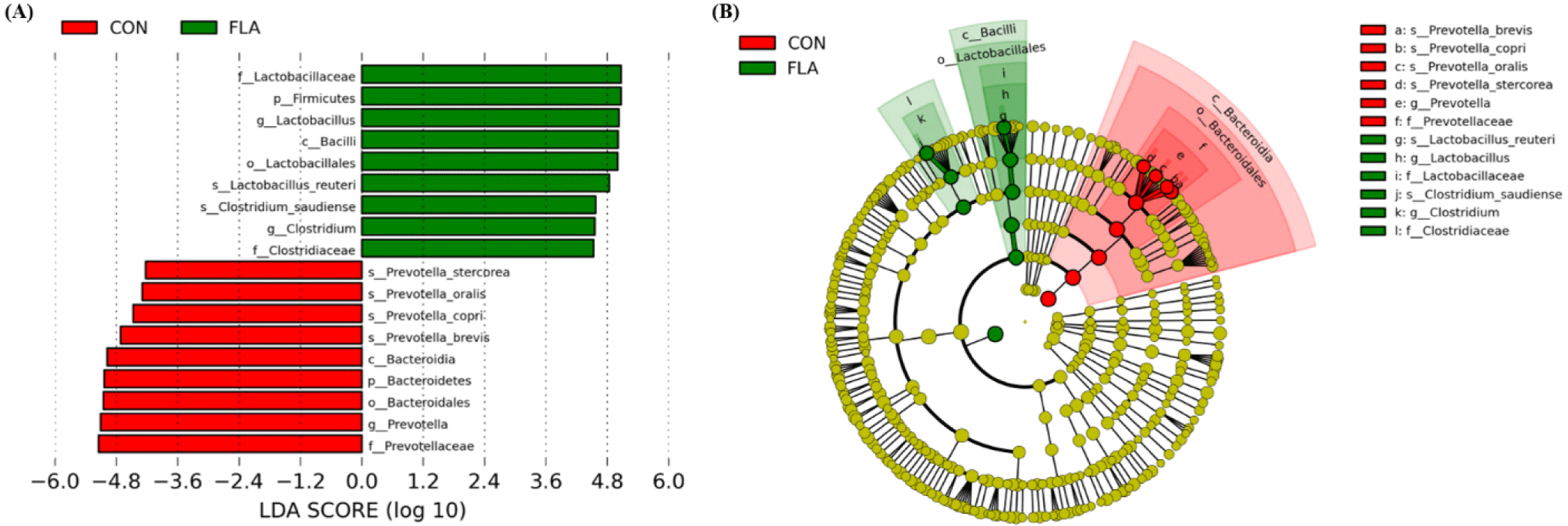
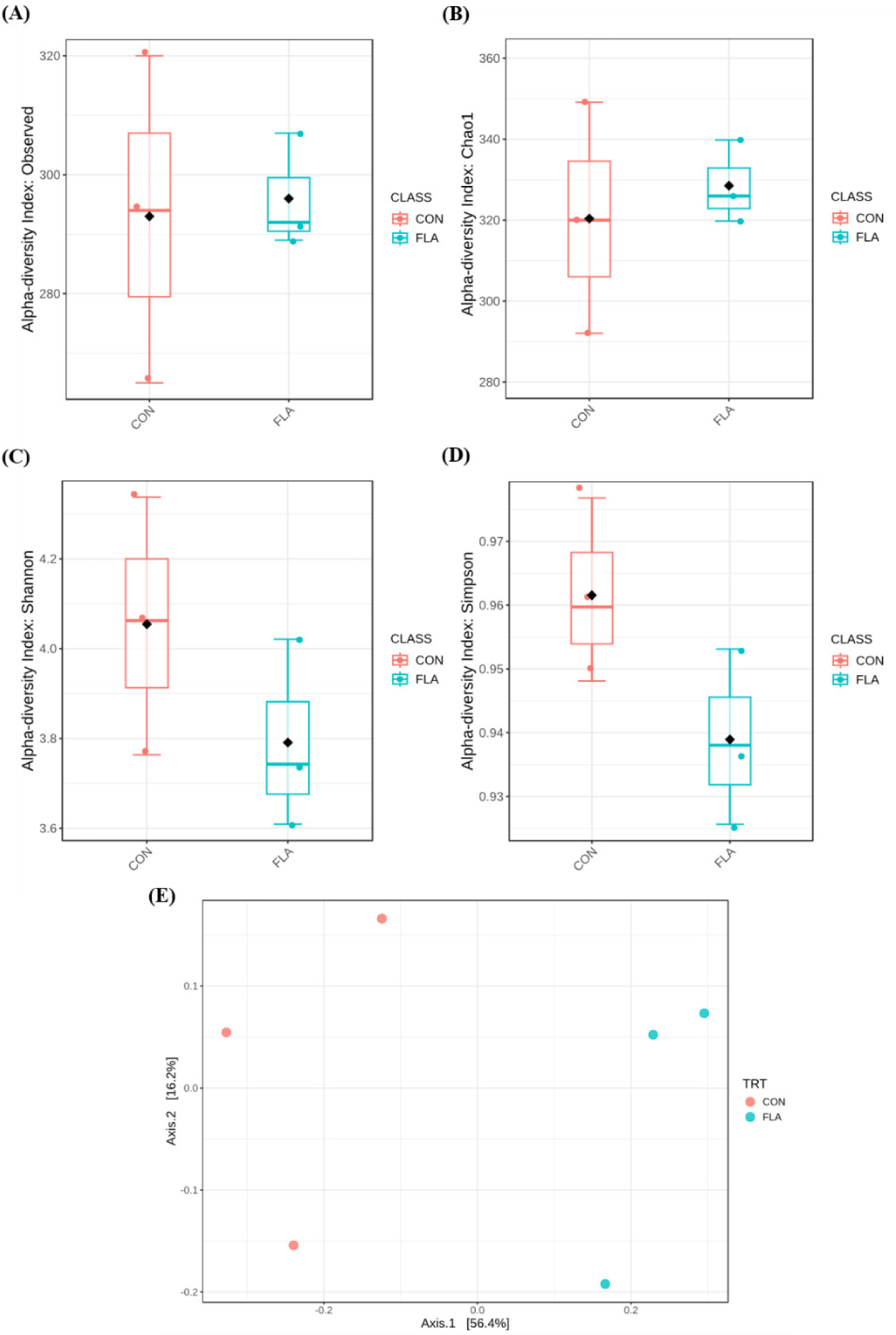
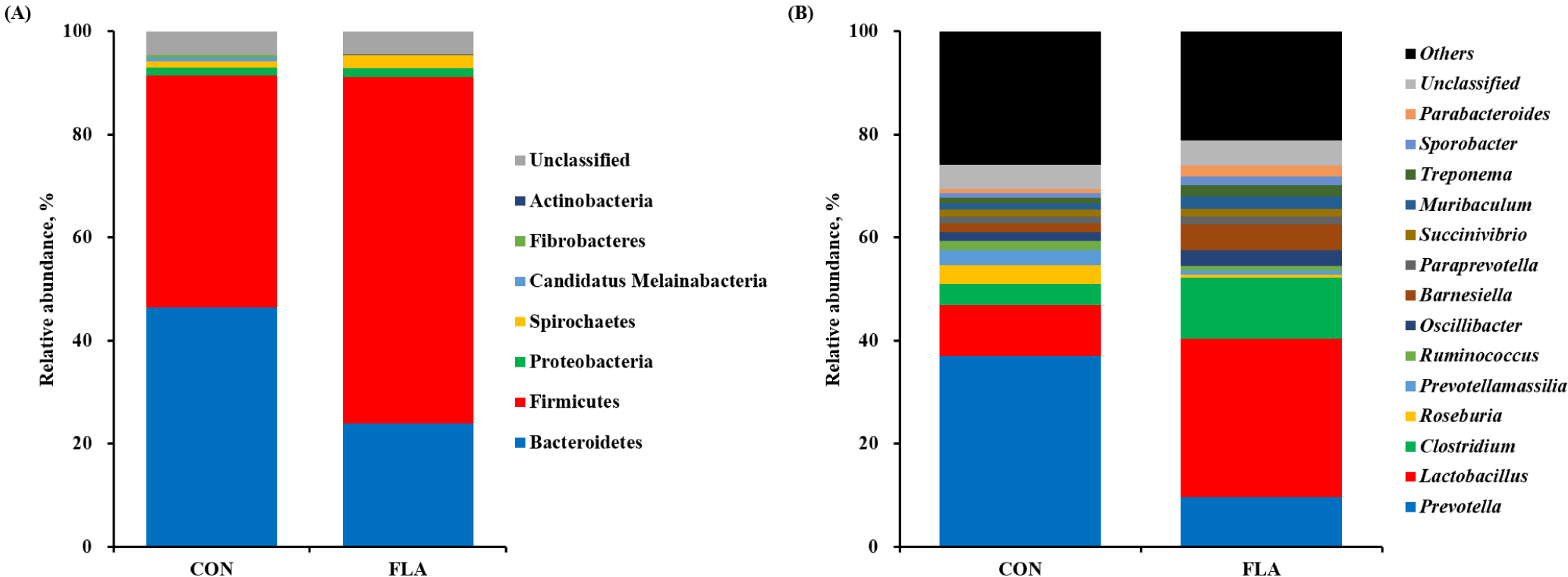
A total of 59,502 qualified reads were obtained with a mean of an average of 29,140 (CON) and 30,361 (FLA) sequencing reads per sample. No differences were observed in the observed OTUs, Chao1, Shannon, and Simpson indices of fecal microbiota (Fig. 1A, 1B, 1C, and 1D, respectively). The PCoA plot based on Bray-Curtis showed different clustering (R2 = 0.528, p < 0.10; Fig. 1E). The relative abundance of fecal microbiota at the phylum and genus levels were presented in Fig. 2A and 2B, respectively. The dominant phyla in feces were Firmicutes and Bacteroidetes, regardless of treatments. Pigs in the FLA group had a higher (p < 0.05) relative abundance of Firmicutes, whereas had a lower (p < 0.05) relative abundance of Bacteroidetes (Fig. 3). At the genus level, pigs fed FLA had a higher (p < 0.05) relative abundance of Lactobacillus and Clostridium but had a lower (p < 0.05) relative abundance of Prevotella in fecal samples (Fig. 3).
jast-68-1-168-g1
Fig. 1. Fecal microbial alpha and beta diversities of weaned pigs fed diets containing dietary flavor. (A) Observed operational taxonomic units (OTUs; p = 0.872), (B) Chao1 (p = 0.680), (C) Shannon (p = 0.275), (D) Simpson (p = 0.121), and (E) principal coordinate plots (PCoA) based on Bray-Curtis dissimilarity using permutational multivariate analysis of variance (PERMANOVA; R2 = 0.528, p < 0.10). CON, nursery diet based on corn and soybean meal with fish meal, spray-dried plasma, and zinc oxide; FLA, CON supplemented with 0.05% dietary flavor.
Download Original Figure
jast-68-1-168-g2
Fig. 2. Relative abundance of fecal microbiota of weaned pigs fed diets containing dietary flavor. Taxonomic distribution (A) at the phylum level and (B) at the genus level. The proportions for the top fifteen bacteria are presented at the genus level with the rest genera included in others. CON, nursery diet based on corn and soybean meal with fish meal, spray-dried plasma, and zinc oxide; FLA, CON supplemented with 0.05% dietary flavor.
Download Original Figure
jast-68-1-168-g3
Fig. 3. Comparison of the fecal microbiota of weaned pigs fed diets containing dietary flavor. Data were analyzed using linear discriminant analysis (LDA) effects size (LEfSe; LDA score > 4.0, p < 0.05) on (A) histogram and (B) cladogram. CON, nursery diet based on corn and soybean meal with fish meal, spray-dried plasma, and zinc oxide; FLA, CON supplemented with 0.05% dietary flavor.
Download Original Figure

DISCUSSION

Pigs have the ability to grow rapidly after weaning, but there are many factors that limit the extent to which this potential is expressed, including the weight of the pig at weaning, its nutrition and growth rate in the immediate post-weaning period, and the physical, microbiological and psychological environment [25]. The interactions of these factors determine the feed intake and subsequent growth of pigs. The dietary flavor is one of the swine feed additives that is commonly used to improve diet acceptance and stimulate feed intake via taste and olfaction [14]. Results from the present study demonstrated that dietary supplementation of flavor improved feed efficiency and energy digestibility, reduced the severity of diarrhea, alleviated systemic inflammation, and modified fecal microbiota of weaned pigs. The beneficial effects of dietary flavor on feed utilization efficiency and health status of pigs may be attributed to several mechanisms, including enhancement of host gut health, modification of gut microbiota, and regulation of host immune system.

A sudden transition from suckling milk to the independent solid feed at the weaning period appears to be low feed intake, which is one of the critical challenges in the pig industry [26,27]. The weaning transition, therefore, negatively correlated with growth performance and provides opportunities for increased diarrhea by being highly sensitive to enteric disease [28]. To maintain gut development and improve growth performance after weaning, a sufficient intake of nutrients by ensuring successful adaptation of solid feed is crucial. Previous research has reported that fruit-milk flavor supplementation showed the tendency to increase feed intake and weight gain of pigs during the first week of post-weaning [29]. Torrallardona et al. [11] also reported that increased weight gain and apparent feed intake during the first 3 weeks after weaning when pigs were supplemented with feed flavors. Interestingly, supplementation of milky cream flavor improved feed efficiency of weaned pigs in this study by enhancing ADG. These observations clearly indicate that the addition of dietary flavor promoted weaned pig performance.

Post-weaning diarrhea often occurs in pigs during the first 2 weeks after weaning and is characterized by watery feces, dehydration, a thin or unthrifty appearance, and sudden death of pigs [30]. The structural and functional changes in the intestine, caused by weaning stress, result in gastrointestinal disorders and systemic inflammatory responses [31]. Moreover, the elevation of WBC counts and proinflammatory cytokines by weaning stress has nutrient costs, thus also contributing to the reduced growth performance of pigs [32,33]. In the current study, pigs supplemented with dietary flavor had reduced frequency of diarrhea, total WBC counts, and serum proinflammatory markers (TNF-α and IL-6) compared with pigs in the control group during the second week after weaning. These improvements in health status may be supported by increases in the ATTD of GE, as observed in this study. Similarly, Lei et al. [34] reported that the inclusion of both dietary flavor and sweetener improved growth performance, increased the ATTD of DM and GE, and reduced diarrhea of weaned pigs. It has been well documented that various types of feed additives have beneficial effects on energy and nutrient digestibility, thereby enhancing the health and performance of weaned pigs [3538]. Likewise, dietary flavor supplementation during the weaning period may also play beneficial roles in nutrient digestibility and utilization to support immune responses of pigs, but data on the potential mechanisms are limited.

The composition and diversity of gut microbiota in pigs are greatly affected by age, health status, and nutrient components provided in the feed [39,40]. A previous study demonstrated that dietary flavor supplementation improved reproductive performance, which was correlated with the enrichment of beneficial microbiota in sows [41], resulting in enhanced intestinal morphology and microbiota of weaned pigs [42]. Therefore, one of the potential modes of action for dietary flavor in feed to improve the overall health of weaned pigs in the current study is the induction of direct or indirect environmental changes on the modulation of the gut microbiota. First, the ingested nutrients may have been utilized as substrates for gut microbial fermentation due to the trend for increased ADFI during the overall experimental period after weaning and enhanced nutrient digestibility. Second, compounds contained in dietary flavor may have influenced the growth or activity of gut microbiota. Firmicutes and Bacteroidetes were the most dominant phyla in the pig intestinal microbiome, and their ratio could provide information on the overall gut microbiota balance [43]. It has been suggested that higher Firmicutes to Bacteroidetes ratio may be associated with increased energy harvesting and production of short-chain fatty acids, which are beneficial for regulating systemic immune responses and energy utilization [44]. In the present study, an increase in Firmicutes and a corresponding decrease in Bacteroidetes were observed when pigs were fed dietary flavor, which may be associated with an increased energy harvest, thus enhancing energy digestibility. Thus, in the current study, the enhanced growth performance due to dietary flavor supplementation may have resulted from not only reduced diarrhea and systemic inflammation but also the beneficial effects of intestinal microbial shifts in weaned pigs. Lactobacillus has frequently detected genus in the fecal microbiota of pigs, which protects against enteric pathogens, and competes with the gram-negative Prevotella, for mucosal binding sites [45], and is therefore commonly used as a probiotic product [46]. Prevotella is also one of the most predominant genera among intestinal bacteria in weaned pigs and had gained attention owing to its negative impact on intestinal integrity [47] and induction of proinflammatory properties [48]. Moreover, the increase in Prevotella abundance was correlated with the depletion of Lactobacillus and Clostridium in pigs affected by diarrhea [49,50]. These findings are consistent with our observation of decreased diarrhea incidence and systemic inflammatory markers, resulting from increased relative abundance of Lactobacillus and Clostridium, whereas decreased relative abundance of Prevotella in the feces of weaned pigs supplemented with dietary flavor. Although the exact mechanism of dietary flavor is not yet clear, changes in the gut microbiota were shown to be positively correlated with growth performance, feed efficiency, and disease resistance of weaned pigs.

CONCLUSIONS

The findings of this study demonstrated that dietary milky cream flavor supplementation improved growth performance and reduced the severity of diarrhea of weaned pigs. In addition, it has been suggested that dietary flavor induce changes in the relative abundance of the microbiota that is responsible for improving energy harvesting and regulating systemic immune responses. To further explore the mode of action of dietary flavor, integrated metabolomics and metagenomics approaches may be considered to provide more insights into the beneficial effects of milky cream flavor or other flavors on pigs’ health.

Competing interests

No potential conflict of interest relevant to this article was reported.

Funding sources

This study was supported by the Basic Science Research Program through the National Research Foundation of Korea (NRF) funded by the Ministry of Education (RS-2025-25418389; RS-2023-00271355).

Acknowledgements

Not applicable.

Availability of data and material

Upon reasonable request, the datasets of this study can be available from the corresponding author.

Authors’ contributions

Conceptualization: Kyoung H, Kim S, Cho JH, Choe J, Kim HB, Song M.

Data curation: Kyoung H, Kim S, Cho JH, Choe J, Kim HB, Song M.

Formal analysis: Kyoung H, Kim S, Ahn J, Nam J, Kang Y.

Methodology: Kyoung H, Choe J, Kim Y.

Software: Ahn J, Nam J, Kang Y.

Validation: Kyoung H, Cho JH, Choe J, Kim Y, Kim HB, Song M.

Investigation: Kyoung H, Kim S, Cho JH, Choe J.

Writing - original draft: Kyoung H, Kim S, Cho JH.

Writing - review & editing: Kyoung H, Kim S, Cho JH, Choe J, Ahn J, Nam J, Kang Y, Kim Y, Kim HB, Song M.

Ethics approval and consent to participate

The experimental protocol for this experiment was reviewed and approved by the Institutional Animal Care and Use Committee of Chungnam National University, Daejeon, South Korea (approval #CNU-01092).

REFERENCES

1.

Moeser AJ, Klok CV, Ryan KA, Wooten JG, Little D, Cook VL, et al. Stress signaling pathways activated by weaning mediate intestinal dysfunction in the pig. Am J Physiol Gastrointest Liver Physiol. 2007; 292:G173-81

2.

Campbell JM, Crenshaw JD, Polo J. The biological stress of early weaned piglets. J Anim Sci Biotechnol. 2013; 4:19

3.

Lallès JP, Bosi P, Smidt H, Stokes CR. Weaning – a challenge to gut physiologists. Livest Sci. 2007; 108:82-93

4.

Lallés JP, Boudry G, Favier C, le Floc’h N, Luron I, Montagne L, et al. Gut function and dysfunction in young pigs: physiology. Anim Res. 2004; 53:301-16

5.

Dong GZ, Pluske JR. The low feed intake in newly-weaned pigs: problems and possible solutions. Asian-Australas J Anim Sci. 2007; 20:440-52

6.

Wensley MR, Tokach MD, Woodworth JC, Goodband RD, Gebhardt JT, DeRouchey JM, et al. Maintaining continuity of nutrient intake after weaning. II. Review of post-weaning strategies. Transl Anim Sci. 2021; 5:txab022

7.

Rist VTS, Eklund M, Bauer E, Sauer N, Mosenthin R. Effect of feeding level on the composition of the intestinal microbiota in weaned piglets. J Anim Sci. 2012; 90:19-21

8.

Fouhse JM, Zijlstra RT, Willing BP. The role of gut microbiota in the health and disease of pigs. Anim Front. 2016; 6:30-6

9.

Upadhaya SD, Kim IH. Maintenance of gut microbiome stability for optimum intestinal health in pigs – a review. J Anim Sci Biotechnol. 2022; 13:140

10.

McLaughlin CL, Baile CA, Buckholtz LL, Freeman SK. Preferred flavors and performance of weanling pigs. J Anim Sci. 1983; 56:1287-93

11.

Torrallardona D, Llauradó LI, Matas J, Fort F, Roura E. The use of flavours in feed improves performance of piglets weaned at 21 days of age.In In: Brufau J, editor.editor Feed manufacturing in the Mediterranean region. Improving safety: from feed to foodCIHEAM. 2001; p p. 213-5

12.

Sulabo RC, Tokach MD, DeRouchey JM, Dritz SS, Goodband RD, Nelssen JL. Influence of feed flavors and nursery diet complexity on preweaning and nursery pig performance. J Anim Sci. 2010; 88:3918-26

13.

Nofre C, Glaser D, Tinti JM, Wanner M. Gustatory responses of pigs to sixty compounds tasting sweet to humans. J Anim Physiol Anim Nutr. 2002; 86:90-6

14.

Jacela JY, DeRouchey JM, Tokach MD, Goodband RD, Nelssen JL, Renter DG, et al. Feed additives for swine: fact sheets – flavors and mold inhibitors, mycotoxin binders, and antioxidants. Kansas Agric Exp Station Res Rep. 2010; :27-32

15.

Seabolt BS, van Heugten E, Kim SW, Ange-van Heugten KD, Roura E. Feed preferences and performance of nursery pigs fed diets containing various inclusion amounts and qualities of distillers coproducts and flavor. J Anim Sci. 2010; 88:3725-38

16.

NRC (National Research Council). Nutrient requirements of swine. 11th rev. edThe National Academies Press. 2012

17.

Park S, Choe J, Cho JH, Jang KB, Kyoung H, Park KI, et al. Determination of optimal energy system and level for growing pigs. J Anim Sci Technol. 2024; 66:514-22

18.

AOAC (Association of Official Analytical Chemists) International. Official methods of analysis of AOAC International. 18th edAOAC International. 2007

19.

Williams CH, David DJ, Iismaa O. The determination of chromic oxide in faeces samples by atomic absorption spectrophotometry. J Agric Sci. 1962; 59:381-5

20.

Keum GB, Kim ES, Cho J, Song M, Oh KK, Cho JH, et al. Analysis of antibiotic resistance genes in pig feces during the weaning transition using whole metagenome shotgun sequencing. J Anim Sci Technol. 2023; 65:175-82

21.

Klindworth A, Pruesse E, Schweer T, Peplies J, Quast C, Horn M, et al. Evaluation of general 16S ribosomal RNA gene PCR primers for classical and next-generation sequencing-based diversity studies. Nucleic Acids Res. 2013; 41e1

22.

Herlemann DPR, Labrenz M, Jürgens K, Bertilsson S, Waniek JJ, Andersson AF. Transitions in bacterial communities along the 2000 km salinity gradient of the Baltic Sea. ISME J. 2011; 5:1571-9

23.

Lee JH, Kim S, Kim ES, Keum GB, Doo H, Kwak J, et al. Comparative analysis of the pig gut microbiome associated with the pig growth performance. J Anim Sci Technol. 2023; 65:856-64

24.

Caporaso JG, Kuczynski J, Stombaugh J, Bittinger K, Bushman FD, Costello EK, et al. QIIME allows analysis of high-throughput community sequencing data. Nat Methods. 2010; 7:335-6

25.

Pluske JR, le Dividich J, Verstegen MWA. Weaning the pig: concepts and consequences. Wageningen: Academic Publishers. 2003

26.

McCracken BA, Spurlock ME, Roos MA, Zuckermann FA, Gaskins HR. Weaning anorexia may contribute to local inflammation in the piglet small intestine. J Nutr. 1999; 129:613-9

27.

Spreeuwenberg MAM, Verdonk JMAJ, Gaskins HR, Verstegen MWA. Small intestine epithelial barrier function is compromised in pigs with low feed intake at weaning. J Nutr. 2001; 131:1520-7

28.

Pluske JR, Turpin DL, Kim JC. Gastrointestinal tract (gut) health in the young pig. Anim Nutr. 2018; 4:187-96

29.

Wang J, Yang M, Xu S, Lin Y, Che L, Fang Z, et al. Comparative effects of sodium butyrate and flavors on feed intake of lactating sows and growth performance of piglets. Anim Sci J. 2014; 85:683-9

30.

Fairbrother JM, Nadeau É, Gyles CL. Escherichia coli in postweaning diarrhea in pigs: an update on bacterial types, pathogenesis, and prevention strategies. Anim Health Res Rev. 2005; 6:17-39

31.

Smith F, Clark JE, Overman BL, Tozel CC, Huang JH, Rivier JEF, et al. Early weaning stress impairs development of mucosal barrier function in the porcine intestine. Am J Physiol Gastrointest Liver Physiol. 2010; 298:G352-63

32.

Davis ME, Sears SC, Apple JK, Maxwell CV, Johnson ZB. Effect of weaning age and commingling after the nursery phase of pigs in a wean-to-finish facility on growth, and humoral and behavioral indicators of well-being. J Anim Sci. 2006; 84:743-56

33.

McLamb BL, Gibson AJ, Overman EL, Stahl C, Moeser AJ. Early weaning stress in pigs impairs innate mucosal immune responses to enterotoxigenic E. coli challenge and exacerbates intestinal injury and clinical disease. PLOS ONE. 2013; 8:1-12

34.

Lei Y, Kim JK, Tran HN, Kim IH. Effect of feed flavor and sweetener on growth performance, nutrient digestibility, blood profile, and diarrhea score in weaning pigs. Korean J Agric Sci. 2017; 44:77-85

35.

Kil DY, Kwon WB, Kim BG. Dietary acidifiers in weanling pig diets: a review. Rev Colomb Cienc Pecu. 2011; 24:231-47

36.

Zeng Z, Zhang S, Wang H, Piao X. Essential oil and aromatic plants as feed additives in non-ruminant nutrition: a review. J Anim Sci Biotechnol. 2015; 6:7

37.

Dowarah R, Verma AK, Agarwal N. The use of Lactobacillus as an alternative of antibiotic growth promoters in pigs: a review. Anim Nutr. 2017; 3:1-6

38.

Torres-Pitarch A, Hermans D, Manzanilla EG, Bindelle J, Everaert N, Beckers Y, et al. Effect of feed enzymes on digestibility and growth in weaned pigs: a systematic review and meta-analysis. Anim Feed Sci Technol. 2017; 233:145-59

39.

Frese SA, Parker K, Calvert CC, Mills DA. Diet shapes the gut microbiome of pigs during nursing and weaning. Microbiome. 2015; 3:28

40.

Guevarra RB, Hong SH, Cho JH, Kim BR, Shin J, Lee JH, et al. The dynamics of the piglet gut microbiome during the weaning transition in association with health and nutrition. J Anim Sci Biotechnol. 2018; 9:54

41.

Wang R, Liu N, Yang Y, Lei Y, Lyu J, Dai Z, et al. Flavor supplementation during late gestation and lactation periods increases the reproductive performance and alters fecal microbiota of the sows. Anim Nutr. 2021; 7:679-87

42.

Ye G, Qiu Y, He X, Zhao L, Shi F, Lv C, et al. Effect of two macrocephala flavored powder supplementation on intestinal morphology and intestinal microbiota in weaning pigs. Int J Clin Exp Med. 2015; 8:1504-14

43.

Mariat D, Firmesse O, Levenez F, Guimarǎes VD, Sokol H, Doré J, et al. The firmicutes/bacteroidetes ratio of the human microbiota changes with age. BMC Microbiol. 2009; 9:123

44.

Turnbaugh PJ, Ley RE, Mahowald MA, Magrini V, Mardis ER, Gordon JI. An obesity-associated gut microbiome with increased capacity for energy harvest. Nature. 2006; 444:1027-31

45.

Mann E, Schmitz-Esser S, Zebeli Q, Wagner M, Ritzmann M, Metzler-Zebeli BU. Mucosa-associated bacterial microbiome of the gastrointestinal tract of weaned pigs and dynamics linked to dietary calcium-phosphorus. PLOS ONE. 2014; 9e86950

46.

Li XQ, Zhu YH, Zhang HF, Yue Y, Cai ZX, Lu QP, et al. Risks associated with high-dose Lactobacillus rhamnosus in an Escherichia coli model of piglet diarrhoea: intestinal microbiota and immune imbalances. PLOS ONE. 2012; 7e40666

47.

Rodríguez-Piñeiro AM, Johansson MEV. The colonic mucus protection depends on the microbiota. Gut Microbes. 2015; 6:326-30

48.

Amat S, Lantz H, Munyaka PM, Willing BP. Prevotella in pigs: the positive and negative associations with production and health. Microorganisms. 2020; 8:1584

49.

Yang Q, Huang X, Zhao S, Sun W, Yan Z, Wang P, et al. Structure and function of the fecal microbiota in diarrheic neonatal piglets. Front Microbiol. 2017; 8:502

50.

Yang Q, Huang X, Wang P, Yan Z, Sun W, Zhao S, et al. Longitudinal development of the gut microbiota in healthy and diarrheic piglets induced by age-related dietary changes. MicrobiologyOpen. 2019; 8e923

Revised Publication Charge

(Effective for articles submitted beginning January 1, 2026)

The publication charge is 1,500,000 Korean Won per article for members of the Korean Society of Animal Science and Technology (KSAST), and 2,000,000 Korean Won for non-members. First and corresponding authors are required to pay the annual membership fee.

The publication charge for a corresponding author outside Korea is 1,500 US dollars per article.


I don't want to open this window for a day.