INTRODUCTION
The response rate, which indicates awareness of farm animal welfare, increased significantly from 30.2% in 2015 to 74.3% in 2023, according to a nationwide survey on animal welfare [1,2]. Notwithstanding the mounting public apprehension, there is a paucity of empirical research on farm animals, particularly within the context of slaughterhouses.
Various indicators and methods are used for animal welfare assessment, including physiological indicators, behavioral indicators, and productivity metrics. However, relying solely on a single indicator for evaluation can be challenging, requiring a comprehensive assessment combining multiple indicators and methods [3]. Currently, there is no universal standard for evaluating animal welfare and providing relevant information to consumers. The lack of such a system is attributed to differences in the criteria used to measure animal welfare, the thresholds set to distinguish high and low welfare, and the overall judgment formed by integrating information. Nevertheless, a full monitoring system covering the entire meat industry is essential [4]. That system must be harmonious, comprehensive, and reliable in assessing welfare [5].
Slaughterhouses, where animals from various farms converge, serve as critical points for tracing the origins of welfare issues. Therefore, assessing animal welfare in slaughterhouses is crucial [6]. However, slaughterhouse standards in South Korea are only defined by regulation and lack systematic evaluation. Therefore, developing scoring methods for assessing slaughterhouses is essential [7]. Among various methods for evaluating slaughterhouses, a notable example is the Meat Industry Recommended Animal Handling Guidelines by the North American Meat Institute (NAMI) and the Welfare Quality® protocol (WQ® protocol) [8–10]. In the US, the US Department of Agriculture and corporations such as McDonald’s have developed and applied an audit system over a decade since 1996, achieving significant results [11]. However, there are limitations in continuously documenting animal welfare in slaughterhouses. Specifically, the five measurements of stunning efficiency, percentage rendered insensible, falls, vocalization, and the use of electric prod can only be used in slaughterhouses but not for documentation across the entire chain from farms to slaughterhouses [12]. The WQ® protocol integrated research project co-funded by the European Commission within the 6th Framework Program from May 2004 to December 2009. This project aims to develop a scientifically valid and feasible system for evaluating the welfare of animals raised on farms or slaughterhouses. The WQ® protocol developed an integrated and standardized welfare evaluation system based on 12 welfare criteria grouped into four main principles (good feeding, good housing, good health, and appropriate behavior) according to how animals experience them. One of its innovations is a significant emphasis on outcome measurements (e.g., directly related to the physical condition, health aspects, injuries, and behavior of animals). The WQ® protocol assessment system is designed to differentiate between various slaughter conditions. Its protocol is concise and easily implementable. It allows for the evaluation of animal welfare in slaughterhouses from a general perspective and the identification of specific issues in specific areas. Animal welfare is a complex phenomenon, and its assessment requires the use of a range of measures that cover all relevant dimensions. The advantage of WQ® protocol is that it is a multi-criteria assessment model that evaluates at the unit level [13,14]. In general, elements of welfare assessment include animal-based measures (ABMs), resource-based measures, and management-based measures. However, the WQ® protocol places particular emphasis on ABMs. This is because the quality of the environment and the effectiveness of management do not necessarily guarantee adequate welfare. Therefore, the adoption of ABMs over non-ABMs is also encouraged by the European Food Safety Authority [15–17]. However, scoring for slaughterhouse assessments within the WQ® protocol is not yet standardized; hence, multiple existing research methods have been referenced [5].
According to data from the Korean Statistical Office, the production index of the livestock industry increased by 2.1 times from 48.5 in 1990 to 102.4 in 2022, with the production amount increasing 6.4 times from 3,922.9 billion in 1990 to 25,224.2 billion in 2022 [18]. According to data from the Rural Economic Research Institute, as of 2018, the beef and pork production in Korea was 280,000 tons and 1,330,000 tons in 2018, respectively [19]. However, as the livestock industry developed, the laws and regulations on animal welfare became unclear. The Animal Protection Law requires using methods to minimize pain during the slaughter of livestock animals, but there is no legal regulation on how to supervise and evaluate whether this method is applied in slaughterhouses and which institution should assess it. As of 2024, only 3 of all mammalian slaughterhouses received animal welfare certification. Consequently, there are no standards for the rest of the slaughterhouses, which is a problem. Therefore, this paper aims to clarify and develop the evaluation method of Korean slaughterhouses, develop an animal welfare evaluation methodology in Korea based on the evaluation method already validated by the WQ® protocol and see the possibility of its evaluation.
The authors developed the following hypotheses for the study. Firstly, it was assumed that each slaughterhouse would be characterized by a number of factors, including its environment, the equipment used, the design of the facility, and the weather conditions to which it is exposed. The identification of the characteristics of each slaughterhouse will facilitate the identification of the causes of welfare problems in that slaughterhouse. Once the causes have been identified, solutions can be proposed. Secondly, it was postulated that welfare issues may be cumulative, occurring from the moment of unloading until the completion of bleeding [20]. In addition, the various elements of the slaughterhouse may be interrelated. For instance, the density of trucks and lairage pens may be associated with temperature stress, slipping and falling behavior, and fear reactions may result in rough handling by staff.
MATERIALS AND METHODS
The authors visited 6 cattle and 7 pig slaughterhouses nationwide from 2020 to 2023. According to the Animal and Plan Quarantine Agency, there were 91 mammalian slaughterhouses in 2023. On average, 166 cattle and 1,960 pigs are slaughtered per day [21]. Slaughterhouses for cattle and pigs were divided into small, medium, and large ones depending on the size. In the case of cattle slaughterhouses, the objective was to conduct on-site visits in accordance with the following criteria: 39 small, 15 medium, and 7 large. With regard to pig slaughterhouses, the intention was to undertake on-site visits in accordance with the following criteria: 66 small, 3 medium, and 1 large.
Three people participated in the field survey to ensure objectivity through different assessors (inter-observer reliability) [22]. The three investigators were as follows: one person with 20 years of animal welfare activity experience, one veterinarian with 20 years of clinical experience, and one veterinarian with 10 years of experience in HACCP evaluation at slaughterhouses. The three first familiarized themselves with the evaluation method of the WQ® protocol [9,10], then shared videos, photos, and materials from two sites, and discussed them to determine the evaluation method. Dr. Grandin’s website (https://www.templegrandin.com/) contains the results of Dr. Grandin’s 30 years of research [23]. The Humane Slaughter Association (HAS) is a non-profit organization with a 100-year history, which has the advantage of presenting abundant cases of humane slaughter [24]. The materials on the HAS website (hsa.org.uk) have a lot of objective materials to the extent that they are used as educational materials by The Royal Society for the Prevention of Cruelty to Animals [25,26]. First, the three investigators studied the photos and materials on Dr. Grandin’s website for a week and then studied the materials of HAS for a week. Afterward, the three assessors used the evaluation method of the WQ® protocol to create an evaluation table. The evaluation table was based on the assessment method of WQ® protocol for cattle and pigs and was modified to fit the reality in Korea (Tables 1 and 2). The WQ® protocol is structured around four fundamental principles: good feeding, good housing, good health, and appropriate behavior. However, with regard to the provision of feed, the protocol is unable to provide guidance on the matter of the time the animals in the slaughterhouse began to be fasted, due to the unavailability of relevant information.
The official temperature and humidity of the Korea Meteorological Administration (KMA temperature and KMA humidity) were compared and reviewed with the temperature and humidity inside the lairage on the same day to examine the correlation with the environment, such as temperature and humidity (Tables 3 and 4).
For the measurement of density in transport trucks and lairages for cattle and pigs, the size and weight of the livestock were calculated based on the average body weight statistics by livestock type from the Animal and Plan Quarantine Agency in 2018. In 2018, the weight of Korean beef cattle, dairy cows, beef cattle, and pigs were 687 kg, 641 kg, 722 kg, and 116 kg, respectively. Only cattle ≥ 550 kg in weight are regulated, while the calculation was adjusted to 110 kg for pigs since only two weights of 110 kg and 120 kg were provided [27].
We measured the percentage of animals showing slipping, falling, freezing, turning back, rough handling, dead animals, lameness, and panting during unloading out of the total number of animals observed. Assessing the space allowance in trucks, we measured the floor area of the truck after the animals were unloaded to check if it complies with Korean law. Specifically, the transportation regulation in Korea is 1.30 m2 per cow weighing 550 kg (Table 5) [28,29,30].
| Place | Welfare Indicator | Definition of Indicators | Reference |
|---|---|---|---|
| Unloading Moving to Stunning area |
Slipping (%) | Loss of balance in which the animal loses its foothold, or the hooves slide on the floor surface. No other body parts except hooves and/or legs are in contact with the floor surface. | [9,55] |
| Unloading Moving to stunning area |
Falling (%) | Loss of balance in which parts of the body other than feet and legs are in contact with floor surface. | [9,55] |
| Unloading Moving to stunning area |
Reluctant to move (%) | Freezing is defined as when the route is free in front or behind the animal but the animal refuses to move forwards or backwards within 4 seconds from being touched/coerced by the handler (reluctant to move). | [9,55] |
| Unloading Moving to stunning area |
Turning back (%) | An animal turns around, or moves back attempts to return and move back. | [9,55] |
| Unloading Moving to stunning area |
Rough handling (%) | The most severe animal welfare problems cause by abuse, neglect or bad management. For example, beating, throwing, kicking, dragging animals. Poking animals in sensitive an area such as the eyes, anus, mouth. Poking animals with pointed sticks. |
[29] |
| Unloading | Dead animals (%) | Data on mortality is commonly collected at slaughterhouse as a retrospective indicator of animal welfare during transport. | [29,32,36] |
| Unloading Moving to stunning area |
Lameness (%) | Inability to use one or more limbs in a normal manner. It can vary in severity from reduced ability to bear weight to total recumbency. | [9,55] |
| Unloading Lairage |
Panting (%) | Breathing with increased respiratory rate, sometimes accompanied by open mouth, drooling and tongue hanging out of the moth. | [9,55] |
| Unloading | Density of truck (%) | The legal stocking density requirement for the transport of one animal per truck. The legal stocking density requirement is 1.30 m2. |
[28] |
| Lairage | Density of pen (%) | The legal stocking density requirement for the space occupied by one animal in each pen of the lairage. The legal stocking density requirement is 4.99 m2. | [29] |
| Lairage | Number of animals per water supply(n) | The number of animals per drinking trough. | [32] |
| Moving to stunning area | Vocalization (%) | An animals’ vocalizing response in terms of mooring, bellowing or roaring. | [55] |
| Stunning area | Stunning effectiveness (%) | Corneal reflex is defined as the response to light touching of the eyeball, canthus or eyeballs. Spontaneous blinking is defined as animal opens or closes eyelid without physical stimulation. Eyeball rotation is defined as one or both eyeballs rotate so that the pupils are partly or completely hidden. Righting reflex is defined as the arched back righting reflex with the head bent straight back. Re-stunning is defined as the incident of more than one stunning attempt to the same individual animal. |
[9,32,30] |
The typical fear responses trying to turn around, and moving backward — during which the animal turns around or moves backward (by itself or as a reaction to the handling), e.g., when arriving at the end of the unloading area or the entrance to passageways — were all combined and calculated as ‘turning back.’
In this study, lameness was evaluated and calculated as any cow with a problem in its gait, regardless of condition severity. Thermal comfort is a measure assessing if the animal does not feel stressed about temperature, i.e., whether it is out of the thermoneutral zone in which the animal can feel comfortable in terms of temperature and humidity. In addition to measuring temperature and humidity, the number of animals panting was evaluated. Three cattle trucks were observed at each slaughterhouse, with 116 cattle observed at six slaughterhouses.
For lairage, each slaughterhouse basically selected and evaluated 8 pens at random. For the evaluation of space allowance in lairage pens, we measured whether it complied with Korean law. Since the density of the cattle lairage should be at least 4.99 m2 per animal, we checked whether the width of each pen per slaughterhouse matched the number of animals and the legal standard. We calculated how many water nipples were present per animal in each of the 8 pens to evaluate for sufficient water supply. For heat stress, we counted the number of animals showing stress reactions, such as panting due to temperature. We compared the average weather temperature and humidity provided by the Meteorological Administration on the day with the temperature and humidity inside the lairage to evaluate whether the lairage could manage temperature and humidity. We observed a total of 184 cattle in 6 slaughterhouses.
During the movement from the lairage to the stunning area, we counted the number of animals showing slipping, falling, vocalization, freezing, turning back, rough handling, and lameness to assess moving to stunning. A total of 143 animals were observed.
For the animals entering the stunning operation, we observed the corneal reflex, spontaneous blinking, eyeball rotation, rhythmic breathing, righting reflex, and re-stunning and counted the number of animals that fell unconscious at once to evaluate the stunning area. The presence of any of these elements was evaluated as a failure to induce unconsciousness. A total of 147 animals were observed and evaluated in 6 slaughterhouses. In Korea, all stunning operations used a penetrating captive bolt. Additionally, pithing operation was performed after one shot.
A total of 3 trucks arriving at 7 slaughterhouses were observed. The number of animals reluctant to move, turning back, slipping, falling, lameness, rough handling, panting, and dead and sick animals was counted. The number of pigs vocalizing during handling was counted. The number of animals in each truck and the floor area of the truck were counted and calculated, respectively, after the animals were unloaded to evaluate the space allowance (density) in the truck according to the legal standards of Korea. The transportation standard in Korea is 0.45 m2 per 110-kg pig. A total of 1,006 animals getting off each truck were observed (Table 6) [31].
| Place | Indicator | The definition of indicator | Reference |
|---|---|---|---|
| Unloading Unloading to stunning area |
Slipping (%) | Loss of balance, without (a part of) the body being in touch with the floor. | [10,31,34] |
| Unloading Moving to stunning area |
Falling (%) | Loss of balance, in which part(s) of the body (beside legs) are in touch with the floor. | [10,31,34] |
| Unloading Moving to stunning area |
Reluctant to move (%) | An animal that stops for at least 2 s not moving the body and the head(freezing) or that refuses to move when coerced by the operator. | [10,31,34] |
| Unloading Moving to stunning area |
Turning back (%) | An animal turns around, moves back and attempts to return to where they came from. | [10,31,34] |
| Unloading Moving to stunning area |
Rough handling (%) | Beating, throwing, kicking, poking with electric prod or stick in sensitive areas such as eyes, mouth, face People are using the wrong material (e.g. goads instead of flags and boards) or forcing the pigs to get off from the truck too quickly or through non-adapted bridges and raceways. In pigs, rough handling, electric goads use or jamming in the single file raceway resulted in stress. |
[33] |
| Unloading | Dead animals (%) | Dead-on-arrival (DOA) pigs at slaughter are primarily caused by stressors encountered during transport and handling, which include heat stress, fatigue, respiratory distress, and physical trauma. | [10,31,34] |
| Unloading | Sick animals (%) | An animal exhausted to the point of difficulty in standing up and walking. | [10,31] |
| Unloading Moving to stunning area |
Panting (%) | Breathing with short, quick breath with an open mouth. | [10,30,31] |
| Lameness (%) | Inability to use one or more limbs in a normal manner. It can vary in severity from reduced ability or inability to bear weight to total recumbency. | [10,31,34] | |
| Unloading | Vocalization (%) | Squealing or screaming, when pigs are moved from the truck. | [10,34] |
| Unloading | Density of truck (%) | The legal stocking density requirement for the transport of one animal per truck. The legal stocking density requirement is 0.45 m2. |
[28] |
| Lairage | Density od pen (%) | The legal stocking density requirement for the space occupied by one animal in each pen of the lairage. The legal stocking density requirement is 0.83 m2. | [29] |
| Number of animals per water supply(n) | The number of animals per drinking trough. | [32] | |
| Panting (%) | Breathing with short, quick breath with an open mouth. | [10,34] | |
| Moving to stunning area | High pitched vocalization (%) | Serious vocalization when driving pigs as group with an electric prod on the way to the area of stunning area. | [10,31] |
| Stunning area | Effectiveness (%) | Corneal reflex is assessed by touching the cornea with a blunt object. Ineffectively stunned animals and those recovering consciousness will blink in response to the stimulus. The palpebral reflex is elicited by touching or tapping a finger on the inner/outer eye or eyelashes. Correctly stunned animals will not show a palpebral reflex. Ineffectively stunned animals and those recovering consciousness will blink in response to the stimulus Righting reflex is defined as fail to collapse or will attempt to regain posture after collapse. Rhythmic breathing. Ineffectively stunned animals and those recovering consciousness will start to breathe in a pattern commonly referred to as rhythmic breathing, which may begin as regular gagging and involves respiratory cycle of inspiration and expiration. Vocalization. Conscious animals may vocalize, and therefore purposeful vocalization can be used to recognize ineffective stunning or recovery of consciousness after electrical stunning. |
[10,30,34] |
Eight pens were randomly selected and evaluated in the lairage to assess the space allowance in pens. The density standard of the lairage in Korea is 0.83 m2 per pig. The number of water dispensers per animal in each of the 8 pens was calculated. Additionally, the number of animals showing stress reactions, such as panting due to high temperature was counted. The average weather temperature and humidity provided by the Meteorological Administration on the day of the visit and the temperature and humidity inside the lairage were compared to evaluate whether the lairage could manage temperature and humidity. A total of 1,189 pigs were observed (Table 4).
During moving from the lairage to the stunning area, the number of vocalizations, slipping, falling, reluctance to move, turning back, rough handling, and lameness was counted. The percentage of animals making a tearing sound when being driven with an electric rod or stick was measured as high-pitched vocalization. A total of 337 animals were observed.
At this stage, the stunning effectiveness was evaluated. All the slaughterhouses we visited used electricity, and the stunning was performed using an automatic container to penetrate the electrodes to the brain and heart at the same time. To assess stunning effectiveness, the number of corneal, palpebral, and righting reflexes, rhythmic breathing, and vocalization from stunning to the bleeding stage was counted. The presence of at least one symptom was evaluated as a failure of perfect stunning. A total of 700 pigs were observed.
During the course of field investigation, assessors documented the movements of animals through video recording and photographed facilities. Reassessments were conducted to identify any errors in the field survey. The application of video and photo analytics has been a significant contributor to operational improvements in the United States, particularly in slaughterhouse efficiency [7].
To ensure reliability, data were collected from three assessors and subsequently analyzed using SPSS version 27. The study verified differences between slaughterhouses and analyzed correlations among assessment elements to evaluate the applicability and sensibility of welfare indicators [32]. The dependent variable used in the study was count data, which cannot take negative values. Due to the limitations of logit transformation or square root transformation in resolving heteroscedasticity and non-linearity in count data, the study employed generalized linear models, such as Poisson regression or negative binomial regression. For variables without overdispersion, Poisson regression was used. For those with potential bias in standard error due to overdispersion, negative binomial regression was applied. Model validation was conducted using the maximum likelihood ratio Chi-square tests. Statistically significant variables were further examined for group differences using Kruskal-Wallis tests, and inter-assessor and inter-slaughterhouse differences were identified through pairwise comparisons with Bonferroni correction. The relationships among various factors in slaughterhouse evaluations were assessed using Spearman’s rank correlation. The significance level for all analyses was set at p < 0.05.
RESULTS
A total of 590 and 3,232 animals were observed at cattle and pig slaughterhouses, respectively. Field assessment lasted an average of 5 hours for cattle slaughterhouses and 4 hours for pig slaughterhouses. Additional 4 hours were required for video interpretation for both cattle and pigs. No significant differences were found among assessors for all outcome variables in cattle and pigs.
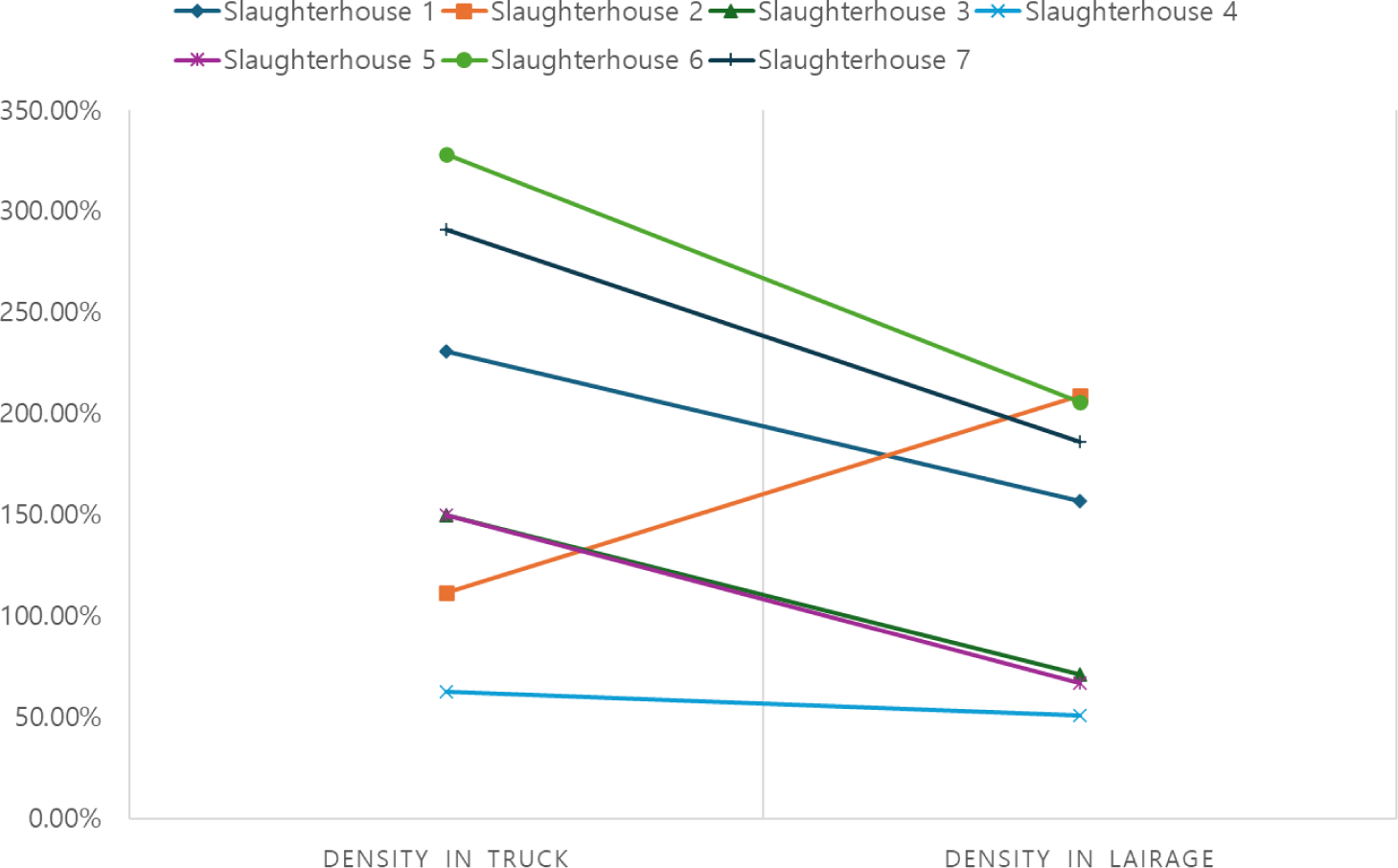
As a result, the welfare problems accumulate over the process by stunning and bleeding has been confirmed [33,34]. In both cattle and pig slaughterhouses, welfare problems such as fear reactions and slipping and falling were more severe in the stunning area than in the unloading process (Figs.1, 2, 3, and 4). For cattle, the density of lairage pens was higher than the density of trucks (Fig.5). In contrast, for pigs, the density of trucks was higher than the density of lairage pens (Fig. 6).

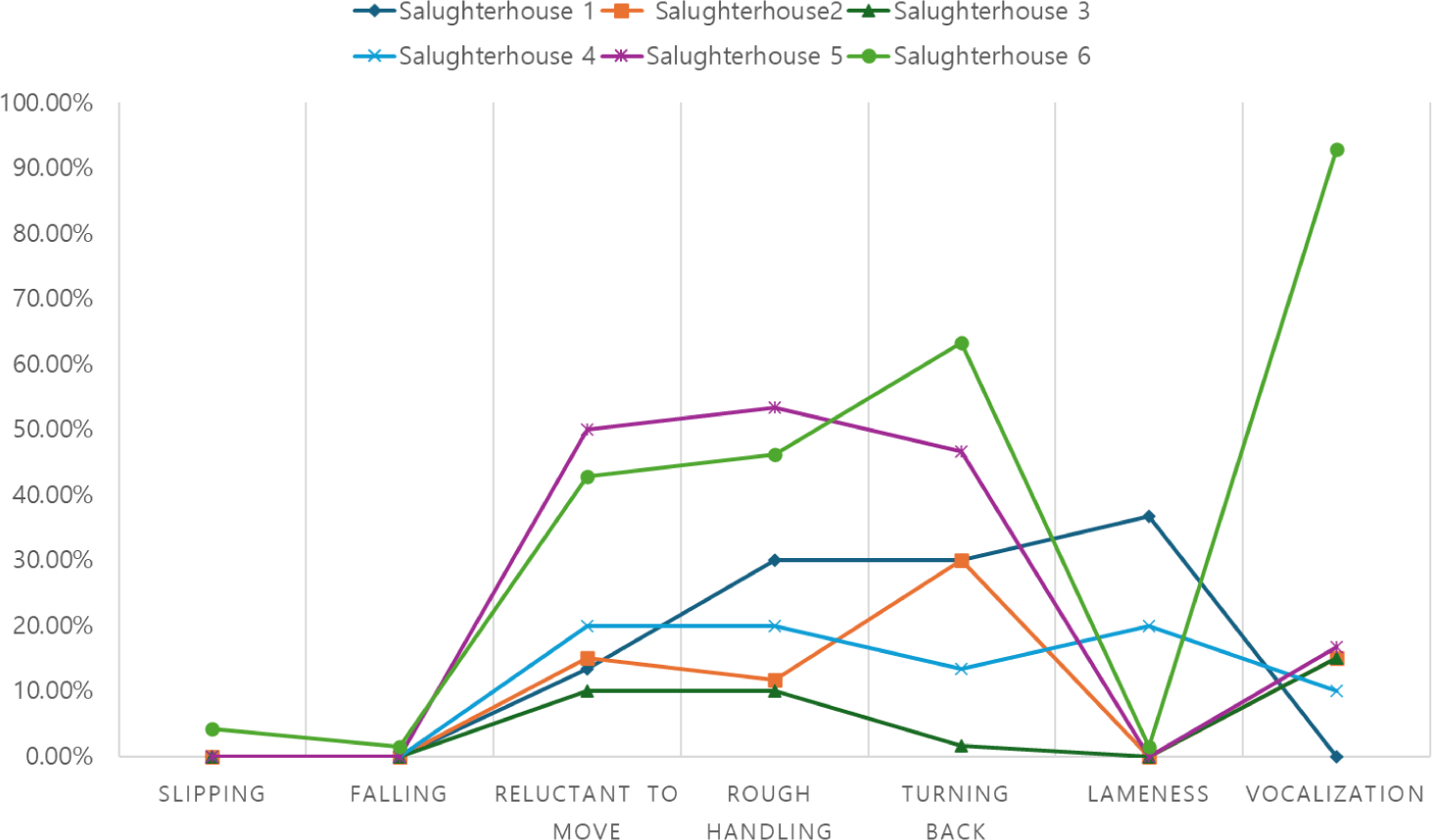
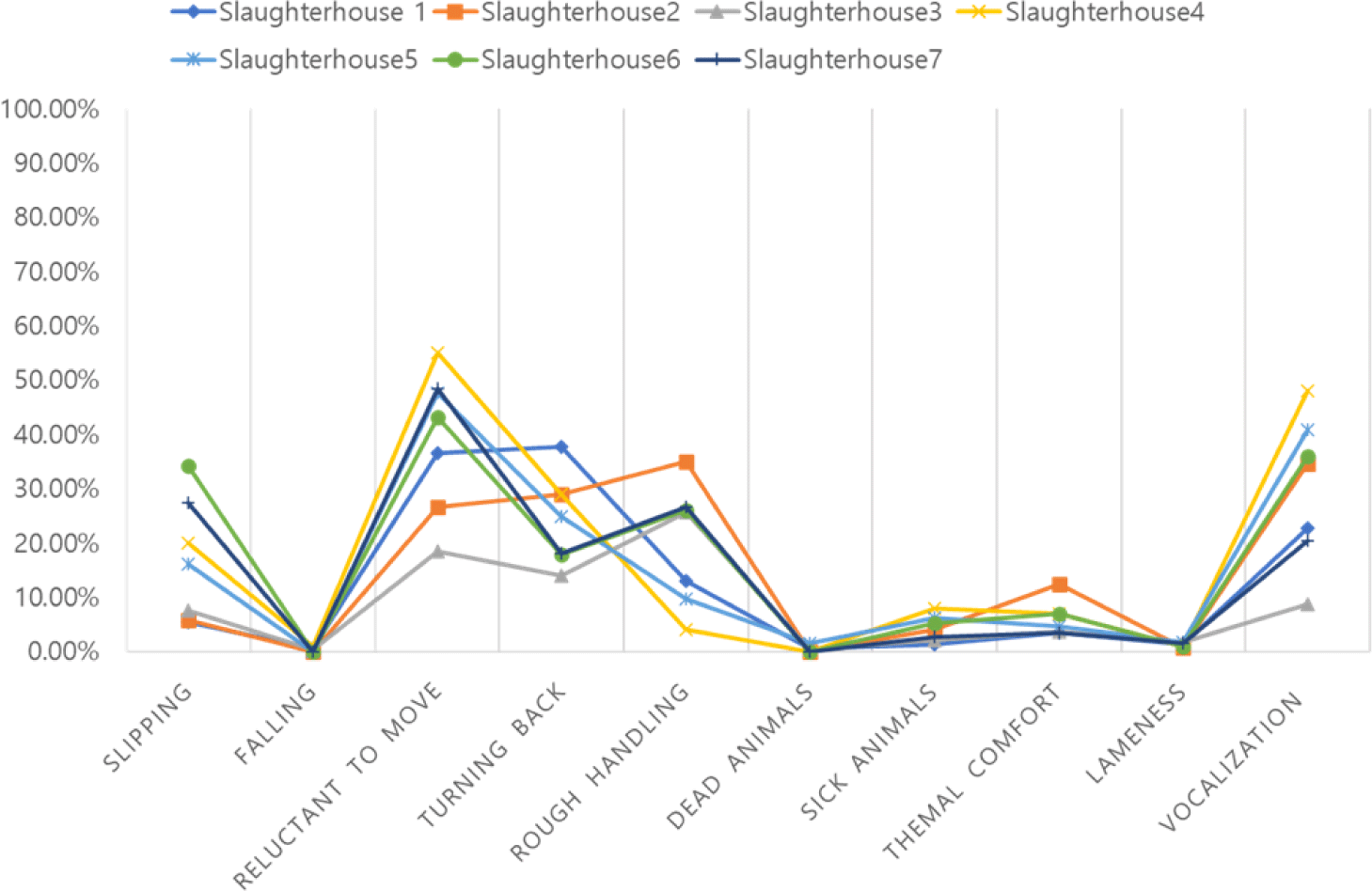
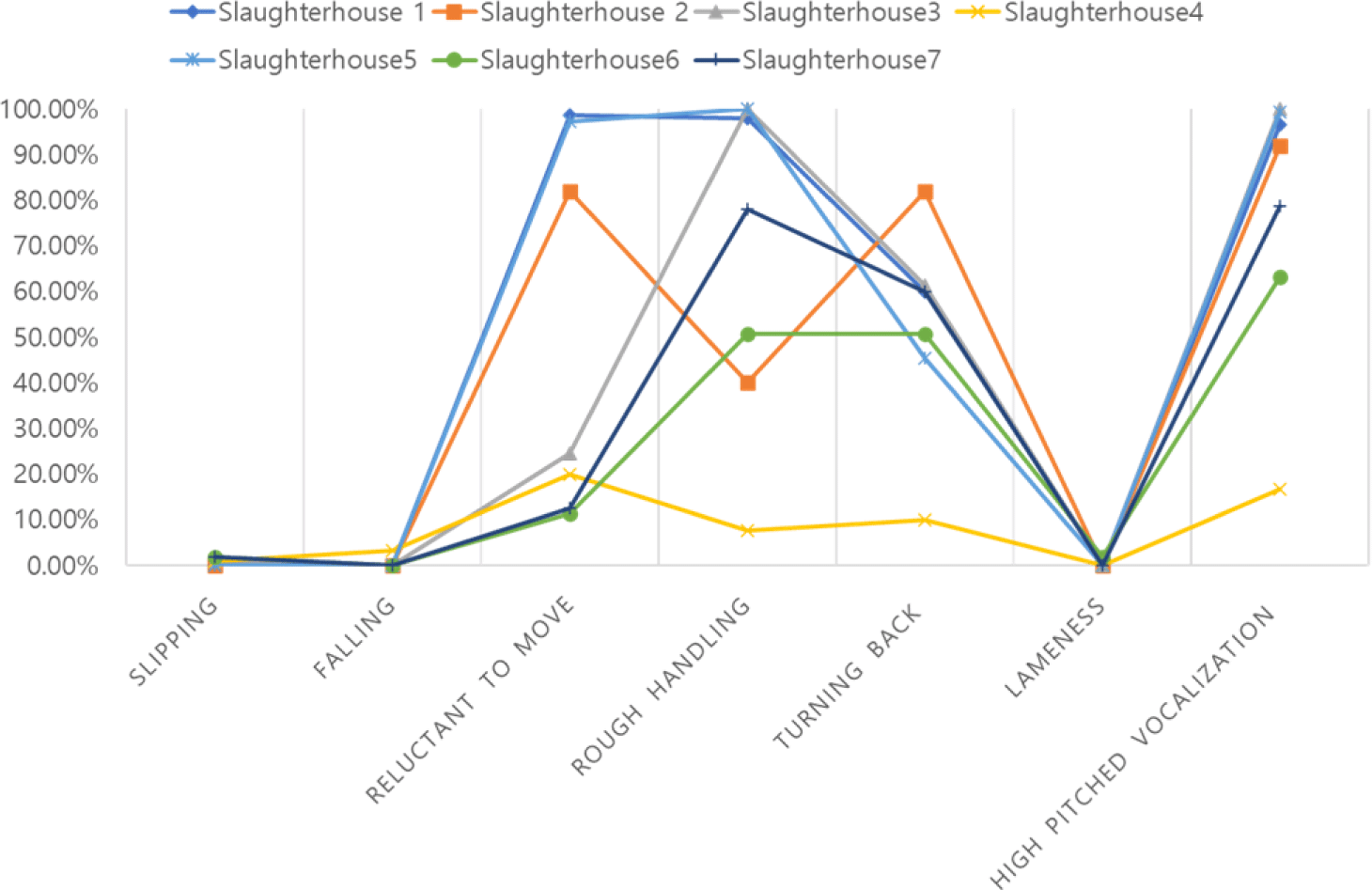
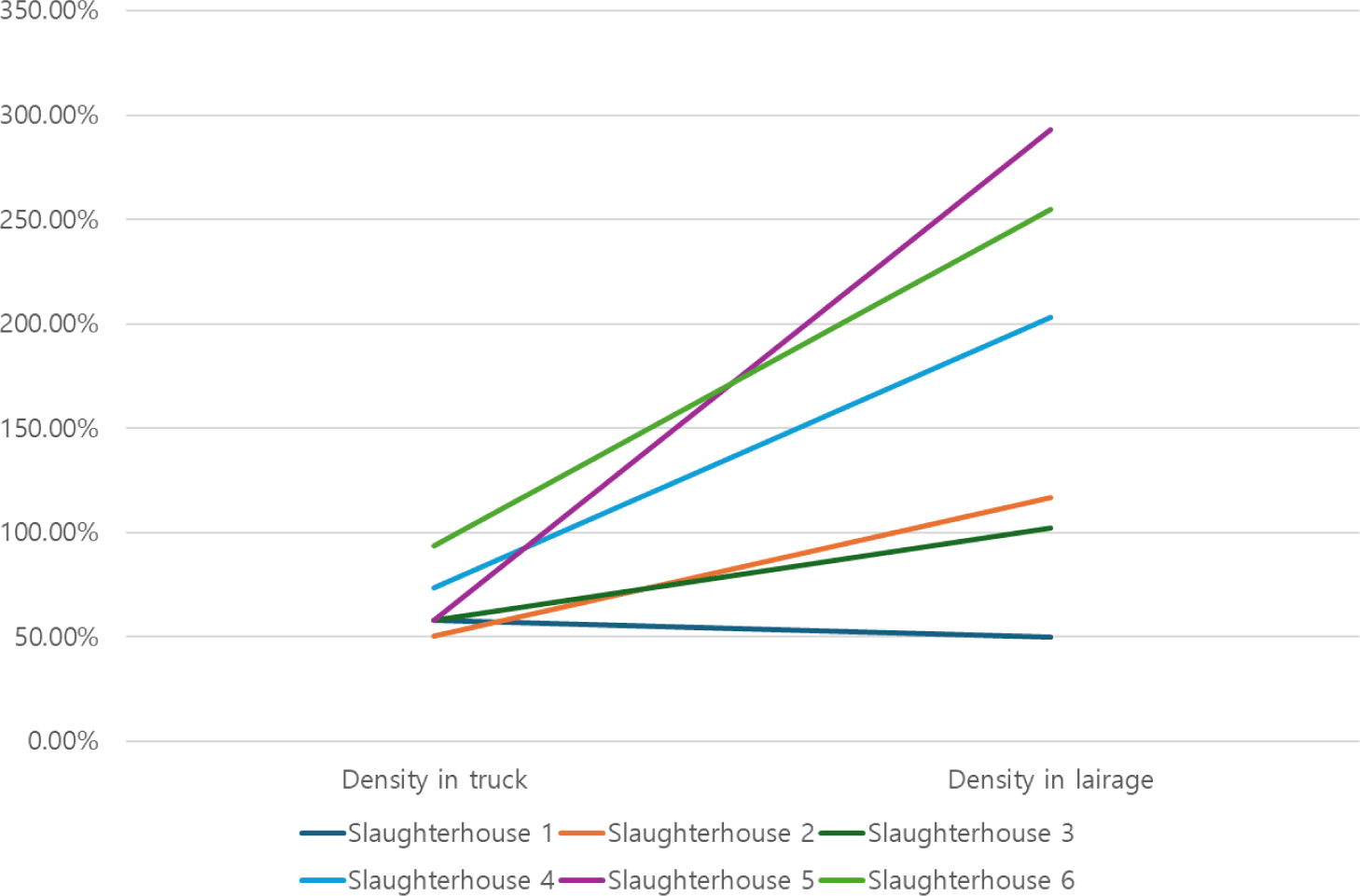
The distinctions between the slaughterhouses permitted the researchers to discern the pertinent welfare considerations at each facility. Furthermore, the researchers examined the interrelationships between various welfare indicators within individual slaughterhouses, with the aim of identifying the ways in which these indicators are connected.
Differences were found between slaughterhouses in turning back, dead animals, and thermal comfort during unloading. However, no significant difference was observed in turning back in the pairwise comparison. The number of dead animals was significantly higher in slaughterhouse 4 compared to slaughterhouses 1, 2, 3, 5, and 6. Thermal comfort was significantly higher in slaughterhouse 4 compared to slaughterhouse 2 (Table 7 and Supplementary Table S1).
Differences were observed in slipping, turning back, lameness, and vocalization in moving to the stunning area. In the pairwise comparison, slipping was significantly higher in slaughterhouse 6 compared to slaughterhouses 1, 2, 3, 4, and 5. Turning back was significantly higher in slaughterhouse 6 compared to slaughterhouse 3. No difference was found in lameness. Vocalization was significantly higher in slaughterhouse 6 compared to slaughterhouse 1. Differences were found in stunning effectiveness in the stunning area among slaughterhouses; however, no differences were found among slaughterhouses in the pairwise comparison.
In unloading from the truck, a positive correlation was found between the density of the truck and turning back, rough handling, thermal comfort, and lameness. Furthermore, reluctance to move was positively correlated with rough handling. In the lairage, the KMA temperature was positively correlated with the lairage temperature, and KMA humidity was positively correlated with both lairage temperature and lairage humidity. In moving to the stunning area, the density of lairage was positively correlated with slipping and falling, and reluctance to move and turning back were positively correlated with rough handling (Table 8 and Supplementary Table S2).
Differences were observed between slaughterhouses in falling and the number of dead animals during unloading. However, no significant differences were found in pairwise comparisons. In the lairage, panting showed a difference between slaughterhouses. In pairwise comparisons, slaughterhouse 2 had significantly higher panting levels than slaughterhouse 4. During moving to the stunning area, differences were found between slaughterhouses in slipping, falling, reluctance to move, and lameness. In pairwise comparisons, slipping showed no significant difference, while falling was significantly higher in slaughterhouse 4 compared to slaughterhouses 1, 2, 3, 5, 6, and 7. Reluctant to move was significantly higher in slaughterhouse 1 compared to slaughterhouse 6, and lameness was significantly higher in slaughterhouse 6 compared to slaughterhouses 1, 2, 3, 4, 5, and 7 (Table 9 and Supplementary Table S3).
In unloading, the density of trucks was negatively correlated with falling and reluctance to move. However, the density of trucks was positively correlated with rough handling. Additionally, in moving to the stunning area, KMA temperature was associated with falling, KMA relative humidity was associated with turning back, and reluctance to move was negatively correlated with rough handling. In lairage, the density of pens was positively correlated with panting. During moving to the stunning area, the density of pens was negatively correlated with falling, and water supply was positively correlated with slipping, falling, and lameness. Furthermore, reluctance to move was positively correlated with rough handling, and turning back was positively correlated with high-pitched vocalization (Table 10 and Supplementary Table S4).
DISCUSSION
The objective of this study is to assess the Adaptability of implementing the WQ® protocol in South Korean slaughterhouses. This study is the first of its kind in Korea and of considerable significance for several reasons. To ensure the highest degree of objectivity, three individuals participated in the study. To minimize potential errors, the study was re-validated through video and photographic documentation. The researchers discovered that with increased experience, their ability to make accurate judgments improved. In accordance with the slaughterhouse’s guidelines, video recordings were also employed to corroborate the veracity of subsequent assessments. As videos can be a valuable tool in animal welfare assessment, the field survey results were verified through video analysis to ensure sensitivity and feasibility [35]. Furthermore, three investigators participated to minimize subjective assessments and ensure reliability. The increase in investigators’ expertise could potentially save time in the future and improve repeatability [36,37,38]. Additionally, the authors found that animal welfare is a cumulative effect of several factors, demonstrating that animal welfare must be assessed in a comprehensive manner [39].
The authors examined differences in welfare factors within each slaughterhouse. For cattle, differences were found in thermal comfort and dead animals during the unloading process. Death on arrival (DOA), referring to an animal that has already died during arrival at the slaughterhouse. It is particularly prevalent in the summer and can be an important welfare indicator because it can reveal problems that originate on the farm [40–42]. The assessment of thermal comfort is dependent upon the number of cattle exhibiting panting behavior [33,43]. When the outside temperature exceeds the thermal zone (TNG) of 20°C–32°C, they become stressed, which can be exacerbated by lack of access to drinking water. [33,44,45].
Slipping behavior can occur when your feet are uncomfortable, or the floor is made of a slippery material. Turning back is a typical fear response and was highly prevalent in slaughterhouse 6. It is worth noting that vocalization was also highly prevalent. [33,46].
The results of the correlation analysis indicated that an increase in density in the truck was associated with an elevated risk of slipping, rough handling, thermal comfort, and lameness. If animals are uncomfortable in a crowded truck, they can easily become fatigued and not walk properly, resulting in slipping or gait problems. It’s worth noting that both lameness and slippering occurred in overcrowded trucks [33]. There was a tendency for rough handling of animals that were unable to move properly [47,48].
It was found that as the KMA temperature and KMA humidity increased, lairage temperature and humidity also increased. Lack of water supply in an environment with uncontrolled temperature and humidity is associated with overcrowding in pens. In five out of six slaughterhouses, overcrowding did not comply with legal requirements.
In the passage from the lairage to the stunning area, the density of pens in the lairage was positively correlated with slipping and falling. If they are uncomfortable after being in a crowded pen for long periods of time and walking down an aisle with a slippery floor, they may fall or slip [33].
An increase in the fear responses reluctant to move and turing back was associated with an increase in rough handling [7,49,50]. When animals show fear, they are more likely to be handled roughly by employees. This is likely due to a lack of training for employees [51,52].
The results validated the hypothesis that overcrowding in trucks and lairages may be associated with thermal stress, slipping and falling behavior, and may lead to rough handling by employees due to a fear response. The lairage also did not provide a comfortable place for the cattle to rest in inclement weather, which increased heat stress, and the prolonged discomfort affected the cattle during the passage to the stunning area.
In each slaughterhouse, the authors identified differences in panting, falling, reluctant to move, and lameness. Panting indicates that the mooring is not regulating the outside temperature properly. During the site inspection, investigators did not find any air conditioning or heating units inside. This could be even more dangerous in the winter. Pigs take intense showers to wash feces off their body surfaces because they have no way to dry off inside. [34,53] Falling can occur when the design of passages, such as tilt angle, type of floor, and slippery floor, becomes unfit for pig behavior and limits movement, or when the staff are pushed by processing times [34]. Lameness can become severe on the way from the farm to the slaughterhouse. Therefore, lameness is an additional important factor in slaughterhouse scoring [7].
Truck density was positively correlated with route handling. High crowding increases stress [54], and pigs tend to become exhausted with longer transport times and more time on the truck. Therefore, it is necessary to adjust the density over time [55]. Studies have shown that workers handle exhausted and unmovable pigs roughly [56].
In the lairage, the density of pens was positively correlated with panting. If the temperature and humidity exceed 15°C–28°C and 59%–65%, they may feel thermal stress, so it is needed to adjust the indoor temperature. However, the results of the survey showed that the temperature and humidity outside cannot be controlled inside. Since the lairage is the place where pigs stay the longest, stressed pigs may cause economic losses [57]. Therefore, creating a cooling system to lower the temperature and humidity is necessary [34]. If the lairage time is too long, it can have a negative effect. Some studies suggest that the lairage time is appropriate between 1 and 3 hours [58]. or from 2 to 4 hours [59]. Although the transportation time in Korea ranges from 1 hour to 3 hours, the lairage time could vary from 2 to 12 hours [60]. According to Korean climate statistics, the hottest season of summer in Korea is July to August, with a maximum humidity of 93% from 2020 to 2023 and a temperature of 35.6°C [61]. The temperature in the lairage must be controlled, along with an adequate water supply. There is a study recommending the appropriate water supply in the lairage of 12 per head for pigs [59]. In that respect, field surveys showed an inappropriate number in all but two slaughterhouses. Moreover, density of pen was higher than the legal standard in 4 out of 7 slaughterhouse lairage sites. Eventually, if the water supply is insufficient in the lairage, animals can easily experience fatigue due to dehydration, leading to impeded movement. Thus, employees can perform rough handling to speed the chain for animals that cannot move or respond in escape reactions [10,34].
A positive correlation of water supply, slipping, and falling in the passage to the stunning area can be interpreted in many aspects. The water supply was nipple-type and was not sufficiently supplied to all pigs in the field, many pigs drank water accumulated on the bottom after spraying or intensive showers to cool themselves down. This accumulated water was also found in the passage from the lairage to the stunning area. Thus, a puddle of water on the floor could cause inconvenience in pigs’ movement [62]. Therefore, the floor surface can play an important role in the slipping and falling reaction [7].
Moreover, slipping and falling can cause stress and interrupt the pig’s running due to rough handling, increasing the risk of escaping, slipping, and falling. Giving painful stimulation to pigs can cause excessive agitation or fear, resulting in a negative reaction to any stimulation during handling [63]. Reluctance to move was positively correlated with rough handling, while turning back, the fear response, was positively correlated with high-pitched vocalization. Animals that feel fear do not move, possibly leading to rough handling by the staff. Mishandling causes animals to experience negative feelings while also causing economic losses [64,65], stress associated with animal handling exhausts and shocks animals, leading to death in severe cases [4].
The decrease in the occurrence of falling and turning back when the temperature and humidity rise may indicate that the pig, tired of the hot temperature, might not have shown any behavioral response and could leave the hot truck quickly given an appropriate angle or design of the drop-off. The presence of a negative correlation between the density of the truck and the reactance to move remains unclear, but regardless of the density, the fear reaction is less if the driver drives quietly [12]. Furthermore, the rate of falling and slipping may vary depending on the driver’s skill and behavior [66]. Slipping or falling in the unloading area and impeded movement may be related to the improper design of the drop-off stand and truck.
Since various indicators of animal welfare can involve several factors [67], the diverse welfare effects caused by increased truck density, temperature, and humidity need to be studied and considered more closely. When the reluctance to move, a fear reaction, occurred on the way to the stunning area, rough handling increased while decreasing at the unloading. Paddles or plastic boards were used at the unloading during the field survey, but electric rods were used in the passage to the stunning area, which can be seen as a factor giving great fear to pigs. Thus, evaluating clear reasons for the excessive use of electric rods while limiting them from being abused is necessary [51,52].
CONCLUSION
This study investigated the applicability and validity of the Welfare Quality® protocol to assess animal welfare in cattle and pig slaughterhouses in South Korea. The results provided important insights into the assessment of animal welfare in Korean slaughterhouses. We analyzed the differences between various assessment criteria in cattle and pig slaughterhouses to identify the problems in each slaughterhouse. For cattle, we found DOA, thermal comfort, slipping, turning back, and for pigs, panting, falling, reluctant to move, and lameness. In the cattle slaughterhouse, we found that density and rough handling during transport are the main factors that increase stress and fear responses in animals, and we found that the lairage pens are not able to cope with bad weather. In the pig slaughterhouse, we found a significant correlation between density and heat stress in the lairage pens. An important finding was that the more fearful the pigs were, the more roughly the workers handled them. Most importantly, the study confirmed the hypothesis that the time between unloading at the slaughterhouse and stunning can increase the animals’ fear response. The study also used a videotaped re-evaluation method to increase the reliability of the field assessments, and three people participated in the fieldwork to ensure objectivity. During the fieldwork, we found that there was no way to control the temperature and humidity in the lairage. We found that the lairages use intensive showers to wash the animals’ body surfaces, with no way to dry them off, which may cause more thermal stress in winter than in summer. All of these studies were conducted in the summer, so more research is needed in the winter.