INTRODUCTION
The reproductive efficiency of Hanwoo (Korean Native) cows is a critical economic trait that significantly impacts productivity and profitability in beef cattle operations. To improve reproductive outcomes and optimize herd management strategies, numerous physiological and morphometric indicators have been explored. Among these, body condition score (BCS) has emerged as one of the most practical and widely adopted phenotypic indices. It reflects the animal’s energy balance status and serves as a reliable proxy for nutritional adequacy and metabolic condition [1]. Both excessively low and high BCS values have been reported to negatively affect fertility and reproductive performance [2,3].
In Hanwoo cattle, BCS typically ranges from 1 to 5, with 1 indicating a severely emaciated condition with prominent ribs and pelvic bones, and 5 indicating obesity due to excessive subcutaneous fat accumulation. A score close to 2 is considered under-conditioned (UC), while a score of 3 reflects an ideal body shape where muscle and fat are adequately distributed and rib outlines are mostly invisible.
Parity, defined as the number of calvings a cow has undergone, is another key factor influencing reproductive physiology, metabolic resilience, and cyclicity [4–6]. Heifers (parity 0) experience concurrent growth, gestation, and parturition, which leads to higher energy demands and metabolic competition. By contrast, multiparous cows (parity 1–4) are metabolically more stable and generally demonstrate higher fertility. However, in older cows (parity ≥ 5), age-related declines in metabolic and reproductive function, including delayed uterine recovery and reduced ovarian responsiveness, are frequently observed [7,8].
Despite these established associations, systematic research investigating the interactive effects of parity and BCS on the reproductive performance of Hanwoo cows remains limited [9]. Furthermore, the ongoing rise in feed costs has led many farms to cull cows after the third or fourth calving, making high-parity cows increasingly rare in the field [10]. Reflecting this practical trend, the present study categorized parity groups as heifers (parity 0), multiparous cows (parity 1–4), and older cows (parity ≥ 5), and examined the relationship between BCS categories and key reproductive outcomes within each group.
This study extends beyond a basic evaluation of pregnancy rates by including a multifactorial analysis of additional fertility-related parameters such as first and second artificial insemination (AI) outcomes, gestation length, calf birth weight, and calving difficulty. By assessing the interaction between BCS and parity across multiple reproductive indicators, this research aims to provide a comprehensive understanding of how these factors collectively influence reproductive efficiency. The findings are expected to serve as a foundation for developing parity-specific nutritional and reproductive management strategies for Hanwoo cows and to offer practical insights for the application of BCS as a management tool in the field.
MATERIALS AND METHODS
This study was conducted using 511 Hanwoo breeding cows raised at the Hanwoo Research Center of the National Institute of Animal Science from 2021 to 2024. All animals were managed under the same feeding and husbandry conditions. The study protocol was approved by the Institutional Animal Care and Use Committee of the National Institute of Animal Science, Rural Development Administration, Republic of Korea (Approval No. NIAS-2024159). The mean age (± SD) of the entire herd was 55.4 ± 35.7 months, with an average body weight of 354.0 ± 141.0 kg. Feeding was carried out in accordance with the Korean Feeding Standard for Hanwoo [11], and the proximate composition of the supplied diets was analyzed following the methods described by the Association of Official Analytical Chemists (Table 1) [12]. The average daily dry matter intake per cow was 8.5 ± 1.5 kg/day, consisting of 3.5 ± 0.7 kg of concentrate and 5.0 ± 1.2 kg of rice straw. Data were collected at the time of AI. Key data points included parity, age in months, AI date, body weight, and BCS at the time of AI. Additionally, pregnancy status and calving-related information (calf sex, birth weight, and calving difficulty score) were recorded.
Table 2 presents the summary statistics (mean ± SD) for age, BCS, and parity by group. This table provides an overview of the sample characteristics and supports the interpretation of the study’s findings. Parity was classified into three groups: heifers (parity 0), multiparous cows (parity 1–4), and old cows (parity ≥ 5). Heifers were distinguished based on their ongoing growth and concurrent energy demands associated with first pregnancy and calving, in contrast to multiparous cows, which typically exhibit greater metabolic stability and higher reproductive efficiency.
| Group | Age (months) | BCS1) | Parity |
|---|---|---|---|
| Heifers (parity 0) | 21.3 ± 8.6 | 3.02 ± 0.56 | 0.0 |
| Cows (parity 1–4) | 63.3 ± 19.8 | 3.02 ± 0.64 | 2.4 ± 1.1 |
| Older cows (parity ≥ 5) | 120.5 ± 25.0 | 3.42 ± 0.63 | 6.4 ± 1.5 |
BCS was evaluated on a 1–5 scale following the criteria proposed by Roche et al. [13]. Based on BCS at the time of AI, cows were categorized into three groups to assess reproductive performance: UC (BCS < 2.5), adequate (AD, BCS 2.5–3.5), and over-conditioned (OC, BCS ≥ 4.0).
Pregnancy was diagnosed approximately 30–45 days after AI using a pregnancy detection kit and manual palpation. Cows confirmed to be pregnant were recorded as ‘pregnant (1)’ and those not confirmed to be pregnant were recorded as ‘non-pregnant (0).’
Calving difficulty was scored on a 5-point scale: 1 (unassisted), 2 (assisted by hand), 3 (rope-assisted traction), 4 (cesarean section), and 5 (breech delivery). For health status evaluation, 337 cows that successfully calved were assessed for both dam and calf health. Health outcomes were categorized as ‘healthy’ or ‘abnormal’, with abnormal outcomes including stillbirth, uterine prolapse, and early calf mortality.
Cows with missing data for parity, BCS, or pregnancy outcome were excluded from the analysis. Age and body weight were analyzed based on the AI date. Duplicate or extreme outlier values were removed. BCS and body weight are key physiological indicators closely associated with health and reproductive performance; therefore, their normality was checked before statistical analysis and the data were categorized when necessary.
A mixed-effects logistic regression model was applied to identify factors affecting pregnancy outcomes. The dependent variable was pregnancy status (0 or 1), and the independent variables included parity group, BCS group, and their interaction term. Random intercepts were included for cow ID to account for clustering effects due to repeated measurements on the same cow, differences between herds, and year-specific effects. Cow ID was constructed as a unique identifier that incorporates both the year of birth and individual birth order within the herd, allowing us to track repeated measurements and control for potential cohort effects. This approach improves the robustness of standard error estimates and yields unbiased estimates of the fixed effects (e.g., the impact of BCS and parity).
The model was specified as:
Model fit was assessed using log-likelihood, pseudo R2, and likelihood ratio test p-values, with the inclusion of random effects for cow ID to account for clustering. The significance of individual variables was evaluated using the Wald z-statistic and a significance threshold of p < 0.05.
For continuous variables, normality was tested using the Shapiro–Wilk test. If normality was not met, the Kruskal–Wallis test was used as a non-parametric alternative. Post-hoc pairwise comparisons were conducted using the Mann–Whitney U-test with the Bonferroni correction for significance.
To examine potential multicollinearity between parity and age, we calculated the variance inflation factor (VIF) for all predictors. Because age and parity are inherently correlated in Hanwoo cows, the VIF for age was elevated; the implications of this are addressed in the Results.
RESULTS
Table 3 presents the pregnancy rates and sample sizes (N) across BCS categories within each parity group. Overall, BCS influenced reproductive outcomes in all three parity groups, but the patterns varied depending on parity.
| Contents | Heifers (parity = 0) | Cows (parity = 1–4) | Old cows (parity ≥ 5) | ||||||
|---|---|---|---|---|---|---|---|---|---|
| OC | AD | UC | OC | AD | UC | OC | AD | UC | |
| N | 24 | 128 | 10 | 45 | 200 | 35 | 24 | 42 | 3 |
| Pregnancy Rate (%) | 95.8 | 73.4 | 70.0 | 62.2 | 75.0 | 80.0 | 70.8 | 73.8 | 0.0 |
For pregnancy rate at first AI (subplot A), BCS group comparisons within parity groups revealed no significant differences among Heifers (p = 0.208) and cows (p = 0.172), while a significant difference was observed among old cows (p < 0.001). For cumulative pregnancy rate by second AI (subplot B), BCS group comparisons revealed no significant differences among Heifers (p = 0.943), while significant differences were observed among cows (p < 0.05) and old cows (p < 0.001). These results highlight that the impact of BCS on pregnancy outcomes differs by parity group and AI timing.
For heifers, the OC group had the highest pregnancy rate at 95.8% (n = 24), followed by the AD (73.4%, n = 128) and UC (70.0%, n = 10) groups. Notably, most pregnancies in OC heifers were achieved at the first AI (Fig. 1A). By contrast, UC heifers demonstrated delayed conception, with only 60% becoming pregnant after the first AI and an additional 10% conceiving after the second AI (Fig. 1B).
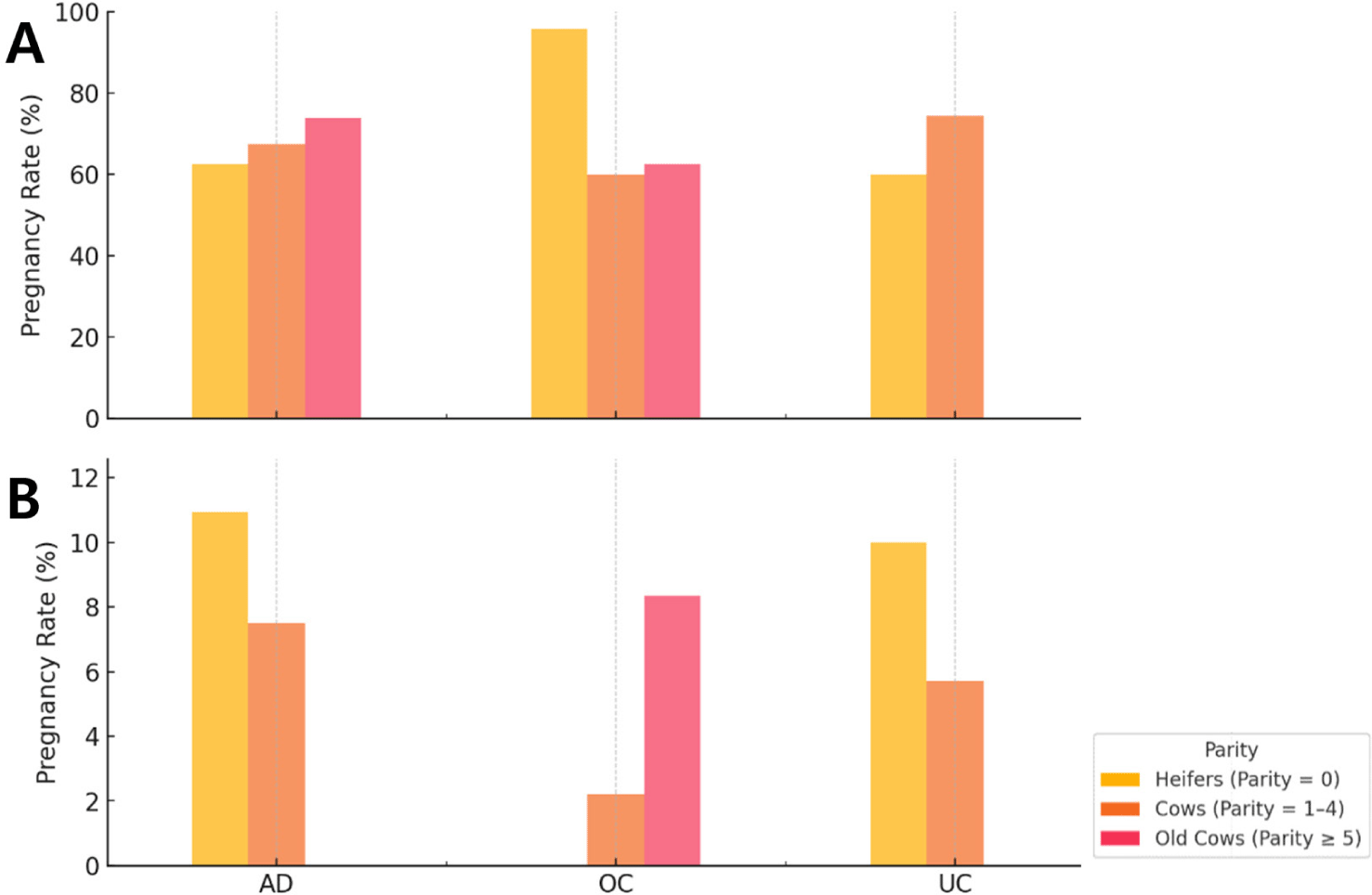
For multiparous cows, the UC group had the highest pregnancy rate at 80.0% (n = 35), followed by the AD (75.0%, n = 200) and OC (62.2%, n = 45) groups. This suggests that reproductively mature cows can maintain high fertility even at lower BCS. However, a greater proportion of pregnancies in OC multiparous cows occurred after the second AI, possibly due to suboptimal estrus expression or hormonal inefficiency (Fig. 1B).
For older cows (parity ≥ 5), the AD group had the highest pregnancy rate at 73.8% (n = 42), while the OC group had a lower rate of 70.8% (n = 24). UC older cows (n = 3) did not conceive, preventing statistical interpretation. However, the pattern supports prior evidence that moderate BCS favors reproductive stability in aging cows.
These patterns are summarized in Table 1 and illustrated in Fig. 1, which separates the outcomes after the first and second AIs according to parity and BCS. Overall, these findings emphasize that BCS influences reproductive performance differently across parity groups and AI timing, underlining the importance of parity-specific BCS management in Hanwoo breeding herds.
Logistic regression analysis was conducted to assess the effects of parity, BCS, and their interaction on pregnancy success. Heifers (parity 0) and UC BCS were used as the reference categories, and the model showed significant overall fit (log-likelihood ratio test, p < 0.01).
Within heifers, the OC group showed significantly higher odds of pregnancy than the UC reference (β = 2.66, p < 0.05), consistent with the markedly higher pregnancy rate observed in OC heifers (Table 3). The AD group did not differ significantly from UC BCS in heifers (β = 0.04, p = 0.915), and the main effects of parity alone (Cows, β = 0.30; Older cows, β = –1.58) were also non-significant.
Among the interaction terms, only the interaction between multiparous cows and OC BCS was statistically significant (β = –3.03, p < 0.01), indicating that the positive association between OC BCS and conception seen in heifers did not extend to multiparous cows — pregnancy odds in OC multiparous cows were significantly lower than would be predicted from the heifer-based OC effect alone. No other interaction terms (Cows × AD, Old cows × AD, Old cows × OC) reached significance (Table 4).
These findings indicate that the relationship between BCS and conception is not uniform but strongly modulated by parity: over-conditioning is associated with higher conception odds in heifers, whereas this association is significantly attenuated — and reversed in direction — in multiparous cows. This underscores the importance of implementing parity-specific BCS management strategies to optimize reproductive performance in Hanwoo herds.
To examine potential multicollinearity between parity and age, we included Age as a continuous predictor alongside Parity Group dummy variables and calculated the VIF for all predictors (Table 5). The variable “Heifers” was treated as the reference group in the model and therefore is not shown in the VIF table because it is not directly estimated as a dummy variable. The VIF values were Age 15.53, BCS 4.72, cows 5.71, and older cows 5.66. The VIF for Age exceeded the conventional threshold of 10, primarily reflecting the inherent biological correlation between age and parity in Hanwoo cows (as parity increases with age by definition). Because Age and Parity Group jointly capture largely overlapping information, we retained Parity Group as the primary explanatory variable in the main pregnancy model (Table 4) and included Age only in this supplementary multicollinearity check; the coefficient estimates for Parity and BCS in Table 4 should therefore be interpreted with this collinearity in mind.
| Variable | Variance inflation factor |
|---|---|
| Age | 15.53 |
| Body condition score | 4.72 |
| Cows | 5.71 |
| Older cows | 5.66 |
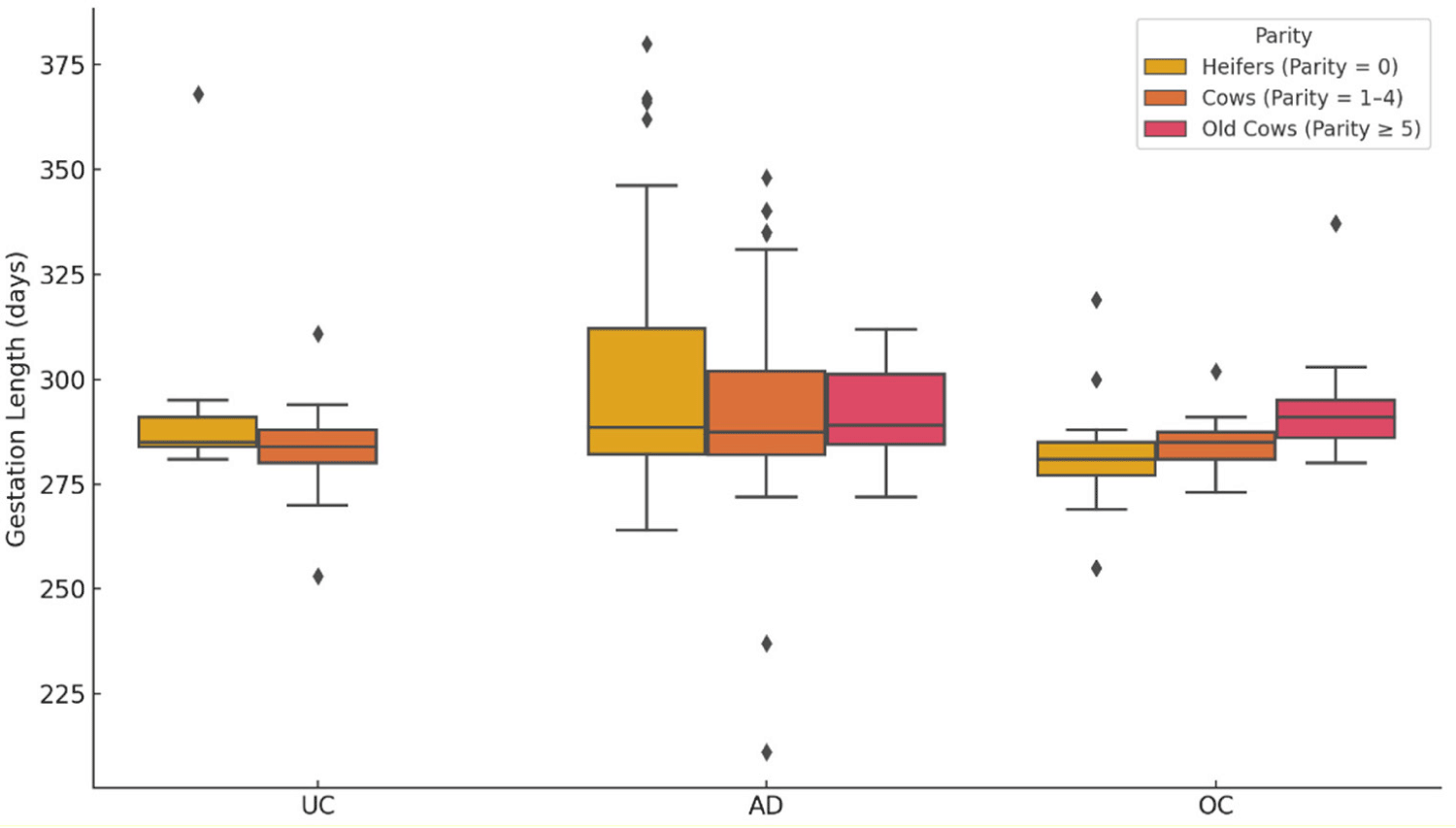
Gestation lengths according to BCS and parity are presented in Fig. 2. Average gestation was longest in AD heifers (292.2 ± 17.6 d). By contrast, multiparous and older cows maintained relatively stable gestation lengths between 283 and 285 days, regardless of BCS. Statistical analysis revealed that BCS group comparisons within parity groups showed no significant differences among Heifers (p = 0.079) and cows (p = 0.118), while a significant difference was observed among old cows (p < 0.01). This finding implies that growing heifers and multiparous cows are less sensitive to body condition in terms of gestation length, whereas older cows may experience greater variation depending on their BCS. These results emphasize the importance of managing BCS appropriately in older cows to optimize reproductive outcomes.
Calf birth weights according to BCS and parity group, split by calf sex, are presented in Fig. 3. For male calves (subplot A), BCS group comparisons within parity groups revealed no significant differences among Heifers (p = 0.375) and old cows (p = 0.391), while a significant difference was observed among cows (p < 0.01). For female calves (subplot B), no significant differences were observed among Heifers (p = 0.910) and cows (p = 0.794), while a trend towards significance was noted among old cows (p = 0.063). These findings suggest that the relationship between BCS and birth weight may vary depending on both calf sex and dam parity, with potential implications for calf growth and maternal management strategies.
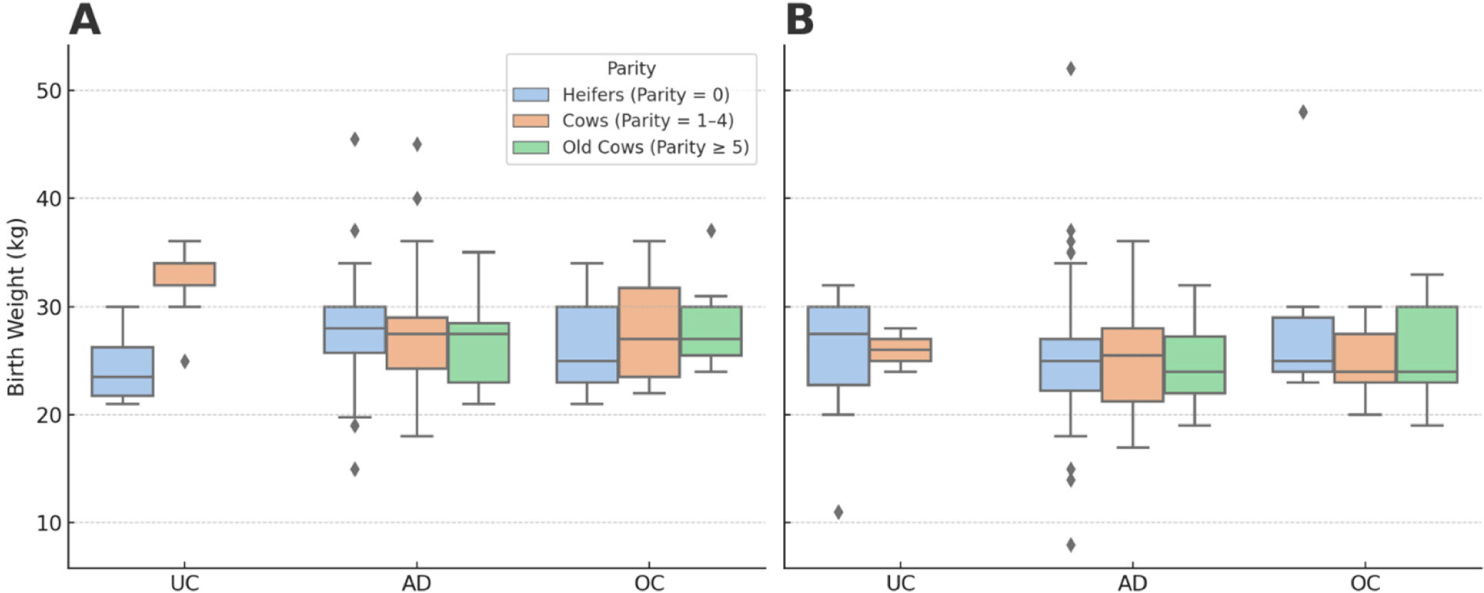
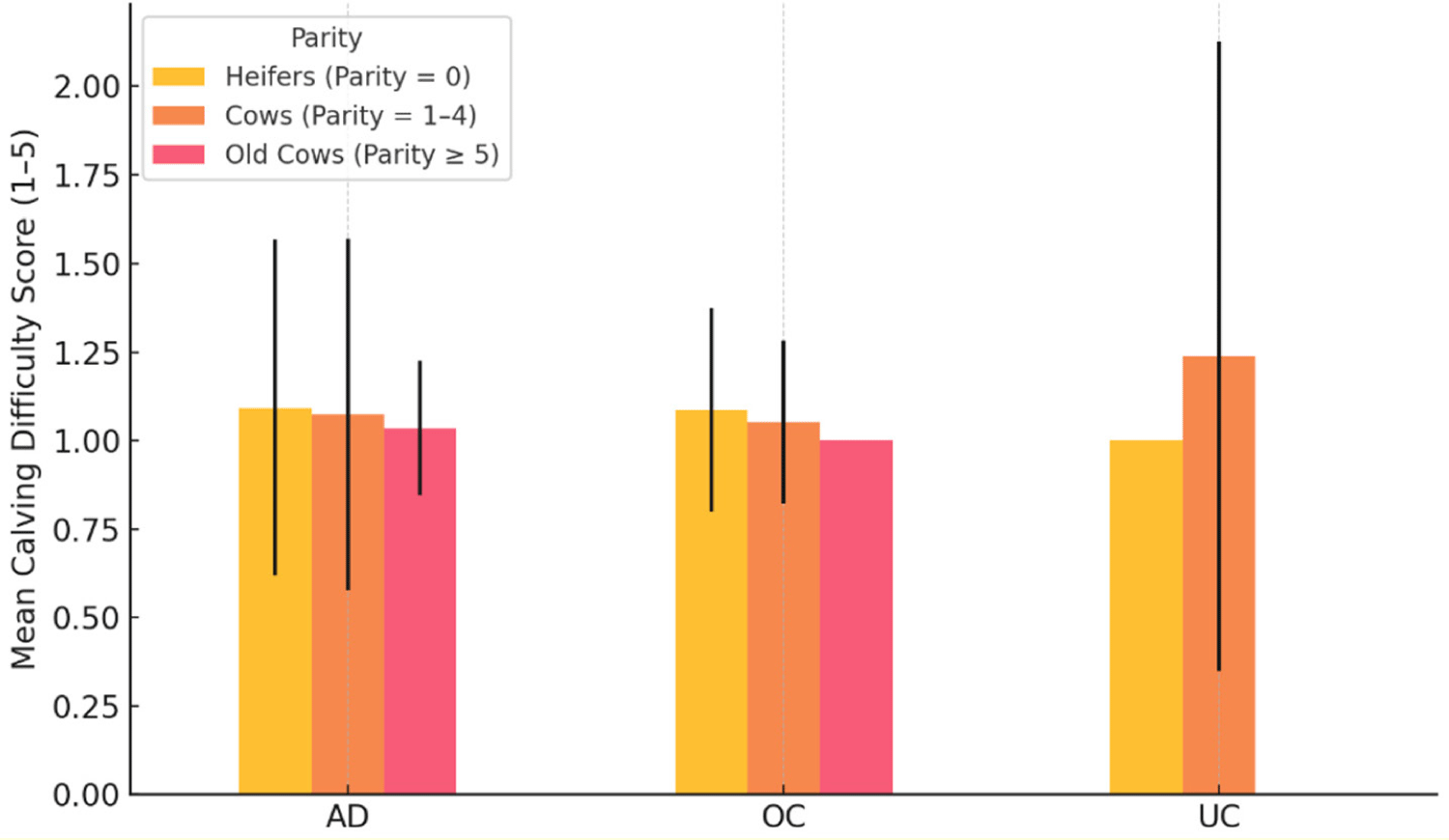
Fig. 4 summarizes calving difficulty scores, which generally remained low across all groups (range: 1.0–1.2). However, UC multiparous cows had the highest average score (1.24 ± 0.89), which is likely due to limited maternal energy reserves during the delivery of heavier calves. By contrast, heifers and older cows exhibited more stable calving difficulty scores across BCS categories.
Among cows that successfully calved, the rate of calf health issues was 5.9%, while the rate of dam health issues was 5.3%. The rate of calf health issues was highest for OC cows, at 10.5% for multiparous cows and 8.7% for heifers (Fig. 5A). These findings suggest that excessive body fat negatively impacts fetal development and perinatal survival.
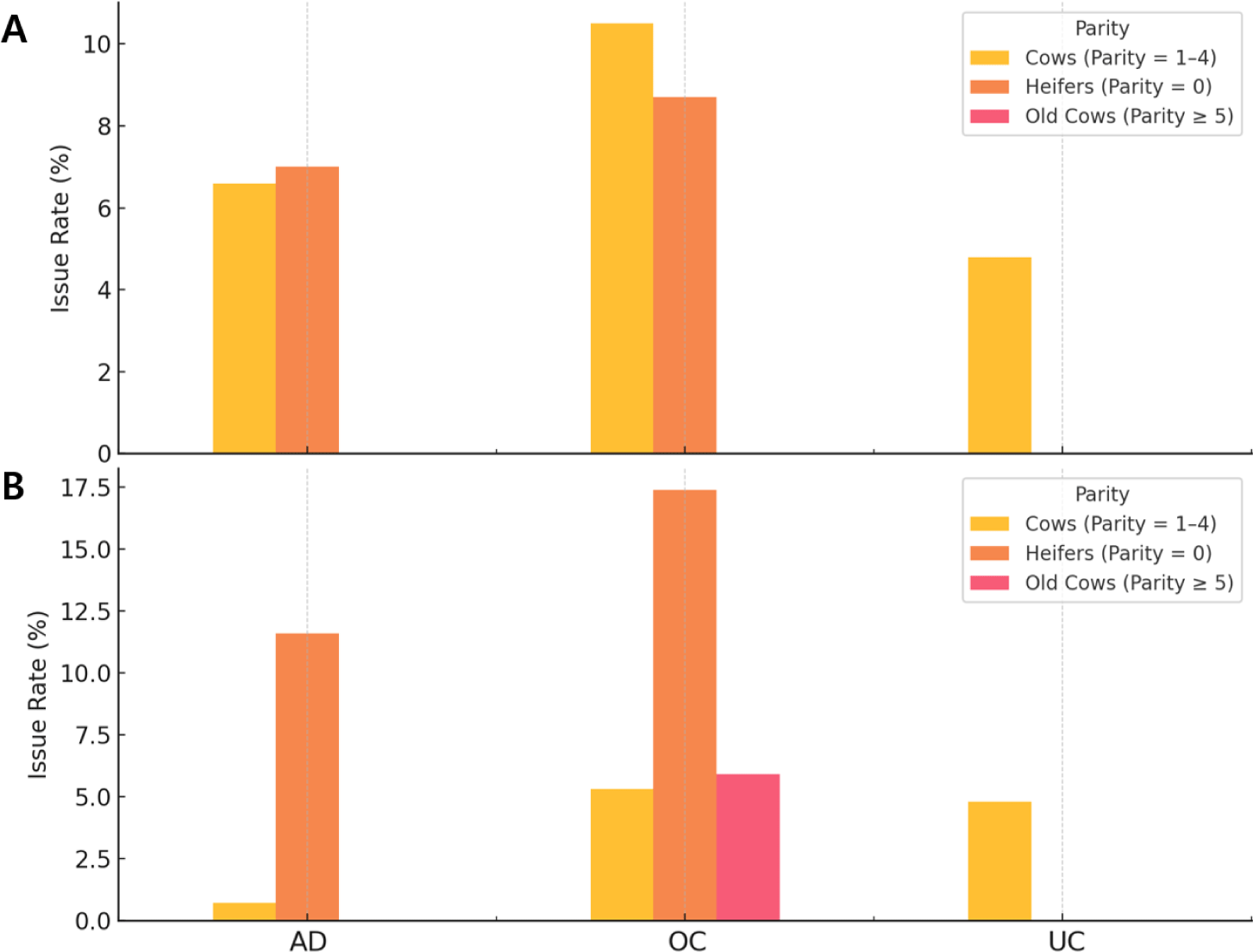
Dam health issues were most prevalent in OC heifers (17.4%), which is likely related to the increased metabolic burden and dystocia risk during their first calving (Fig. 5B). By contrast, the rate was lowest in AD multiparous cows (0.7%), supporting the metabolic stability of these cows and their suitability for reproduction.
The interaction of BCS and parity influenced both calf and maternal health outcomes; however, no statistically significant differences were detected. This suggests that while trends exist, further studies with larger sample sizes may be needed to confirm the observed patterns.
These findings highlight the importance of parity-specific BCS optimization. Over-conditioning may enhance conception in heifers but increases health risks, multiparous cows tolerate lower BCS but may face calving challenges with heavier calves, and older cows benefit most from maintaining a moderate BCS. These insights reinforce the need for tailored nutritional and reproductive management of Hanwoo cow herds.
DISCUSSION
This study investigated how BCS at the time of AI affects reproductive outcomes in Hanwoo cows across different parities. The effects of BCS on conception, gestation length, calf performance, and calving difficulty varied significantly according to parity, reflecting the distinct physiological and metabolic characteristics of heifers, multiparous cows, and older cows.
The higher conception rate observed for OC heifers (BCS ≥ 4.0) compared with heifers with lower BCS suggests that adequate energy reserves are important during the first breeding. Heifers face simultaneous demands for growth, maintenance, and reproduction; thus, insufficient energy intake may suppress or delay ovulation [14,15]. BCS influences reproductive hormone profiles, estrous expression, and follicular dynamics [13,16,17]. In our study, most OC heifers conceived after the first AI, indicating they have enhanced reproductive readiness associated with higher body reserves.
Conversely, multiparous cows exhibited better reproductive performance at lower BCS (< 2.50), supporting the idea that mature animals can maintain fertility despite minor energy deficits. Roche et al. [13] previously highlighted that excessive body fat can impair reproductive efficiency in dairy cows by inducing metabolic stress, hormonal imbalances, and reduced estrous expression. Similarly, our results support the concept that moderate BCS is more favorable for reproductive success in mature cows. Among older cows, conception was highest in the AD group, suggesting that excessive fat hinders postpartum recovery and ovarian cyclicity in aged animals [18,19].
Gestation length appeared to be particularly sensitive to BCS in heifers. The longest gestation periods were observed in AD heifers, potentially due to increased placental efficiency and prolonged fetal growth support [20,21]. Alternatively, immature uterine and endocrine function in heifers may have delayed parturition. Maternal age and body composition affect placental development and nutrient transfer to the fetus [22].
Regarding calf birth weight, male calves born to UC multiparous cows were heavier on average. This counterintuitive outcome may reflect altered maternal nutrient allocation during late gestation, which can influence offspring growth [23,24]. However, the same group also exhibited greater calving difficulty, likely due to mismatches between fetal size and the maternal pelvic capacity or muscular support [25,26]. Despite these differences, the overall low dystocia scores (1.0–1.2) indicate that the herd was well-managed under controlled nutritional and veterinary conditions.
Among cows that successfully calved, abnormal health outcomes were observed in 5.9% of calves and 5.3% of dams. Although trends were observed, no statistically significant differences were detected. Calf health issues were most common in OC heifers and multiparous cows, suggesting that maternal over-conditioning compromises the intrauterine environment, increases perinatal stress, and reduces placental efficiency [27,28]. Inflammatory cytokine production by adipose tissue and increased insulin resistance may further impair fetal development [29–31].
Dam health issues were most prevalent in OC heifers (17.4%), reinforcing the notion that excess body fat predisposes immature animals to dystocia, postpartum complications, and metabolic disorders such as ketosis and hepatic lipidosis [32–34]. Although OC heifers also exhibited higher fertility rates compared to other groups, this difference was not statistically significant, suggesting a trend rather than a definitive outcome. In addition, adipose tissue inflammation may impair ovarian function through altered endocrine signaling and inflammatory cytokine production, potentially affecting reproductive performance. On the other hand, AD multiparous cows had the lowest incidence of both calf and maternal complications, indicative of optimal physiological homeostasis and reproductive resilience. These findings emphasize that both under- and over-conditioning carry health risks, which are modulated by parity. Therefore, strategic BCS management tailored to parity is essential to ensure safe and successful reproduction.
Our results suggest that parity-specific BCS management strategies are needed in Hanwoo breeding programs. Heifers should ideally have a BCS ≥ 3.5 before AI to maximize conception rates and reduce the need for repeated inseminations. For multiparous cows, moderate BCS appears to offer a balance between reproductive performance and calving ease, while avoiding excessive fat deposition. In older cows, maintaining BCS between 2.5 and 3.5 seems to promote postpartum recovery and reproductive longevity.
Moreover, distinguishing between first and second AI outcomes, as performed in this study, enables more nuanced evaluations of reproductive efficiency at both individual and herd levels. Incorporation of AI timing, parity, and BCS into routine herd management could support evidence-based decision-making in breeding and nutrition.
While this study applied mixed-effects logistic regression to evaluate the effects of BCS, parity, and their interaction on pregnancy success, several limitations of the statistical model must be acknowledged. First, use of a single binary outcome variable (pregnancy status) in a logistic regression framework limits the scope of analysis, particularly given the multifactorial nature of the reproductive process. Important continuous outcomes such as gestation length, calf birth weight, and the calving difficulty score were analyzed separately, thereby precluding integrated multivariate modeling to reveal latent interdependencies among outcomes [35,36].
Second, the sample size for certain BCS–parity combinations was relatively small, especially in UC or older cows. This may have reduced the statistical power to detect interaction effects and could have led to unstable coefficient estimates. Additionally, categorical transformation of BCS, originally a continuous physiological metric, might have led to loss of information and reduced the sensitivity of the model to detect nuanced associations. Dichotomizing continuous variables can increase the risk of type II errors and obscure non-linear relationships [37,38]. Future studies could benefit from treating BCS as a continuous or ordinal variable and exploring non-linear relationships using spline or polynomial terms.
Third, although we evaluated model fit using log-likelihood and Wald tests, predictive validity and calibration measures, such as receiver operating characteristic curve analysis and the Hosmer–Lemeshow test, were not included. These metrics could enhance understanding of the model’s robustness in different population subsets [39].
Finally, the post-hoc non-parametric tests employed to compare reproductive traits between groups may have limited statistical power because of conservative Bonferroni adjustments. While this approach minimizes false positives, it may increase the risk of false negatives in small sample studies [40]. Integration of these analyses within a generalized linear model framework could improve consistency and interpretation.
Despite these limitations, the present model provided clear insights into the reproductive consequences of the interaction between BCS and parity. The findings underscore the need for practical management strategies, such as establishing parity-specific BCS targets to optimize reproductive performance and reduce perinatal health risks in Hanwoo herds. From a biological perspective, the study highlights the role of adipose tissue inflammation and metabolic status in influencing ovarian function and postpartum recovery, particularly in heifers with excessive body condition. Nonetheless, further studies employing mixed-effects models or multivariate analyses are warranted to better account for individual variability and the complex interplay among reproductive traits.